Financial Education
How to Handle Lost or Stolen Checks: Steps and Precautions
Checks are used as a form of payment, allowing individuals and businesses to transfer funds without the need for.
8 min read

19 Jun 2024

If you lost a check or it was stolen, contact your financial institution right away to request a stop payment. With Común you can lock your card instantly from the app and reach support 24/7 by chat, email, phone, or WhatsApp.
What Is a Check and How Do You Cash It?
Checks are used as a form of payment, allowing individuals and businesses to transfer funds without the need for physical cash. A check is a specific amount of money from the check writer's account assigned to a check recipient (the payee). The check is typically written, dated, and signed, acting as an instrument that directs a bank to pay a recipient.
Before cashing a check, make sure all the details are correct and the check is valid. Verify the payee name, the written amount, the date, and the issuer’s signature. Also sign your name on the back of the check in the designated endorsement area, as this is required for banks to process checks. Take the endorsed check to your bank or use an ATM or mobile banking app if your financial institution offers check deposit services. You may also be asked to provide valid identification.
If you are depositing it, fill out a deposit slip if necessary, and the funds will be credited to your account. If you are cashing it, the bank will give you the amount in cash after deducting any applicable fees. If you deposited the check, it may take a few days for the check to clear and for the funds to become available in your account, depending on your bank’s policies.
Find more information about what a check is and how to cash it here.
Realizing a Check Is Missing: Stay Calm and Act Fast
Losing a check can feel overwhelming, especially if you are new to banking. The first step in handling a lost or stolen check is to stay calm. Panicking will not help, and thinking clearly and quickly is your best ally here. Take a moment to retrace your steps. Sometimes, the check may simply be misplaced rather than lost. Check all possible places where it might be. If it truly has disappeared, it is time to act quickly to prevent any potential misuse of your bank account or savings account.
Contact Your Bank: The First Line of Defense
Your bank or credit union is your best friend in this situation. As soon as you realize a check is missing, contact your bank immediately and begin monitoring bank accounts for signs of identity theft. Most financial institutions have a dedicated customer service line for such emergencies. Be ready to provide account information such as the check number, amount, and the date it was issued. The faster you notify them, the better they can help protect your account from fraudulent activity and identity theft.
Request a Stop Payment on a Lost or Stolen Check
After informing your bank, the next crucial step is to request a stop payment on the lost check. This action prevents the check from being processed if someone tries to cash it. Make sure to file a stop payment request for the lost or stolen check. There may be a fee for this service, but it is a small price to pay for the security it provides. Be sure to obtain confirmation from the bank that the stop payment has been successfully placed on your bank account.
File a Police Report: When to Involve Authorities for Identity Theft
If you suspect your check was stolen, it is important to file a police report with your local police department. This step not only helps with the theft investigation, but also provides you with a record of the incident, which can be useful for bank claims and insurance purposes. When filing the report, provide all relevant details, including any suspicions you may have about mail theft or check fraud. Reporting the incident to the appropriate government agency can also be beneficial in cases of identity theft.
Prevent Future Problems: Best Practices for Check Security
Prevention is always better than cure. To avoid losing checks in the future, consider these best practices:
Keep checks in a safe place: Store your checkbook in a secure but easily accessible location. Keeping it out of sight from prying eyes can help prevent potential theft. Consider using a locked drawer or a safe for added security.
Use electronic payments: Whenever possible, opt for direct deposit or electronic transfers, which are more secure and convenient. Direct deposits not only simplify your payments, but also reduce the risks associated with physical checks, such as mail theft or check fraud. Many financial institutions offer premium accounts with direct deposit options, ensuring your funds are transferred securely and quickly. In addition, you may earn a higher annual percentage yield on your savings and checking balances based on your direct deposit activity and qualifying deposits. To qualify for specific interest rates, you can use direct deposit, which includes payroll, pension, or government payments.
Regularly monitor your accounts: Frequently review your bank statements and account activity for unauthorized transactions or signs of check washing attempts. Set up alerts with your bank or credit union to notify you of any unusual activity. This vigilance is crucial for both your checking and savings balances, helping you detect fraudulent activity early and take immediate action.
Shred old checks: Properly dispose of old or unused checks by shredding them to prevent any misuse. Counterfeit checks are a common problem, and shredding helps keep a secure paper trail. Make sure any document containing your account number or payment information is completely destroyed before discarding it.
Be cautious with the mail: Avoid sending checks through outgoing mail, as this can expose you to the risk of mail theft. Instead, deposit them directly at the post office to ensure they are handled securely. For added security, consider using certified mail for important payments to create a traceable record of your transaction. Alternatively, use P2P transfers or electronic transfers to send money to friends, family, or anyone with a bank account in the U.S., highlighting the speed, simplicity, and security of these transactions.
Educate yourself about check fraud: Familiarize yourself with common check fraud schemes, such as check washing and counterfeit checks. Understanding these threats can help you recognize suspicious activity and protect your finances more effectively.
Protect your account information: Keep your account number, mobile number, and other personal details confidential. Sharing this information carelessly can make you a target for fraud. Always verify the identity of anyone requesting your account details.
By following these steps, you can effectively handle and prevent problems with lost or stolen checks. Remember, acting quickly and keeping your bank informed are key to protecting your finances and preventing someone from attempting fraud using your account information. Adopting these best practices will help you maintain a secure financial environment and give you peace of mind.
Now that you know how to handle lost or stolen checks, it is time to take control of your finances with ease. At Comun.app, we offer secure and easy-to-use solutions so you can manage your money without complications. Open your account in minutes and start enjoying the benefits!
What do I do if I lost a check or it was stolen?
Contact your financial institution right away to report the loss and request a stop payment. Also let the person who issued the check know, since they may need to issue a new one.
How do I lock my card if I suspect fraud?
You can lock your card instantly from the Común app, no phone call needed. Review your recent activity and report any transaction you don't recognize.
How do I contact Común support for an urgent issue?
Común offers 24/7 support through in-app chat, email, phone, and WhatsApp.
Frequently asked questions
What should I do first if I lost a check?
Contact your financial institution right away to request a stop payment, and let the person who issued it know.
Can I lock my Común card myself?
Yes, you can lock it instantly from the app without needing to speak with support first.
How do I report a transaction I don't recognize?
Contact Común support through chat, email, phone, or WhatsApp, available 24/7.
Am I liable if someone cashes a stolen check with a forged signature?
Generally not, if you report it right away to your financial institution; exact protections vary by case.
What do I do if my lost check was already cashed by someone else?
Contact your financial institution and the check issuer right away to start a claim.
How do I prevent losing checks in the future?
Consider receiving payments via direct deposit or electronic transfer instead of paper checks, and store any checks you do receive somewhere secure.
About Común
Común aims to support the Latino community in the United States. It offers a debit account that can be opened with more than 100 valid Latin American IDs and an app available in Spanish.
Visit Común's website or download the app for free to learn more about the full offer and applicable terms.
Olivia Rhye
Community Partner


Checking account
What Is Online Banking?
8 min de lectura
Online banking refers to a financial institution with a digital presence on the web, accessible from different devices. Online banking has features that set it apart from other platforms — its main characteristic is that money and account management happen entirely online. Here are the main things that set it apart from traditional banking and other platforms — keep reading!
Features of Online Banking
Now that you know what online banking is, here are the different features it offers:
Convenience: You don't need to complete part of a transaction online and finish it in person at the bank. Online banking can offer 100% online transactions, depending on the institution.
Functionality: Banking today has improved the user experience to the point that most apps are user-friendly, offering a wide range of financial products and tools so users don't have to complete some confirmations in person at the branch.
Security: This is one of the aspects online banking has focused on most, and one of the factors that limited financial products for customers in the past. Today, there's a wide range of tools that make online transactions secure, including:
Banking software: Banks have internal software that protects users — in payment methods, IP location recognition, and payment processing and authentication.
Two-factor authentication: With mobile apps, security is properly guaranteed through online banking.
Security protocols: These are the steps required to access certain financial tools. Some protocols require two-factor verification, others use randomized codes depending on the bank's criteria.
Advantages of Online Banking
Over the years, online banking has optimized its digital processes, resulting in a number of benefits for users, including:
Time savings: You don't need to go to a bank branch to complete a transaction and wait to be helped after a long wait at the branch.
Better communication: Complaints are handled promptly on many platforms. Generally, the solution is found in one of the menus within the app. This is mainly due to the standardization of solutions for the most common issues regular users face, available as options within the platform.
Streamlined processes: The ease of acquiring financial products, choosing promotional cards, making both domestic and international transactions, and checking real-time spending make online banking an ideal option.
Ease of use: The options the platform offers make navigation within the app (for smartphones) or platform extremely user-friendly.
For these reasons, it's worth understanding the different operations related to online banking, including:
Opening a bank account online.
Making transfers online.
Getting benefits through online banking.
Setting up bill pay through your bank.
Immigration
Bank Fees for Immigrants: Common vs. Competitors
8 min de lectura
For immigrants in the U.S., bank fees can amount to hundreds of dollars a year. Común stands out by offering a monthly-fee-free account, no minimum balance, and no SSN requirement. Compared with competitors like Seis and Majority, Común eliminates fixed fees while still providing full services in Spanish.
Choosing the right bank account can save you hundreds of dollars a year. For the immigrant community in the U.S., comparing fees is especially important because many traditional accounts charge fees that directly affect the monthly budget. We analyzed the main options available.
Fees at Traditional Banks
Major U.S. banks such as Bank of America, Chase, and Wells Fargo charge between $6 and $25 per month to maintain a checking account, with minimum balance requirements of $1,500 to $25,000 to avoid those fees. They also charge overdraft fees ($35 per transaction), out-of-network ATM withdrawal fees ($2.50-$5 per withdrawal), and international transfer fees ($25-$45 per wire transfer). For a newly arrived immigrant without credit history or a high balance, these costs add up quickly.
Común: No-Fee Account for Immigrants
Común offers a checking account with no monthly fee, no minimum balance required, and no overdraft penalty in many cases. It does not require an SSN — it accepts a passport, consular ID, and more than 100 Latin American IDs. Customer service is completely in Spanish. Account opening takes minutes from a mobile phone. It allows instant domestic transfers at no cost between Común users. It is the option designed specifically for the Latino community in the U.S.
Majority: Monthly Membership with International Benefits
Majority charges $5.99 per month as a base membership (down from $14.99). In return, it offers unlimited international calls to selected countries, roaming mobile data in more than 50 countries, and discounts at participating merchants. If you actively use international calling and travel benefits, the membership may be worth it. However, if you only need a basic bank account, you are paying for services you may not use.
Seis: Account for Visa Workers
Seis is designed for expats and visa workers in the U.S. It offers an account without an SSN using a visa and passport. Fees vary by plan: the basic account has limits on the number of free transactions. It is more geared toward professionals with work visas (H-1B, L-1) than the immigrant community at large. Its interface is available in multiple languages, including Spanish.
Direct Fee Comparison
In terms of monthly fee, Común charges $0, Majority charges $5.99/month, and traditional banks charge between $6 and $25. The minimum balance requirement is $0 at Común, $0 at Majority, and between $1,500 and $25,000 at traditional banks. Regarding SSN requirement, Común does not require it, Majority does not either, while traditional banks generally do. All three have FDIC or equivalent deposit protection.
Which Option Is Best for You?
If you are looking for the account with the lowest total fees and do not need unlimited international calls, Común is the most economical option. If you travel frequently or call abroad often, Majority’s membership may be worth it. Traditional banks only make sense if you already have the required minimum balance or if you need specific services such as mortgages or investment accounts.
Frequently Asked Questions About Bank Fees
What bank fees are most common in the U.S.?
The most common are: monthly maintenance fee ($6-$25), overdraft fee ($35 per transaction), out-of-network ATM fee ($2.50-$5), and international wire transfer fees ($25-$45). Digital banks like Común eliminate most of these fees.
Can I avoid bank fees at a traditional bank?
Yes, usually by maintaining a monthly minimum balance (which varies by bank and account type), receiving direct payroll deposit, or being a student. However, for immigrants without credit history or with variable income, meeting these requirements can be difficult at first.
Are ATM fees unavoidable?
No. Multiple digital banks offer free access to ATM networks (Allpoint, MoneyPass) with thousands of fee-free locations across the U.S. Común provides access to fee-free ATMs within its network. Outside the network, typical charges are $2.50-$5 from the ATM plus whatever your bank charges.
What is an overdraft fee and how can I avoid it?
An overdraft fee occurs when you spend more money than you have in your account and the bank covers the difference by charging you a penalty (typically $35). You can avoid it by activating low-balance alerts, linking a savings account as backup, or choosing a bank that does not charge overdraft fees — some digital accounts decline the transaction instead of charging a penalty.
Is it worth paying a monthly membership for a bank account?
It depends on the included benefits. A $5.99-$14.99 monthly membership may be worth it if it includes services you actively use (international calling, travel insurance, cashback). If you only need an account for deposits, payments, and transfers, a free account like Común is more cost-effective.
Checking account
Joint Bank Accounts: Benefits and Considerations
8 min de lectura
A joint bank account is an account shared by two or more people, commonly used by couples, families, or business partners to manage shared expenses. Before opening one, it's important to understand both its benefits and its risks.
What Is a Joint Bank Account?
A joint bank account is a single account shared by two or more people, letting all account holders deposit, withdraw, and manage money from the same account. It's perfect for people who need to manage finances together, like spouses, parents and children, or business partners. Joint accounts can be set up as joint checking or joint savings accounts, depending on the co-owners' financial needs.
Click here to learn more about personal bank accounts in the U.S.
Benefits of Joint Bank Accounts
Managing shared expenses becomes much simpler with a joint account. Instead of juggling multiple accounts for different payments, you can handle household bills, car payments, mortgage payments, and other shared expenses from one place. This simplifies tracking and organizing your finances and reduces the need to transfer funds between separate accounts.
With a joint bank account, both account holders have access to the funds. This can be incredibly convenient in emergencies or when one partner is unavailable. For example, if a spouse is traveling or incapacitated, the other can still pay bills and manage shared expenses without delay. This equal access ensures financial management continues smoothly no matter the circumstances.
Open your account with Común now. Banking designed specifically for you.
Shared Financial Goals
Joint accounts are fantastic for working toward shared financial goals. Whether you're saving for a house, a vacation, or your child's education, having a joint account ensures both partners are on the same page and contributing toward these goals together. This shared approach can foster stronger financial planning and more cohesive spending and saving habits.
A joint bank account improves transparency and trust in relationships. It encourages open communication about finances and helps ensure both parties are aware of and agree on how money is being spent and saved. This can lead to better financial decisions and reduce the potential for misunderstandings or conflicts over money management.
In emergencies, a joint account ensures one partner can access funds if the other is incapacitated. This is especially important for older couples or those with health concerns, providing peace of mind that finances can be managed even in difficult times. Older parents and adult children can also benefit from this setup, ensuring necessary expenses are covered smoothly.
Considerations for Shared Accounts
Sharing an account means sharing individual control over your finances. It's important to have mutual agreements about spending and to trust your partner's financial decisions. This could be a drawback for those who prefer full autonomy over their money. Having both joint and separate accounts can balance shared financial management with personal spending autonomy.
Managing money together can sometimes lead to disagreements. To avoid conflict, set spending limits and have regular financial discussions to make sure both parties are on the same page. Clear communication is key to reducing potential disputes, and consulting a financial planner or wealth advisor can also help manage joint accounts effectively. Setting clear guidelines for deposits, withdrawals, and spending means deciding together how much each person will contribute to the joint account, whether a fixed amount or a percentage of income.
Rules for Spending and Saving
This can include setting rules for large withdrawals or purchases, requiring both partners' agreement to avoid disputes. Having a mutual understanding of how the account will be managed can prevent misunderstandings and foster a cooperative approach to money management.
Aligning Long-Term Financial Goals
Align your long-term financial goals, like saving for a house, retirement, or a child's education. Setting and working toward shared goals strengthens your financial partnership and provides clear direction for your joint account. Regularly review and adjust your goals as needed to stay on track and adapt to any changes in your financial situation.
Legal Aspects
Joint accounts come with legal responsibilities, like liability for overdrafts and debts. It's essential to have clear agreements, especially in business partnerships, to avoid legal complications. Understand the legal aspects and make sure both parties are aware of their responsibilities. The Federal Deposit Insurance Corporation (FDIC) insures joint accounts, but it's important to understand the coverage limits and implications.
Joint accounts can affect both account holders' credit scores. Responsible management and regular account monitoring are crucial to avoiding negative impacts on your credit. Make sure both partners are committed to maintaining good financial habits. Any debt incurred on the joint account will show up on both account holders' credit reports, so it's important to manage the account carefully.
Understanding the Legal and Tax Implications
Be aware of the legal and tax implications of having a joint bank account. In some cases, joint accounts can affect your individual credit standing and tax liabilities. Consult a financial planner or banking advisor to understand the impact on your personal finances, and make sure you comply with any legal requirements. This understanding helps you make informed decisions and avoid potential legal or financial issues.
Tips for Successfully Managing a Joint Bank Account
Communication is key, and regular financial discussions are essential. Talk openly about your financial goals, spending habits, and any concerns you may have. Schedule regular check-ins to review your joint account and discuss any changes in income, expenses, or savings goals. Open communication ensures both partners stay on top of the account's status and can address any issues promptly. Managing a joint bank account takes teamwork, communication, and clear guidelines. Here are some tips to help you navigate this financial arrangement smoothly:
- Keep Individual Accounts for Personal Spending. Keeping individual accounts for personal spending can help avoid conflict and ensure both partners have some financial independence. Separate checking and savings accounts can complement a joint account by providing a space for individual spending and saving. This setup lets each person manage their own money separately while still contributing to shared expenses through the joint account. It also reduces potential conflicts over personal purchases and spending habits. Introducing Común.app: for those looking to keep individual accounts alongside a joint account, Común.app offers a perfect solution. With Común.app, you can easily manage your personal finances while tracking your shared expenses. The app provides a user-friendly platform for budgeting, saving, and making payments, ensuring you have full control over your individual spending. This can be especially helpful for couples who want to balance shared financial goals with personal financial autonomy.
- Use Financial Tools and Resources. Make the most of the financial tools and resources available at your bank or financial institution. Many banks offer budgeting tools, financial planning services, and wealth advisors who can provide guidance on managing joint and separate accounts. These resources can help you and your partner stay on track with your financial goals and make informed decisions.
- Set Up a Contingency Plan. Have a contingency plan in case of emergencies or major life changes. Discuss what would happen if one partner becomes incapacitated, loses their job, or if the relationship changes. Having a clear plan ensures both partners are prepared for unforeseen circumstances and can keep managing the joint account effectively.
By following these tips, you can successfully manage your joint bank account, fostering a collaborative and transparent financial partnership. Remember, the key to a successful joint account is open communication, clear guidelines, and mutual respect.
We'll show you how to manage your personal accounts in the U.S. here
Conclusion
Joint bank accounts offer numerous benefits, from simplifying finances to fostering transparency and trust. However, they also require careful consideration and clear communication to avoid potential pitfalls. Weigh the pros and cons carefully and make sure both partners are on the same page before opening a joint account. Financial situations can change, so it's essential to stay flexible and adaptable. Regularly reassess your joint account setup and make adjustments as needed. Whether it's changing your contribution amounts, adjusting spending limits, or reevaluating your financial goals, staying adaptable ensures your joint account continues to meet both partners' needs.
What is a joint bank account?
It's a single account where two or more people can deposit, withdraw, and manage money, typically used by couples, families, or business partners.
What are the benefits of a joint account?
It makes paying shared expenses (rent, utilities) easier without constant transfers between individual accounts, and lets another holder access funds in an emergency.
What should I consider before opening a joint account?
All holders have equal access to the money, which requires trust and clear agreements about how funds are used. It's also important to agree on how to split expenses and review activity regularly.
Frequently asked questions
Who can open a joint bank account?
Generally two or more people who share expenses, such as couples, family members, or business partners.
Do all holders have equal access to the money?
Yes, in a standard joint account, all holders can deposit, withdraw, and manage the money equally.
What happens if one holder has a legal or credit issue?
It can affect the whole account; it's important to consider this risk before opening a joint account.
Is it easy to close or unlink from a joint account?
The process varies by institution; it generally requires agreement or signatures from all holders.
How do I avoid conflicts in a joint account?
By agreeing upfront on how expenses are split, reviewing activity often, and keeping open communication between holders.
Is a joint account better than keeping separate accounts?
It depends on each person's situation; many couples and families combine both: a joint account for shared expenses and individual accounts for personal spending.
International Money Transfers
How to send money to Mexico via WhatsApp? Común vs. WhatsApp Pay
8 min de lectura
How to send money to Mexico via WhatsApp? Común vs. WhatsApp Pay
WhatsApp does not currently offer a service to send money directly from the United States to Mexico.
WhatsApp is one of the most popular ways to stay in touch with family and friends across borders. While the app supports payments in certain countries, its payment features are not available for sending money from the United States to Mexico.
However, for people living in the United States who are looking into sending money to Mexico, there are many different options available. From traditional service providers such as Western Union and MoneyGram to apps with instant international transfers like Wise, Remitly and Común.
Can I send money to Mexico via WhatsApp from the United States?
At this time, WhatsApp does not offer an official service that allows people in the United States to send money directly to recipients in Mexico through WhatsApp Pay. WhatsApp's payment functionality is only available in Brazil and India.
This means that you can still use WhatsApp every day to communicate with family and friends in Mexico, but you cannot transfer money from a U.S. account to a recipient in Mexico using WhatsApp Pay.
Some money transfer companies offer WhatsApp-based experiences that help initiate transfers, but those services are different from WhatsApp Pay itself. The actual transfer is processed through the remittance provider rather than through WhatsApp's native payment system.
What is WhatsApp Pay and how does it work?
WhatsApp Pay is a payment feature integrated into WhatsApp that allows eligible users to send and receive money without leaving the app. The service operates through local payment networks and financial partners in supported countries.
As of 2026, WhatsApp Pay is available in India and Brazil. It is not broadly available as a payment method in the United States, and it is not available as a direct remittance solution for sending money from the United States to Mexico.
Why can't I use WhatsApp to send money to Mexico?
Cross-border money transfers require financial institutions, payment networks, regulatory approvals, identity verification procedures, and international settlement systems. WhatsApp Pay was built around local payment systems in specific countries. Because of this, the service does not currently support direct remittances from U.S. bank accounts to recipients in Mexico.
This limitation often creates confusion because WhatsApp is widely used on both sides of the border. Messaging a family member in Mexico through WhatsApp is easy, but sending money through WhatsApp Pay is a different service with separate availability requirements.
How much does WhatsApp Pay charge for sending money?
There is no standard fee for sending money from the United States to Mexico through WhatsApp Pay because that service is not currently available.
If you're in the United States and need to send money to Mexico, you will need a remittance service provider. To compare the costs related to sending money to Mexico, it can be important to review: transfer fees, exchange rates, delivery methods, transfer speed, and recipient requirements.
What's the best way to send money to Mexico if not via WhatsApp?
There is no single answer because different money transfer methods work better for different situations. Bank transfers can be a familiar option for people who already have a checking account. Traditional remittance providers such as MoneyGram and Western Union offer multiple delivery methods, including bank deposits, cash pickup locations, and mobile wallets in some markets.
Digital remittance platforms have become increasingly popular because they offer the possibility of sending money directly from a smartphone. These services typically display the exchange rate, fees, and delivery method before the transfer is completed.
One option is Común through its remittances services, which allows eligible customers to send money to Mexico and other countries in Latin America directly from the Común app. Transfers start at $2.99, and many transfers are delivered on the same day depending on the destination and delivery method.
How to send money to Mexico with Común? (step by step)
1. Open the Común app on your phone.
Sign in to your account and navigate to the remittance section.
2. From the main page, select "Envía una Remesa".
Select the option on your app.
3. Choose your recipient or add a new one.
Provide the required details for the person receiving the transfer.
4. Enter the transfer amount.
Review the amount you want to send.
5. Review the transfer details.
Confirm the recipient information, delivery method, transfer amount, and estimated delivery timeframe.
6. Confirm the transfer.
Complete the transaction and wait for confirmation. Many transfers are delivered the same day, although delivery times may vary.
WhatsApp Pay vs. Común: a direct comparison
| Feature | WhatsApp Pay | Común |
|---|---|---|
| Send money from the United States to Mexico | No | Yes |
| Cross-border remittances | No | Yes |
| Starting transfer cost | Not available for U.S.-Mexico transfers | Starting at $2.99 |
| Delivery to recipients in Mexico | Not supported | Available |
| Transfer purpose | Domestic payments in supported countries | Money transfers to Mexico and Latin America |
WhatsApp Pay was created for payments within certain supported markets. Común remittance services make it possible to send money from the United States to recipients in Mexico and other countries in Latin America directly from the Común app.
A Común account can be opened with a passport or more than 100 Latin American IDs with no minimums or monthly fees.
FAQ
Can I send money to Mexico using WhatsApp?
No. WhatsApp does not currently provide an official service that allows users in the United States to send money directly to recipients in Mexico through WhatsApp Pay.
How does WhatsApp Pay work?
WhatsApp Pay allows eligible users in supported countries to send and receive money through WhatsApp using local payment networks and financial partners.
How long does it take for the money to arrive if I send it with Común?
Many transfers sent through Común are delivered on the same day. Delivery times may vary depending on the destination, delivery method, and recipient institution.
What do I need to send money to Mexico with Común?
You generally need a Común account, the recipient's information, the transfer amount, and any additional details required for the selected delivery method.
How much does it cost to send money to Mexico with Común?
Común international transfers start at $2.99. The total cost may vary depending on the transfer amount, destination, and exchange rate.
Is it safe to send money through apps from the United States?
Using a regulated money transfer provider can help protect your transaction through identity verification, encryption, fraud monitoring, and transaction tracking features.
Común is a financial technology company and not a bank. Banking services are provided by Community Federal Savings Bank, Member FDIC. Peer-to-peer payments services are provided by Cross River Bank. No minimums, no maintenance fees. Remittance service provided by Service UniTeller, Inc. Remittance fees start at $2.99 but may vary. Común Inc. may earn revenue from the conversion of foreign currencies.

Living in the United States
The cheapest states to rent in the United States in 2026
8 min de lectura
The cheapest states to rent in the United States in 2026
Based on recent rental market data, West Virginia continues to rank among the lowest-cost states for renters, with a 2025 Fair Market Rent of approximately $801 per month for a one-bedroom apartment. Arkansas and Mississippi also remain among the most affordable states to rent, with estimated one-bedroom Fair Market Rents of roughly $811 and $910 per month respectively. Other states frequently appearing among the cheapest states to rent include Oklahoma, Kansas, Iowa, Alabama, Indiana, Wyoming, and Ohio.
The national average asking rent for a one-bedroom apartment in the US sits at around $1,576 per month — a figure that can consume a significant share of the household's income. However, the average masks the variations across the country.
Why do rent prices vary so much by state?
Rent prices are not a single national market, they are thousands of local ones. The gap between the cheapest and most expensive states may be more than $1,600/month for a comparable unit. Several structural factors explain why a one-bedroom in Iowa can cost a fraction of what it does in California:
- Housing supply and construction pace. States with fewer building restrictions and lower land costs tend to have more available units, which keeps prices more accessible.
- Local economy and wages. Higher-income cities attract more renters competing for the same units, pushing prices up.
- Urban vs. rural mix. A state dominated by mid-sized cities will register lower averages than one anchored by major coastal cities.
- Regulatory environment. Zoning laws, permitting processes, and landlord-tenant regulations influence how fast housing supply can respond to demand.
- Climate and geography. Desirable coastal cities or warmer climates attract more people, which drives up rents over time.
The 10 cheapest states to rent in the U.S. in 2026
1. West Virginia — 1BR FMR: ~$801/month
West Virginia holds the lowest 1-bedroom Fair Market Rent of any state in the US at $801/month. The median rent statewide sits around $883/month across all unit types, with West Virginia apartments running roughly 41.6% less expensive than the national 2BR average. In 2024, 64.8% of leased homes in West Virginia rented for less than $1,000/month.
2. Arkansas — 1BR FMR: ~$811/month
Arkansas is consistently cited among the states with the lowest rent in the US. The 2025 HUD Fair Market Rent for a 1-bedroom is $811/month, and the state's apartments run roughly 41.4% less expensive than the national 2BR average. In 2024, 51.9% of leased homes in Arkansas rented for less than $1,000/month.
3. Mississippi — 1BR FMR: ~$910/month
The 2025 HUD Fair Market Rent for a 1-bedroom is $910/month, and some market-rate data places average 1BR asking rents lower, around $785–$825/month. In Jackson, the state capital, a 1-bedroom apartment may average around $785/month. The state has a notable Latino community in agricultural and food-processing hubs.
4. Oklahoma — 1BR avg: ~$850–$875/month
Oklahoma may offer some of the most affordable urban rent in the country. Oklahoma City's average 1BR rent sits around $875/month, ranking among the cheapest large cities to rent in the US. The state's housing index sits at approximately 67.9, meaning homes and rentals cost about 32% less than they do nationally.
5. Kansas — 1BR FMR: ~$885/month
Kansas delivers consistent affordability, with a 2025 HUD Fair Market Rent for a 1-bedroom at $885/month, roughly 35.6% below the national 2BR average. The median home price in Wichita, Kansas' largest city, was approximately $198,000 in Q1 2026.
6. Iowa — 1BR FMR: ~$839/month
The 2025 HUD Fair Market Rent for a 1-bedroom is $839/month, with Iowa apartments running 38.3% less expensive than the national 2BR average. Iowa households spend just 17% of their income on housing, the lowest share of any state in the country.
7. Alabama — 1BR FMR: ~$905/month
Alabama's apartments run roughly 36.4% less expensive than the national 2BR average. The 2025 HUD Fair Market Rent for a 1-bedroom is $905/month. The median home price of approximately $179,400 is among the lowest in the country. In 2024, 42.8% of leased homes in Alabama rented for less than $1,000/month.
8. Indiana — 1BR avg: ~$900–$950/month
Indiana sits comfortably in the affordable tier, with average 1BR rents well below $1,000/month in most markets. Indianapolis offers sub-$1,000 rents in a metro with a job market ranging from logistics, healthcare, technology, to life sciences. Indianapolis' growing Latino community has made the city an increasingly relevant destination for immigrant families relocating to the Midwest.
9. Wyoming — 1BR FMR: ~$836/month
Wyoming's sparse population keeps rental demand low and rents affordable. The 2025 HUD Fair Market Rent for a 1-bedroom is $836/month. In 2024, 50.2% of leased homes in Wyoming rented for less than $1,000/month. Wyoming has no state income tax.
10. Ohio — 1BR avg: ~$950–$1,000/month
Average 1BR rents hover near $950–$1,000/month while the state's cost of living runs roughly 8–9% below the national average. Ohio's combination of major metro accessibility and rental affordability makes it a compelling option.
Comparison table of the cheapest states to rent in the US (2026)
| State | 1BR FMR / Avg. Rent | vs. National 1BR FMR (~$1,393) | Cost of Living Index |
|---|---|---|---|
| West Virginia | $801 (FMR) | ~42% less | 83.2–86.6 |
| Arkansas | $811 (FMR) | ~42% less | 87.6 |
| Mississippi | $910 (FMR) | ~35% less | 83.3 |
| Oklahoma | ~$850–$875 (market) | ~37–39% less | 85.5–88.8 |
| Kansas | $885 (FMR) | ~36% less | 89.0 |
| Iowa | $839 (FMR) | ~40% less | 90.4 |
| Wyoming | $836 (FMR) | ~40% less | 92.3 |
| Alabama | $905 (FMR) | ~35% less | 89.3 |
| Indiana | ~$900–$950 (market) | ~32–35% less | 90.1 |
| Ohio | ~$950–$1,000 (market) | ~28–32% less | 91.2 |
1BR FMR = HUD Fair Market Rent FY2025. National 1BR FMR baseline: $1,393. Market-rate averages from PropertyCEO. Cost of Living Index from costoflivingbystate.com (C2ER Q1 2026). All figures are estimates and may vary by city, unit type, and data provider.
How to choose the right State for your budget and lifestyle?
Rent-to-income ratio, not just the rent number:
Some cheap-rent states also have lower wages. Mississippi, for example, ranks near the bottom for rent in dollars, but can rank near the top in terms of what percentage rent makes up of earned income.
Job availability in your field:
Employment opportunities can vary significantly from state to state. States such as Ohio, Indiana, and Alabama tend to have more diversified economies. For remote workers, lower-cost states may provide greater financial flexibility.
Community and support networks:
For immigrants and families relocating to a new area, access to established communities can make a major difference. Cities with growing Latino populations, bilingual services, and community organizations may help newcomers feel more connected.
Climate and weather risk:
States in the Midwest can experience colder winters and higher heating costs, while Southern states may bring higher air conditioning expenses. Some regions may also face increased risks related to hurricanes, tornadoes, or flooding.
Compare the total cost of living:
Rent is only one part of a household budget. Groceries, utilities, transportation, healthcare, childcare, and taxes can also vary significantly by state.
Manage your finances in any state with Común
Moving to a more affordable state may help reduce financial pressure, but managing your money efficiently remains important no matter where you live. Visit Común's website or download the app to learn more.
FAQ
What is the cheapest state to rent in the US in 2026?
Based on HUD Fair Market Rent data, West Virginia has the lowest 1BR FMR of any state at $801/month and the lowest median rent overall at approximately $883/month.
Which states have the lowest average rent for an apartment?
The states with the lowest average apartment rent in 2026 are West Virginia, Arkansas, Iowa, Wyoming, Mississippi, Oklahoma, Kansas, Alabama, and Indiana. Average 1-bedroom rents in these states range from approximately $785 to $950/month.
How much should I budget for rent in the US?
The commonly cited guideline is to spend no more than 30% of gross monthly income on rent. In the cheapest states, where 1BR rents may run $800–$900/month, the same guideline requires roughly $2,667–$3,000/month in gross income.
Immigration
How much does it cost to renew permanent residence in the U.S.?
8 min de lectura
Obtaining a Green Card or permanent residence is one of the most important steps a migrant can take in the United States, as it allows them to reside and work legally and access the same benefits as a U.S. citizen.
If you already have your permanent resident card in hand, congratulations! The next step is to stay alert to renewal, since it is crucial for maintaining your legal status and keeping the benefits it provides.
If you have had your green card for several years, it is even more important to be clear on the requirements, costs, and procedures needed to renew it and thus avoid any setbacks that could cause problems related to your immigration status.
In this article we provide an overview of the process, including key aspects such as how much it costs to renew permanent residence, the requirements, Green Card validity, and everything you need to know to comply on time and in proper form with U.S. immigration authorities.
What is the eligibility criterion?
The first thing to know is that there are two types of residence: permanent and conditional. These are the main differences:
- Permanent residence: this is Lawful Permanent Resident (LPR) status. Although the residence is permanent, the physical card does have a validity period, so it must be renewed at least 6 months before the expiration date. Although some residence permits do not show their validity explicitly, most are valid for 10 years.
- Conditional residence: this is a step prior to obtaining permanent residence, such as a period following a marriage between a foreign national and a U.S. citizen or lawful permanent resident. It is valid for 2 years and cannot be renewed.
These are the eligibility criteria for both types of residence.
Eligibility criterion for permanent residence
To obtain permanent resident status, your profile must fit one of the eligibility categories and meet the requirements set by USCIS (U.S. Citizenship and Immigration Services).
Family
It is divided into two subcategories:
- Immediate relatives of U.S. citizens: spouses and unmarried children under 21.
- Family preference category: unmarried children over 21 of citizens; spouses and children of permanent residents; married children of citizens; and siblings of citizens.
Employment
There are five employment-based residence categories:
- EB-1 visa: workers with extraordinary ability.
- EB-2 visa: accomplished professionals with an advanced degree and exceptional ability.
- EB-3 visa: skilled workers, professionals, and “other workers.”
- EB-4 visa: religious workers, U.S. government employees, members of the Armed Forces, among others.
- EB-5 visa: investors who allocate substantial funds to businesses that generate at least 10 jobs in the country.
Refugees and asylees
People who entered the United States through an asylum petition, and their family members, may apply for permanent residence after completing at least 1 year in the country.
Special immigrants
This category includes people who have been victims of abuse by U.S. citizens (VAWA visa) and minors who have been harmed and/or abandoned by their parents (SIJ visa).
Special categories
This category includes the Diversity Visa or Green Card Lottery, an annual drawing with up to 50,000 consular interview slots, as well as special provisions for Cuban citizens and other nationalities.
Eligibility criterion for conditional permanent residents
Conditional residence, in most cases, is valid for 2 years. Then it is necessary to file the petition to remove conditions within the 90 days prior to expiration.
- Conditional residence based on a marriage of less than 2 years at the time status is obtained.
- Conditional residence through investment under the EB-5 category.
What are the requirements to renew permanent residence?
Currently, there are three ways to complete the renewal process to obtain a new resident card.
File online
The easiest way is through the USCIS website, since you can do it anywhere and at any time of day. You only need to create an account, upload your documents, and track your status.
Paper filing
Another alternative is to mail Form I-90 to the USCIS office. It is advisable if you prefer handling physical documents, although processing time is usually longer.
In-person filing
You can also apply in person, though it is limited to exceptional cases such as humanitarian emergencies or technical issues. It is suitable if you urgently need USCIS guidance; otherwise, the recommended route is through the website.
Documents needed to renew a Green Card
These are the documents you must attach to your renewal application, regardless of the method you use.
- Form I-90 to apply for renewal of the Permanent Resident Card.
- Payment of the applicable fee, biometrics (if required), a copy of the expired card, or a theft/loss report.
How much does it cost to renew residence?
Most residents must pay a filing fee when applying to renew the card.
The current cost to file Form I-90 for Green Card renewal is:
- $415 USD if you file online.
- $465 USD if you file on paper.
In some cases, you may be required to provide biometrics (fingerprints, photo, and signature), but since 2024 there is no longer a separate fee.
What are the consequences of not renewing residence on time?
It is very important to complete the process in time to obtain a new permanent resident card. Although expiration of your card does not mean you will automatically lose permanent residence, you could face a number of issues with U.S. authorities, for example:
Difficulties renewing your driver’s license
In many states, a valid Green Card is required as proof of legal residence when issuing or renewing a driver’s license.
Losing access to certain benefits and services
Various public services and state and local programs may request a valid Green Card as proof of eligibility. Otherwise, they may request additional documents and delay processing.
It is also common for financial institutions to request valid proof of status when processing applications to open a bank account or obtain a credit card.
In such cases, you can present your Form I-90 receipt number or other identity documents, such as a valid passport and Social Security number.
Difficulties reentering the United States
If your Green Card expires while you are outside the U.S., you may have problems with the authorities upon reentry, because U.S. immigration laws require proof of status.
In this case, you will need to request a reentry permit via Form I-131 or an ADIT stamp in your passport.
If you plan to be outside the United States for an extended period, consider applying for a reentry permit even if your expiration date is not near. This will help you avoid problems or delays when reentering.
Not being able to prove you have valid authorization to work in the U.S.
To work legally in the United States, employers must present proof of eligibility along with Form I-9. When a Green Card expires, it is no longer considered valid proof.
In this case, you may present the Form I-90 receipt as temporary proof. If the employer does not accept it, you can contact USCIS directly or seek advice from an immigration attorney.
To avoid greater complications at work and in other aspects of your life, it is best to keep your Green Card expiration date top of mind and start the renewal process at least 6 months in advance.
Simplify your financial management with Común
As you can see, renewing the Permanent Resident Card is fundamental to maintaining legal status and the rights it provides. Therefore, it is essential to understand the requirements, costs, and procedures clearly so you can approach the process with greater confidence and efficiency.
Always remember to stay informed about available options, such as fee waivers, and to follow the established steps to ensure successful renewal of your Green Card.
Making the payments for your immigration process can be challenging if you don’t have the right financial tools. That’s what Común is for!
Común is a financial platform that addresses day-to-day needs in the United States through an easy-to-use mobile app, where you can open an account with qualifying official identification from your country of origin.
It also offers remittance services to several countries, with competitive fees that help you save. Discover Común, an excellent option dedicated to serving immigrant communities in the United States, with support available in Spanish.
Haven’t tried Común yet? Open your account today and discover a reliable option to manage your money in the U.S. safely and efficiently.
Frequently Asked Questions
If you still have questions, consult our FAQs.
How much time do I have to renew my permanent resident card?
USCIS allows you to file Form I-90 up to 6 months before your Green Card’s expiration date.
How long does it take to renew a permanent resident card?
Renewal times vary widely depending on the service center, application volume, and whether there are errors to resolve. A routine renewal takes around 2 months; in cases of theft or loss, it can exceed 20 months. However, note that for most permanent residents the process tends to take between 7 and 11 months.
Community
What You Need to Open an Account at Común¹
8 min de lectura
Unmatched Ease of Opening an Account
Opening a checking account with Común is simple and hassle-free, addressing the barriers to financial exclusion typically faced by the immigrant community. Accepting over 100 forms of identification², including social security numbers from Latin American countries, Común ensures that immigrants have access to essential banking services. The application process is quick, taking less than 5 minutes, and is free of additional or hidden fees, minimum balance requirements or monthly commissions. This inclusiveness is central to Común's mission of fostering financial stability and growth.
Mobile Deposit Options
Común: Común offers a convenient mobile deposit feature that allows users to deposit cash at more than 88,000 locations in the United States, including major retailers such as Walgreens, Dollar General and Walmart. This extensive network ensures that users can easily find a deposit location near them, making the process of adding money to their accounts simple and hassle-free.
Traditional Banking: Although many traditional banks offer mobile deposit options, they often restrict these to check deposits through a mobile app. Cash deposits typically require a visit to an ATM or bank branch, which can be less convenient and more time-consuming than Común's extensive cash deposit network.
Utility in Today's World: In today's fast-paced environment, the flexibility to deposit cash in a wide range of accessible locations is invaluable, especially for individuals who may not have easy access to traditional banking services or who work non-traditional hours when banks are closed.
International Remittances
Común: Común excels in facilitating international remittances⁴, allowing users to send money abroad quickly and with lower fees compared to many traditional banks and remittance services. The process is enhanced with real-time notifications, keeping the sender informed from the moment the money is sent until it is received.
Traditional Banking: Traditional banks generally offer international transfer services, but these can be expensive and slow, with transfers sometimes taking several days to complete. In addition, the fees associated with traditional bank remittances can be significantly higher.
Usefulness in Today's World: In a globalized economy, the ability to send money across borders quickly and affordably is crucial. Many families rely on remittances for financial support, and businesses need efficient ways to handle international transactions. Común's streamlined and cost-effective service effectively meets these modern demands.
Advance Salary Access
Común: Común offers the ability to connect wages to the application and receive payment up to two days in advance³. This feature incurs no additional fees, providing significant relief during financial emergencies or when planning ahead.
Traditional Banking: Some traditional banks have begun to offer similar features, but they are often tied to specific types of accounts or require a minimum balance. The accessibility and ease of use of early access to Común's salary is not always matched in traditional environments.
Usefulness in Today's World: With the rise of gig economy jobs and irregular pay schedules, having early access to wages can provide a buffer against financial instability. This feature is particularly valuable for those living paycheck to paycheck, offering a cushion that can help avoid overdraft fees and late payments.
Unlike traditional banking institutions, Común's innovative features are designed to meet the needs of today's diverse and mobile population, particularly benefiting the immigrant community in the U.S. By providing services that offer greater convenience, lower costs and greater accessibility, Común not only addresses common challenges faced by its users, but also empowers them toward greater financial freedom and stability. As we move toward a more interconnected and fast-paced world, the importance of responsive and inclusive financial services continues to grow, something Común is uniquely positioned to offer.
Robust Security and Customer Support
Security and customer support are paramount at Común. With FDIC-insured accounts and Visa protection on virtual Visa debit card transactions, Común customers can manage their funds with confidence. Innovative security features such as biometric logins and instant transaction notifications keep your money safe. In addition, Común offers 24/7 customer support in English and Spanish, ensuring that help is always available in your preferred language.
Commitment to Zero Fees and Upward Mobility
Común stands out not only for offering zero fees for account opening, monthly maintenance or minimum balances, but also for its commitment to helping its users move up the financial ladder. Común acts as a financial partner, supporting financial transactions without the burden of excessive fees. This commitment aligns with the goal of enabling upward mobility for immigrants, who contribute significantly to the U.S. economy.
Customized Features and Benefits
Común goes beyond traditional financial services by offering features designed to meet the unique needs of the immigrant community. Users can send money abroad with low or no fees, deposit cash at more than 88,000 locations nationwide, including free ATM withdrawals, and connect their accounts to popular payment apps such as CashApp and Venmo. Comun's platform also allows customers to receive their paychecks up to two days early through direct deposit, further enhancing their financial flexibility and stability.
Conclusion
Común is not just a financial services provider, but a platform dedicated to transforming the banking experience for immigrants in the U.S. With its user-focused design, commitment to financial freedom and robust features, Común is destined to become a vital tool for achieving financial stability and growth for its users. Whether you are looking to manage your daily finances or send money to loved ones abroad quickly and securely, Común offers a reliable, inclusive and efficient banking solution.
Foundational Moment: Did you know?
Founded by entrepreneurs Mark Selcow and Andres Santos in New York, Común was built to empower families and enable upward mobility, particularly for the immigrant family. The company has garnered significant investment from prominent firms such as Costanoa Ventures, FJ Labs and South Park Commons, underscoring the tremendous opportunity to serve the financial needs of immigrant families and improve the lives of every individual.
Financial Education
5 requirements to renew your Mexican passport in the U.S.
8 min de lectura
Everything you need to know to renew your Mexican passport
Living far from your country carries a set of family, social, and legal responsibilities—from keeping up with loved ones to complying with immigration laws.
Mexican community is one of the largest in the United States,so it’s essential for immigrants living there to renew their passports to avoid potential issues that could affect their stability.
If you hold a Mexican passport and have recently discovered your Mexican passport is about to expire, this guide is for you! Below we explain, step by step, how to renew it from the United States and why keeping it valid matters.
Why keeping your Mexican passport valid matters
The passport is one of the most important official documents for anyone; it serves not only as identification but also as the document that allows you to enter and leave countries.
Why is it important to renew your passport?
- Avoid travel delays
Before you buy a ticket or pack your bags, check the expiration date on your passport and your family’s. Remember that airlines generally require at least 6 months’ validity.
- Handle consular procedures
A passport is essential for immigration procedures you may need in the U.S., such as visas and permanent residence processing.
- Serves as official ID
A passport is one of the documents most often required to identify yourself and to complete important banking and legal procedures such as opening a bank account, getting a Social Security Number, or a driver’s license.
- Avoid legal issues
An expired passport could cause problems with U.S. immigration authorities and, in turn, jeopardize your ability to remain in the country.
Who can renew their Mexican passport in the United States?
The following documents are basic requirements to obtain a new passport:
- Previous passport, even if expired.
- Mexican birth certificate.
- Valid official ID.
- CURP (Unique Population Registry Code).
However, the renewal process varies slightly depending on the applicant’s profile.
Adults (18 and over)
Adults can complete the Mexican passport renewal process directly at a Mexican consulate in the U.S.
In most cases you must book an appointment in advance via the MiConsulado portal.
Minors
For minors, renewal involves a few additional steps.
Additional documentation:
- School ID or proof of enrollment.
- Proof of address for the parents.
Both parents must attend the appointment and sign the authorization. If one cannot attend, a notarized authorization is required.
People with disabilities
People with disabilities can also renew their Mexican passport under the following criteria.
Additional documentation:
- Medical certificate proving the disability.
- If the person cannot legally sign the authorization, parents or guardians must appear with identification proving their status.
Note that some Mexican consulates offer priority services for these needs.
5 requirements and documents needed to renew your Mexican passport
Before booking a consular appointment, make sure you meet the requirements to renew your Mexican passport.
1. Previous passport
- For minors, include the authorization signed by both parents.
- In cases of theft or loss, a special declaration is required.
- Passports issued before 1995 may not be digitized in the Foreign Affairs Ministry database, so additional documentation may be required.
2. Certified birth certificate
This is a basic document proving Mexican nationality. Make sure you obtain a certified copy issued by the Civil Registry.
3. CURP
The Unique Population Registry Code (CURP) is essential to confirm personal data.
4. Required payment
Note the latest update to Mexican passport government fees.
Fees (validity — estimated consular fee): • 3 years — $99.00 • 6 years — $133.00 • 10 years — $203.00
Passport validity
Consular fee in U.S. dollars
3 years
$99.00
6 years
$133.00
10 years
$203.00
You must pay the fee on the day of your appointment. Commonly accepted methods: cash, debit or credit card, and money order. You’ll generally receive your passport the same day, unless there’s an issue with the documentation or information must be verified.
5. Original identification
You may present an INE card, driver’s license, High-Security Consular ID, or school IDs.
Renewal can only be done at authorized Mexican consulates. While you may book at any Mexican consulate in the U.S., some may have operational restrictions.
How to book your appointment and what to expect on renewal day
Step 1. Book the appointment
Booking an appointment is essential to renew your passport.
- Via the website citas.sre.gob.mx.
- Via WhatsApp at 1-424-309-0009.
Step 2. Prepare your documents
Make sure you have all required documents. If you have children or care for a person with disabilities, remember you’ll need the additional documentation.
Step 3. Attend the appointment
Arrive on time and present your documents in order. Once processed, you’ll receive your passport.
Additional tips to renew your Mexican passport without setbacks
An expired passport could cause easily avoidable setbacks and difficulties. Below are some tips to help you keep your official documentation up to date.
- Check your passport’s validity in advance before planning trips: don’t forget to take the expiration date into account. Consider setting reminders on your phone 6 months before it expires.
- Make copies of all important documents: it’s essential to keep backups of your official documents. Also consider digitizing them for convenience.
- Use only the SRE’s official channels to book appointments; if you have questions, contact the SRE’s official channels only.
- Arrive early to your appointment and organize your documents in a folder: avoid day-of delays that could slow your process.
- Verify the payment method and fees before your appointment: if you’re not sure whether your preferred payment method is accepted at the consulate, ask directly before your appointment.
Común: the next step after renewing your passport
Throughout this article, we showed how and why renewing your Mexican passport matters to avoid issues with U.S. authorities and delays in your plans. We also explained the application process, requirements, and practical tips.
Just as a valid Mexican passport opens the door to international travel and access to official services, a checking account with Común opens the door to financial stability in the United States.
Why choose Común as your financial ally?
- Open your checking account at Común with your passport or another qualifying official ID from your country of origin.
- Mobile app available in Spanish, intuitive and secure.
- Remittance transfers to Mexico and Latin America in a simple way and with clear, competitive fees
Común is the platform that understands the needs of people living between two countries. Your passport connects with your own identity, and Común connects your money with your family across borders.
Open your checking account with Común today and start sending money from the U.S. easily, safely, and affordably!
Frequently Asked Questions (FAQ)
If you still have questions, see this section.
Can I pay for my Mexican passport renewal with a credit card at the consulate?
Yes, credit card is an accepted payment method.
How do I renew my Mexican passport if it was stolen or lost in the U.S.?
You must present a theft or loss report issued by the local police and complete the loss declaration form at the consulate.
What documents do I need to renew my Mexican passport in the United States if I am a minor?
Mexican birth certificate, official ID, official IDs for both parents or guardians, and their in-person presence at the consulate.
Do I need a specific immigration status to renew my Mexican passport in the U.S.?
The passport is a right of Mexican citizenship, and you do not need to have any specific U.S. immigration status.
Financial Education
Popular apps to send money from the United States: 2026 comparison
8 min de lectura
Popular apps to send money from the United States
The short answer is that it depends on what you're looking for. Whether you're splitting rent with a roommate, paying a friend back for dinner, or sending money home to your family in Mexico or Guatemala, there's an app for it. The key is selecting which one to use and when.
Sending Money from your phone
Today, millions of people living in the United States send money in minutes from their phones. This can be done to another person's bank account for someone sitting across the table from you at lunch or to a family member in a different country.
However, it is important to consider that not all apps work the same way, and choosing the right one for you could save you time or money. Some service providers offer fixed fees, while others offering international transfers include the cost in the exchange rate. This directly impacts how many pesos, quetzales, or lempiras your loved ones receive after the conversion.
How to compare money transfer apps?
It is recommended to look at three key factors that could impact the real cost of any transfer:
The transfer fee
The flat fee or percentage charge that is presented before the transaction is made. Some apps charge both a transfer fee and an exchange rate markup, while others charge only one. For domestic transfers within the United States, the fee is often the main cost to evaluate.
Speed
Faster delivery options could have a higher cost. Many apps offer a standard option that takes a few days at a lower cost, and an express option for more urgent transfers. For domestic transfers in the US, instant or same-day delivery is more common, though it may still carry an extra charge depending on the provider.
The exchange rate spread
For international transfers, this is the gap between the mid-market rate and the rate the app offers you. It is one of the most important cost drivers when sending money abroad. For domestic transfers in the US, there is no currency conversion, so this factor does not apply.
An overview of popular money transfer apps from the U.S.
| App | Cost | Speed | Transfer limits | Additional features | Coverage |
|---|---|---|---|---|---|
| Venmo | No fee (bank account/balance); 3% (credit card); instant transfer to bank: 1.75% (min $0.25, max $25) | Up to 1 day (standard); ~30 min (instant) | Up to $299.99/week (unverified); up to $60,000/week (verified) | Social payments feed; online and in-store purchases; Cash Card debit card | U.S. only |
| Zelle | No fee (some banks may apply fees) | Minutes | Limits vary by bank | Built into most major U.S. bank apps; no separate account needed | U.S. only |
| Cash App | No fee (bank account/debit card); 3% (credit card); instant transfer to bank: 0.5%–1.75% (min $0.25) | Standard: 1–3 business days; instant: ~minutes | Up to $7,500/week (verified users) | Cash Card debit; Bitcoin and stock investment; direct deposit | U.S. only |
| Común | No fee (U.S.); from $2.99 (international) | Instant to ~8 minutes (average) | $2,999/day · $4,999/7 days · $9,999/30 days · $19,999/90 days | Cash pickup and delivery; bank deposit and digital wallet; app in Spanish | U.S. and Latin America |
| Western Union | $3–$30+ (varies by amount, country, and method) | Minutes to several days (depends on method) | Up to $5,000 online | Cash pickup and delivery at 200+ country agent network; bank deposit and digital wallet | 200+ countries |
| Remitly | $0–$3.99 (varies by amount and method); first transfer may have a promotional rate | Express: minutes to same day; Economy: 3–5 business days | Up to $100,000 (verified U.S. users) | Express and Economy tiers; cash pickup; home delivery in select countries | 170+ countries |
| Wise | Variable fee from ~0.48%; mid-market rate with no markup | Instant to 2 days | Up to $1,000,000 per ACH transfer (verified) | Multi-currency account (40+ currencies); transparent fee shown before confirmation | 140+ countries |
| Revolut | No fee between Revolut users; Standard plan: no exchange fee up to $1,000/month on weekdays, then 0.5%; weekend transfers ~1% | Instant (Revolut-to-Revolut); up to 3–5 business days (external) | No preset maximum for most currencies | Savings tools; spending analytics; 25+ currency account; prepaid debit card | U.S., Europe, Latin America, Asia |
| PayPal | No fee (domestic, bank/balance); international personal transfers: 5% (min $0.99, max $4.99) + currency conversion spread 3–4% | Generally immediate | Up to $10,000 per transfer (verified accounts) | Accepted at millions of merchants globally; supports multiple linked payment methods | 200+ countries |
Data based on official provider sources as of April 28, 2026. Fees, limits, and exchange rates change frequently — always confirm current terms directly with each provider before sending. This table is for informational purposes only and does not constitute financial advice.
Reviewing six popular remittance apps in the U.S.
Sending money within the United States is not the same as sending money abroad. The costs and logistics work differently, especially when currency exchange comes into play.
1. Común
Común is a digital financial platform that offers services in Spanish and supports both domestic transfers and remittances to countries across Latin America. Users can receive direct deposits into a Común account and send money from the same balance. Transfers are typically completed within minutes, with an average delivery time of around eight minutes depending on the destination and method. Común also operates with cumulative transfer limits over time: $2,999/day · $4,999/7 days · $9,999/30 days · $19,999/90 days. To learn more visit comun.app/remittances.
2. Remitly
Remitly offers multiple delivery options, including bank deposits, cash pickup, and mobile wallets. The app tends to offer promotional exchange rates available for the first transfers; however ongoing transfers tend to include a different spread. It is important to review each service provider's exchange rate spread. Speed is flexible: Express transfers are faster but could come with a higher cost embedded in the rate.
3. Wise
Wise shows the mid-market rate and charges with a clearly defined fee. This model makes it easier to understand what you are paying. It is an app that users have reported to be useful when managing multiple currencies or sending money to different regions across the world.
4. Xoom
Xoom is part of PayPal, which can be convenient if you already use PayPal regularly. Transfers are generally quick to initiate and familiar for those who already know the platform. In some cases, exchange rates may include a wider spread compared to more specialized remittance providers, so it can be useful to check the rate offered on the day of the transfer.
5. Western Union
Its biggest advantage is cash pickup. Recipients can collect money in thousands of locations, which can be useful for those receiving the money who don't have bank accounts. The costs vary widely depending on how you send and receive money.
6. Felix Pago
Felix Pago operates through WhatsApp, which could simplify the transfer process for some users. It is primarily focused on transfers to Mexico, and pricing can be competitive in certain cases, though exchange rate spreads may vary depending on the transfer method and timing.
Which app works best for each country?
The reality is that it depends on specific needs, whether it is lower costs, delivery options or speed. Mexico is one of the largest recipients of remittances globally — most major apps support transfers from the United States to Mexico. Guatemala and Honduras are supported by several providers, including Común, Remitly, Western Union, and Xoom. Colombia and El Salvador are also served by a mix of providers.
What's the best exchange rate available right now?
It changes. Exchange rates fluctuate with currency markets, and provider margins shift with them as well. The recommended approach is to model your specific transfer before sending. Some app service providers offer tools to enter the amount and calculate the amount your recipient would actually receive.
What can I look out for when sending money?
Typos in recipient information:
These are the most common and costly errors. A wrong digit in a phone number or account number can delay a transfer for days or send money to the wrong person entirely.
Sending on a Friday afternoon or holiday weekend:
This often means that the money won't arrive until Monday or Tuesday, even for services that advertise same-day delivery.
Choosing the wrong delivery method:
A bank deposit doesn't help someone who doesn't have a bank account. A cash pickup location that's far from your recipient's town isn't convenient, no matter how fast the transfer is.
Not comparing rates for larger transfers:
The exchange rate spreads and fees directly affect the final amount the person receives.
FAQ
Which app charges the least?
It depends on the destination, amount, speed, and delivery method.
Which app is the fastest?
Speed can vary between domestic transfers within the United States and international remittances. Some providers offer faster delivery options that may come with an additional cost.
Can I send money without a bank account?
Some financial service providers like Común allow you to open an account with your home country's official ID which may be used to manage your finances and send money. Western Union also accepts cash payments at agent locations.
Are these apps safe?
Many money transfer apps operating in the United States are registered with financial authorities and are required to follow regulations related to consumer protection and anti-money laundering. Issues are often linked to user input rather than the platform itself.
The right app depends on what you need
The right app depends on what you need, and that can change over time. There is no single option that fits every situation. What tends to make the biggest difference over time is paying attention to the full picture, including fees, timing, and the final amount your recipient receives.
If you send money regularly to Latin America, it may be worth exploring options that combine everyday banking with remittances in one place. Visit comun.app to learn more.
Remittance service provided by Service UniTeller, Inc. Service UniTeller, Inc. is licensed in all states that require a license. Remittance fees start at $2.99 but may vary. Please check the app for more details. Comun Inc. may earn revenue from the conversion of foreign currencies.
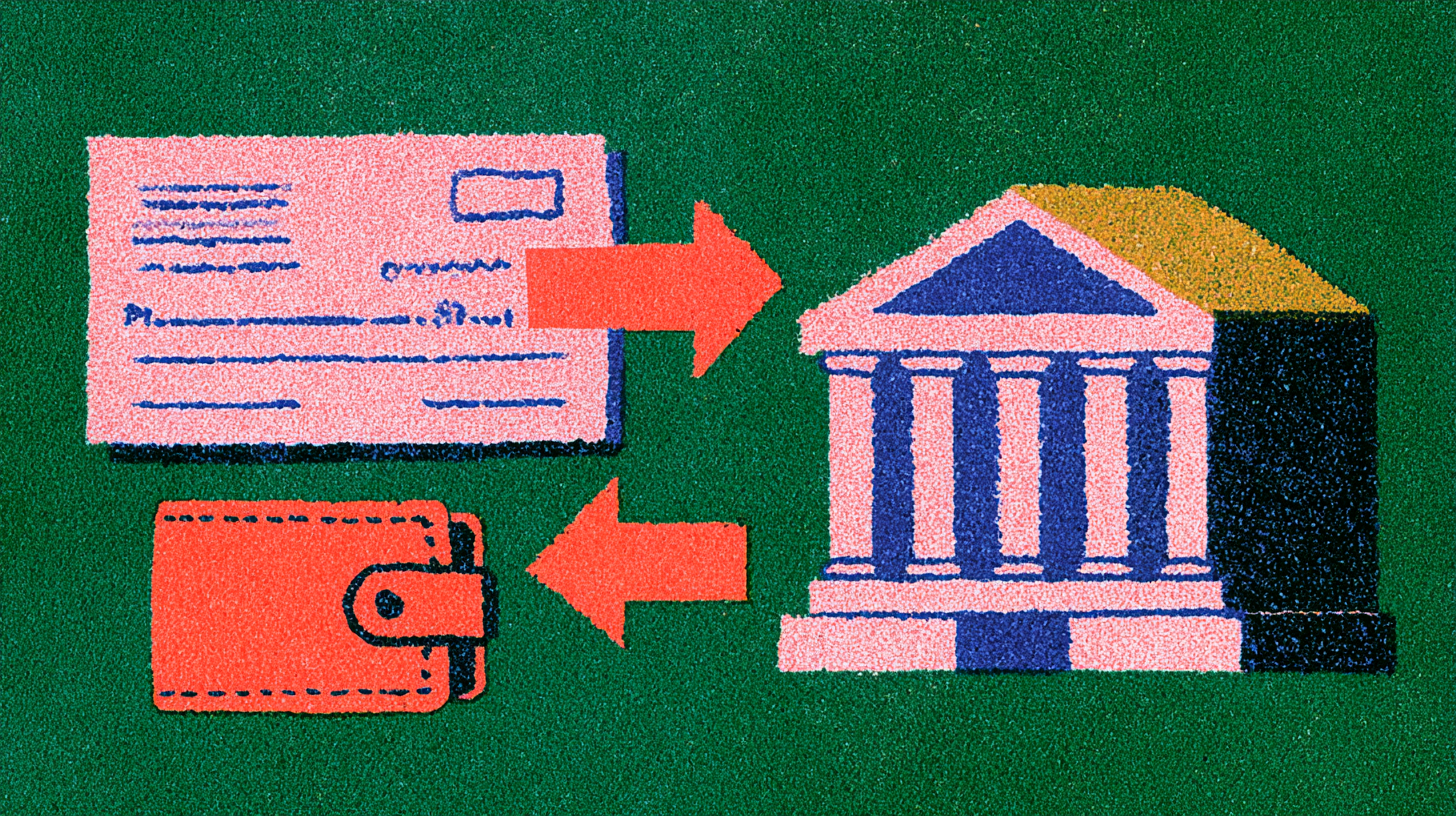
Financial Education
Direct deposit vs wire transfer: comparison guide for U.S. immigrants
8 min de lectura
Direct deposit vs wire transfer: comparison guide for U.S. immigrants
These payment methods are both available in the U.S. but they are often used for different purposes. Direct deposit is commonly used for paychecks, tax refunds, and government benefits, while wire transfers are more often used for urgent or high-value transfers between financial institutions.
Understanding the difference between direct deposit and wire transfers can help you avoid unnecessary fees, choose the right payment method for your situation, and manage your money more confidently.
What's the difference between direct deposit and wire transfer?
The biggest difference is the purpose they serve. Direct deposit is commonly used for recurring payments such as salaries, benefits, and tax refunds. Wire transfers are commonly used to move money quickly between financial institutions, particularly for large or time-sensitive transactions.
| Feature | Direct deposit | Wire transfer |
|---|---|---|
| Common use | Paychecks, benefits, tax refunds | Large or urgent transfers |
| Network used | ACH network | Wire transfer network |
| Speed | Typically 1–3 business days | Often same day or next business day |
| Typical cost | Often no fee to receive | Fees may apply |
| International transfers | Limited | Commonly used |
| Recurring payments | Yes | Less common |
| Setup required | Routing + account number | Bank details + recipient information |
How direct deposit works
Direct deposit is one of the most common payment methods in the United States, particularly for employees receiving wages from an employer. Instead of issuing a paper check, an employer sends the payment electronically to the employee's bank account through the ACH network.
To set up direct deposit you need to provide your employer: your bank's routing number and your personal account number.
How wire transfer works
A wire transfer is an electronic transfer of funds between financial institutions through secure financial networks like Fedwire or SWIFT. Unlike direct deposit, wire transfers are better suited for large one-time payments, urgent payments, real estate transactions, or international transfers.
When to use each one
Use direct deposit for:
- Receiving your paycheck
- IRS tax refunds
- Social security or unemployment benefits
- Recurring business payments
Use wire transfer for:
- Real estate payments (down payment, closing)
- Urgent international transfers
- High-value business payments
- When the recipient specifically requires a wire transfer
How to set up direct deposit with Común
With your Común account, you can set up direct deposit by providing your Común routing number and account number to your employer. Your Común account has unique routing and account numbers available in the app. Visit comun.app to learn more.
FAQ
Is direct deposit faster than wire transfer?
Not necessarily. Domestic wire transfers can be faster (same day), while direct deposits usually take 1-3 business days. However, many accounts offer early access to direct deposits up to 2 days early.
How much does it cost to set up direct deposit?
Setting up direct deposit is generally no fee. Employers use the ACH network to send payroll electronically at no charge to the employee.
Común is a financial technology company and not a bank. Banking services are provided by Community Federal Savings Bank, Member FDIC.
Financial Education
What is a certified check and how does it work?
8 min de lectura
What is a certified check and how does it work?
Certified checks are a common form of payment for thousands of immigrants living in the United States, especially for major purchases such as rent payments, buying a car, and legal settlements.
However, it is not always clear why the certification process matters and how it differs from other types of checks.
A certified check is a physical payment order that has been reviewed in advance by a financial institution to ensure there are sufficient funds in the issuer’s bank account. This is the fundamental reason it’s considered a safer form of payment than a personal check.
Below, we explain in detail what a certified check is, how it works, and why it’s important to understand the differences from other types of checks.
What is a certified check?
A certified check is a type of check with guaranteed funds, since the issuing bank has verified the money exists in the checking or personal account.
This makes it a safer form of payment than personal checks, because the bank sets aside the amount to be paid so it can be collected by the payee.
How is a certified check issued?
Issuing a certified check is a straightforward process you can complete directly at the financial institution of your choice.
- The customer requests the check
The account holder must go to a bank and request a certified check, specifying the payee and the amount.
- Customer identification
You must present an official ID to verify that you are the holder of the savings or checking account from which the funds will be drawn.
- The bank freezes the amount in the account
The bank then certifies there are sufficient funds to cover the check and freezes them to ensure the payee can cash it.
- Signature certification
You must sign the check before finishing the process so the bank can confirm the signature matches the one on file.
Affixing the certification stamp
Finally, once the bank has verified the funds and the signature, it places a certification stamp to document completion of the process.
Differences between a certified check and a cashier’s check
A cashier’s check is another way to make secure payments using a physical instrument. In this case, the bank branch issues the check after receiving the customer’s payment, so the funds come from the bank itself.
Below is a comparison between a cashier’s check and a certified check.
Cashier’s check
Certified check
Security
High; the bank verifies sufficient funds and places a hold for the payee.
Very high; the check is backed by the bank and does not depend on the issuer’s account.
Cost
At some banks they have no cost at others up to approximately $15.
Depends on the bank; typically $10–$20.
Issuance time
At the branch, after funds are verified.
Immediate.
When is a certified check typically required?
A certified check is commonly used for significant transactions or large amounts. This gives the recipient assurance that funds are available.
- Paying an apartment security deposit.
When finalizing a lease or purchasing an apartment, the landlord or agent may request payment via certified check to guarantee funds.
- Buying a used car.
Whether dealing directly with owners or dealerships, a certified check can be a suitable option because of the security it provides.
- Closing an important contract or legal settlement.
For example, to pay fees, settlements, or indemnities, certified checks provide security for both parties.
- For tuition or school fees.
Some educational institutions accept certified checks as a form of payment, especially for international or first-time payments.
Do you know what to do if a check is stolen or lost? We explain it here!
Practical tips for using certified checks safely
While certified checks are among the safest payment methods due to the bank’s verification process, there are still fraud attempts using forged documents.
With this in mind, keep these tips in mind to avoid becoming a victim of check fraud.
How to know if a check has funds and avoid scams
- Verify with the issuing bank.
Call the bank directly and provide the check number, account holder, and amount; ask them to confirm authenticity and that funds are guaranteed. Make sure you call the bank’s official number, not the one printed on the check.
- Be alert if you receive an overpayment check.
A common scam is sending a check for more than the amount due and asking for the difference in cash. Confirm the check’s validity with the bank before proceeding.
- Wait for the check to clear before handing over any goods.
Clearing can take 3–10 days. Make sure the funds have fully settled and are not just on hold.
- Avoid accepting checks from unknown parties.
Whenever possible, accept checks only from people you trust. If you must take a check, follow the security measures above.
Manage your money securely with Común
In this article we explained what a certified check is, how it’s issued, how it differs from cashier’s checks, and how to use this payment method safely.
While certified checks can be a good payment option, a checking account in the U.S. is a much more secure and practical way to manage money.
Meet Común, your financial ally in the United States!
Send, receive, and cash money within and outside the United States. Our platform lets you move your money easily, quickly, and securely. You need a qualifying official ID from your country of origin to get started.
Open your account with Común today and discover a financial platform tailored to you.
Frequently Asked Questions (FAQ)
Where can I get a certified check in the United States?
You can request certified checks at financial institutions such as banks, credit unions, and some digital banks.
How much does it cost to get a certified check at the bank?
The cost depends on the bank but is typically between $10 and $15.
What other types of checks exist in the U.S. besides certified checks?
Other types of checks in the United States include: Money order; Personal check; Cashier’s check.
Living in the United States
Everything You Need to Know About Bank Accounts in the
8 min de lectura
Bank Accounts
Having a bank account is essential for managing your financial life efficiently and offers numerous practical benefits. One of the main advantages is safe money storage. Unlike keeping cash at home, which can be vulnerable to theft, loss, and damage, money kept in a bank account is safe and protected. Additionally, bank accounts provide great convenience for everyday transactions. You can easily pay bills, receive direct deposits, withdraw cash, and make purchases with a debit card linked to your account. Modern banking also lets you manage your finances from virtually anywhere through online and mobile banking platforms.
Types of Bank Accounts: Checking and Savings
In the world of personal finance, understanding the different types of bank accounts is crucial.
- Checking Accounts: Checking accounts, often called personal checking accounts, are designed for everyday transactions like depositing money and debit card purchases. They frequently come with the option of direct deposits and online bill pay. Understanding the differences between checking and savings accounts is essential, especially when considering banking promotions and bonuses that often feature specific offers for opening new checking and savings accounts, including direct deposit requirements and minimum deposits to qualify for cash bonuses.
- Savings Accounts: Savings accounts, including specialized forms like a Barclays savings account, are meant for storing money over a longer period, often with the goal of building an emergency fund. These accounts may offer a higher interest rate and sometimes require a minimum balance. Combining checking and savings accounts can provide a comprehensive banking solution, offering both the flexibility of everyday transactions and the benefit of earning interest on long-term savings, which is particularly advantageous when banks offer promotions and bonuses for these accounts.
- Money Market and CD (Certificate of Deposit) Accounts: Generally offer higher annual percentage yields than regular savings accounts, locking in funds for a specified period to achieve better returns.
Understanding these options helps align banking services with your financial goals, whether you're considering opening a business checking account or a joint savings account at the same bank or credit union.
Opening Your First New Bank Account
To open an account, particularly a new online bank account, start by choosing the right financial institution — it could be an online-only bank, a traditional bank, or a credit union, depending on your financial needs and preferences. Consider factors like accessibility, customer service, fee structures, and the availability of online and mobile banking features when selecting where to open your account.
The process generally involves making an initial deposit, which can vary but is often a minimum opening deposit. Meeting the minimum deposit is crucial to qualify for account bonuses. Some institutions may require only a few dollars, while others may ask for a larger amount, especially for premium or specialized accounts. During the account-opening phase, you'll need to provide personal information like a Social Security Number or an Individual Taxpayer Identification Number, and a government-issued ID, like a passport or driver's license. This information helps the bank ensure compliance with regulatory requirements, including those related to money laundering.
Many banks offer bank account bonuses or a checking account bonus to new checking account customers, which can be an attractive incentive. Opening a personal checking account in America comes with specific bonuses and rewards, including cash bonuses for meeting certain requirements like a qualifying direct deposit. To qualify for these bonuses, customers often need to meet criteria like a minimum deposit within a certain timeframe and maintaining that balance for a specific period. For example, some financial institutions offer cash bonuses for setting up a qualifying direct deposit. This incentive often requires you to receive a regular payment, like a salary or a government benefit, directly into your new account within a certain period of opening the account. Be sure to understand the terms and conditions associated with these bonuses, like minimum balance requirements and the duration of direct deposits.
Additionally, ask about any potential fees associated with the account, like monthly maintenance fees, ATM usage fees, and overdraft charges. Sometimes, banks offer fee waivers under certain conditions, like maintaining a minimum balance or even by enrolling in direct deposit. It's also worth asking about the bank's overdraft policies. Some banks offer overdraft protection programs, which can keep you from incurring fees if you accidentally overdraw your account. This service can be a lifesaver for new account holders unfamiliar with managing their balance, but it typically comes at an additional cost.
Finally, consider the bank's customer service and support options. Reliable customer support can be invaluable, especially if you run into issues with your account or need guidance on using banking services. By carefully considering these aspects, you can ensure your first banking experience is positive and financially beneficial. Remember, the right bank for someone else might not be the right bank for you, so choose based on your specific circumstances and financial needs.
Común Is a Great Choice for Your Banking Needs in the USA
If you're looking for a reliable, modern banking solution in the United States, Común is the perfect choice for you. Común is a digital bank designed for everyone, especially the immigrant community, offering a hassle-free banking experience, no hidden charges, and Spanish-language tools that make managing your finances easier. With Común, you can open an account in minutes from your phone, get your complimentary debit card, and start enjoying benefits like no-cost transfers, direct deposits, and access to more than 55,000 fee-free ATMs nationwide. Plus, Común cares about your security, implementing advanced measures to protect your money and your data. Don't wait any longer — join the Común community for a banking experience that understands and supports your unique needs.
Open your checking account¹ in 3 minutes with your country's ID²
More Information About Bank Accounts in the United States
We explain your account number
Best practices for managing your account
Effective Account Management
Effectively managing bank accounts goes beyond simply monitoring balances — it involves a comprehensive approach to financial administration. This means understanding and reducing account fees, which can include monthly maintenance, ATM usage, and overdraft charges. One way to minimize these fees is by meeting minimum balance requirements or enrolling in direct deposit, since many banks offer fee waivers under these conditions.
Using online and mobile banking tools is essential for efficient financial management. These platforms allow real-time transaction monitoring, immediate fund transfers, and quick access to statements and banking documents, which can help with budgeting and tax preparation. Setting up automatic bill payments is another crucial feature, ensuring all payments are made on time, avoiding late fees and service interruptions.
For those managing multiple accounts, like a business checking account and a personal checking account, linking these accounts can simplify money management. It allows easier transfers between accounts and a consolidated view of finances, which is particularly beneficial for small business owners who need to keep personal and business expenses separate. Additionally, having multiple bank accounts can offer significant benefits, like separating funds for different purposes — such as everyday expenses, savings, and investments — and meeting individual or joint financial needs, including for international travel or business purposes.
Additionally, mobile banking has revolutionized access to financial services, letting users complete a variety of banking tasks from their devices, like checking balances, depositing checks remotely, and withdrawing cash from ATMs without a physical card. This convenience, however, needs to be balanced with diligent security practices to protect financial data.
Security and Protection
Account security is critical for protecting financial assets from potential threats like fraud and identity theft. Banks, whether online or traditional, implement robust security measures, including encryption, Secure Sockets Layer (SSL) certificates, and continuous monitoring for suspicious activity. However, responsibility also falls on the account holder to improve their personal security.
Enabling two-factor authentication adds an extra layer of security, significantly reducing the risk of unauthorized access. Using strong, complex passwords and changing them regularly are fundamental practices for securing online banking portals. Account holders should also be alert to phishing scams — fraudulent attempts to obtain sensitive information. Recognizing suspicious emails, links, or phone calls requesting personal banking information is crucial.
Regularly monitoring account activity is another proactive security measure. Many banks offer customizable alerts that immediately notify the account holder of unusual or large transactions, allowing quick action against unauthorized access. It's also advisable to frequently review transaction history to identify any irregularities that might indicate fraudulent activity. Additionally, understanding the latest banking security technologies and using all available tools provided by financial institutions can significantly improve the security of banking operations. These tools include biometric verifications, like fingerprint and facial recognition, which offer a higher level of security than traditional passwords.
By incorporating these advanced management and security practices, people can significantly improve both the efficiency and security of their banking experience, ensuring their financial assets are managed wisely and protected against potential threats.
Conclusion
Navigating the complexities of bank accounts — from choosing the right type to managing and securing them — can significantly impact your financial well-being. Understanding the various account types available, from personal and business checking accounts to savings and CD accounts, lets you make informed decisions that align with your financial goals. Opening your first account is a crucial step that lays the groundwork for building a robust financial future. By selecting the right financial institution, understanding fee structures, and taking advantage of incentives like account bonuses, you position yourself to maximize the benefits of banking.
Effective account management and vigilant security measures are essential to getting the most out of your banking experience. Using online and mobile banking tools not only provides convenience, but also lets you keep close oversight of your financial activities, ensuring your money works for you as efficiently as possible. Additionally, the importance of security can't be overstated — protecting your financial information from fraud and theft is paramount in today's digital age.
Ultimately, carefully managing and protecting your bank accounts is crucial to maintaining financial health and reaching your monetary goals. By adopting the practices outlined in this guide, you can confidently navigate the banking landscape, making informed decisions that strengthen your personal and business finances. Whether you're opening your first account or optimizing existing ones, remember that every step you take is a building block toward greater financial security and freedom.





Thousands of immigrants are already achieving more with their money. You can too.
Comun is a financial technology company and not a bank. Banking services are provided by Community Federal Savings Bank; Member FDIC. The Comun Visa® Debit Card is issued by Community Federal Savings Bank, pursuant to a license from Visa U.S.A Inc. and may be used everywhere Visa Cards are accepted.
Comun is a fintech company and not a bank or licensed money transmitter.
* Results may vary. For a complete list of eligible IDs and application requirements, follow this link.
^ No minimums, no maintenance fees. ATM or transfer fees may apply. See app for fee details.
‡ Direct deposit funds are typically available when we receive the payment file, up to two days before the scheduled payment date. This early availability is not guaranteed.
** A service provided by Service UniTeller, Inc. Service UniTeller, Inc. is licensed in all states that require a license. Remittance fees start at $2.99 but may vary. Please check the app for more details. Comun Inc. may earn revenue from the conversion of foreign currencies.
† Funds in your account are FDIC insured up to $250,000 by ownership category through Community Federal Savings Bank (CFSB), Member FDIC, in the event CFSB fails.