Living in the United States
Halloween and Día de Muertos: A Guide for Latino Families in the U.S.
A guide to understanding Halloween and Día de Muertos and celebrating both with your family.
8 min read

14 Oct 2026

Halloween and Día de Muertos fall on consecutive dates, October 31 through November 2, but they come from completely different traditions. Halloween has Celtic origins and is widely celebrated in the United States with costumes, trick-or-treating, candy, and spooky decorations. Día de Muertos is a celebration in Mexico that honors relatives who have passed, centered on ofrendas, favorite foods, and marigold flowers.
Because the two celebrations happen at nearly the same time, it's easy to wonder how they relate to each other. One focuses on costumes and neighborhood traditions, while the other is a time to remember loved ones who have passed. Many Latino families in the United States celebrate both, each with its own meaning. Understanding what makes each tradition unique can help preserve their significance while enjoying both.
What is Día de Muertos and where does it come from?
Día de Muertos is a Mexican tradition that honors the memory of relatives and loved ones who have died, observed on November 1 and 2. Its roots go back to pre-Hispanic cultures in Mesoamerica, including the Mexica, Maya, and Purépecha peoples, who saw death as a continuation of life rather than an ending. Over centuries, these Indigenous practices blended with Catholic traditions brought by Spanish colonizers, creating the celebration recognized today.
Families build ofrendas at home or at gravesites, placing photos, favorite dishes, candles, and marigolds to welcome the spirits back for a visit. UNESCO inscribed the celebration on its Representative List of the Intangible Cultural Heritage of Humanity in 2008, after originally proclaiming it in 2003. The holiday is about celebrating the lives of the people who have passed. Families gather, tell stories, prepare their favorite dishes, play their favorite music, and build ofrendas.
Some regions in Mexico celebrate slightly differently. In Michoacán, families spend the night at the cemetery with candles and food. In Oaxaca, comparsas (costumed parades) fill the streets. However, the heart of the celebration is honoring those who have passed by celebrating their lives.
What is Halloween and how is it celebrated in the U.S.?
Halloween is a tradition celebrated widely in the United States on October 31, a day when people wear costumes, children go trick-or-treating, families and friends carve pumpkins, and decorate their homes with haunted house decorations. It has roots in ancient Celtic festivals and later Christian observances, but in its modern form it is mostly a secular, community-based holiday for children and neighborhoods.
Halloween is widely celebrated across the United States, but it is not a federal public holiday, so schools and most workplaces stay open. Kids often dress up for school during the day and go trick-or-treating door to door in the evening. Neighborhoods decorate their yards with pumpkins, cobwebs, and lights weeks in advance.
For many Latino families in the United States, Halloween is one of the first traditions children experience at school and in their neighborhoods. Costume parades, classroom activities, and trick-or-treating are common parts of the celebration.
Halloween vs. Día de Muertos: key differences
Halloween and Día de Muertos take place within days of each other, which can make them easy to confuse. While both are widely celebrated during fall, they have different histories, traditions, and meanings. Being familiar with those differences can help you understand each better and celebrate accordingly.
- Purpose:
Halloween is playful and focuses on costumes and candy. Día de Muertos is a remembrance of loved ones who have passed. - Origin:
Halloween developed from Celtic and Christian traditions in Europe and later took its modern form in the U.S. On the other hand, Día de Muertos comes from Indigenous Mesoamerican beliefs blended with Catholic practice. - Symbols:
Halloween decorations include pumpkins, ghosts, and skeletons as spooky themes. Día de Muertos centers on marigolds, candles, pan de muerto and offerings with specific meanings. - Mood:
Halloween aims to scare or entertain. Día de Muertos aims to honor and reconnect, often with warmth rather than fear. - Status in the U.S.:
Halloween is a widely observed cultural tradition, not an official public holiday. Día de Muertos is increasingly recognized in U.S. cities with large Latino populations, through parades, museum exhibits, and school programs, though it is not a national holiday either.
Although the celebrations take place during the same time of year, each has its own history and purpose. Many families choose to celebrate both while preserving and embracing the traditions and cultural meaning of each one.
How to celebrate Día de Muertos in the United States
Día de Muertos is celebrated in many parts of the United States, especially in communities with a strong Mexican and Latino presence. Cultural centers, museums, schools, and community organizations often host public altars, festivals, parades, and educational events during the days leading up to November 1 and 2. These events offer an opportunity to learn about the tradition and take part in local celebrations.
Many families also observe Día de Muertos at home. The way it is celebrated varies from one household to another, but common traditions include:
- Setting up an ofrenda with photos and personal items of relatives who have passed.
- Preparing a favorite meal or drink of the person being remembered.
- Sharing stories and family memories with children and other relatives.
- Visiting a local Día de Muertos festival, museum exhibit, or community altar.
- Buying traditional foods such as pan de muerto from a nearby Mexican bakery or grocery store during the season.
Because Halloween and Día de Muertos take place within the same week, many families participate in both. Children may go trick-or-treating on October 31 while the family gathers on November 1 or 2 to remember loved ones and continue Día de Muertos traditions.
How to set up a traditional ofrenda
The ofrenda is built to welcome the spirits of deceased loved ones back for a visit. While designs vary by region and family, most ofrendas include the same elements that follow the tradition:
- Photos:
Pictures of the relatives being honored, placed at the center or top level. - Cempasúchil (marigold) flowers:
Their scent and bright color are believed to guide spirits back home. They're the most traditional flower for the occasion. - Pan de muerto:
A sweet bread shaped like bones, representing an offering shared with the departed. - Favorite foods and drinks:
Whatever the honored person enjoyed most in life, from mole to coffee to a favorite tequila. - Candles:
To light the path back for the spirit and represent hope. - Papel picado:
Cut tissue paper banners representing the wind and the connection between life and death. - Sugar skulls (calaveras):
Decorative and symbolic, representing the deceased with color rather than fear. - Salt and water:
Salt to purify the soul on its journey, water to quench its thirst after traveling.
Ofrendas are often arranged on two or three levels, symbolizing heaven, purgatory, and earth. But there is no single correct way to build one. Some families also include religious images, incense or seasonal fruit. However, it is very important to add something that had a special meaning for the person being remembered. That could be personal belongings, clothes, perfumes, but when you don’t have the items accessible, they can still be represented through colors, music or symbolic gestures. What matters is creating a space that reflects the memory of the loved ones being honored.
How to send money home so your family can celebrate Día de Muertos
Preparing for Día de Muertos often means buying flowers, candles, pan de muerto, ingredients for family recipes, and other items used to build an ofrenda. For families celebrating in Mexico or other parts of Latin America, money sent from relatives in the United States can help cover those seasonal expenses and support the holiday preparations.
If you plan to send money for the celebration, it's a good idea to do it before the end of October so your family has enough time to shop before November 1. Común Remittances allows eligible customers to send money from the United States to Mexico and other Latin American countries, with transfer fees starting at $2.99. Transfers typically arrive in less than 10 minutes, and money can be sent through the app without visiting a physical location. Eligible customers may be able to apply for a Común account with a valid passport, matrícula consular card, or more than 100 valid Latin American IDs.
Even from thousands of miles away, you can celebrate Día de Muertos whether it's in the US or by supporting your loved ones back home. Marigolds and pan de muerto make the celebration special but what matters most is honoring those who have passed by celebrating their lives in any way that you might find meaningful.
FAQ
What is the difference between Halloween and Día de Muertos?
Halloween is a tradition widely celebrated in the United States, focused on costumes, candy, and spooky fun, celebrated October 31. Día de Muertos is a Mexican tradition that honors deceased loved ones through ofrendas, food, and flowers, celebrated on November 1 and 2.
Is Día de Muertos celebrated in the United States?
Yes. Cities with large Latino populations hold public festivals, parades, and museum exhibits for Día de Muertos. Many families also celebrate at home with a private ofrenda.
What goes on a Día de Muertos ofrenda?
An ofrenda can include photos of the deceased, marigold flowers, pan de muerto, favorite foods and drinks, candles, papel picado, and sugar skulls. Salt and water are often included to represent purification and rest after the spirit's journey.
What do families in Mexico typically buy to prepare for Día de Muertos?
Marigolds, candles, pan de muerto, ingredients for the meal being offered, and materials for the ofrenda. Many families in the U.S. send money home to help with these costs.
How do I explain Día de Muertos to my U.S.-born children?
Focus on remembrance rather than fear. Share photos and stories about relatives who have passed, and let kids help build the ofrenda so they understand it as a way of keeping memory alive, not something scary.
What flowers are traditional for Día de Muertos?
Cempasúchil, also known as marigold, is the most traditional flower. Its bright color and strong scent are believed to guide spirits to the ofrenda so they can enjoy their favorite meal or drink.
Común is a financial technology company and not a bank. Banking services are provided by Community Federal Savings Bank, Member FDIC. The Común Visa® Debit Card is issued by Community Federal Savings Bank, pursuant to a license from Visa U.S.A. Inc. and may be used everywhere Visa debit cards are accepted.
Remittance service provided by Service UniTeller, Inc. Service UniTeller, Inc. is licensed in all states that require a license.
Remittance fees start at $2.99, but may vary. Please check the app for more details.
Común Inc. may earn revenue from the conversion of foreign currencies.
About Común
Común aims to support the Latino community in the United States. It offers a debit account that can be opened with more than 100 valid Latin American IDs and an app available in Spanish.
Visit Común's website or download the app for free to learn more about the full offer and applicable terms.
Olivia Rhye
Community Partner

.avif)
Immigration
What is SSN? Everything you need to know if you are a resident in the U.S.
8 min de lectura
An SSN (Social Security Number) is a 9-digit number issued by the U.S. government. It is required for working legally, filing taxes, and accessing financial services in the United States. As an immigrant, you may apply for an SSN if you have an eligible visa or Green Card — or use an ITIN as an alternative. If you have newly arrived in the U.S., you likely have questions about how to handle certain procedures. Therefore, we will explain what the SSN is, what it is for, how to apply for it, how much it costs, and what the benefits are of having this identifier.
What is the Social Security Number (SSN)?
The Social Security Number (SSN) is a series of 9 digits issued by the Social Security Administration (SSA, or Administración del Seguro Social in Spanish). It is issued to citizens, permanent residents, and eligible temporary residents, in accordance with their immigration status.
Its main function is to serve as a unique identification number that allows the government to track specific data for each person, such as their income, financial information, and employment history. This makes it possible to determine, in each particular case, eligibility to access Social Security benefits such as retirement, disability, among others.
In addition to facilitating access to these benefits, the Social Security card serves as official identification for employment onboarding, driver’s licenses (in some states), and opening bank accounts.
How to obtain the Social Security Number in the United States?
An important point about the Social Security Number in the U.S. is that there are three different types:
- For citizens born in the United States
- For citizens born abroad
- For non-citizens with lawful resident status
In the case of lawful permanent residents, it is necessary to obtain a Green Card or a visa with valid work authorization issued by the Department of Homeland Security (DHS), such as H-1B or L-1.
The process of obtaining the SSN varies depending on immigration characteristics. If you requested the SSN during your visa processing—through the “Application for Immigrant Visa and Alien Registration” form or the DS-260 electronic format, “Immigrant Visa Electronic Application”—DHS will contact the Social Security Administration directly to carry out the process.
Get your SSN in just 4 steps
If you did not request the SSN during your visa process, the first thing you should do is gather the following documentation:
- A valid passport with the Machine Readable Immigrant Visa (MRIV) or a Permanent Resident Card (Form I-551)
- Birth certificate
Once you have gathered the documentation, follow these steps:
- Download and complete the SS-5 application
- Go to an SSA office
- Present the original documents
- Wait 7 to 14 days to receive the Social Security card by mail
What to do if your SSN card is lost?
If your Social Security card is lost, it is important to take security measures immediately to avoid identity theft, fraud, or misuse of your personal data.
Report the theft or loss of this document to the police and then file a complaint with the Federal Trade Commission (FTC).
Afterwards, go to the Social Security Administration, complete the SS-5 form again, and bring the corresponding documents for replacement of the card.
Avoid carrying the card with you unless necessary and keep it in a safe place. Generally, you do not need to present your physical card but rather the number, which does not change even if you replace the card.
5 benefits of having an SSN
If you are still wondering what the SSN is for, you should know that this document provides multiple benefits of different kinds, such as the following:
1. Employment
For permanent residents, the greatest benefit of the SSN is that it grants work authorization, enables income tracking, as well as the payment of taxes and legal obligations. Presenting this document is an indispensable requirement during formal hiring processes in the United States.
2. Credit
The SSN is also typically required to apply for loans and credit from banks and financial institutions in the United States; in this way you can access assets such as real estate, a car, or other types of services.
3. Banking services
Accessing financial services is essential for immigrant workers in the United States, whether to receive wages or send money to their countries of origin. Generally, the SSN is a requirement to access a bank account and credit and debit cards, among other services.
4. Government benefits
There are other benefits available, such as unemployment insurance in the event of dismissal, and access to retirement and Medicare starting at age 65, for eligible permanent residents.
5. Taxes
The SSN functions as the taxpayer’s personal identification number, which makes it easier to file tax returns and report income and expenses. Another alternative for residents who do not have an SSN is the ITIN, issued by the Internal Revenue Service (IRS), which serves to fulfill tax obligations and grants other benefits.
In short, the Social Security Number—beyond being an administrative procedure—facilitates economic and social integration in the United States because it serves to track income and expenses and facilitates access to basic rights such as work, health, and banking, which are essential for integrating into society.
How much does it cost to get an SSN?
It is important to clarify that the Social Security card process does not involve any cost, whether you do it for the first time or as a replacement due to theft or loss.
Stay alert to potential fraud and avoid making payments to unauthorized third parties. If you have any doubts, go directly to your local Social Security office and report any suspicious activity.
Read more: Don’t miss our guide to investment basics for immigrants
Simplify your financial life upon arriving in the United States with Comun
As you can see, the SSN is highly relevant to establishing a stable life in the United States because it facilitates access to work, health services, and financial products that are essential for carrying out daily tasks such as payments and money transfers.
Comun is a financial platform designed to make life easier for immigrants in the United States by facilitating their integration into the financial system from day one.
- Open your account with an official ID from your country of origin
- Receive a Visa debit card and make purchases easily in physical stores and online
- Access a mobile application and manage your finances from the palm of your hand
- Send remittances to your home country for a fee starting at $2.99 USD, up to the applicable limits
- Forget about hidden fees and complicated processes
- Access support available in Spanish and English
With Comun, discover the most accessible way to manage your finances for everyday life in the United States.
Frequently Asked Questions
If you still have questions, consult our Frequently Asked Questions section.
What should I do if someone uses my SSN without permission?
Report immediately at IdentityTheft.gov and place a fraud alert.
How many times can I replace my SSN card?
Up to 3 times per year and a maximum of 10 times in your lifetime.
Is it mandatory to have an SSN to open an account with Comun?
Comun allows you to open an account with official ID from your country.

Financial Education
How to Use ATMs Safely in the U.S.
8 min de lectura
To use ATMs safely in the U.S.: choose ATMs in well-lit locations and at reputable banks, cover the keypad when entering your PIN, inspect the card reader for unusual devices (skimmers), and use ATMs within your bank's network to avoid fees. Acting with caution can protect you from the most common ATM fraud.
ATMs are an essential financial tool in the United States. However, they are also a frequent target for fraud and theft. Knowing the best safety practices can make the difference between a secure experience and a financial nightmare.
Choose the ATM Carefully
Choosing the right ATM is the first step toward a secure transaction. Prioritize ATMs located inside banks or large supermarkets, in well-lit areas, and with visible cameras. Avoid ATMs in isolated or poorly lit areas, or those that appear to be in bad condition. ATMs from recognized networks such as Allpoint, MoneyPass, or your own bank offer greater security and generally no additional fees. Común gives you access to more than 55,000 fee-free ATMs in the U.S. through the Allpoint network.
Visual Inspection: Spot Skimmers
Skimming is one of the most common forms of ATM fraud. Skimmers are illegal devices placed over the card reader to copy your card information. Before inserting your card: gently pull on the card reader — if it moves or seems loose, do not use that ATM. Check that the keypad is not raised or has unusual components. Look for small cameras or strange objects near the keypad. If anything looks out of the ordinary, use another ATM and report the suspicious one to the bank.
Always Protect Your PIN
Your PIN is the key to your account. When entering it: cover the keypad with your free hand even if no one is nearby — there may be hidden cameras. Never share your PIN with anyone, including bank employees. Memorize it and do not keep it written down near your card. If you forget your PIN, call the bank; never use the first number that comes to mind because you could lock your card. Change your PIN periodically, especially if you suspect it has been compromised.
During the Transaction
While using the ATM: keep your distance from strangers — no one needs to be close to you while you are completing your transaction. Do not accept help from strangers, even if they seem friendly. Know the amount you need to withdraw before you arrive at the ATM. Put away your cash and card before walking away. Make sure the ATM returns your card before you leave. If the ATM "swallows" your card, contact the bank immediately (there is a number on the ATM or on your card).
How to Avoid ATM Fees
ATM fees can add up quickly. To avoid them: use ATMs within your bank's or financial institution's network. Común offers access to the Allpoint network with more than 55,000 free ATMs in the U.S. If you use an out-of-network ATM, expect to pay between $2.50 and $5 per transaction, plus whatever your bank charges. Plan your withdrawals — taking out a larger amount less often reduces the number of fees. Consider paying with a debit card at stores that offer fee-free cash back.
What to Do If You Have an ATM Problem
If the ATM does not give you the money but deducted it from your account: keep the receipt or take a photo of the screen. Contact your bank immediately (the number is on your card). The bank will investigate and generally resolves the issue within 10 business days. If your card is retained by the ATM: do not leave until bank assistance arrives (they have rapid-response technicians). If you must leave, call the bank immediately to report it and block your card.
Frequently Asked Questions About Safe ATM Use
How do I know if an ATM has a skimmer installed?
Skimmers usually protrude slightly from the original card reader, have a different color or texture, or move when pressed. On the keypad, look for an extra layer placed over the original keypad. They may also install small cameras disguised as decorations. If you have doubts, do not use that ATM and report it by calling the number on the ATM.
Is it safe to use ATMs at night?
It depends on the location. An ATM inside a 24-hour store or in a well-lit bank lobby is safe at night. Avoid outdoor ATMs in isolated areas or on lightly traveled streets at night. If you urgently need cash at night, prefer 24-hour stores that offer cash back when you pay with debit.
What should I do if I am robbed while using the ATM?
Your safety comes first: do not resist and hand over the cash if you are threatened. As soon as you are safe: call 911, contact your bank to block the card immediately, and file a police report. With the police report, you can start a dispute process with your bank to recover stolen funds in some cases.
Do I have a daily ATM withdrawal limit?
Yes, all banks have daily ATM withdrawal limits. The standard limit at most banks in the U.S. is $300 to $1,000 per day. Común has set limits that you can check in the app. If you need to withdraw more, you can do so at multiple ATMs or contact the bank to request a temporary limit increase.
Can I use my Latin American debit card at ATMs in the U.S.?
Yes, if it has the Visa, Mastercard, or Maestro logo, it will work at most ATMs in the U.S. However, the fees can be high: international fee from the issuing bank (1-3%), U.S. ATM fee ($3-$5), and a currency conversion rate. For regular use in the U.S., it is more convenient to open a local account like Común to eliminate these costs.
Financial Education
Emergency Fund: Guide to Build It and Save in the U.S.
8 min de lectura
How to create an emergency fund and save in the U.S., step by step
If you’re new to the United States or facing financial challenges, it’s very important to have strategies to prepare for any eventuality.
An emergency fund is an excellent way to do this, and it also builds your financial literacy. It’s a cash reserve meant to cover unexpected expenses such as illness, job loss, home repairs, etc.
Having this cushion gives you peace of mind and removes uncertainty about the future, since it provides the liquidity you need to handle the unexpected.
You might think you need to earn a lot to build an emergency fund. Below, we’ll show that even with limited resources, you can start securing a future without financial complications.
What is an emergency fund and why is it key to your financial peace of mind?
Surely at some point during your time in the U.S., you’ve faced financial emergencies that made it hard to cover daily expenses—traffic fines, immigration procedures, illnesses, unemployment, repairs, etc.
An emergency fund is meant to support your finances precisely when those events occur. It’s savings set aside to handle all kinds of unforeseen expenses.
Beyond a stash of money, think of the emergency fund as a way to maintain peace of mind and reduce stress; it helps you preserve financial stability and avoid going into debt.
How much should you save in your emergency fund?
Knowing how to size an emergency fund is the first dilemma for many who aren’t used to long-term saving. While the ideal target is 3–6 months of basic expenses, if your income is limited you can start with small savings goals.
Below is a comparison of how your emergency fund would grow assuming expenses equal to 50% of total monthly income.
Monthly income
Approx. monthly expenses
3-month savings target
6-month savings target
$1,500
$750
$2,250
$4,500
$2,500
$1,250
$3,750
$7,500
$3,500
$1,750
$5,250
$10,500
Where should you keep your emergency fund so it’s safe and accessible?
It’s very important to choose a safe, easy-access place for your emergency fund and keep it separate from the money you use for daily expenses.
Today there’s a wide variety of savings accounts, both from traditional financial institutions and online platforms.
Whatever you choose, the following options are not recommended for storing your emergency fund.
- Cash at home
Whether under the mattress or in a piggy bank, keeping your emergency fund in cash is not a good idea for several reasons. First, there’s the risk of theft or loss. Also, the cash earns no interest and loses value to inflation. Another drawback is low accessibility if you need to cover expenses digitally.
While it’s true that opening a checking account can be challenging for immigrants in the U.S., there are accessible options so you don’t have to keep the emergency fund in cash.
- In high-risk investments
Although investments have advantages, high-risk ones involve sharp fluctuations that could cause losses. They also often require locking funds for a long period.
Simple strategies to build your emergency fund
If you’re new to personal finance, the first thing to know is that an emergency fund isn’t just for high earners. The key is to examine your lifestyle and spend according to a savings plan.
Step 1. Calculate your basic monthly expenses
The first step is to list all your fixed monthly expenses and the amount for each.
Example:
- Rent: $1,300
- Transportation (public or private): $100
- Tuition: $200
- Subscriptions: $50
Then list your variable expenses and calculate a budget. To be more accurate, track all your spending by category.
Example:
- Food: $300
- Leisure: $200
Finally, total your monthly spending. In the example above, monthly expenses add up to $2,100.
Step 2. Set your first goal
At first, reaching 3–6 months of expenses can sound impossible. You don’t have to give up what you enjoy—start with a small amount each month and increase gradually.
Your first savings target depends on your income, your expenses, and the resulting capacity to save.
Step 3. Adjust your budget and allocate a fixed percentage to savings
After doing the math, add “savings” as a fixed expense so you set that money aside every month.
Step 4. Automate with scheduled transfers
Ideally, open a new account so your emergency fund doesn’t mix with daily-use money.
An easy way to fund it is with automatic transfers so you don’t have to remember to move money each time.
Step 5. Review and raise your goal until you reach 3–6 months of expenses.
After a few months of hitting a small goal, reassess your budget and consider increasing your savings as you’re able.
Organize and protect your money with Común
As you can see, an emergency fund provides financial security for unexpected events. It’s also easy to start with small goals and increase gradually until you reach financial peace of mind.
The next step is choosing a safe place to keep your emergency fund secure.
Meet Común, the financial platform dedicated to making life easier for immigrants in the United States!
- Open your checking account at Común with a qualifying official ID from your country of origin.
- Send money to your family with clear, competitive fees.
Común is a financial platform designed to support your first steps toward financial stability in the U.S.
Open your account with Común today and start your emergency fund with a financial ally that truly understands you.
Frequently Asked Questions (FAQ)
If you still have questions, check this section.
Is it better to save for the emergency fund or pay debts first?
Having debts doesn’t prevent you from starting an emergency fund. Just include debt payments among your fixed monthly expenses and set your savings goal accordingly.
What happens if I use the fund and end up with no savings?
If you use your emergency fund for unexpected expenses, that’s fine—that’s its purpose. If you run it down, don’t worry; just start again based on your budget.
When should I use my emergency fund?
Your emergency fund is intended to cover unexpected events like medical bills, appliance breakdowns, layoffs, etc. When that happens, use it—and keep saving afterward.
International Money Transfers
How much does it cost to send money to Guatemala from the United States? A 2026 guide
8 min de lectura
The total cost may depend on three main factors: the transfer fee, the exchange rate used to convert USD to Guatemalan quetzales (GTQ), and any charges applied when the recipient receives the money. The total cost can vary from one transfer to another, depending on the provider and delivery method.
For many Guatemalans living in the United States, sending money back home is important. Some people support their families by covering everyday expenses or helping during emergencies. According to the World Bank, Guatemala is the second-largest recipient of remittances in the Latin America and Caribbean region, after Mexico. Remittances play a vital role in supporting rural communities in Guatemala, which receive over half of total flows.
Today, there are many ways to send money to Guatemala from the United States, including banks, cash pickup services, and apps and digital platforms. Comparing costs, delivery times, and exchange rates before sending can help your family receive more money overall.
How much money can you send to Guatemala?
The amount you can send to Guatemala may depend on the provider you choose, your account verification level, and the payment method used for the transfer.
In general, there is no single universal limit imposed on personal remittances from the United States. However, money transfer companies and financial institutions usually apply their own transfer limits as part of fraud prevention and regulatory compliance requirements.
For example:
- Some providers may limit new accounts to smaller daily or monthly transfers.
- Verified users may qualify for higher transfer limits.
- Cash-based transfers sometimes have different limits than bank transfers.
- Certain services may request additional identification for larger transactions.
Before sending money, it is recommended to review the provider’s limits, accepted identification documents, and delivery methods available in Guatemala.
What determines the real cost of sending money to Guatemala?
The real cost of sending money to Guatemala may depend on three main factors:
Transfer fee
The transfer fee is the amount charged to process the remittance.
Some services use a flat fee structure, while others may adjust the pricing depending on the amount sent, payment method, or delivery speed. Some service providers may also offer promotional pricing for first-time transfers.
Although low fees can help reduce costs, they may not always represent the lowest total transfer cost once exchange rates and other charges are considered.
Exchange rate spread (USD to GTQ)
Another important factor is the exchange rate used to convert U.S. dollars into Guatemalan quetzales.
Some providers may apply a margin (also known as a spread) on top of the market exchange rate. Even small differences in the USD to GTQ conversion rate can affect how many quetzales your family receives, especially on larger transfers.
Comparing the final amount received in GTQ may provide a more accurate picture of the total transfer cost.
Recipient charges or withdrawal costs
In some cases, the recipient may face additional costs when receiving the money. These depend on the provider and delivery method.
There could be charges related to ATM withdrawals, cash pickup locations, bank processing, or currency conversion. These costs may vary depending on the institution or pickup network used in Guatemala.
What is the best way to send money to Guatemala from the United States?
The best way depends on your context and priorities. Today, there are many ways to send money to Guatemala from the United States, with different service providers offering features such as faster delivery times, multiple delivery methods, or lower overall transfer costs depending on the type of transaction.
Traditional banks
Some people choose to send money through traditional bank wire transfers. This option is available for people who already use a U.S. bank account.
However, international bank transfers can sometimes involve higher fees, slower processing times, special considerations such as banks in the U.S. generally being closed for federal holidays or additional requirements such as SWIFT codes and recipient banking information.
Cash transfer agencies
Cash pickup services continue to play an important role for many families in Guatemala, especially for recipients who primarily manage their finances in cash or who may not have easy access to traditional banking services.
Companies such as Western Union, MoneyGram, and Ria Money Transfer can offer extensive pickup networks across Guatemala through local banks, convenience stores, supermarkets, and remittance partners.
This option can be convenient for recipients who prefer immediate access to cash, although some traditional cash transfer services may involve higher fees or exchange rates that are less favorable compared to other options.
Digital apps and platforms
Another option is using apps and digital platforms specialized in international transfers.
Services such as Común, Félix Pago, Ria Money Transfer, and MoneyGram offer options to send money directly from your phone, either through an app or even WhatsApp. These services often include multiple delivery options available in Guatemala.
While some of these service providers focus mainly on remittances, others may also include features such as debit cards, mobile banking access, or account management tools. For example, Común (https://www.comun.app) offers a debit card that accepts more than 100 Latin American IDs for account verification, it also offers the option to send money on the app or using WhatsApp, and offers cash pickup options in Guatemala.
Comparing services for sending money to Guatemala
There are services available for sending money to Guatemala, but the fees, exchange rates, transfer speeds, and delivery methods can vary depending on the provider and transfer type. This table was created to provide a visual aid for comparing 5 popular remittance service providers in the United States to Guatemala.
| Service | Payment Options | Fee | Delivery Options | Exchange Rate | Speed |
|---|---|---|---|---|---|
| Común | Bank account, debit card, cash | Starting at 2.99 USD | Bank account or cash pickup | Competitive | Minutes to hours |
| Western Union | Bank account, card, cash | Varies depending on amount and method | Cash pickup, bank deposit, wallet | Varies with applicable spread | Minutes to days |
| Ria Money Transfer | Bank account, debit card, credit card, cash | Starting at $0.99; can be free for bank transfers up to $15,000 | Cash pickup, bank deposit, wallet | Varies with applicable spread | Minutes to days |
| MoneyGram | Bank account, debit card, credit card, cash | Varies depending on amount and delivery method | Cash pickup, bank deposit, wallet | Varies with applicable spread | Minutes to hours |
| Félix Pago | WhatsApp, debit card, cash | $2.99 USD for bank account transfers and $4.98 USD for cash pickup transfers | Bank account and cash pickup | Competitive | Instant to days |
The total amount received in GTQ is subject to change throughout the day due to exchange rate fluctuations, provider fees, and delivery methods.
To compare real-time transfer costs and exchange rates, you can use tools such as Común Compara (https://www.comun.app/compara) designed to help you have more clarity on remittance costs. If applicable, you may see a "Primer envío" toggle that reflects promotional pricing for eligible first transfers.
How does the recipient receive money in Guatemala?
It depends on the provider selected, as recipients in Guatemala can receive money through different delivery methods.
Bank deposit
Some service providers offer direct deposits into Guatemalan bank accounts in quetzales. The delivery speed can vary depending on the receiving bank and transfer verification process.
Cash pickup
Depending on the provider and the recipient's location, they can collect money from local banks, remittance agencies, supermarkets, or retail stores.
To receive the money, recipients often require a valid identification document and the transfer reference number.
Delivery times
Transfer times can vary depending on the provider, payment method, verification requirements, holidays, and delivery option selected.
Some digital transfers can arrive within minutes, while bank transfers or certain cash pickup options could take longer.
How can I send money to Guatemala with Común?
With Común, people can send money to Guatemala directly from the mobile app. To send money, you can follow the steps:
- Open your Común mobile app.
- Select "Send a Remittance."
- Choose or register the recipient.
- Enter the recipient's information, including bank details if needed.
- After registering the recipient, enter the amount you want to send.
- Review the exchange rate, transfer fee, and delivery method.
- Confirm the transaction.
- You can check the transfer status in your Común mobile app by clicking on the transaction.
Transfer fees start at 2.99 USD per transaction, up to applicable limits.
Why choose Común to send money to Guatemala?
Común’s vision is to become the leading financial platform for immigrants in the U.S. Therefore, it can include elements that are helpful for people sending money to Guatemala from the United States.
Some of the services include:
- Acceptance of more than 100 Latin American IDs for verification.
- Spanish-language app experience.
- Ability to send money directly from the app or WhatsApp.
- Multiple delivery methods available in Guatemala.
As with any financial service, transfer costs, delivery speeds, and availability may vary depending on the transaction details. You can learn more about Común on our website (https://www.comun.app/about-us) or in the app (https://www.comun.app/).
FAQ
How much does it cost to send money to Guatemala?
The total cost may depend on the provider, transfer fee, exchange rate, delivery method, and whether the recipient faces additional charges.
How long does it take for money to arrive in Guatemala?
Transfer times can vary depending on the provider and delivery method selected. Some digital transfers may arrive within minutes, while others could take several business days.
What is the best app to send money to Guatemala?
The best app may depend on what matters most to you, whether that's lower fees, exchange rates, delivery speed, or cash pickup availability.
Do I need an SSN to send money to Guatemala?
Some providers may require an SSN, while others may also accept an ITIN or alternative identification documents depending on their verification policies. It is important to check each service provider’s verification requirements.
How much money can you send to Guatemala from the United States?
Transfer limits may vary depending on the provider, payment method, and verification level.
Where can my family receive money in Guatemala?
Depending on the provider, recipients may receive money through bank deposits, cash pickup locations, mobile wallets, or other delivery methods available in Guatemala.

International Money Transfers
How can I receive money from the United States? 3 reliable and fast methods
8 min de lectura
Knowing how to receive money from the United States is essential, as remittances have become a key part of the economy for thousands of immigrant households. According to estimates, by 2030, migrant workers will send a total of $5 billion to their country of origin.
The growing need to send and receive money from abroad has encouraged the creation of new methods specifically designed for countries like Latin America. Below, we present the fastest, easiest, and safest options for receiving your money without complications.
You will learn everything about receiving money from the United States and Latin America: key aspects such as costs and security, requirements to open an account, and different applications for sending money from the United States. By the end of this article, you will know exactly which option is best suited to your needs.
5 Key Aspects to Consider When Receiving Money from the United States
Thanks to technological advances and financial openness, sending and receiving money through digital means is increasingly simple and accessible.
However, immigrant families still face various obstacles, such as high transfer fees, bank-imposed restrictions, and weak security measures.
Undoubtedly, this is not a decision to be taken lightly. Before accepting the terms and conditions of any provider, pay attention to the following key aspects:
Transfer Speed
Access to cash quickly is a fundamental need for users receiving money from the United States. The reception time varies depending on the sender and other important factors:
- Type of bank: If the transaction is carried out through a traditional bank, it may take up to 5 business days. It is therefore advisable to opt for a company specialized in international transfers.
- Holidays or non-business days: These can also affect the speed of money reception.
- Receiving bank conditions: Each financial institution sets its own rules for receiving remittances, so it is advisable to consult your bank's specific conditions.
Cost/Fees
A fundamental aspect to consider when receiving money from the United States is the fees, which can exceed 10% of the total amount and significantly reduce household support.
Consider an option that offers affordable costs and a favorable exchange rate.
Security and Reliability
The theft of personal data, commonly known as phishing, is the primary risk in international money transfers. To avoid becoming a victim of such fraud, make sure to use a reliable service through an official website or mobile app. Additionally, do not share passwords or sensitive information with third parties.
Ease of Use
According to the study Remittances to Latin America and the Caribbean 2024, 60% of migrant workers in the United States send money to their mothers. It is important to choose a provider that understands your needs and offers reliable, secure, and easy-to-use platforms.
Receiving Options
If for any reason you cannot receive money through bank transfers, look for an option that offers cash pickup locations near you, such as Oxxo or Walmart.
What Do You Need to Receive Money from the United States?
Regardless of the bank you choose the requirements for receiving money can be summarized as your basic personal information:
- Full name of the beneficiary
- Account number
- Name and address of the receiving bank
- SWIFT/BIC code of the receiving bank
- Address of the beneficiary
- Name of the intermediary bank
The requested data may vary depending on the receiving country, so you may be asked for more or less information. Remember, no reputable institution will ask for passwords or access information to complete transfers or send money.
3 Methods to Receive Money from the United States Without Complications
If you need to send and receive money from the United States to Mexico, you can choose from the following options:
1. Receiving Money into Your Account
This is a simple way to receive money from the United States, as it allows you to do so from the comfort of your home via a mobile application.
In the case of Mexico, most traditional banks tend to receive transfers from the United States under their own terms and conditions. This means that fees and exchange rates vary by financial institution.
For Banorte and BBVA, the cost for international transfers is $30 plus VAT, regardless of the amount sent.
Receiving money through traditional financial institutions can be expensive; fortunately, there are more affordable alternatives.
2. Receiving Money Through Comun
Comun allows you to send money from the United States to Latin America with no charge on your first transfer and accessible fees thereafter. It is the preferred option among the immigrant community, offering shared language, interests, and goals: bringing families closer together through secure and affordable financial solutions.
Open your account with Comun and start sending money from the United States to your home without complications. Your family can receive it in local bank accounts or collect it physically at partner locations.
3. Receiving Money on Other Platforms
Wise
Wise is another platform that offers international money transfers. It is geared toward independent workers around the world who earn income from the United States.
Although it is a common alternative for receiving money digitally from abroad, it does not offer physical pickup options, which may be a drawback for migrant families.
Western Union
Western Union is one of the most popular options among migrant workers in the United States, as it allows for cash transfers without the need for a bank account, including to rural or hard-to-reach areas.
It is a suitable option in certain circumstances, but be aware that Western Union’s commission fees are typically high, and it uses a lower exchange rate than the market.
The cost of sending money depends on several factors, such as the method used and the destination country. However, the fee can reach up to 6%, not including the exchange rate difference.
MoneyGram
Finally, MoneyGram is an international money transfer service operating in over 200 countries, including Mexico.
Your Family Gets More for Less: Send Money with Comun from the United States.
As you can see, sending and receiving money from the United States does not have to be complicated. Today, there are financial services that aim to bridge the gaps that hinder communication between businesses and individuals.
Comun is an accessible option for all, offering the best benefits for immigrant families:
- Access to a debit card and mobile app
- Account opening with official ID from your country
- Competitive fees for International money transfers, starting at $2.99 transfer fee
- No opening fees or monthly charges
Compare and choose the option that best fits your needs. Remember that you have an ally in Comun to receive money from the United States without complications.
Frequently Asked Questions
How long does it take for money to arrive from the U.S. to Mexico?
With Comun, your money arrives in minutes via bank transfers. Cash pickups at partner locations take as little as 1 hour.
What are the typical fees for receiving money?
Fees usually depend on the amount and destination country. Comun offers a transfer fee starting at $2.99, regardless of the amount sent up to the applicable limits.
Do I need a checking account to receive money?
Comun provides a checking account that includes a debit card and mobile application. However, it is not required, since you can receive money at physical locations.
Is it safe to receive money through digital platforms?
Absolutely. Comun is backed by major financial institutions. Your Comun account funds are insured by the FDIC up to $250,000 per ownership category through Community Federal Savings Bank (CFSB), member of the FDIC, in the event of CFSB’s failure.
Instant payments
What is Cash App and how does it work?
8 min de lectura
What is Cash App and how does it work?
Cash App is a peer-to-peer (P2P) payment app that allows users in the United States and the United Kingdom to send and receive money digitally. Over time, Cash App has expanded beyond transfers and now also offers features such as debit cards, direct deposits, savings tools, and investing options.
If you recently moved to the United States or are exploring digital financial tools, you have probably heard of Cash App. The app is widely used for sending money between friends, paying for purchases, and managing certain financial activities directly from a smartphone.
For many immigrants in the United States, understanding how Cash App works is important because it may appear similar to a traditional bank account, but it is not exactly the same thing.
What is Cash App?
Cash App is a mobile financial app that allows users to send, receive, store, and spend money digitally through their phones. The app is commonly used for:
- Sending money to friends or family
- Receiving payments
- Paying for purchases
- Using a debit card linked to your balance
- Receiving direct deposits
- Buying stocks or Bitcoin
Unlike traditional banks, Cash App primarily operates through its mobile app rather than physical branches.
How does Cash App work?
To start using Cash App, you need to download the app, create an account with a U.S. phone number or email, and link a bank account or debit card. Once the account is set up, you can send or request money by searching for another person by their $Cashtag, phone number, email, or QR code.
Standard transfers typically arrive in 1 to 3 business days to a linked bank account. Instant transfers to a debit card usually carry a percentage-based fee.
How much does Cash App charge? — Fee table
| Service | Typical Cost |
|---|---|
| Standard bank transfer (1–3 business days) | No additional fee |
| Instant transfer to debit card | Percentage-based fee |
| Sending money using linked credit card | Additional fee may apply |
| ATM withdrawals | Fee may apply depending on conditions |
| Account opening | No monthly fee |
Fees and terms may change over time. Always review the official Cash App website before using financial services.
Is Cash App safe?
Cash App uses encryption and security features like Face ID and Touch ID. However, like any P2P payment platform, it is important to use it only with people you know. Once sent, money generally cannot be recovered if the transaction went to the wrong person.
Is Cash App available in Spanish?
Spanish-language support availability on Cash App may vary. The app's primary experience is mainly in English, which can be a limitation for users who prefer to operate in Spanish.
Can an immigrant open a Cash App account?
Cash App has its own eligibility requirements for account opening. Requirements may include a U.S. phone number or email address, and additional verification information may be required. It is recommended to review Cash App's current terms directly.
Limitations of Cash App for Latino immigrants
- Does not support international remittances to Latin America
- Spanish-language experience may be limited
- May not accept Latin American IDs for account opening
- No dedicated 24/7 Spanish-language support
Cash App vs. Común — Quick comparison
| Feature | Cash App | Común |
|---|---|---|
| P2P payments in the U.S. | Yes | Yes |
| Debit card | Yes | Yes |
| Stock and Bitcoin investing | Yes | No |
| Remittances to Latin America | No | Yes |
| Spanish-language experience | Spanish-language support availability varies | Yes |
| Payroll direct deposit | Yes | Yes |
| Open account with Latin American IDs | Eligibility requirements apply | Yes |
| Monthly maintenance fee | Varies by service usage | No monthly maintenance commission |
| Minimum balance requirement | Not always required | $0 |
FAQ
Is Cash App available in Spanish?
The app primarily operates in English. Spanish-language support availability may vary.
Can I send money to Mexico with Cash App?
No. Cash App does not support international money transfers to Mexico or other Latin American countries.
How much does Cash App charge for instant transfers?
Cash App charges a percentage-based fee for instant transfers to a debit card. Verify current fees on the official Cash App website.
Is Cash App safe?
Cash App uses encryption and identity verification. However, P2P transfers are difficult to reverse. Use it only with people you know and trust.
What is the difference between Cash App and Común?
Cash App focuses on domestic payments in the U.S. Común also offers domestic payments but additionally includes remittances to Latin America, full Spanish-language support, and the ability to open an account with more than 100 Latin American IDs.
Común is a financial technology company and not a bank. Banking services are provided by Community Federal Savings Bank, Member FDIC. Peer-to-peer payments services are provided by Cross River Bank. No minimums, no monthly maintenance commission.
International Money Transfers
How to send money to Honduras from the U.S.
8 min de lectura
How to send money to Honduras from the U.S.
Sending money to Honduras from the U.S. usually takes minutes when using digital remittance services. Fees typically range from about $2.99 to $8 depending on the provider, payment method, and delivery option. Most transfers arrive the same day when sent to cash pickup or mobile wallets, depending on verification and processing conditions from each provider.
Hondurans in the U.S. sent over $9.74 billion home in 2024, according to Honduras's central bank. The World Bank estimates remittances represent roughly 26% of Honduras's GDP, making them one of the country's most important sources of household income. For many families, this money is part of monthly budgets that helps cover essential needs such as food, housing, healthcare, and education.
What is the cheapest way to send money to Honduras from the U.S.?
The answer depends on a few factors, including the fee charged to send, the exchange rate markup applied to the conversion, and how your recipient wants to receive the money. All three affect how many lempiras actually arrive on the other end.
Exchange rates vary by provider and are adjusted compared to the mid-market rate. This difference is called the exchange rate margin and can affect how much the recipient receives even when fees look low.
Exchange rate markups can quietly reduce what your family receives. Some providers advertise a $0 fee but apply a less competitive USD-to-lempira conversion rate, and that difference doesn't always show up clearly. Before confirming any transfer, it is recommended to check how many lempiras your recipient will actually get.
The delivery method also affects cost. Cash pickup options can have different pricing compared to bank deposits or mobile wallet transfers. Payment method also influences cost, since debit card, credit card, and bank transfer funding options are priced differently across providers.
Overall, the lowest-cost option depends on urgency, payout method in Honduras, funding method, and exchange rate conditions at the time of transfer.
When using Común remesas, you will be able to see and confirm exchange rate and fees before sending a transfer.
How long does it take to send money to Honduras?
Transfer times to Honduras vary depending on provider and payout method. Many digital transfers can arrive within minutes.
Cash pickup can be a fast delivery option across most providers because funds are made available for collection as soon as the transfer is processed and approved. Bank deposits may take longer, usually within the same day or up to one business day depending on processing times.
Timing can also change based on verification checks. First-time transfers or higher amounts often require identity verification under U.S. financial regulations, which can add extra processing time before the money is released.
Delivery speed is also affected by timing factors outside the provider's control. Weekends and public holidays in either the U.S. or Honduras can delay processing because some banking and payout networks operate only during business days.
Faster delivery options are often available, but they may be priced differently from standard transfers. In many services, selecting instant or expedited delivery can increase the total cost compared to slower options.
Best apps to send money to Honduras: comparison
Different apps and services offer different combinations of fees, speed, and convenience. The table below provides a quick comparison of common providers that are used for sending money from the U.S. to Honduras.
| Provider | Cost behavior | Delivery speed behavior | ID requirements |
|---|---|---|---|
| Común | Shows total cost before sending, including fee and exchange rate | Often supports near-instant delivery depending on payout method | Can accept alternative IDs depending on verification |
| Remitly | Cost varies by speed option and funding method, including economy vs express pricing | Offers both near-instant and next-day delivery depending on selection | Identity verification required, SSN not always required |
| Western Union | Pricing varies by funding method and payout option such as cash pickup or bank deposit | Delivery can range from minutes to next business day depending on method | ID verification required, SSN not always required |
| MoneyGram | Cost depends on how money is sent and received, including cash pickup vs bank transfer | Delivery ranges from minutes to next business day depending on corridor and method | ID verification required, SSN not always required |
| Xoom (PayPal) | Pricing depends on PayPal funding method and destination payout option | Delivery can range from minutes to 1 day depending on method | PayPal account required, verification may vary |
Fees and exchange rates change depending on payment method and transfer amount. It is important to verify with your selected provider the current fees and requirements.
How to send money to Honduras with Común: step by step
Sending money to Honduras with Común is done through a mobile app available in the United States. Inside the app, users can enter recipient information, choose an amount to send, and complete a transfer digitally step by step. The process is handled within the app and does not require visiting a physical location or using paper forms.
1. Create a Común account
You will need a valid ID for which you can use a passport or more than 100 valid Latin American IDs, a residential address in the US (you can use your phone's location for proof) and an active email address and phone number capable of receiving SMS. The first step is to download the Común App (available on iOS and Android), the next step is to open the app and select Sign Up / Solicitar Ahora. Enter your personal details and US residential address. Then, take a photo of your official ID and a quick selfie to verify your identity. Finally, submit your application for approval.
2. Add your recipient in Honduras
Once you have your Común account, from the main dashboard, tap on "Envía una Remesa". Select a saved recipient or add a new one by entering their required details (full name, ID type, ID number, and bank account/delivery method).
3. Enter the transfer amount
Type in the amount you want to send and confirm the currency. The app will show the exchange rate and total cost before confirming the transfer.
4. Pay and confirm
Complete payment using your selected funding method and review transfer details before sending. Transparency in fees and exchange rates is shown before final confirmation.
You can send money to Honduras from your Común app starting at $2.99, in minutes, with transparent fees and visible exchange rates before you confirm a transaction.
How much does Western Union charge to send money to Honduras?
Western Union fees for sending money to Honduras vary based on transfer amount, payment method, and delivery option. Typical fees for mid-size transfers may range from about 5 to 8 USD equivalent, with additional costs coming from exchange rate margins.
Costs can increase when using credit cards or selecting instant cash pickup options. Final pricing is shown during checkout and depends on the specific transaction setup.
Western Union offers both in-store and digital options, but pricing differences may apply depending on where the transfer is initiated.
Can I send money to Honduras without a Social Security Number?
Yes, some remittance providers allow sending money without a Social Security Number.
Requirements vary depending on provider policies and transaction amounts. Some services may request additional verification for higher transfer limits or first-time users.
Identity verification is still required to comply with financial regulations, even if an SSN is not needed. Some service providers like Común accept alternative forms of identification such as a passport or Latin American ID for account creation.
What do I need to send money to Honduras for the first time?
First-time transfers usually require basic personal and recipient information. This includes a valid government-issued identification, the full name of the recipient in Honduras, and the method they will use to receive the money, such as cash pickup, bank deposit, or mobile wallet depending on availability.
When sending cash in person or loading cash into a transfer service, you also need the physical money in U.S. dollars and a valid ID. The agent or service provider will use this information to create and process the transfer.
Most digital services accessed through apps also require account verification before the first transfer is completed. This step is required under financial regulations in the United States and is used to confirm identity and reduce fraud risk.
Once the account is set up and verified, future transfers usually take less time because sender details and recipient information are already saved in the system.
FAQ
What is the cheapest app to send money to Honduras?
The lowest cost depends on exchange rates and fees combined. Some apps like Común start from $2.99 per transfer, while others vary based on payment method and transfer size.
How long does a transfer to Honduras take?
Most transfers arrive within minutes when using cash pickup or mobile delivery options. Bank deposits may take up to one business day depending on processing times.
Can I send money to Honduras without a bank account?
Yes, some providers allow cash-based funding methods such as debit cards or cash top-ups at partner locations. A bank account is not always required depending on the service.
What is the maximum amount I can send to Honduras?
Transfer limits depend on the provider and verification level. Most services allow higher limits after identity verification is completed.
Is it safe to send money to Honduras online?
Digital remittance services use encrypted systems and identity verification to protect transactions. Safety also depends on using regulated providers and secure login practices.
What do I need to send money to Honduras for the first time?
You need valid identification, recipient information, and a payment method. Most platforms also require account verification before the first transfer can be completed.
Común is a financial technology company and not a bank. Banking services are provided by Community Federal Savings Bank, Member FDIC. The Común Visa® Debit Card is issued by Community Federal Savings Bank. Remittance service provided by Service UniTeller, Inc. Remittance fees start at $2.99 but may vary. Común Inc. may earn revenue from the conversion of foreign currencies.

Immigration
What is needed to obtain a Green Card in the United States?
8 min de lectura
Surely during your stay in the United States you have heard about the well-known Green Card or permanent resident card.
It is a document issued by the U.S. government that allows immigrants to reside and work legally and permanently.
For immigrants, obtaining it is of utmost importance, as it also opens the door to several benefits, such as legal protection, the right to purchase property, and the ability to apply for lawful permanent residence for family members.
Thousands of migrants in the United States often ask the big question: “How can I live legally in the United States?” We know how important it is for you to achieve better living conditions to support your family and loved ones. Therefore, below you’ll find a guide with practical steps, eligibility categories, and the documents needed to obtain a Green Card and change your life in the United States.
Eligibility categories for the Green Card
There are several paths to obtain a green card. To know which one to take, you need to be clear about both your immigration status and the eligibility category that applies to your profile.
Family-based Green Card
The first category refers to permanent residence granted through immediate family members who already have legal status in the United States.
It is divided as follows:
- Immediate relatives of U.S. citizens: spouses and unmarried children under 21.
You must wait for approval of Form I-130 and then apply for residence; there is no annual cap.
- Family preference category: unmarried children over 21 of citizens; spouses and children of permanent residents; married children of citizens; and siblings of citizens.
You must file Form I-485. For this, you must wait until your priority date becomes current on the Visa Bulletin. Otherwise, you can only file the I-130.
Employment-based Green Card
- EB-1 visa: individuals with extraordinary ability, such as distinguished professors or researchers.
- EB-2 visa: accomplished professionals with an advanced degree and exceptional ability.
- EB-3 visa: skilled workers, professionals, and “other workers.”
- EB-4 visa: special categories such as religious workers, U.S. government employees, members of the Armed Forces, among others.
- EB-5 visa: for investors who allocate substantial funds to businesses that create at least 10 jobs in the country.
Process to obtain a work-based visa
- The employer files the PERM Labor Certification, demonstrating that there are no qualified or available U.S. workers for the position. To do this, they must submit Form ETA-9089 to the Department of Labor.
- Once employment authorization is obtained, the employer must file Form I-140 with USCIS, along with the approved PERM certification.
- The employee must apply for adjustment of status via Form I-485 (if in the United States) or do consular processing at a U.S. embassy.
- For the EB-2 visa, applicants may choose the National Interest Waiver (NIW), which eliminates the need for PERM.
Remember that to work legally in the United States you must obtain an SSN. Before obtaining residence, migrants often use an ITIN to file their tax returns.
Green Card for special immigrants
- VAWA visa: victims of abuse by a U.S. citizen or permanent resident.
- SIJ visa: minors who have been abused or abandoned by their parents.
- In both cases, applicants must file Form I-360.
Green Card through refugee or asylee status
- People admitted through an asylum claim or refugee status, as well as their immediate family members.
- In both cases, applicants must be physically present in the United States for at least 1 year and then file Form I-485.
Other categories
In addition, there are other less common categories:
- Diversity Visa (Green Card Lottery): an annual lottery of up to 50,000 slots. Selectees receive a consular interview, though it does not guarantee a visa.
- Cuban Adjustment Act: a special adjustment program for Cuban nationals.
Each category has different eligibility requirements and processing times, so it is very important to consult U.S. government guidance and, if needed, seek the support of an immigration attorney.
Steps to apply for a Green Card
Once you know, in broad strokes, the requirements to obtain a Green Card, you need to be clear about the application process you must follow.
Determine eligibility
Before starting any process, review the categories above and determine which best fits your profile—family, employment, special immigrants, etc.
We recommend reviewing the Visa Bulletin to verify the documents required for your category and ensure you have them.
File the initial petition
Once you are clear on the category that applies to you, you must file the form indicated for that category, along with the required supporting documents, for example:
- Valid passport (required for any category).
- Evidence of the family relationship, such as birth or marriage certificates.
- Job offer letter.
Adjustment of status or consular processing
After your corresponding form is approved, you must apply for adjustment of status or consular processing and pay the fee required by the Department of State.
- If you are in the United States, file Form I-485 along with evidence of eligibility.
- If you are in another country, you must submit the DS-260 at a U.S. consulate. This is the immigrant visa application for permanent residence.
Interview and biometrics
In the next step, you must attend an adjustment-of-status appointment, at which USCIS will take your fingerprints, biometrics, photo, and signature.
You must also attend an interview to answer questions related to your eligibility category.
Receiving the Green Card
Finally, your Green Card will be mailed to your address. Make sure to check that all details are correct and keep it in a safe place.
After some time, you may apply for citizenship if you meet the necessary requirements.
Maintaining and renewing the Green Card
Once you have your green card in hand, you must keep track of renewal periods to avoid issues after the expiration date.
Renewal and replacement
- A regular Green Card is valid for 10 years.
- To replace your Green Card, you must file Form I-90 at least 6 months before the expiration date.
- The same form is also used in case of damage or loss.
Removal of conditions
- Applies to conditional residents with a 2-year Green Card, generally based on a recent marriage to a U.S. citizen.
- File Form I-751 for marriage-based cases or the corresponding form for your category.
- You must submit the documentation required by USCIS, as well as attend an additional interview.
Important rules
- If you change your address, be sure to report it to USCIS promptly.
- If for any reason you need to spend more than 6 consecutive months outside the United States, be sure to obtain a reentry permit (Advance Parole or Reentry Permit). Otherwise, you could risk losing your residence.
- Refrain from actions considered abandonment of residence, such as surrendering the card or voting in foreign countries.
- Keep an eye on your Green Card’s validity and renew it when appropriate.
Organize your financial life in the U.S. with Común
As you can see, the process of obtaining a Green Card is long and exhausting. Therefore, it is essential to understand the different categories, steps, forms, and the key points to maintain your permanent residence.
Another relevant point for improving your stay in the United States is having partners who understand your needs.
We present Común, the financial platform that addresses day-to-day needs through an intuitive mobile app, where you can easily open an account with qualifying official identification from your country of origin.
It also offers remittance services to several countries, helping your family receive more for less.
- Open a secure account with clear and competitive fees.
- Receive deposits and send remittances home.
- Get a debit card for daily expenses and financial control.
- Ability to save and plan your finances as you settle in the United States.
Open your account with Común today and get financial services tailored to you.
Frequently Asked Questions (FAQ)
If you still have questions, consult our FAQs.
Can I travel outside the U.S. while my application is in process?
You need to obtain Advance Parole (Form I-131), since leaving the country could cancel your application.
When can I apply for citizenship after obtaining a Green Card?
You must be a permanent resident for at least 5 years, or 3 if based on marriage, and have lived continuously in the United States and fulfilled tax obligations.
How long does the Green Card process take?
It depends on the category and whether you apply inside or outside the country. In general, the wait time is approximately 1 to 3 years.
How much does it cost to apply for a Green Card?
The cost varies by category. Check USCIS’s fee calculator to get a clear figure.
What is the difference between the I-485 and the DS-260?
The I-485 is the adjustment-of-status application to permanent resident filed within the United States, whereas the DS-260 is the immigrant visa application filed from another country.
What happens if your Green Card is denied?
You can appeal the decision via Form I-290B or refile the application.
Financial Education
What is a wire transfer? A complete guide for 2026
8 min de lectura
What is a wire transfer? A complete guide for 2026
A wire transfer remains one of the most widely used methods for moving large amounts of money quickly through financial institutions. It is commonly used for urgent transactions, high-value payments, or international bank transfers that often involve additional verification procedures and transaction monitoring.
According to Federal Reserve Fedwire statistics, around 209.9 million wire transfers were processed in 2024, an 8.6% increase compared to the previous year.
What is a wire transfer?
A wire transfer is an electronic transfer of funds between financial institutions through secure financial networks. Wire transfers are commonly used for: sending large amounts of money, urgent domestic payments, international bank transfers, real estate transactions, business payments, emergency family transfers.
How long does a wire transfer take?
| Transfer Type | Typical Delivery Time |
|---|---|
| Domestic wire transfer | Same day or within hours |
| International wire transfer | Typically 1–5 business days |
| ACH transfer | Typically 1–3 business days |
| Remittance app transfer | Typically in minutes to 2 days |
How much does a wire transfer cost in 2026?
| Transfer Type | Average Cost |
|---|---|
| Domestic outgoing wire | $15–$35 |
| International outgoing wire | $35–$75 |
| Incoming international wire | $10–$20 |
| Exchange rate markup | 1%–4% depending on the provider |
Fees and exchange rate markups vary by bank, destination country, transfer amount, intermediary institutions, and payment method. Always review the total transfer cost before sending money internationally.
Advantages and disadvantages of wire transfers
Advantages:
- Speed for time-sensitive payments
- Higher transfer limits
- Secured financial infrastructure
- Useful for international banking
Disadvantages:
- Higher costs
- Transfers are difficult to reverse
- More banking information is required
- Longer processing for international transfers
Wire transfer vs. money transfer apps
| Feature | Wire Transfer | Digital Remittance App |
|---|---|---|
| Typical use | Large or time-sensitive transfers | Regular family or friend remittances |
| Average cost | Typically $15–$75 transfer fees | Usually lower — flat fees or 0.48%–1% |
| Speed | Same day to several days | Typically in minutes to 2 days |
| Currency conversion | Bank-set rate, markup typically 1–4% | Near mid-market rate, markup 0–1.4%, shown upfront |
| Setup process | More banking details required (routing, SWIFT/IBAN) | Usually app-based, quick mobile signup |
| Best for | High-value or business payments | Frequent personal transfers |
FAQ
Can I make a wire transfer without a bank account?
In general, wire transfers require both parties to have bank accounts. For transfers without a bank account, consider alternatives like remittance apps.
Is a wire transfer safe?
Yes, wire transfers use regulated banking systems with transaction records and tracking. However, they are difficult to reverse if incorrect information is entered.
When should I use a wire transfer instead of an app?
Wire transfers make sense for high-value, urgent, or institution-required payments. For regular remittances to family, digital apps typically offer lower cost and more convenience.
Común is a financial technology company and not a bank. Banking services are provided by Community Federal Savings Bank, Member FDIC. Remittance service provided by Service UniTeller, Inc.

Living in the United States
How to Save on Groceries: 10 Tips for 2026
8 min de lectura
Saving on groceries without sacrificing quality is possible with simple strategies: comparing unit prices, taking advantage of seasonal deals, and using a fee-free account so you don't lose money to bank charges while you shop.
The impact of inflation on our food budget is no joke. Rising food prices make us look for more affordable alternatives. Discover how to save on food with these 10 tips to spend less at supermarkets and restaurants.
Set a supermarket budget:
- Set a limit for your supermarket purchases and look for deals before entering the store. Plan your meals and snacks based on the week's discounts. Try generic brands to save even more.
Be aware of sales tactics:
- Avoid marketing strategies that make you spend more. Do not shop when you are bored, tired, or hungry. Stay focused and stick to your shopping list.
- These are some of the aggressive tactics supermarkets use:
- Minimum purchases to receive a discount. Supermarkets advertise a cheap price when you buy a minimum quantity of a product. Sometimes it is two, three, or five. Many times the store honors the price if you buy individually. This is sorted out at the register.
- Anchoring. This happens when the sale price is strategically placed next to the regular price, making you feel like you are getting a bargain.
- Placing impulse buys at the end of each aisle and at checkout. You may add something to your cart that you do not need.
- Loss leaders. These are items advertised at very low prices. While you may get a deal on the sale item, the intention is for you to enter the store and buy more items at regular prices.
- These are some of the aggressive tactics supermarkets use:
Use coupons:
- Take advantage of apps and browser extensions to find coupons and discounts on your purchases, such as Honey, Dosh, or Ibotta.
Buy only essentials in bulk:
- Buy in large quantities only non-perishable and regularly used products, such as toilet paper or diapers.
Check the discount shelf offers:
- Look for discounted products in the meat and produce sections, as well as on your local supermarket's clearance shelves.
Check your pantry:
- Before going to the supermarket, check what you have at home and create dishes with those ingredients. Use apps like Kiwilimon to find recipes.
Use food-saving apps:
- Apps like Too Good to Go let you buy surplus food at reduced prices. Misfit Markets, Imperfect Foods, and GrubMarket offer food with cosmetic imperfections or surplus at lower prices.
Avoid food delivery apps such as Grubhub, Doordash, and Uber Eats because they charge many fees and inflate dish prices for delivery.
Eat out during lunch hour or happy hour:
- Take advantage of deals and special menus at bars and restaurants during these hours to save money.
Reduce how often you eat out:
- Limit your visits to restaurants and fast food, and focus on preparing meals at home. Meal planning can help you save money and eat healthier.
Space out your supermarket visits and choose just one store:
- Wait until you have used up most of your food before going to the supermarket, and choose a single store to avoid extra transportation expenses.
Remember that with Común, you can take full control of your finances and manage your money from your app. Común offers a checking account with more than 57,000 ATMs around the United States. At no cost. Saving you money is what we do best.
Saving on food is possible by following these 10 practical tips. Setting a budget, taking advantage of deals, and reducing how often you eat out will help you spend less at supermarkets and restaurants without sacrificing the quality of your food. Start saving today!
How do I save money on groceries without buying lower-quality products?
Compare the price per unit (not just the total price), buy seasonal produce, and take advantage of weekly deals instead of always buying the same items out of habit.
Do bank fees affect my grocery budget?
Yes — a monthly fee or out-of-network card charges reduce the money available for your shopping. With Común there's no monthly fee or charges for using your debit card.
What other habits help save on weekly shopping?
Make a list before you go, avoid shopping while hungry, and check your transactions after each shopping trip to catch duplicate charges or errors.
Frequently asked questions
How do I compare prices more effectively at the grocery store?
Look at the unit price (per ounce, per pound) printed on the shelf tag, not just the package's total price — sometimes the "bigger" package costs more per unit.
Is it worth buying in bulk?
Only if you'll use the product before it expires; otherwise the savings are lost to wasted food.
How do I avoid overspending on groceries?
Make a list before you leave and avoid shopping while hungry, since it increases impulse purchases.
Does Común charge anything for using my debit card in stores?
No, there are no charges for using your Común debit card on purchases.
How do I know if I was overcharged on a purchase?
Check your activity in the app after each purchase — real-time notifications help you catch errors quickly.
Does saving on groceries really make a big difference?
Yes — small weekly savings add up over time; cutting $20-30 a week can add up to over $1,000 a year.

Living in the United States
How to Buy a House in the United States as an Immigrant: Everything You Need to Know
8 min de lectura
Buying a house in the U.S. is a process that is not legally restricted for the immigrant population. However, it is more complicated for this group due to certain specific requirements requested.
According to a recent article, obtaining financing is more difficult for immigrants due to obstacles such as lack of credit history, immigration status, and the need to have an SSN or ITIN.
If you plan to live in the United States and believe you are far from meeting the necessary requirements to buy a house there, below we present the complete guide so you can acquire a property for the first time.
Is It Possible to Buy a House in the United States as a Foreigner?
Unlike several Latin American countries, in the USA it is possible to acquire a property without being a U.S. citizen, as long as a series of requirements are met to carry out the purchase process.
This process is completely legal and increasingly common, as it is possible with good financial preparation and the necessary documentation. According to Realtor, during 2024 more than 43,700 homes were acquired by immigrants. This confirms the viability of the transaction.
Although it is not necessary to have citizenship or permanent residence to buy a house, it is true that immigration status and the fulfillment of other requirements can influence the steps to access mortgage loans and other financing options.
Requirements to Buy a House in the United States
The first step in buying real estate in the United States is to gather the requested documentation and have the financial solvency needed to cover the price of the property.
Identity Documents
These are the essential documents you must gather before buying a house.
Passport
You must present your valid passport and visa as primary identifications that will serve to validate your identity.
Tax Identification Number
Generally, lenders request the SSN, but if you do not have one, it is also possible to present the ITIN.
Financial Preparation
If you have the price of the property in cash, it will be much easier to complete the purchase process. Otherwise, you must undertake the appropriate financial preparation to access financing programs suitable for you.
This is the step-by-step process we recommend you follow to ensure you can cover the installments of your first house in the United States.
Proof of Income
It is essential that you can prove stable income to obtain a mortgage, since lenders want to ensure that applicants are able to cover monthly installments and other payments associated with the purchase of a property.
Immigrants have the option of presenting documents issued inside and outside the country, but they must be translated and certified.
Employment Letters
An employment letter issued by the employer is a common way to prove income.
This document must include:
- Company name and contact details
- Applicant’s position
- Date of entry into the company
- Annual or hourly salary
- Signature and position of the issuer
Banking Account
The lender may also request bank statements from the last 3 months to verify steady income consistent with the declared salary. In addition, they evaluate the existence of overdrafts and the applicant’s savings capacity.
Funds Available for Down Payment and Closing
It is essential that you demonstrate solvency to cover the following payments.
- Down payment: ranges from 3% to 20% of the property value, depending on the type of loan
- Closing costs: notary fees, insurance, and loan fees
7 Steps to Buy a House in the United States
Step 1: Research the real estate market and define where you would like to buy
Before choosing a property, research the real estate market, the average price in each area, and access to basic services in the neighborhood of your interest. States like Texas are characterized by an 18% lower cost of living than the national average and a high presence of the immigrant community.
Below we show you a comparative table of the range of housing prices in different cities, according to Zillow.
Price table
| States / cities | Apartment | House |
|---|---|---|
| New York | 94,000 - 110,000,000 USD | 250,000 - 70,000,000 USD |
| Florida | 145,000 - 85,000,000 USD | 40,000 - 285,000,000 USD |
| Texas | 20,000 - 17,000,000 USD | 20,000 - 64,000,000 USD |
| Los Ángeles | 250,000 - 20,500,000 USD | 115,000 - 177,000,000 USD |
Step 2: Calculate How Much You Can Spend and Set Your Budget
It is very important that you carry out an analysis of your payment capacity, according to your income and monthly expenses.
Calculate how much money you spend per month and whether you will be able to cover the corresponding installments with the remaining money, as well as the amount you have saved at the moment.
Step 3: Choose a Real Estate Agent with Experience in International Clients
A real estate agent with experience in international clients will be of great help in streamlining the process, as they know well the special requirements as well as the most common barriers faced by immigrants. In addition, the real estate agent can help you with negotiation and with comparing housing prices.
Step 4: Request a Mortgage Pre-Approval if You Plan to Finance the Purchase
It is not mandatory to request mortgage pre-approval, although it does offer you certain benefits, such as greater solidity when presenting an offer, in addition to showing you the amount the bank could lend you.
Step 5: Visit Properties and Make a Formal Offer for the One You Are Interested In
Once you find a property ideal for your lifestyle, your real estate agent must prepare a formal written offer, which can be accepted, rejected, or renegotiated by the owner.
Generally, a guarantee deposit is delivered to endorse the purchase commitment.
Step 6: Carry Out the Inspection and Professional Appraisal of the Property
The inspection is vital to detect structural problems that affect the value of the house and to carry out the official appraisal that will be confirmed by the bank.
Step 7: Sign the Documents and Make the Final Payment at Closing
On the long-awaited closing day, you must sign a series of documents and carry out the following procedures:
- Mortgage signing, if applicable
- Signing of the property transfer
- Transfer of down payment and closing costs
- Registration of deeds in your name
Welcome to your new home!
Discover How Much It Costs to Buy a House in the United States
One of the most common mistakes of first-time buyers is calculating long-term payments based on the listed price, without considering the additional costs of the U.S. real estate market, such as:
Additional Costs to Consider
- Property taxes
- Home insurance
- Closing costs
Practical Tips for a Safe Purchase
Buying a house is a very important decision, which is why we recommend taking the necessary time to research and review all the details of the transaction.
In addition, it is advisable to have a banking account with real-time notifications and support in your language. This will help you better manage your finances and verify your income.
Común Helps You Prepare to Buy Your House in the United States
As you can see, buying a home in the United States is completely viable for immigrants, as long as they have the correct information, the support of experienced professionals, and proper financial planning.
Opening a banking account brings you closer to fulfilling the American dream, since it allows you to safely receive your salary and verify your income in the country.
Open your account today at Común with a qualifying official ID from your country of origin, organize your finances, and take the first step toward your new home.
Financial Education
Discovering Types of Bank Accounts: A Guide
8 min de lectura
A checking account is what you use for everyday spending: getting paid, paying bills, and using your debit card. With Común you can open one without a Social Security Number, with no opening fee and no monthly fee.
In the world of finance, choosing the right bank account can make a big difference in your financial life. In this article, we'll walk you through the different types of bank accounts available in the United States and help you choose the best option for your needs.
What Is a Bank Account and Why Does It Matter?
A bank account is a type of financial product that acts as a financial agreement between a bank and a customer, letting the customer deposit and withdraw money. It also offers additional services like issuing checks, bank transfers, debit card payments, receiving direct deposits, and more. Choosing the right bank account is essential for managing your finances efficiently and reaching your financial goals.
Different Types of Bank Accounts
There are several types of bank accounts, each with its own features, advantages, and disadvantages. Below, we'll explore two of the most common: savings accounts and checking accounts:
Checking Accounts
A checking account, also known as a checking or checkbook account, is a type of bank account used mainly for everyday transactions. Unlike savings accounts, checking accounts let you make an unlimited number of deposits and withdrawals, making them ideal for handling your money day to day.
Checking accounts are offered by nearly every bank and credit union in the United States, and each has its own features and benefits. One of the main advantages of checking accounts is their flexibility. You can deposit and withdraw money as many times as you want, and you can also complete basic transactions like paying bills, writing checks, and making purchases with a debit card. Plus, many checking accounts offer additional services like overdraft protection, account alerts, and access to online and mobile banking.
However, unlike savings accounts, checking accounts usually have lower — or even no — interest rates, meaning your money won't grow over time. Additionally, some checking accounts may carry monthly service fees, though you can often avoid these fees if you meet certain requirements, like maintaining a minimum balance or completing a set number of transactions each month.
For example, Chase Bank offers the Chase Total Checking account, and Citi Bank offers the Citi Basic Banking Package, which include access to thousands of ATMs and online and mobile banking service. However, like many other traditional banks, they charge a monthly service fee of $8 to $12 unless you meet certain average monthly balance requirements or a minimum amount deposited through monthly direct deposits.
By contrast, Común, online banking in the United States, offers a checking account with zero hidden costs. Unlike traditional banks, the bank account Común offers requires a $0 minimum deposit, requires $0 in monthly fees, unlimited transactions, and many more great benefits.
In summary, while checking accounts may not be the best option for saving money, they're an essential tool for managing your finances day to day. When choosing a checking account, it's important to consider your banking habits and look for an account that fits your needs.
Savings Accounts
A savings account is a type of bank account specifically designed to encourage the savings habit among users. Its main purpose is to help you keep money safe while earning interest on your balance.
Savings accounts are offered by most banks and credit unions in the United States, and each has its own features and benefits. For example, Bank of America offers the Advantage Savings account, which includes a competitive interest rate and the ability to avoid the monthly maintenance fee if you meet certain requirements. Wells Fargo, on the other hand, offers the Way2Save Savings account, which makes saving easier by automatically transferring $1 from your checking account to your savings account every time you make a transaction.
One of the main advantages of savings accounts is that your money isn't just safe — it also grows over time thanks to interest rates. These rates vary depending on the bank and the type of account, but generally let you earn a small percentage of your total balance each year. Additionally, savings accounts are insured by the Federal Deposit Insurance Corporation (FDIC) up to $250,000, meaning your money is protected even if the bank fails.
However, savings accounts also have some limitations. One of the most notable is a restriction on the number of certain types of transactions you can make each month. Under the Federal Reserve's Regulation D, you can only make up to six "convenient transactions" per month, which include transfers and electronic payments, automatic debits, checks, and debit card payments. If you exceed this limit, the bank may charge you a fee or convert your savings account into a checking account.
Also, while savings accounts are a great way to store money, they aren't the best option if you need frequent access to your funds. For everyday transactions and easy access to your money, a checking account might be more suitable.
Specialized Bank Accounts
Beyond savings and checking accounts, there are other types of bank accounts designed for specific needs.
Low-Fee Accounts and Second-Chance Accounts
Low-fee accounts are bank accounts that offer basic services at a minimal cost, ideal for people looking to avoid high banking fees. Second-chance accounts, on the other hand, are designed for people who've had trouble with bank accounts in the past and are looking for a new chance to manage their finances.
Payroll Accounts and Money Market Accounts
Payroll accounts are bank accounts where your employer deposits your salary directly, while money market accounts are savings accounts with investment features that offer competitive interest rates in exchange for maintaining a higher minimum balance.
How to Choose the Best Bank Account for Your Needs
Choosing the right bank account largely depends on your financial needs and goals. For example, if your goal is to save money, a savings account might be the best option. On the other hand, if you need to make a lot of daily transactions, a checking account might be more suitable.
Factors to Consider When Choosing a Bank Account
Some factors to consider when choosing a bank account include interest rates, bank fees, minimum balance requirements, additional services and features, and the bank's reputation.
How to Open an Account With Común:
To open an account in the United States, you'll generally need to provide personal information, like your name, address, date of birth, and Social Security number. You may also need to provide a government-issued photo ID and make an initial deposit.
At Común, the steps and requirements to open an account are as follows:
- Download the mobile app on your Apple device from the App Store or your Android device from the Play Store.
- Open the app and create your new account; follow the instructions and fill in your personal information.
- In under 5 minutes, you'll have finished creating your account and will get an account number and routing number, and you can start using your virtual debit card right away.
- Request your debit card, and it will arrive by mail in under 2 weeks.
We recommend making your first deposit when you open your Común account so you can start using your debit card. You can do this in a few different ways:
- Connect your PayPal, Cash App, and other accounts to your Común account and transfer money to yourself instantly.
- Deposit cash at one of the thousands of ATMs in the Allpoint network, which you can find at any Walgreens, CVS, Target, and many other locations near you.
- Transfer money from your other bank accounts using your Común account and routing numbers; keep in mind this type of transaction may incur costs from the bank you're transferring from.
The Importance of Choosing the Right Bank Account
Choosing the right bank account is a crucial step in managing your finances efficiently. We hope this guide has helped you better understand the different types of bank accounts available and make an informed decision. Remember, the best bank account for you is the one that fits your needs and financial goals.
If you're looking to open a checking account and get a debit card, what are you waiting for? Do it with Común.
What types of bank accounts are there?
Mainly checking accounts (for everyday use) and savings accounts (for storing money, sometimes with interest). Común offers a checking account designed for immigrants.
What do I need to open a bank account in the United States?
Generally a government-issued ID and proof of address. With Común, we accept a passport, consular ID, or other Latin American IDs, with no Social Security Number required.
How much does it cost to maintain a bank account?
It varies by institution. Común doesn't charge a monthly fee or require a minimum balance.
Frequently asked questions
What's the difference between a checking and a savings account?
A checking account is for everyday spending and frequent transactions; a savings account is meant for storing money, sometimes with interest.
Can I open a bank account without a Social Security Number?
Yes, with Común you can open an account using a passport, consular ID, or other valid Latin American ID.
Do digital banks charge less than traditional ones?
Many digital platforms, like Común, don't charge a monthly fee or require a minimum balance, unlike some traditional banks.
What documents does Común ask for to open an account?
A valid government-issued photo ID; proof of address may be requested in some cases.
How long does it take to open a bank account?
With Común, about 3 minutes, entirely from your phone.
Do I need to visit a branch to open my account?
No, the entire process happens online through the app, with no branch visit required.



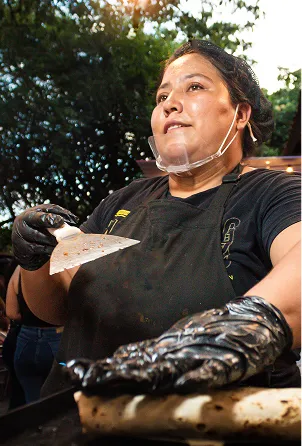
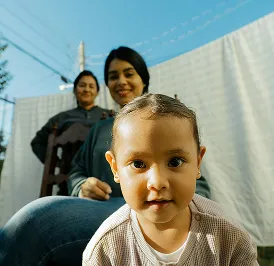
Thousands of immigrants are already achieving more with their money. You can too.
Comun is a financial technology company and not a bank. Banking services are provided by Community Federal Savings Bank; Member FDIC. The Comun Visa® Debit Card is issued by Community Federal Savings Bank, pursuant to a license from Visa U.S.A Inc. and may be used everywhere Visa Cards are accepted.
Comun is a fintech company and not a bank or licensed money transmitter.
* Results may vary. For a complete list of eligible IDs and application requirements, follow this link.
^ No minimums, no maintenance fees. ATM or transfer fees may apply. See app for fee details.
‡ Direct deposit funds are typically available when we receive the payment file, up to two days before the scheduled payment date. This early availability is not guaranteed.
** A service provided by Service UniTeller, Inc. Service UniTeller, Inc. is licensed in all states that require a license. Remittance fees start at $2.99 but may vary. Please check the app for more details. Comun Inc. may earn revenue from the conversion of foreign currencies.
† Funds in your account are FDIC insured up to $250,000 by ownership category through Community Federal Savings Bank (CFSB), Member FDIC, in the event CFSB fails.