Financial Education
What is a wire transfer? A complete guide for 2026
A wire transfer is one of the most widely used methods for moving large amounts of money quickly through financial institutions. Learn what it is, how it works, how much it costs, and when to use a remittance app instead.
8 min read

17 Jul 2026
What is a wire transfer? A complete guide for 2026
A wire transfer remains one of the most widely used methods for moving large amounts of money quickly through financial institutions. It is commonly used for urgent transactions, high-value payments, or international bank transfers that often involve additional verification procedures and transaction monitoring.
According to Federal Reserve Fedwire statistics, around 209.9 million wire transfers were processed in 2024, an 8.6% increase compared to the previous year.
What is a wire transfer?
A wire transfer is an electronic transfer of funds between financial institutions through secure financial networks. Wire transfers are commonly used for: sending large amounts of money, urgent domestic payments, international bank transfers, real estate transactions, business payments, emergency family transfers.
How long does a wire transfer take?
| Transfer Type | Typical Delivery Time |
|---|---|
| Domestic wire transfer | Same day or within hours |
| International wire transfer | Typically 1–5 business days |
| ACH transfer | Typically 1–3 business days |
| Remittance app transfer | Typically in minutes to 2 days |
How much does a wire transfer cost in 2026?
| Transfer Type | Average Cost |
|---|---|
| Domestic outgoing wire | $15–$35 |
| International outgoing wire | $35–$75 |
| Incoming international wire | $10–$20 |
| Exchange rate markup | 1%–4% depending on the provider |
Fees and exchange rate markups vary by bank, destination country, transfer amount, intermediary institutions, and payment method. Always review the total transfer cost before sending money internationally.
Advantages and disadvantages of wire transfers
Advantages:
- Speed for time-sensitive payments
- Higher transfer limits
- Secured financial infrastructure
- Useful for international banking
Disadvantages:
- Higher costs
- Transfers are difficult to reverse
- More banking information is required
- Longer processing for international transfers
Wire transfer vs. money transfer apps
| Feature | Wire Transfer | Digital Remittance App |
|---|---|---|
| Typical use | Large or time-sensitive transfers | Regular family or friend remittances |
| Average cost | Typically $15–$75 transfer fees | Usually lower — flat fees or 0.48%–1% |
| Speed | Same day to several days | Typically in minutes to 2 days |
| Currency conversion | Bank-set rate, markup typically 1–4% | Near mid-market rate, markup 0–1.4%, shown upfront |
| Setup process | More banking details required (routing, SWIFT/IBAN) | Usually app-based, quick mobile signup |
| Best for | High-value or business payments | Frequent personal transfers |
FAQ
Can I make a wire transfer without a bank account?
In general, wire transfers require both parties to have bank accounts. For transfers without a bank account, consider alternatives like remittance apps.
Is a wire transfer safe?
Yes, wire transfers use regulated banking systems with transaction records and tracking. However, they are difficult to reverse if incorrect information is entered.
When should I use a wire transfer instead of an app?
Wire transfers make sense for high-value, urgent, or institution-required payments. For regular remittances to family, digital apps typically offer lower cost and more convenience.
Común is a financial technology company and not a bank. Banking services are provided by Community Federal Savings Bank, Member FDIC. Remittance service provided by Service UniTeller, Inc.
About Común
Común aims to support the Latino community in the United States. It offers a debit account that can be opened with more than 100 valid Latin American IDs and an app available in Spanish.
Visit Común's website or download the app for free to learn more about the full offer and applicable terms.
Olivia Rhye
Community Partner

Financial Education
Wire Transfers, ACH, and Other Money-Transfer Methods
8 min de lectura
ACH transfers are electronic bank transfers within the U.S., commonly used for payroll deposits and payments between accounts. With Común, receiving an ACH transfer is at no cost, and it usually takes 3–5 business days.
The ability to transfer money efficiently and securely is a cornerstone of economic interactions. This article explores the range of electronic transfer methods available today, comparing and contrasting wire transfers, Automated Clearing House (ACH) transfers, and other prevalent money-transfer mechanisms. By understanding the nuances of each international transfer method, from international money transfers to peer-to-peer platforms, individuals and businesses can navigate the complexities of financial transactions with confidence.
Wire Transfers: Speed and International Reach
Wire transfers stand out as a testament to the enduring value of fast, secure international money movement. Valued for their reliability, wire transfers allow individuals and businesses to transfer funds directly between bank accounts across the globe. The defining feature of wire transfers is their rapid processing, crucial for time-sensitive transactions. They leverage the vast international network of a financial institution, making it possible to send money to almost any country.
However, the efficiency and security of wire transfers come at a cost. They are generally associated with higher fees compared with other transfer methods, both for the sender and, occasionally, the recipient. These transactions also require the provision of precise and complete recipient bank details, including the bank name, account number, and routing numbers, ensuring that funds reach the intended destination without delays.
Despite the cost, the unmatched speed and security of wire transfers make them the preferred choice for large international transactions, where the assurance of timely and safe delivery outweighs the expense. Whether for business dealings, purchasing property abroad, or sending emergency funds, wire transfers offer a reliable solution, backed by the reputation and regulatory framework of traditional financial institutions.
ACH Transfers: Domestic Efficiency and Low Cost
The Automated Clearing House (ACH) network offers an efficient and economical alternative for domestic money transfers. ACH transfers encompass both direct deposits and direct payments, including payroll, government benefits, and bill payments. Unlike wire transfers, ACH transfers are processed in batches, which can lead to slower delivery speed, typically a few business days. However, the lower fees associated with ACH transfers make them an attractive option for routine domestic transactions. ACH transfers and wire transfers, while often mentioned together, serve distinct needs based on the urgency and geographic scope of the transaction.
The versatility of the ACH network extends beyond simple cost savings, providing a framework for a wide range of transactions beyond conventional check deposits and bill payments. This includes, but is not limited to, person-to-person (P2P) payments, business-to-business transactions, and even government-to-citizen payments such as tax refunds.
In addition, the arrival of same-day ACH processing marks a significant improvement in transaction speed, addressing one of the few drawbacks traditionally associated with remittance transfers through this method. Despite this advancement, the inherent delay in batch processing still makes ACH transfers less suitable for urgent transactions, positioning them as a preferred method for planned recurring payments where cost efficiency outweighs immediate fund availability.
The Rise of Digital Convenience:
Two methods stand out for their distinct approaches and unique benefits: person-to-person (P2P) transfers and traditional transactions at both banks and credit unions, and banks. P2P platforms like PayPal, Venmo, Cash App, and Google Pay have revolutionized the way we think about money transfers, offering a level of convenience and accessibility that aligns with the demands of the digital age. These platforms cater to a generation that values speed, simplicity, and the ability to transact on the go using only a smartphone. On the other hand, credit unions and banks represent the backbone of traditional financial transactions, providing a full suite of services ranging from everyday banking needs to complex international wire transfers.
Person-to-Person Transfers
As mentioned, platforms like PayPal, Venmo, Cash App, and Google Pay have become indispensable in the digital era, democratizing the process of sending and receiving money. These apps excel in user convenience, enabling transactions with just a smartphone. Linked to one’s bank account or debit card, they facilitate both domestic and, increasingly, international transfers.
While often free for basic services, they may charge small fees for instant transfers or currency exchange-rate conversion. The appeal of P2P platforms lies in their simplicity and the ability to transfer funds without needing the recipient’s banking details, only their phone number or email address.
Credit Unions and Banks: Traditional but Reliable
Credit unions and banks remain the backbone of the money-transfer ecosystem. Offering a range of services from direct deposits to international wire transfers, these institutions provide a secure, if sometimes more expensive, way to move funds. The choice between a bank and a credit union often comes down to the nature of the transaction—credit unions may offer lower fees and better exchange rates for their members, while banks might provide more comprehensive services for international and business transfers. Regardless of the choice, ensuring the transaction is completed with a reputable institution is paramount.
Deciding Between Money-Transfer Apps: Key Considerations
When comparing money transfer apps, several key factors should be considered to ensure the decision aligns with your personal or business financial needs. Here are the essential aspects to evaluate:
- Fees: Compare the associated costs for sending or receiving money, including fees for instant transfers or foreign-currency conversion charges.
- Transfer Limits: Check the maximum and minimum amounts you can send, as platforms vary widely in their limits.
- Geographic Availability: Not all apps are available in every country or support international transfers. Make sure the app meets your geographic requirements.
- Security: Investigate the security measures in place, such as encryption and fraud protection, to safeguard your financial information.
- User Experience: Consider the app’s ease of use, customer support availability, and any additional features such as bill splitting or social functionality.
- Delivery Speed: While some apps offer instant transfers, others may take a few business days. Choose based on how quickly you need the funds to be available.
- Exchange Rates and Currency Options: For international transfers, evaluate the exchange rates offered and which currencies are supported.
Común- Banking designed for your life in the U.S.
Open your bank account¹ in 3 minutes with your country ID²
By carefully considering these factors, users can select a money transfer app that best suits their financial transactions, balancing convenience, cost, and security. Whether sending money to a friend domestically or managing international business transactions, the right money transfer app can make all the difference in achieving a smooth and efficient money-transfer experience.
Emerging Technologies and Financial Innovations
The financial sector continues to evolve, with emerging technologies and innovations offering new ways to transfer money. Blockchain technology, for example, has given rise to cryptocurrencies, which promise faster international transfers without the need for traditional banking infrastructure. However, these methods come with their own set of challenges, including volatility and regulatory uncertainty. As these technologies develop, they may offer viable alternatives to traditional and electronic fund-transfer methods. Some developments include:
- Decentralized Finance (DeFi) Platforms: These platforms are reshaping financial transactions by enabling peer-to-peer lending, borrowing, and investing without traditional intermediaries, using blockchain technology to ensure security and transparency.
- Smart Contracts: These self-executing contracts with the terms of the agreement directly written into code can automate and secure the execution of financial transactions, reducing the need for intermediaries and increasing efficiency and trust.
- Digital Wallet and Mobile Payment Integration: Integrating digital wallets with mobile payment systems is streamlining the process of making transactions, making them more seamless and accessible, and is poised to reduce reliance on physical bank cards and cash even further.
Conclusion
The world of money-transfer methods is diverse, each with its own set of advantages, disadvantages, and best-use scenarios. From the rapid international reach of wire transfers to the domestic efficiency of ACH transactions and the convenience of money transfer apps, the choice of method depends on the specific needs of the transaction, including speed, cost, and geographic reach. As financial technologies continue to evolve, staying informed about these methods will enable individuals and businesses to make the best decisions for their money-transfer needs, ensuring that funds are transferred securely, efficiently, and cost-effectively.
What is an ACH transfer?
It's a type of electronic transfer that moves money between U.S. bank accounts, commonly used for payroll, bill payments, and transfers between banks.
How do I receive an ACH transfer into my Común account?
Use your account and routing number, found inside the app, to receive ACH transfers directly into your account. It's at no cost.
How long does an ACH transfer take?
Generally 3–5 business days. If you need your paycheck faster, direct deposit has no limit and is usually available sooner.
Frequently asked questions
Does receiving an ACH transfer in Común cost anything?
No, receiving ACH transfers into your Común account is at no cost.
What's the ACH transfer limit with Común?
Up to $1,000 per day and $10,000 per month.
Where do I find my account and routing number to receive an ACH transfer?
Both are available inside the Común app.
Is direct deposit faster than an ACH transfer?
Yes, direct deposit has no limit and is usually available faster than a standard ACH transfer.
Can I send money via ACH from my Común account to another bank?
The app shows you the transfer options available based on your account type.
What's the difference between ACH and a wire transfer?
ACH is usually free but slower (3–5 days); a wire transfer is generally faster but may have a fee.

Financial Education
What is ACH and why is it important for sending and receiving money in the U.S.?
8 min de lectura
If you need to make bank transfers in the United States, it will be useful to know what the ACH network is and understand its importance in the country’s banking system.
ACH (Automated Clearing House) is an Automated Clearing House that handles the processing of electronic transfers between U.S. accounts.
It is highly relevant for receiving direct payroll deposits, also known as ACH credits, and for processing recurring payments, due to several advantages compared to the traditional bank network, such as cost reduction and traceability of operations.
According to official sources, in 2024 the ACH payment network processed around 33.6 billion electronic payments, with a value close to $86.2 trillion, underscoring the importance of this method in the U.S. financial system.
On this occasion, we will explain in detail the advantages of this type of transaction and provide some recommendations so you can get the most out of them.
What is ACH and how does it work?
ACH or Automated Clearing House is a network that allows money to move between banks, credit unions, and other financial institutions in the United States, where the use of cash or checks is not necessary, because everything is processed electronically.
The central part of this system is NACHA (National Automated Clearing House Association), which oversees compliance with the rules and ensures transfers are carried out according to established security standards.
It is very likely that in your daily life you have already used the ACH system without noticing it. For example, for:
- Payroll deposits: every time you receive your salary in your bank account.
- Bill payments: to pay basic services such as electricity and internet automatically.
- Transfers between people: when you make an electronic transfer to a friend or to your own accounts.
Differences between ACH payments and other transfer methods
In the United States, there are different systems for moving money. In addition to the ACH network, you can rely on more traditional networks such as wire transfers and checks.
The main difference with other bank transfer systems is that ACH focuses on electronic, secure, and low-cost payments, which take longer than other options that tend to be more expensive; whereas ACH transfers are more suitable for recurring payments and direct deposits.
Below, we show you a comparative table so you can visualize the fundamental differences between ACH payments and other methods.
| ACH | Wire transfer | Check | |
|---|---|---|---|
| Transaction speed | From 1 to 2 business days | From minutes to hours | From 2 to 5 business days |
| Cost per transaction | Free or reduced | Variable, around $25 to $50 USD | There may be issuance costs |
| Geographic availability | Only within the United States | National and international | National and sometimes international |
| Most common use | Payroll payments, bills, transfers between accounts, automatic payments | Transfers of large amounts of urgent money | Traditional payments between people without access to a bank account |
Benefits and some recommendations when using ACH payments
One of the main advantages of ACH payments is the security involved in using this system to transfer money. This is because it is regulated by an organization called NACHA, which verifies each transaction based on financial system regulations, thereby reducing the chances of fraud.
Despite the trust that ACH transfers provide, they also present some limitations.
These are the most common benefits and limitations of the ACH system:
Benefits
- It is the lowest-cost method of transferring money, as transactions are free or have minimal fees
- Transactions are protected by NACHA regulations, which guarantees their security
- It is a system well-suited for processing recurring payments and subscriptions
- It is easy to track operations, because all are recorded in the banking system
Limitations
- Transactions take longer to complete. Generally, they are reflected the next day or up to two business days later
- International money transfers cannot be made, only within the United States
- Some banks may set daily limits, so it is not advisable for moving large amounts of money
If you need an alternative for making recurring payments and direct deposits to a bank account within the United States, the ACH network is a popular alternative due to its security standards and accessibility. But if you are looking for other types of financial services, you can consider more comprehensive options.
At Común we make your ACH payments easier
As you can see, ACH payments are a reliable option for making and receiving money transfers, as long as they are scheduled transactions within the United States and within the limits set by banks.
It is very important to have a reliable and transparent partner to move your money and manage your personal finances in a comprehensive and efficient way.
Meet Común, the platform that integrates the ACH network for direct deposits, payments, and transfers, and uses a service that has clear and visible rates in the mobile app.
Discover everything Común offers you!
- Open your account with a qualified official ID from your country of origin—we accept more than one hundred of them!
- Get a debit card and make purchases easily
- Deposit cash at hundreds of locations near you
- Make international money transfers for a fee starting at $2.99 USD, up to the available limits
- Be part of a service that speaks your language and understands the needs of immigrants working in the United States
Don’t wait any longer—open your account at Común!
Frequently Asked Questions (FAQ)
If you have questions about what ACH is and what it is for, consult our Frequently Asked Questions section.
How long does an ACH transfer take?
Generally, ACH transfers take 1 to 2 business days. It is also possible they are completed the same day if the bank offers the same-day ACH option.
How much does it cost to send money via ACH?
ACH transfers are usually free up to the applicable limits. Some banks charge a minimal fee, around $3 USD. It is a more economical option than a wire transfer, which can cost more than $50 USD.
Is it safe to use ACH for personal payments?
Yes, ACH transfers are regulated by the NACHA system, so they are easily traceable and protected with anti-fraud security measures.
Can I use ACH if I don’t have a bank account in the U.S.?
No, to send money through the ACH system you need an account number from a U.S. bank or credit union. Otherwise, you can resort to more accessible alternatives such as Venmo, PayPal, and Común.
What is an ACH payment?
An ACH payment is a money transfer processed through the ACH system and managed by NACHA (National Automated Clearinghouse Association).
What is a wire transfer?
A wire transfer is a payment method that allows money to be moved from one bank to another electronically, both nationally and internationally.

Checking account
Open an Online Banking Account
8 min de lectura
Opening an online banking account is very easy these days. We’ll show you the key factors you should consider when choosing the digital bank that best fits your profile, since there are multiple options on the market. We’ll also explain how to open an online account effectively.
Opening an online banking account in the U.S. can be done in minutes from your cell phone. All you need is a valid ID, a U.S. phone number, and your address. Platforms like Común do not require an SSN and accept more than 100 Latin American IDs, making the process accessible for immigrants from day one.
What is online banking and what are its advantages?
Online banking consists of managing your money and carrying out financial transactions through the internet or a mobile app, without needing to visit a physical bank branch. This includes checking your balance, making transfers, paying bills, depositing checks, and more.
The main advantages are 24/7 availability, access from anywhere, no lines or office hours, and generally lower fees than traditional banks because they do not have physical infrastructure costs.
How to choose the best online bank for you
Not all online banks are the same, especially for immigrants. The most important factors to consider are:
- Opening requirements: do they ask for an SSN? Do they accept a passport or consular ID?
- Fees: monthly fee, minimum balance, ATM charges
- Language: do they offer support in Spanish?
- Security: is it backed by the FDIC?
- Features: Zelle, direct deposit, remittances, virtual card
Steps to open an online banking account
The general process for opening an online banking account in the U.S. is as follows:
- Download the chosen bank’s app
- Provide your full name, date of birth, and address
- Upload a photo of your ID (passport, national ID, consular ID)
- Verify your phone number with an SMS code
- Accept the terms and conditions
- Receive approval (usually instant or within minutes)
- Request your debit card and start using your account
Open an account without an SSN: options for immigrants
Many traditional banks require an SSN to open an account. However, Común allows you to open an account with a passport, consular ID, or other forms of Latin American identification. There is no minimum balance, no monthly fee, and the process is completely in Spanish. The account includes a VISA debit card, early direct deposit, and remittances starting at $2.99.
Frequently asked questions about opening an online banking account
Can I open an online bank account without going to a branch?
Yes. Digital banks like Común let you open an account 100% online from your phone, without visiting any branch. All you need is your ID and a U.S. phone number. The process takes about 3 minutes, and approval is instant in most cases.
What documents do I need to open an online bank account in the U.S.?
It depends on the bank. Traditional banks generally ask for an SSN or ITIN, photo ID, and proof of address. Común accepts more than 100 Latin American IDs — passport, consular ID, national ID — without needing an SSN or minimum balance. You only need a U.S. phone number and your current official identification.
Are online banking accounts safe?
Yes, if they are backed by the FDIC. Regulated digital banks in the U.S. offer the same level of protection as traditional banks: up to $250,000 per account holder insured federally. They also use SSL encryption, two-factor authentication, and anti-fraud systems. Común operates through Community Federal Savings Bank, an FDIC member.
Can I have more than one online bank account at the same time?
Yes, there is no legal limit. Many people have accounts at multiple banks: for example, one for everyday spending and another for savings. You can have a Común account for day-to-day use in the U.S. and keep your account in your home country to receive funds when you travel.
How long does it take for an online bank account to be activated?
Most digital banks approve the account within minutes. The physical card arrives by mail in 5-10 business days. However, the virtual card is available as soon as you are approved, allowing you to make online purchases or add the card to Apple Pay or Google Pay right away.
Can I receive my paycheck in an online banking account?
Yes. All online banking accounts that have a routing number and account number accept payroll direct deposit. Común has its own routing number and lets you generate a pre-filled form to give to your employer. Many digital accounts also advance the deposit up to 2 days before the official date.

International Money Transfers
How long does an international money transfer take? Business days, time zones, and type of transfer
8 min de lectura
If you need to send money to your home country from the United States, it is important to consider how long an international money transfer takes. In general, the processing time for this type of operation is usually 1 to 5 business days.
However, this depends on several factors, such as the payment system, the banks involved, the currency conversion, and the holidays in between.
That is why it is important to know the different types of international money transfers available, the advantages and disadvantages of each one, and, of course, how long they take to deliver the money to its destination.
Below, we offer you a guide to answer those questions so you can send money home as quickly and safely as possible.
What is an international money transfer and how long does it usually take?
First of all, an international transfer is the sending of money to a bank entity located outside the country of the originating account. Unlike domestic transfers, international transfers involve additional banking systems, such as the SWIFT networks, which can increase costs and processing times in many cases.
There are several factors that influence the total time an international money transfer takes, but in general, it takes 1 to 5 business days.
For example, one relevant aspect that influences this is the system used, whether SWIFT or SEPA, which have different conditions and characteristics.
SWIFT Transfers
The SWIFT system is the largest network: it connects thousands of traditional banks worldwide to send money from one country to another through secure mechanisms.
Characteristics of the SWIFT system
- In general, it takes 3 to 5 days to complete money transfers.
- The involvement of intermediary banks is common, which can generate additional fees.
- It is useful for sending money in different currencies, although it implies disadvantages in time and costs.
- To use this system, check the SWIFT code of the receiving bank.
SEPA Transfer
On the other hand, the SEPA system is focused on international money transfers within the European Union.
Characteristics of the SEPA system
- International money transfers are usually completed in 1 business day.
- Fees are more affordable compared to the SWIFT system.
- This system works exclusively in the SEPA area, and for transactions in euros.
As you can see, both the SWIFT and SEPA systems are useful for making international money transfers safely. Although for those living in the United States, the latter is not recommended due to its geographic limitations.
Here is a comparison table:
| SWIFT | SEPA | |
|---|---|---|
| Time | 3 to 5 business days | 1 business day |
| Cost | Expensive, due to the involvement of intermediaries | Affordable |
| Geographic availability | Worldwide | Exclusively in Europe |
Factors that influence the time of an international money transfer
The time an international money transfer takes is not fixed. It varies according to the type of transfer and other elements involved in the operation.
Here is what you need to know to estimate how long it will take for your money to reach your loved ones.
Payment system
So far, we have presented the SWIFT system, which takes 3 to 5 business days, and SEPA, which is generally reflected the next business day.
In addition, there are ACH (Automated Clearing House) transfers, which are a more common system in the U.S., characterized by being a more economical option, although the process usually takes 2 to 3 business days.
Intermediary banks
There are cases in which the financial institutions participating in an international money transfer do not have a direct relationship with each other, so they need to involve intermediary banks. This, in addition to increasing costs, lengthens transfer times, because it makes the operation take longer than usual.
Cut-off times and business days
Another essential aspect is the cut-off time banks have for executing transactions. If you send money after this time, the operation is processed the next business day.
Also, do not forget to take into account the holidays of both the sending country and the receiving country, which also extend the waiting time.
Currency conversion and destination country
When sending money from the United States to your home country in Latin America, the bank will need to make the corresponding currency exchange and apply an exchange rate. This also usually adds time to the international money transfer process.
Security verifications and compliance controls
Banks often carry out security checks to prevent money laundering and fraud, especially when large amounts are involved.
What information do you need to make an international money transfer?
You are almost ready to start sending money abroad. But first, it is very important that you make sure you have the necessary information to process this type of transfer. Otherwise, the transfer could be rejected or take longer than usual.
Sender’s information
You will need to provide your basic personal information: full name, bank account, official address, and phone number.
Beneficiary’s information
It is also essential to provide the details of the person who will receive the money: full name, recipient’s account number, address, and country of origin.
Bank codes
- IBAN: for transfers within the European Union.
- SWIFT/BIC code: for transfers in most of the world, including the United States.
Amount and currency
Indicate the amount of the transfer and the currency in which it will be received.
Purpose or payment reference
Finally, indicate the purpose of the transfer. It may be: maintenance payment, family support, family savings, etc.
How can you speed up an international money transfer?
We know that sending money to your family and loved ones is very important, which is why it is vital that you avoid mistakes and bad practices that could delay your transfers even more.
- Verify that the beneficiary’s details are complete and correct: check that your recipient’s details are written as they appear on their official identification.
- Make the transfer before the bank’s cut-off time: remember that doing it after this time causes the transfer to be processed the next business day.
- Avoid sending money on weekends or holidays: try to send money on business days to avoid delays.
- Consider using specialized remittance services with faster processes: there are alternative services that offer better conditions than traditional banks.
Make your international money transfers quickly and safely with Común
This time, we learned that international transfers are money transfers made from one country to another, and there are several factors involved in the time they take to be completed.
Are you looking for a way to send money home without complications?
Discover Común, the digital platform that connects you with your family through a service that understands your needs.
Make your first international money transfer, forget about hidden fees, and get transparent rate so your loved ones receive more for less.
Frequently Asked Questions (FAQ)
If you still have questions, check our FAQ.
What is the average time of an international money transfer?
Approximately 1 to 5 business days.
Why do some transfers take longer than usual?
It depends on the system used, the involvement of intermediaries, the currency exchange, and other factors. That is why you should make sure to check the estimated time before sending your money, to see if it fits your timing and needs.
Can I send money on weekends?
Yes, but it will be processed the next business day in most cases.
Financial Education
What Is Direct Deposit?
8 min de lectura
Direct deposit is an electronic transfer that deposits your paycheck or benefits straight into your bank account, with no physical check required. It's the most common way employers pay in the U.S. With Común, you can receive your direct deposit and access your money up to 2 days before payday.
Direct Deposit Definition
Direct deposit is an electronic funds transfer method that lets an entity — an employer, the government, etc. — deposit money directly into the recipient's bank account. Unlike paper checks, this process eliminates the need to issue, deliver, and cash physical checks, saving time and resources.
Common Uses of Direct Deposit
- Employee payroll: One of the best-known uses of direct deposit is payroll management at companies. Instead of issuing checks to each employee, companies can deposit wages directly into employees' bank accounts.
- Government payments: Governments also use direct deposit to distribute payments to citizens, such as pensions, unemployment benefits, and tax refunds.
- Money transfers: People can also use direct deposit to send and receive money between bank accounts, making it easier to handle transactions and payments between friends, family, and businesses.
Advantages of Direct Deposit
- Speed: One of the biggest advantages of direct deposit is how fast the funds transfer happens. Direct deposits generally process faster than paper checks, letting recipients access their money sooner.
- Security: Direct deposit is a safer method than paper checks, since it reduces the risk of theft, loss, or check fraud.
- Time and resource savings: By eliminating the need to issue, deliver, and cash physical checks, both companies and recipients save time and resources. Direct deposit is also more environmentally friendly, since it reduces the amount of paper used in financial transactions.
- Control over your money: Direct deposit lets recipients access their money quickly and conveniently, giving them more control over their personal finances.
How to Set Up Direct Deposit
With mobile apps like Común, you can connect your direct deposit to your bank account in seconds. Común lets you connect your direct deposit right from the Común app, or if you'd rather your employer handle it, Común gives you a pre-filled form to hand to your employer. On top of the convenience, connecting your direct deposit with Común means the Común app gets you your pay up to two days early.
Conclusion
Direct deposit is a modern financial solution that offers speed, security, and convenience when transferring funds. Whether for payroll, government payments, or personal transfers, direct deposit has become a preferred way to handle transactions and manage money. Ultimately, this method simplifies our financial lives so we can focus on what really matters.
FAQ Schema (translate the JSON-LD block too — paste into the same embed)
Marcela/Eduardo: this post already has an FAQPage schema embed in Spanish. Translated version below — swap the text field, keep the JSON structure identical.
Q: What is direct deposit?
A: Direct deposit is an electronic transfer that sends your paycheck or benefits straight to your bank account, with no physical check needed. It's the most common way employers pay in the U.S.
Q: How do I set up direct deposit with Común?
A: To set up direct deposit with Común, you need your account number and routing number. You'll find them in the Común app, in your account section. Share them with your employer or HR.
Q: How long does direct deposit take to arrive?
A: Direct deposit usually arrives on the payday your employer sets. With Común, you can get paid up to 2 days early.
Q: Do I need an SSN to receive direct deposit?
A: Not necessarily. With Común, you can open an account using official ID from your home country and receive direct deposit without an SSN.
Q: What's the difference between direct deposit and a bank transfer?
A: Direct deposit is initiated automatically by your employer or payer every pay period. A bank transfer is something you initiate manually from your account. Direct deposit is faster and requires nothing further from you once it's set up.
Q: Is direct deposit safe?
A: Yes. Direct deposit is safer than a physical check because the money goes straight to your account with no risk of loss or theft. Común accounts are backed by CFSB, Member FDIC.

Financial Education
What Is Financial Freedom and How Can You Achieve It?
8 min de lectura
What Financial Freedom Means and How to Achieve It
Financial freedom is more than a simple definition — it's a state of life many aspire to reach. It's the ability to cover all your financial needs without being tied to a conventional job. Imagine a world where your decisions aren't dictated by your financial obligations, but by your desires and passions. That's financial freedom.
In a constantly changing world, where the retirement age keeps rising and working conditions keep getting more challenging, financial freedom has become an essential goal. It provides not just economic security, but also a better quality of life, freedom of choice, and the chance to pursue personal passions and projects without restrictions.
Steps to Achieve Financial Freedom
Cutting Expenses: Taking Control of Your Personal Finances
Before you can save or invest, it's essential to understand where your money is going. Keeping a detailed record of your expenses lets you identify areas where you could potentially save. Adopting a frugal lifestyle doesn't mean sacrificing your quality of life — it means making more informed decisions about your spending.
To stay on top of your personal or family finances, it's important to create a budget and review it regularly. A budget helps you categorize your income and expenses over a period of time — usually once or twice a month — so you can identify your necessary expenses versus your discretionary or luxury spending. This makes it easier to figure out which expenses you can cut to improve your financial stability.
One of the biggest problems with not having a budget is falling into the most common mistake that keeps us from achieving financial freedom: going into debt — spending more than you earn and constantly being "in the red," a hole that's hard to climb out of as debt grows over time. The secret is living below your means: rather than adopting a lifestyle that reflects your salary or your wants, the advice from many financial experts is to live frugally and spend less than you earn. This lets you save and invest more over time.
Saving: The Foundation of Financial Freedom
Saving isn't just about setting money aside — it's a mindset and a discipline that lays the groundwork for a healthy financial life. Dave Ramsey, a well-known financial expert, has developed a series of principles and steps that have helped millions find their way to financial freedom.
Dave Ramsey is famous for his "Baby Steps," a series of seven steps designed to guide people toward financial freedom. The first step — and perhaps the most crucial — is saving $1,000 as a starter emergency fund. This fund acts as a cushion against the unexpected, keeping people from going into debt over surprise expenses.
"Not having an emergency fund is an emergency in itself" is a popular Dave Ramsey saying, and if you've ever been in an unexpected situation that required funds you didn't have on hand, you can probably vouch for how true that is. And while $1,000 doesn't sound like a lot compared to the cost of many emergencies, the point of this emergency fund is to push a person to take that first step and start building financial discipline.
Investing: Generating Passive Income
Warren Buffett, one of the most successful investors in the world, has always emphasized the importance of investing in what you know and understanding the intrinsic value of your investments. His investing philosophy, which has been the cornerstone of his success, is built on several core principles that can serve as a guide for those seeking financial freedom:
- Invest in what you know: Buffett has always been a strong advocate for investing in companies and sectors you fully understand. If you can't explain in simple terms how a company makes money, it might not be the best fit for your portfolio.
- Look for value, not price: Buffett distinguishes between the price and the value of a stock. While price is what you pay, value is what you get. His approach is based on identifying companies that are undervalued relative to their true intrinsic value and that have long-term growth potential.
- The market is volatile, but don't get swept up in the panic: Buffett compares the stock market to an unpredictable neighbor named "Mr. Market." Some days Mr. Market is optimistic and offers high prices, while other days he's pessimistic and offers bargains. Rather than getting carried away by Mr. Market's emotions, Buffett suggests staying calm and focusing on the intrinsic value of your investments.
- Long-term investing: Buffett isn't chasing quick gains. Instead, he looks for companies with lasting competitive advantages and holds them for decades. His famous quote, "my favorite holding period is forever," reflects his long-term investing approach.
- Reinvesting dividends: One of the strategies behind Buffett's success is reinvesting dividends. By reinvesting dividends, you benefit from compound interest, which can lead to exponential growth in your investment over time.
Passive income — whether through dividends, rental income, or online businesses — is essential for financial freedom. This income, which doesn't require constant direct involvement, lets your money work for you, generating regular cash flow that can support a lifestyle free from the constraints of a conventional job. Warren Buffett's investing philosophy centers on patience, education, and a deep understanding of investments. By adopting these principles and focusing on generating passive income, you can chart a path toward true financial freedom.
Conclusion
Financial freedom is an ideal that goes beyond simply accumulating wealth — it's the manifestation of a balanced life where our decisions aren't dictated by economic pressures, but by our true passions and desires. Through the discipline of saving, wisdom in investing, and understanding our finances, we can move closer to this ideal. The teachings of experts like Dave Ramsey and Warren Buffett offer us a clear roadmap toward this goal. At the end of the day, financial freedom isn't just about money — it's about living a life with purpose, security, and genuine independence. It's a journey that requires commitment, education, and constant action, but the rewards, both tangible and intangible, are invaluable.
Checking account
How to Identify Where to Deposit Cash
8 min de lectura
To deposit cash with Común, open the app, go to the "Cash" section and then "Deposit" to see all nearby locations on the map. You can generate a barcode and deposit without needing your physical card.
Depositing cash into your Común account is simple and convenient. Whether you prefer using your physical card at an AllPoint+ ATM or generating a barcode in the app, here is a step-by-step guide to help you understand both methods.
Using a Physical Card
Step 1: Wait for Your Physical Card
After opening your online bank account, your physical debit card will be mailed to your home. This usually takes 7 to 10 business days.
Step 2: Activate Your Card
Before you can use your card, make sure to activate it through the Común app. Your card must be active for any transaction.
Step 3: Locate an AllPoint+ ATM
AllPoint+ ATMs are part of a broad network of ATMs, perfect for cash deposits. Here is how to find one:
- Open the Común app.
- Go to the "Move Money" section.
- Use the map to locate the nearest AllPoint+ ATM. These machines are usually found at popular retail locations.
Step 4: Deposit Cash at an AllPoint+ ATM
Once you are at the ATM:
- Insert your activated card.
- Follow the on-screen instructions to deposit cash into your checking account. Please note that deposits can only be made into checking accounts, not savings accounts.
- Make sure your deposit is within the limits: up to $250 per deposit and up to $1,000 per day, including deposits and withdrawals.
Tip: If there are no AllPoint+ ATMs near you, do not worry. You can also deposit cash using a barcode at many other locations!
Using the Barcode in the App
Step 1: Generate a Barcode
Here is how to generate a barcode in the Común app:
- Open the app and go to the "Cash" section.
- Select the option to generate a barcode for deposit.
- The barcode will appear on your screen, ready to use.
Step 2: Find Locations That Accept the Barcode
To find a nearby location that accepts the barcode:
- In the "Cash" section, look for the list of participating locations.
- You can also use the map feature to find the nearest store.
Step 3: Using the Barcode
Take your barcode to a participating location and show it to the cashier. They will scan the barcode, allowing you to deposit your cash.
Important Details:
- Expiration: The barcode expires after 15 minutes, but you can generate as many as you need.
- Limits: Keep in mind the deposit limits that may apply when using the barcode method.
Troubleshooting ATM Transactions
Problems Depositing Money
When troubleshooting ATM transactions, especially problems depositing money, it is important to make sure you are using an AllPoint+ ATM, since these machines do not charge fees for deposits. Your physical card must be activated; if it is not, you can easily activate it from the app. Also, make sure you enter the correct PIN. If you do not remember your PIN, you can view it or change it in the app settings section. Verify that your deposit is within the limits, which are up to $250 per deposit and up to $1,000 per day. Finally, always select "checking account," since Común accounts are checking accounts, not savings accounts.
Problems Withdrawing Money
If you run into problems withdrawing money, first make sure you have enough balance by checking your balance in the app before making a withdrawal. Use an AllPoint+ ATM to avoid withdrawal fees, since other ATMs may charge a fee. Enter the correct PIN; if you do not remember your PIN, you can view it or change it in the app settings section. Verify that your withdrawal is within the limits, which are up to $250 per withdrawal and up to $1,000 per day, including deposits and withdrawals. If you continue having problems, contact us through the chat in your app for more help.
Alternative Deposit Methods
If you cannot find a nearby store to deposit cash, Común offers other options:
- Receive Money: Use apps like Zelle, CashApp, Venmo, or PayPal.
- Direct Deposit: Set up direct deposit with your employer.
- External Transfers: Send money to your Común account from an external bank or other financial institutions.
Additional Tips and Information
Fraud Prevention
Always keep your account number and PIN secure. Do not share this information with anyone to avoid unauthorized transactions.
Know Your Limits
Be aware of the deposit amount limits. For example, you can only deposit up to $250 per deposit and up to $1,000 per day. This helps you manage your funds and avoid any unexpected issues.
Use Común Features
The Común app provides a map to find the nearest ATMs and stores that accept barcodes for deposits. This feature helps you quickly locate convenient deposit points.
Stay up to date with the latest features and benefits offered by Común through the app, ensuring you get the most out of your online banking experience.
Cash Deposit Fees
Depositing cash at an AllPoint+ ATM has no fees, while other ATMs may charge a fee. Always check for possible fees before making a deposit.
Mobile Check Deposits
In addition to cash deposits, Común also supports mobile check deposits, adding more flexibility to the way you manage your money..
Conclusion
In short, depositing cash into a bank account is a practical decision driven by safety, convenience, possible earnings, financial management, and legal compliance. By understanding these reasons, people can make informed decisions about how to handle and manage their cash effectively, ensuring financial stability and growth.
Whether you use your physical card at an AllPoint+ ATM or a barcode in the app, depositing cash into your Común account is simple and convenient. Always make sure your card is activated, check nearby locations, and keep deposit limits in mind. With these steps, you will be able to manage your cash deposits effortlessly.
Do not worry, if there are no locations near you, you can also deposit with a barcode at many more locations! Visit Común for more details and get started with your deposits today.
By understanding the process and using the tools provided by Común, you will be able to handle your cash deposits effectively and ensure your funds are always accessible.
How do I find where to deposit cash near me?
In the app, go to "Cash" → "Deposit" to see the map with all available locations. Choose the closest one; if the location allows it, you can generate a code to deposit without a card.
Is there a limit on how much cash I can deposit?
Most stores have a $500 limit per transaction, though some allow higher amounts. If you deposit more than $300 at Walgreens or Walmart, you'll be asked for a U.S. government-issued ID.
What do I do if there's no location near me?
Check other locations on the app's map, or deposit at an AllPoint+ network ATM, which also accepts cash deposits.
Frequently asked questions
Do I need my physical card to deposit cash?
Not always — at many locations you can generate a barcode in the app and deposit using only your phone.
How much cash can I deposit per transaction?
Most stores have a $500 limit, though it can vary by location.
Do I need ID to deposit cash?
If you deposit more than $300 at stores like Walgreens or Walmart, you'll be asked for a U.S. government-issued ID.
Does depositing cash cost anything?
The cost can vary by store; check the details directly on the app's map before depositing.
Can I deposit cash at an ATM?
Yes, ATMs in the AllPoint+ network also accept cash deposits.
How do I know if a nearby location accepts Común deposits?
The map inside the "Cash" → "Deposit" section of the app shows you in real time which nearby locations accept deposits.

Immigration
The 100 Questions about American Citizenship in Spanish
8 min de lectura
The 100 Questions about American Citizenship in Spanish
Reaching the point where you're preparing for the citizenship exam is already a major milestone. It reflects time, effort, and a commitment to building your future in the United States.
In this guide, you'll find the 100 civic questions for the U.S. Citizenship exam provided by the U.S. Citizenship and Immigration Services (USCIS), the government agency that reviews and processes citizenship applications. These are the questions from the civics test, translated into Spanish with their answers and organized by category aimed to support you while you prepare. The exam is administered by USCIS and is oral, not written. You'll be asked up to 10 questions out of the 100.
How does the US citizenship test work?
The U.S. citizenship exam generally consists of two parts, an English test and a civics test. Understanding how each one of them works could make the process feel more manageable. The English evaluation is conducted through an interview, in which an officer evaluates your English language skills through simple speaking, reading, and writing exercises. In the civics portion, the officer asks up to 10 questions out of a list of 100. They are about U.S. history, government, geography and holidays. To pass the test you must answer at least 6 of them correctly. It is important to consider that this entire part of the exam is oral.
If you do not pass a section the first time, you will usually have a second opportunity to retake the failed portion within 60 to 90 days. To start the application for citizenship, you must submit a form called Form N-400, which is the official application for naturalization, and as of 2026, the filing cost is $760, however, fees are subject to change.
Who can take the exam in Spanish?
If you are 65 or older and have been a permanent resident for at least 20 years, you may qualify to take the civics test in Spanish. This special rule, provided by USCIS, is designed to make the process more accessible for long-term residents. In this case, you do not need to study all 100 questions, you only need to study 20 of the 100 questions. In our list we will mark them with an asterisk (*). It is recommended to always consult and review the specific requirements of your own case with the corresponding authorities.
The 100 Official Citizenship Civics Test Questions (with answers in Spanish)
Here you will find the 100 official questions that USCIS may ask you during your citizenship exam, along with their answers in Spanish. However, keep in mind that the actual interview is conducted in English, unless you qualify for an exemption.
Part A: The American government (questions 1-57)
Principles of American Democracy (1–12)
1. What is the supreme law of the land?
- the Constitution
2. What does the Constitution do?
- sets up the government
- defines the government
- protects basic rights of Americans
3. The idea of self-government is in the first three words of the Constitution. What are these words?
- We the People
4. What is an amendment?
- a change (to the Constitution)
- an addition (to the Constitution)
5. What do we call the first ten amendments to the Constitution?
- the Bill of Rights
6. What is one right or freedom from the First Amendment?*
- speech
- religion
- assembly
- press
- petition the government
7. How many amendments does the Constitution have?
- twenty-seven (27)
8. What did the Declaration of Independence do?
- announced our independence (from Great Britain)
- declared our independence (from Great Britain)
- said that the United States is free (from Great Britain)
9. What are two rights in the Declaration of Independence?
- life
- liberty
- pursuit of happiness
10. What is freedom of religion?
- You can practice any religion, or not practice a religion.
11. What is the economic system in the United States?*
- capitalist economy
- market economy
12. What is the "rule of law"?
- Everyone must follow the law.
- Leaders must obey the law.
- Government must obey the law.
- No one is above the law.
System of Government (13–47)
13. Name one branch or part of the government.*
- Congress
- legislative
- President
- executive
- the courts
- judicial
14. What stops one branch of government from becoming too powerful?
- checks and balances
- separation of powers
15. Who is in charge of the executive branch?
- the President
16. Who makes federal laws?
- Congress
- Senate and House (of Representatives)
- (U.S. or national) legislature
17. What are the two parts of the U.S. Congress?*
- the Senate and House (of Representatives)
18. How many U.S. Senators are there?
- one hundred (100)
19. We elect a U.S. Senator for how many years?
- six (6)
20. Who is one of your state's U.S. Senators now?*
- Answers will vary.
- [District of Columbia residents and residents of U.S. territories should answer that D.C. (or the territory where the applicant lives) has no U.S. Senators.]
21. The House of Representatives has how many voting members?
- four hundred thirty-five (435)
22. We elect a U.S. Representative for how many years?
- two (2)
23. Name your U.S. Representative.
- Answers will vary.
- [Residents of territories with nonvoting Delegates or Resident Commissioners may provide the name of that Delegate or Commissioner. Also acceptable is any statement that the territory has no (voting) Representatives in Congress.]
24. Who does a U.S. Senator represent?
- all people of the state
25. Why do some states have more Representatives than other states?
- (because of) the state's population
- (because) they have more people
- (because) some states have more people
26. We elect a President for how many years?
- four (4)
27. In what month do we vote for President?*
- November
28. What is the name of the President of the United States now?*
- Visit uscis.gov/citizenship/testupdates for the name of the President of the United States.
29. What is the name of the Vice President of the United States now?
- Visit uscis.gov/citizenship/testupdates for the name of the Vice President of the United States.
30. If the President can no longer serve, who becomes President?
- the Vice President
31. If both the President and the Vice President can no longer serve, who becomes President?
- the Speaker of the House
32. Who is the Commander in Chief of the military?
- the President
33. Who signs bills to become laws?
- the President
34. Who vetoes bills?
- the President
35. What does the President's Cabinet do?
- advises the President
36. What are two Cabinet-level positions?
- Secretary of Agriculture
- Secretary of Commerce
- Secretary of Defense
- Secretary of Education
- Secretary of Energy
- Secretary of Health and Human Services
- Secretary of Homeland Security
- Secretary of Housing and Urban Development
- Secretary of the Interior
- Secretary of Labor
- Secretary of State
- Secretary of Transportation
- Secretary of the Treasury
- Secretary of Veterans Affairs
- Attorney General
- Vice President
37. What does the judicial branch do?
- reviews laws
- explains laws
- resolves disputes (disagreements)
- decides if a law goes against the Constitution
38. What is the highest court in the United States?
- the Supreme Court
39. How many justices are on the Supreme Court?
- Visit uscis.gov/citizenship/testupdates for the number of justices on the Supreme Court.
40. Who is the Chief Justice of the United States now?
- Visit uscis.gov/citizenship/testupdates for the name of the Chief Justice of the United States.
41. Under our Constitution, some powers belong to the federal government. What is one power of the federal government?
- to print money
- to declare war
- to create an army
- to make treaties
42. Under our Constitution, some powers belong to the states. What is one power of the states?
- provide schooling and education
- provide protection (police)
- provide safety (fire departments)
- give a driver's license
- approve zoning and land use
43. Who is the Governor of your state now?
- Answers will vary. [District of Columbia residents should answer that D.C. does not have a Governor.]
44. What is the capital of your state?*
- Answers will vary. [District of Columbia residents should answer that D.C. is not a state and does not have a capital. Residents of U.S. territories should name the capital of the territory.]
45. What are the two major political parties in the United States?*
- Democratic and Republican
46. What is the political party of the President now?
- Visit uscis.gov/citizenship/testupdates for the political party of the President.
47. What is the name of the Speaker of the House of Representatives now?
- Visit uscis.gov/citizenship/testupdates for the name of the Speaker of the House of Representatives.
Rights and responsibilities (48–57)
48. There are four amendments to the Constitution about who can vote. Describe one of them.
- Citizens eighteen (18) and older (can vote).
- You don't have to pay (a poll tax) to vote.
- Any citizen can vote. (Women and men can vote.)
- A male citizen of any race (can vote).
49. What is one responsibility that is only for United States citizens?*
- serve on a jury
- vote in a federal election
50. Name one right only for United States citizens.
- vote in a federal election
- run for federal office
51. What are two rights of everyone living in the United States?
- freedom of expression
- freedom of speech
- freedom of assembly
- freedom to petition the government
- freedom of religion
- the right to bear arms
52. What do we show loyalty to when we say the Pledge of Allegiance?
- the United States
- the flag
53. What is one promise you make when you become a United States citizen?
- give up loyalty to other countries
- defend the Constitution and laws of the United States
- obey the laws of the United States
- serve in the U.S. military (if needed)
- serve (do important work for) the nation (if needed)
- be loyal to the United States
54. How old do citizens have to be to vote for President?*
- eighteen (18) and older
55. What are two ways that Americans can participate in their democracy?
- vote
- join a political party
- help with a campaign
- join a civic group
- join a community group
- give an elected official your opinion on an issue
- call Senators and Representatives
- publicly support or oppose an issue or policy
- run for office
- write to a newspaper
56. When is the last day you can send in federal income tax forms?*
- April 15
57. When must all men register for the Selective Service?
- at age eighteen (18)
- between eighteen (18) and twenty-six (26)
Part B: American history (questions 58-87)
Colonial Period and Independence
58. What is one reason colonists came to America?
- freedom
- political liberty
- religious freedom
- economic opportunity
- practice their religion
- escape persecution
59. Who lived in America before the Europeans arrived?
- American Indians
- Native Americans
60. What group of people was taken to America and sold as slaves?
- Africans
- people from Africa
61. Why did the colonists fight the British?
- because of high taxes (taxation without representation)
- because the British army stayed in their houses (boarding, quartering)
- because they didn't have self-government
62. Who wrote the Declaration of Independence?
- (Thomas) Jefferson
63. When was the Declaration of Independence adopted?
- July 4, 1776
64. There were 13 original states. Name three.
- New Hampshire
- Massachusetts
- Rhode Island
- Connecticut
- New York
- New Jersey
- Pennsylvania
- Delaware
- Maryland
- Virginia
- North Carolina
- South Carolina
- Georgia
65. What happened at the Constitutional Convention?
- The Constitution was written.
- The Founding Fathers wrote the Constitution.
66. When was the Constitution written?
- 1787
67. The Federalist Papers supported the passage of the U.S. Constitution. Name one of the writers.
- (James) Madison
- (Alexander) Hamilton
- (John) Jay
- Publius
68. What is one thing Benjamin Franklin is famous for?
- U.S. diplomat
- oldest member of the Constitutional Convention
- first Postmaster General of the United States
- writer of "Poor Richard's Almanac"
- started the first free libraries
69. Who is the "Father of Our Country"?
- (George) Washington
70. Who was the first President?*
- (George) Washington
1800s
71. What territory did the United States buy from France in 1803?
- the Louisiana Territory
- Louisiana
72. Name one war fought by the United States in the 1800s.
- War of 1812
- Mexican-American War
- Civil War
- Spanish-American War
73. Name the U.S. war between the North and the South.
- the Civil War
- the War between the States
74. Name one problem that led to the Civil War.
- slavery
- economic reasons
- states' rights
75. What was one important thing that Abraham Lincoln did?*
- freed the slaves (Emancipation Proclamation)
- saved (or preserved) the Union
- led the United States during the Civil War
76. What did the Emancipation Proclamation do?
- freed the slaves
- freed slaves in the Confederacy
- freed slaves in the Confederate states
- freed slaves in most Southern states
77. What did Susan B. Anthony do?
- fought for women's rights
- fought for civil rights
Recent American History and Other Important Historical Information
78. Name one war fought by the United States in the 1900s.*
- World War I
- World War II
- Korean War
- Vietnam War
- (Persian) Gulf War
79. Who was President during World War I?
- (Woodrow) Wilson
80. Who was President during the Great Depression and World War II?
- (Franklin) Roosevelt
81. Who did the United States fight in World War II?
- Japan, Germany, and Italy
82. Before he was President, Eisenhower was a general. What war was he in?
- World War II
83. During the Cold War, what was the main concern of the United States?
- Communism
84. What movement tried to end racial discrimination?
- civil rights (movement)
85. What did Martin Luther King, Jr. do?*
- fought for civil rights
- worked for equality for all Americans
86. What major event happened on September 11, 2001, in the United States?
- Terrorists attacked the United States.
87. Name one American Indian tribe in the United States.
- [USCIS Officers will be supplied with a list of federally recognized American Indian tribes.]
- Cherokee
- Navajo
- Sioux
- Chippewa
- Choctaw
- Pueblo
- Apache
- Iroquois
- Creek
- Blackfeet
- Seminole
- Cheyenne
- Arawak
- Shawnee
- Mohegan
- Huron
- Oneida
- Lakota
- Crow
- Teton
- Hopi
- Inuit
Part C: Geography and civic integration (questions 88-100)
Geography
88. Name one of the two longest rivers in the United States.
- Missouri (River)
- Mississippi (River)
89. What ocean is on the West Coast of the United States?
- Pacific (Ocean)
90. What ocean is on the East Coast of the United States?
- Atlantic (Ocean)
91. Name one U.S. territory.
- Puerto Rico
- U.S. Virgin Islands
- American Samoa
- Northern Mariana Islands
- Guam
92. Name one state that borders Canada.
- Maine
- New Hampshire
- Vermont
- New York
- Pennsylvania
- Ohio
- Michigan
- Minnesota
- North Dakota
- Montana
- Idaho
- Washington
- Alaska
93. Name one state that borders Mexico.
- California
- Arizona
- New Mexico
- Texas
94. What is the capital of the United States?*
- Washington, D.C.
95. Where is the Statue of Liberty?*
- New York (Harbor)
- Liberty Island
- [Also acceptable are New Jersey, near New York City, and on the Hudson (River).]
Symbols
96. Why does the flag have 13 stripes?
- because there were 13 original colonies
- because the stripes represent the original colonies
97. Why does the flag have 50 stars?*
- because there is one star for each state
- because each star represents a state
- because there are 50 states
98. What is the name of the national anthem?
- The Star-Spangled Banner
Holidays
99. When do we celebrate Independence Day?*
- July 4
100. Name two national U.S. holidays.
- New Year's Day
- Martin Luther King, Jr. Day
- Presidents' Day
- Memorial Day
- Independence Day
- Labor Day
- Columbus Day
- Veterans Day
- Thanksgiving
- Christmas
Frequently Asked Questions about the Citizenship Exam
How many questions are asked on the citizenship exam?
During the civics portion, an officer from USCIS will ask up to 10 questions out of a list of 100. You need to answer at least 6 correctly to pass this part of the test.
Is the citizenship exam in English or Spanish?
The exam is conducted in English, including both the English and civics portions. However, applicants who qualify for the 65/20 exemption can take the civics test in Spanish. Make sure you verify if the exemption applies in your specific case with the corresponding authorities.
What happens if I don't pass the exam the first time?
If you fail either the English or civics section, you are given a second opportunity to retake the part you did not pass. This second interview typically takes place within 60 to 90 days.
How much does the citizenship exam cost in 2026?
The exam itself does not have a separate fee, but it is included in the naturalization application. As of 2026, the cost to file Form N-400 is $760, though it's always a good idea to verify updates directly with USCIS.
Do the citizenship exam questions change?
The list of questions is updated occasionally by USCIS. The current version is based on the reinstated 2008 civics test, which remains the standard as of 2026.
Can I study the citizenship questions in Spanish?
Yes, many applicants study the questions in Spanish to better understand the content. However, the actual exam is conducted in English unless you qualify for an exemption like the 65/20 rule.
5 Tips for Studying for and Passing Your Citizenship Exam
Preparing for the citizenship test doesn't have to feel overwhelming. Approaching it with a plan and consistency could be the key for a smoother experience. Here are some general tips we've enlisted for preparing for your citizenship exam:
Study by category, avoid trying to learn all of them at once.
Break the 100 questions into topics like history, government, and geography. This makes it easier to understand patterns instead of trying to memorize everything in one go.
Practice your answers out loud.
The exam is oral, so it's important to get comfortable saying your answers, not just recognizing them. This helps with confidence during the interview.
Start with questions that change.
Aim to focus first on answers that can vary, like the current president or your state's senators. Learning these early helps you avoid confusion later in the process.
Use flashcards and try to study with someone.
Flashcards are a great tool for repetition and reinforcing memory. If possible try practicing with a friend or family member to simulate the real experience of being asked questions.
Don't panic if you don't know everything.
You don't need a perfect score. You only need to answer 6 out of 10 questions correctly, so focus on being consistent, not perfect.

Financial Education
How to Create a Strict Household Budget
8 min de lectura
Creating a strict household budget starts with tracking all income and fixed expenses, then setting limits on variable spending. An account with no monthly fee or minimum balance, like Común's, makes it easier to track your money without losing part of your budget to fees.
Why Are Family Budgets Essential?
Creating a strict household budget is essential for achieving financial stability and discipline. A well-planned family budget helps families manage their income, control their spending, and save for future goals. This article provides a comprehensive guide to setting up a rigorous budget, ensuring that every dollar is accounted for and used effectively.
Introduction: The Importance of a Strict Household Budget
In today’s fast-paced world, managing household finances can be challenging. Creating a budget is a fundamental step in managing personal finances. With the rising cost of living and various financial obligations, it is easy to lose control of spending. A strict household budget is crucial for maintaining financial discipline, reducing debt, and reaching long-term financial goals. By creating and sticking to a detailed budget, families can ensure that their financial resources are used wisely, leading to greater financial security and peace of mind.
Assessing Your Current Financial Situation
The first step in creating a strict household budget is to assess your current financial situation. This involves taking a detailed look at your income, expenses, debts, and savings. Calculating your net income is crucial for effective financial planning, as it represents your salary after tax and benefit deductions. Start by listing all sources of income, including salaries, bonuses, freelance work, and any other income sources. Next, categorize and list all expenses, including fixed expenses such as housing, utilities, and insurance, as well as variable expenses such as groceries, transportation, healthcare, entertainment, and miscellaneous costs.
It is important to be thorough and honest during this assessment. To begin, try tracking your spending for a month and identify patterns or areas where you may be overspending. This big-picture view will serve as the foundation for your budget, helping you identify where adjustments are needed to align your spending with your financial goals. Use tools like Google Sheets or a budgeting app to make this process easier and more organized.
Setting Clear Financial Goals, Including an Emergency Fund
Once you have a clear understanding of your financial situation, the next step is to set clear financial goals. These goals will improve your budgeting decisions and serve as a guide to keep you motivated. Financial goals can be short-term, such as saving for a vacation or paying off a credit card, or long-term, such as buying a home, funding your children’s education, or saving for retirement. A well-structured budget not only covers necessary expenses, but also allocates funds to build savings and discretionary spending, highlighting the role of savings in achieving financial stability.
When setting your financial goals, make sure they are SMART goals. SMART stands for specific, measurable, achievable, relevant, and time-bound. So instead of setting a general goal like “save money,” give yourself a clear objective such as “save $5,000 for an emergency fund in 9 months.” Setting SMART goals provides clarity and direction, making it easier to stay focused and committed to your budget. In addition, incorporating retirement accounts as part of your financial strategy is crucial for long-term financial security.
Creating Your Budget Plan
With your financial assessment and goals in place, it is time to create your budget plan. Start by prioritizing your spending, focusing on essentials like housing, utilities, food, transportation, and healthcare. Allocate a portion of your income to cover these essential costs first. Then, list your monthly expenses, categorizing them into fixed and variable types. Tracking household expenses is crucial; consider using online banking tools and personal finance apps to manage and categorize these expenses efficiently. Allocate funds for savings and debt repayment, ensuring that you are working toward your financial goals.
Consider using guidelines such as the 50-30-20 rule, where 50% of your income may go to needs, 30% to discretionary spending, and 20% to savings or even debt payments. Adjust these percentages based on your financial situation and specific goals. Use budgeting tools or apps to help you track your income and expenses, ensuring that you stay within your budget limits. Review and adjust your budget regularly as needed to accommodate changes in income or expenses. Before the start of each month, prepare a new budget to account for seasonal variations and upcoming specific expenses.
Implementing and Sticking to Your Budget
Creating a budget is just the beginning; the real challenge lies in sticking to it. To successfully implement your budget, develop habits that promote financial discipline. Start by automating your savings and bill payments. This ensures that you meet your financial obligations and savings goals without the temptation to spend the money elsewhere.
Understanding your net pay is crucial for effective financial planning. Track your expenses regularly to make sure you are sticking to your budget, especially when it comes to variable expenses. Use budgeting apps or spreadsheets to monitor your spending and make adjustments as needed. Avoid impulse purchases by making a shopping list and sticking to it. In addition, set aside a budget for unexpected expenses to ensure long-term financial stability. Look for ways to reduce expenses, such as cooking at home instead of eating out, canceling unused subscriptions, and looking for discounts when shopping.
Communicate openly with your family about your budget and financial goals. Encourage everyone to take part in the budgeting process and make it a team effort. Having a collective commitment to financial discipline will make it easier to stay on track and achieve your goals.
Here are five popular apps for tracking expenses and budgets:
- Mint: Mint is a budgeting app that allows users to track expenses, create budgets, and set financial goals. It categorizes transactions and provides insight into spending patterns. Using personal finance apps like Mint can efficiently track household expenses.
- YNAB (You Need A Budget): YNAB helps users create detailed budgets based on their income and expenses. It emphasizes giving every dollar a job and helps users plan for future expenses, encouraging proactive financial management.
- Personal Capital: Personal Capital is a wealth management tool that tracks expenses, budgets, and investments. It provides a comprehensive view of your financial health and offers tools for retirement planning.
- PocketGuard: PocketGuard improves your budgeting by showing how much discretionary income you have after accounting for bills, goals, and necessities. It categorizes expenses to help users identify areas where they can save money.
- Goodbudget: Goodbudget is a digital envelope budgeting app that allows users to divide their funds into different categories or "envelopes." This system helps users monitor their spending and ensure they stick to their budget limits for each category.
How Común Can Help With Budget Tracking
Comun offers several features that can complement these budgeting apps and improve your overall financial management:
- Instant notifications: Comun provides instant notifications for all transactions, helping users stay aware of their spending in real time.
- Detailed transaction history: Users can easily access their transaction history, making it easier to categorize expenses and monitor spending patterns.
- Expense categorization: The Comun app automatically categorizes expenses, which can be synced with budgeting apps like Mint for a complete view of your financial activity.
- Savings goals: Comun allows users to set and track savings goals, helping you stay motivated and on track to meet your financial objectives.
- Customer support: Comun offers top-tier customer service available 7 days a week by chat, email, or phone, providing users with support for any financial questions or issues.
By using Comun alongside these budgeting apps, users can achieve better financial discipline and stay on top of their budgeting and spending goals.
Conclusion: Achieving Financial Discipline and Security
Creating and maintaining a strict household budget takes effort and commitment, but the rewards are worth it. Saving money for various purposes, such as emergencies, major purchases, or enjoyable experiences, is crucial for financial stability. By assessing your financial situation, setting clear goals, creating a detailed budget plan, and sticking to it, you can achieve financial discipline and security. Understanding net income, including deductions such as health insurance from gross pay, is essential for creating an effective budget. A well-managed budget helps you control spending, reduce debt, and save for future goals, ultimately leading to a more secure and prosperous financial future for your family. Embrace the process, stay committed, and watch your financial health improve as you work toward your dreams.
By following these steps and maintaining financial discipline, you can take control of your household finances, reduce financial stress, and build a strong foundation for a secure future. A strict budget is not just about restricting spending; it is about making informed decisions that align with your financial goals and values. With dedication and perseverance, you can achieve financial stability and enjoy the peace of mind that comes with knowing your finances are under control.
Quick List: Measuring Your Budget Success
- Assess your financial situation:
- List all sources of income
- Categorize and list all expenses
- Track spending for a month
- Set clear financial goals:
- Define specific, measurable, achievable, relevant, and time-bound (SMART) goals
- Prioritize short-term and long-term goals
- Create your budget plan:
- Prioritize essential expenses (housing, utilities, food, transportation, healthcare)
- Allocate funds for savings and debt repayment
- Use the 50/30/20 rule as a guide
- Use budgeting tools or apps
- Implement and stick to your budget:
- Automate savings and bill payments
- Track expenses regularly
- Avoid impulse purchases
- Cut unnecessary expenses
- Communicate openly with your family about the budget
- Review and adjust regularly:
- Monitor income and expenses
- Make necessary adjustments to the budget
- Stay committed to your financial goals
By following this checklist, you can manage your budgeting efforts efficiently and get closer to achieving your financial goals.
How do I start creating a budget for my household?
Track all your income and fixed expenses (rent, utilities, debt), then set realistic limits on variable spending (food, entertainment) based on what's left.
How do I keep bank fees from eating into my budget?
Choose an account with no monthly fee or minimum balance — every avoidable fee is money that stays in your budget instead of going to the bank.
What tools help maintain a strict budget?
Real-time activity notifications, reviewing your transactions often, and separating money by spending category are practices that make it easier to stay in control.
Frequently asked questions
Where do I start making a budget?
Track all your income and fixed expenses first, then set limits on variable spending with what's left.
What percentage of my income should I save?
It varies by situation; many people start with the 50/30/20 rule (needs/wants/savings) as a baseline.
How do I avoid overspending each month?
Review your activity often and use notifications to catch unnecessary spending early.
Do bank fees really affect my budget?
Yes — a $12-25 monthly fee plus occasional overdraft charges can add up to hundreds of dollars a year.
Does Común help me stick to a budget?
It doesn't charge a monthly fee or require a minimum balance, and real-time activity notifications help you track your spending.
Should I have a savings account separate from my checking account?
It can help separate money meant for savings from day-to-day spending money, reducing the temptation to use it.
Living in the United States
Everything You Need to Know About Bank Accounts in the
8 min de lectura
Bank Accounts
Having a bank account is essential for managing your financial life efficiently and offers numerous practical benefits. One of the main advantages is safe money storage. Unlike keeping cash at home, which can be vulnerable to theft, loss, and damage, money kept in a bank account is safe and protected. Additionally, bank accounts provide great convenience for everyday transactions. You can easily pay bills, receive direct deposits, withdraw cash, and make purchases with a debit card linked to your account. Modern banking also lets you manage your finances from virtually anywhere through online and mobile banking platforms.
Types of Bank Accounts: Checking and Savings
In the world of personal finance, understanding the different types of bank accounts is crucial.
- Checking Accounts: Checking accounts, often called personal checking accounts, are designed for everyday transactions like depositing money and debit card purchases. They frequently come with the option of direct deposits and online bill pay. Understanding the differences between checking and savings accounts is essential, especially when considering banking promotions and bonuses that often feature specific offers for opening new checking and savings accounts, including direct deposit requirements and minimum deposits to qualify for cash bonuses.
- Savings Accounts: Savings accounts, including specialized forms like a Barclays savings account, are meant for storing money over a longer period, often with the goal of building an emergency fund. These accounts may offer a higher interest rate and sometimes require a minimum balance. Combining checking and savings accounts can provide a comprehensive banking solution, offering both the flexibility of everyday transactions and the benefit of earning interest on long-term savings, which is particularly advantageous when banks offer promotions and bonuses for these accounts.
- Money Market and CD (Certificate of Deposit) Accounts: Generally offer higher annual percentage yields than regular savings accounts, locking in funds for a specified period to achieve better returns.
Understanding these options helps align banking services with your financial goals, whether you're considering opening a business checking account or a joint savings account at the same bank or credit union.
Opening Your First New Bank Account
To open an account, particularly a new online bank account, start by choosing the right financial institution — it could be an online-only bank, a traditional bank, or a credit union, depending on your financial needs and preferences. Consider factors like accessibility, customer service, fee structures, and the availability of online and mobile banking features when selecting where to open your account.
The process generally involves making an initial deposit, which can vary but is often a minimum opening deposit. Meeting the minimum deposit is crucial to qualify for account bonuses. Some institutions may require only a few dollars, while others may ask for a larger amount, especially for premium or specialized accounts. During the account-opening phase, you'll need to provide personal information like a Social Security Number or an Individual Taxpayer Identification Number, and a government-issued ID, like a passport or driver's license. This information helps the bank ensure compliance with regulatory requirements, including those related to money laundering.
Many banks offer bank account bonuses or a checking account bonus to new checking account customers, which can be an attractive incentive. Opening a personal checking account in America comes with specific bonuses and rewards, including cash bonuses for meeting certain requirements like a qualifying direct deposit. To qualify for these bonuses, customers often need to meet criteria like a minimum deposit within a certain timeframe and maintaining that balance for a specific period. For example, some financial institutions offer cash bonuses for setting up a qualifying direct deposit. This incentive often requires you to receive a regular payment, like a salary or a government benefit, directly into your new account within a certain period of opening the account. Be sure to understand the terms and conditions associated with these bonuses, like minimum balance requirements and the duration of direct deposits.
Additionally, ask about any potential fees associated with the account, like monthly maintenance fees, ATM usage fees, and overdraft charges. Sometimes, banks offer fee waivers under certain conditions, like maintaining a minimum balance or even by enrolling in direct deposit. It's also worth asking about the bank's overdraft policies. Some banks offer overdraft protection programs, which can keep you from incurring fees if you accidentally overdraw your account. This service can be a lifesaver for new account holders unfamiliar with managing their balance, but it typically comes at an additional cost.
Finally, consider the bank's customer service and support options. Reliable customer support can be invaluable, especially if you run into issues with your account or need guidance on using banking services. By carefully considering these aspects, you can ensure your first banking experience is positive and financially beneficial. Remember, the right bank for someone else might not be the right bank for you, so choose based on your specific circumstances and financial needs.
Común Is a Great Choice for Your Banking Needs in the USA
If you're looking for a reliable, modern banking solution in the United States, Común is the perfect choice for you. Común is a digital bank designed for everyone, especially the immigrant community, offering a hassle-free banking experience, no hidden charges, and Spanish-language tools that make managing your finances easier. With Común, you can open an account in minutes from your phone, get your complimentary debit card, and start enjoying benefits like no-cost transfers, direct deposits, and access to more than 55,000 fee-free ATMs nationwide. Plus, Común cares about your security, implementing advanced measures to protect your money and your data. Don't wait any longer — join the Común community for a banking experience that understands and supports your unique needs.
Open your checking account¹ in 3 minutes with your country's ID²
More Information About Bank Accounts in the United States
We explain your account number
Best practices for managing your account
Effective Account Management
Effectively managing bank accounts goes beyond simply monitoring balances — it involves a comprehensive approach to financial administration. This means understanding and reducing account fees, which can include monthly maintenance, ATM usage, and overdraft charges. One way to minimize these fees is by meeting minimum balance requirements or enrolling in direct deposit, since many banks offer fee waivers under these conditions.
Using online and mobile banking tools is essential for efficient financial management. These platforms allow real-time transaction monitoring, immediate fund transfers, and quick access to statements and banking documents, which can help with budgeting and tax preparation. Setting up automatic bill payments is another crucial feature, ensuring all payments are made on time, avoiding late fees and service interruptions.
For those managing multiple accounts, like a business checking account and a personal checking account, linking these accounts can simplify money management. It allows easier transfers between accounts and a consolidated view of finances, which is particularly beneficial for small business owners who need to keep personal and business expenses separate. Additionally, having multiple bank accounts can offer significant benefits, like separating funds for different purposes — such as everyday expenses, savings, and investments — and meeting individual or joint financial needs, including for international travel or business purposes.
Additionally, mobile banking has revolutionized access to financial services, letting users complete a variety of banking tasks from their devices, like checking balances, depositing checks remotely, and withdrawing cash from ATMs without a physical card. This convenience, however, needs to be balanced with diligent security practices to protect financial data.

Security and Protection
Account security is critical for protecting financial assets from potential threats like fraud and identity theft. Banks, whether online or traditional, implement robust security measures, including encryption, Secure Sockets Layer (SSL) certificates, and continuous monitoring for suspicious activity. However, responsibility also falls on the account holder to improve their personal security.
Enabling two-factor authentication adds an extra layer of security, significantly reducing the risk of unauthorized access. Using strong, complex passwords and changing them regularly are fundamental practices for securing online banking portals. Account holders should also be alert to phishing scams — fraudulent attempts to obtain sensitive information. Recognizing suspicious emails, links, or phone calls requesting personal banking information is crucial.
Regularly monitoring account activity is another proactive security measure. Many banks offer customizable alerts that immediately notify the account holder of unusual or large transactions, allowing quick action against unauthorized access. It's also advisable to frequently review transaction history to identify any irregularities that might indicate fraudulent activity. Additionally, understanding the latest banking security technologies and using all available tools provided by financial institutions can significantly improve the security of banking operations. These tools include biometric verifications, like fingerprint and facial recognition, which offer a higher level of security than traditional passwords.
By incorporating these advanced management and security practices, people can significantly improve both the efficiency and security of their banking experience, ensuring their financial assets are managed wisely and protected against potential threats.
Conclusion
Navigating the complexities of bank accounts — from choosing the right type to managing and securing them — can significantly impact your financial well-being. Understanding the various account types available, from personal and business checking accounts to savings and CD accounts, lets you make informed decisions that align with your financial goals. Opening your first account is a crucial step that lays the groundwork for building a robust financial future. By selecting the right financial institution, understanding fee structures, and taking advantage of incentives like account bonuses, you position yourself to maximize the benefits of banking.
Effective account management and vigilant security measures are essential to getting the most out of your banking experience. Using online and mobile banking tools not only provides convenience, but also lets you keep close oversight of your financial activities, ensuring your money works for you as efficiently as possible. Additionally, the importance of security can't be overstated — protecting your financial information from fraud and theft is paramount in today's digital age.
Ultimately, carefully managing and protecting your bank accounts is crucial to maintaining financial health and reaching your monetary goals. By adopting the practices outlined in this guide, you can confidently navigate the banking landscape, making informed decisions that strengthen your personal and business finances. Whether you're opening your first account or optimizing existing ones, remember that every step you take is a building block toward greater financial security and freedom.

Financial Education
What to Do if Your Bank Account Is Compromised: Immediate Actions
8 min de lectura
If you suspect your account was compromised, act immediately: lock your card from the app, review your recent activity, and contact support. With Común, locking your card is instant and support is available 24/7.
Recognizing the Signs of Identity Theft and a Compromised Account
The first step is recognizing the signs that your bank account may have been compromised. Unusual or suspicious transactions, unexpected changes to your account details, and alerts or notifications from your bank that you didn't trigger are clear indicators. Getting text or email alerts about activity you didn't do can also mean your account has been hacked. Staying alert and regularly reviewing your account activity can help you catch these signs early if your bank account is hacked.
Immediate Actions to Take When You Notice Suspicious Activity
1. Contact Your Bank Immediately. If you suspect your account has been compromised, call your financial institution directly. Most banks have a dedicated fraud department that can freeze your account to prevent further unauthorized transactions. Acting quickly is crucial to protecting your hard-earned money.
2. Change Your Account Passwords. Immediately change your online account passwords and any other online accounts linked to your financial information. Make sure your new passwords are strong, unique, and different from passwords you've used before.
3. Monitor Your Account for Further Activity. Keep a close eye on your account for any additional suspicious activity. Regularly review your bank statement and account activity, and report any discrepancies to your bank. Setting up text and email alerts for transactions can help you stay on top of your account status.
Learn how to monitor your accounts here
4. Report the Fraud. File a report with your bank's fraud department. Also report the incident to the Federal Trade Commission (FTC) and consider filing a police report. This can help protect your credit report and prevent further identity theft.
Additional Precautions: Enable Two-Factor Authentication
[Image: homepage of bank app — keep image as-is]
To Prevent Future Incidents, Take These Additional Security Measures:
1. Secure Your Devices. Make sure your devices are protected with the latest antivirus protection and security updates. Avoid using public Wi-Fi for online banking.
2. Enable Two-Factor Authentication. Turn on two-factor authentication (2FA) for an extra layer of security on your bank accounts and other online accounts. This makes it harder for unauthorized users to access your accounts.
3. Be Careful What You Share. Be careful about the information you share online, and avoid providing sensitive information like your Social Security number through unsecured channels. Watch out for phishing emails and malicious links that can lead to a compromised account.
4. Use Strong, Unique Passwords. Make sure to use strong, unique passwords for all your other accounts. Avoid reusing the same password across multiple accounts, and change your passwords regularly.
5. Set Up Fraud Alerts. Consider setting up fraud alerts with your bank and credit bureaus. This can help you stay informed about any suspicious activity on your accounts.
We'll show you how to open a bank account in the United States
Común's Security Features
At Común, we prioritize the security of our customers' accounts, just like leading financial institutions. Our platform includes advanced security measures like encryption and real-time monitoring to protect your financial information. If you ever suspect fraudulent activity, our customer service team is available to help you right away. Just send us a message through the Común app, and we'll walk you through the steps needed to secure your account.
Open your bank account¹ in 3 minutes with your country's ID²
- No minimum balance fees
- Get paid up to 2 days early³
- Send money to your home country safely
- And much more!
Conclusion
Quick action is crucial when it comes to a compromised bank account. By recognizing the signs, taking immediate action, and using strong security features, you can protect your finances and regain control of your accounts. Stay alert and proactive to keep your bank account secure. Remember, responding quickly can prevent further losses and ensure your money stays in your hands.
What are the signs my account was compromised?
Transactions you don't recognize, unexpected changes to your account details, or alerts about activity you didn't start.
What should I do right away if my account was compromised?
Lock your card instantly from the app, review your recent activity, and contact support to report the suspicious activity.
How do I contact Común support in an emergency?
Through in-app chat, email, phone, or WhatsApp, available 24/7.
Frequently asked questions
How do I know if my account was hacked?
Common signs include transactions you don't recognize, changes to your contact details, or alerts about activity you didn't start.
Can I lock my Común card myself if I suspect fraud?
Yes, you can lock it instantly from the app without needing to call support first.
What should I check first if I think my account was compromised?
Review your recent activity in the app to identify any transaction you don't recognize.
How do I report suspicious activity on my Común account?
Contact support through chat, email, phone, or WhatsApp, available 24/7.
Am I responsible for fraudulent transactions if I report them quickly?
Reporting right away reduces your liability; exact protections depend on the circumstances.
How do I protect my account going forward?
Turn on app notifications, review your activity regularly, and never share your access codes, even with someone claiming to represent Común.
International Money Transfers
How long does an international money transfer take? Business days, time zones, and type of transfer
8 min de lectura
If you need to send money to your home country from the United States, it is important to consider how long an international money transfer takes. In general, the processing time for this type of operation is usually 1 to 5 business days.
However, this depends on several factors, such as the payment system, the banks involved, the currency conversion, and the holidays in between.
That is why it is important to know the different types of international money transfers available, the advantages and disadvantages of each one, and, of course, how long they take to deliver the money to its destination.
Below, we offer you a guide to answer those questions so you can send money home as quickly and safely as possible.
What is an international money transfer and how long does it usually take?
First of all, an international transfer is the sending of money to a bank entity located outside the country of the originating account. Unlike domestic transfers, international transfers involve additional banking systems, such as the SWIFT networks, which can increase costs and processing times in many cases.
There are several factors that influence the total time an international money transfer takes, but in general, it takes 1 to 5 business days.
For example, one relevant aspect that influences this is the system used, whether SWIFT or SEPA, which have different conditions and characteristics.
SWIFT Transfers
The SWIFT system is the largest network: it connects thousands of traditional banks worldwide to send money from one country to another through secure mechanisms.
Characteristics of the SWIFT system
- In general, it takes 3 to 5 days to complete money transfers.
- The involvement of intermediary banks is common, which can generate additional fees.
- It is useful for sending money in different currencies, although it implies disadvantages in time and costs.
- To use this system, check the SWIFT code of the receiving bank.
SEPA Transfer
On the other hand, the SEPA system is focused on international money transfers within the European Union.
Characteristics of the SEPA system
- International money transfers are usually completed in 1 business day.
- Fees are more affordable compared to the SWIFT system.
- This system works exclusively in the SEPA area, and for transactions in euros.
As you can see, both the SWIFT and SEPA systems are useful for making international money transfers safely. Although for those living in the United States, the latter is not recommended due to its geographic limitations.
Here is a comparison table:
| SWIFT | SEPA | |
|---|---|---|
| Time | 3 to 5 business days | 1 business day |
| Cost | Expensive, due to the involvement of intermediaries | Affordable |
| Geographic availability | Worldwide | Exclusively in Europe |
Factors that influence the time of an international money transfer
The time an international money transfer takes is not fixed. It varies according to the type of transfer and other elements involved in the operation.
Here is what you need to know to estimate how long it will take for your money to reach your loved ones.
Payment system
So far, we have presented the SWIFT system, which takes 3 to 5 business days, and SEPA, which is generally reflected the next business day.
In addition, there are ACH (Automated Clearing House) transfers, which are a more common system in the U.S., characterized by being a more economical option, although the process usually takes 2 to 3 business days.
Intermediary banks
There are cases in which the financial institutions participating in an international money transfer do not have a direct relationship with each other, so they need to involve intermediary banks. This, in addition to increasing costs, lengthens transfer times, because it makes the operation take longer than usual.
Cut-off times and business days
Another essential aspect is the cut-off time banks have for executing transactions. If you send money after this time, the operation is processed the next business day.
Also, do not forget to take into account the holidays of both the sending country and the receiving country, which also extend the waiting time.
Currency conversion and destination country
When sending money from the United States to your home country in Latin America, the bank will need to make the corresponding currency exchange and apply an exchange rate. This also usually adds time to the international money transfer process.
Security verifications and compliance controls
Banks often carry out security checks to prevent money laundering and fraud, especially when large amounts are involved.
What information do you need to make an international money transfer?
You are almost ready to start sending money abroad. But first, it is very important that you make sure you have the necessary information to process this type of transfer. Otherwise, the transfer could be rejected or take longer than usual.
Sender’s information
You will need to provide your basic personal information: full name, bank account, official address, and phone number.
Beneficiary’s information
It is also essential to provide the details of the person who will receive the money: full name, recipient’s account number, address, and country of origin.
Bank codes
- IBAN: for transfers within the European Union.
- SWIFT/BIC code: for transfers in most of the world, including the United States.
Amount and currency
Indicate the amount of the transfer and the currency in which it will be received.
Purpose or payment reference
Finally, indicate the purpose of the transfer. It may be: maintenance payment, family support, family savings, etc.
How can you speed up an international money transfer?
We know that sending money to your family and loved ones is very important, which is why it is vital that you avoid mistakes and bad practices that could delay your transfers even more.
- Verify that the beneficiary’s details are complete and correct: check that your recipient’s details are written as they appear on their official identification.
- Make the transfer before the bank’s cut-off time: remember that doing it after this time causes the transfer to be processed the next business day.
- Avoid sending money on weekends or holidays: try to send money on business days to avoid delays.
- Consider using specialized remittance services with faster processes: there are alternative services that offer better conditions than traditional banks.
Make your international money transfers quickly and safely with Común
This time, we learned that international transfers are money transfers made from one country to another, and there are several factors involved in the time they take to be completed.
Are you looking for a way to send money home without complications?
Discover Común, the digital platform that connects you with your family through a service that understands your needs.
Make your first international money transfer, forget about hidden fees, and get transparent rate so your loved ones receive more for less.
Frequently Asked Questions (FAQ)
If you still have questions, check our FAQ.
What is the average time of an international money transfer?
Approximately 1 to 5 business days.
Why do some transfers take longer than usual?
It depends on the system used, the involvement of intermediaries, the currency exchange, and other factors. That is why you should make sure to check the estimated time before sending your money, to see if it fits your timing and needs.
Can I send money on weekends?
Yes, but it will be processed the next business day in most cases.
Financial Education
Wire Transfers, ACH, and Other Money-Transfer Methods
8 min de lectura
ACH transfers are electronic bank transfers within the U.S., commonly used for payroll deposits and payments between accounts. With Común, receiving an ACH transfer is at no cost, and it usually takes 3–5 business days.
The ability to transfer money efficiently and securely is a cornerstone of economic interactions. This article explores the range of electronic transfer methods available today, comparing and contrasting wire transfers, Automated Clearing House (ACH) transfers, and other prevalent money-transfer mechanisms. By understanding the nuances of each international transfer method, from international money transfers to peer-to-peer platforms, individuals and businesses can navigate the complexities of financial transactions with confidence.
Wire Transfers: Speed and International Reach
Wire transfers stand out as a testament to the enduring value of fast, secure international money movement. Valued for their reliability, wire transfers allow individuals and businesses to transfer funds directly between bank accounts across the globe. The defining feature of wire transfers is their rapid processing, crucial for time-sensitive transactions. They leverage the vast international network of a financial institution, making it possible to send money to almost any country.
However, the efficiency and security of wire transfers come at a cost. They are generally associated with higher fees compared with other transfer methods, both for the sender and, occasionally, the recipient. These transactions also require the provision of precise and complete recipient bank details, including the bank name, account number, and routing numbers, ensuring that funds reach the intended destination without delays.
Despite the cost, the unmatched speed and security of wire transfers make them the preferred choice for large international transactions, where the assurance of timely and safe delivery outweighs the expense. Whether for business dealings, purchasing property abroad, or sending emergency funds, wire transfers offer a reliable solution, backed by the reputation and regulatory framework of traditional financial institutions.
ACH Transfers: Domestic Efficiency and Low Cost
The Automated Clearing House (ACH) network offers an efficient and economical alternative for domestic money transfers. ACH transfers encompass both direct deposits and direct payments, including payroll, government benefits, and bill payments. Unlike wire transfers, ACH transfers are processed in batches, which can lead to slower delivery speed, typically a few business days. However, the lower fees associated with ACH transfers make them an attractive option for routine domestic transactions. ACH transfers and wire transfers, while often mentioned together, serve distinct needs based on the urgency and geographic scope of the transaction.
The versatility of the ACH network extends beyond simple cost savings, providing a framework for a wide range of transactions beyond conventional check deposits and bill payments. This includes, but is not limited to, person-to-person (P2P) payments, business-to-business transactions, and even government-to-citizen payments such as tax refunds.
In addition, the arrival of same-day ACH processing marks a significant improvement in transaction speed, addressing one of the few drawbacks traditionally associated with remittance transfers through this method. Despite this advancement, the inherent delay in batch processing still makes ACH transfers less suitable for urgent transactions, positioning them as a preferred method for planned recurring payments where cost efficiency outweighs immediate fund availability.
The Rise of Digital Convenience:
Two methods stand out for their distinct approaches and unique benefits: person-to-person (P2P) transfers and traditional transactions at both banks and credit unions, and banks. P2P platforms like PayPal, Venmo, Cash App, and Google Pay have revolutionized the way we think about money transfers, offering a level of convenience and accessibility that aligns with the demands of the digital age. These platforms cater to a generation that values speed, simplicity, and the ability to transact on the go using only a smartphone. On the other hand, credit unions and banks represent the backbone of traditional financial transactions, providing a full suite of services ranging from everyday banking needs to complex international wire transfers.
Person-to-Person Transfers
As mentioned, platforms like PayPal, Venmo, Cash App, and Google Pay have become indispensable in the digital era, democratizing the process of sending and receiving money. These apps excel in user convenience, enabling transactions with just a smartphone. Linked to one’s bank account or debit card, they facilitate both domestic and, increasingly, international transfers.
While often free for basic services, they may charge small fees for instant transfers or currency exchange-rate conversion. The appeal of P2P platforms lies in their simplicity and the ability to transfer funds without needing the recipient’s banking details, only their phone number or email address.
Credit Unions and Banks: Traditional but Reliable
Credit unions and banks remain the backbone of the money-transfer ecosystem. Offering a range of services from direct deposits to international wire transfers, these institutions provide a secure, if sometimes more expensive, way to move funds. The choice between a bank and a credit union often comes down to the nature of the transaction—credit unions may offer lower fees and better exchange rates for their members, while banks might provide more comprehensive services for international and business transfers. Regardless of the choice, ensuring the transaction is completed with a reputable institution is paramount.
Deciding Between Money-Transfer Apps: Key Considerations
When comparing money transfer apps, several key factors should be considered to ensure the decision aligns with your personal or business financial needs. Here are the essential aspects to evaluate:
- Fees: Compare the associated costs for sending or receiving money, including fees for instant transfers or foreign-currency conversion charges.
- Transfer Limits: Check the maximum and minimum amounts you can send, as platforms vary widely in their limits.
- Geographic Availability: Not all apps are available in every country or support international transfers. Make sure the app meets your geographic requirements.
- Security: Investigate the security measures in place, such as encryption and fraud protection, to safeguard your financial information.
- User Experience: Consider the app’s ease of use, customer support availability, and any additional features such as bill splitting or social functionality.
- Delivery Speed: While some apps offer instant transfers, others may take a few business days. Choose based on how quickly you need the funds to be available.
- Exchange Rates and Currency Options: For international transfers, evaluate the exchange rates offered and which currencies are supported.
Común- Banking designed for your life in the U.S.
Open your bank account¹ in 3 minutes with your country ID²
By carefully considering these factors, users can select a money transfer app that best suits their financial transactions, balancing convenience, cost, and security. Whether sending money to a friend domestically or managing international business transactions, the right money transfer app can make all the difference in achieving a smooth and efficient money-transfer experience.
Emerging Technologies and Financial Innovations
The financial sector continues to evolve, with emerging technologies and innovations offering new ways to transfer money. Blockchain technology, for example, has given rise to cryptocurrencies, which promise faster international transfers without the need for traditional banking infrastructure. However, these methods come with their own set of challenges, including volatility and regulatory uncertainty. As these technologies develop, they may offer viable alternatives to traditional and electronic fund-transfer methods. Some developments include:
- Decentralized Finance (DeFi) Platforms: These platforms are reshaping financial transactions by enabling peer-to-peer lending, borrowing, and investing without traditional intermediaries, using blockchain technology to ensure security and transparency.
- Smart Contracts: These self-executing contracts with the terms of the agreement directly written into code can automate and secure the execution of financial transactions, reducing the need for intermediaries and increasing efficiency and trust.
- Digital Wallet and Mobile Payment Integration: Integrating digital wallets with mobile payment systems is streamlining the process of making transactions, making them more seamless and accessible, and is poised to reduce reliance on physical bank cards and cash even further.
Conclusion
The world of money-transfer methods is diverse, each with its own set of advantages, disadvantages, and best-use scenarios. From the rapid international reach of wire transfers to the domestic efficiency of ACH transactions and the convenience of money transfer apps, the choice of method depends on the specific needs of the transaction, including speed, cost, and geographic reach. As financial technologies continue to evolve, staying informed about these methods will enable individuals and businesses to make the best decisions for their money-transfer needs, ensuring that funds are transferred securely, efficiently, and cost-effectively.
What is an ACH transfer?
It's a type of electronic transfer that moves money between U.S. bank accounts, commonly used for payroll, bill payments, and transfers between banks.
How do I receive an ACH transfer into my Común account?
Use your account and routing number, found inside the app, to receive ACH transfers directly into your account. It's at no cost.
How long does an ACH transfer take?
Generally 3–5 business days. If you need your paycheck faster, direct deposit has no limit and is usually available sooner.
Frequently asked questions
Does receiving an ACH transfer in Común cost anything?
No, receiving ACH transfers into your Común account is at no cost.
What's the ACH transfer limit with Común?
Up to $1,000 per day and $10,000 per month.
Where do I find my account and routing number to receive an ACH transfer?
Both are available inside the Común app.
Is direct deposit faster than an ACH transfer?
Yes, direct deposit has no limit and is usually available faster than a standard ACH transfer.
Can I send money via ACH from my Común account to another bank?
The app shows you the transfer options available based on your account type.
What's the difference between ACH and a wire transfer?
ACH is usually free but slower (3–5 days); a wire transfer is generally faster but may have a fee.

Living in the United States
Minimum wage in the United States in 2026: Complete guide by state
8 min de lectura
Minimum wage in the United States in 2026
The federal minimum wage remains $7.25 per hour, unchanged since 2009 under the Fair Labor Standards Act.
However, that number does not reflect what all workers earn. Many states, some cities and counties have set higher minimum wages, which means that your legal minimum pay depends on where you work.
Understanding the minimum hourly wage in the USA is not just about knowing the federal number. It's about knowing whether you are being paid what you are legally owed.
Why has it stayed the same for so long?
Changes to the federal minimum wage require approval from Congress. While there have been multiple proposals to increase it, none have passed into law. As a result, the federal rate has not kept up with inflation or the rising cost of living.
In practice, this means the federal minimum wage acts as a baseline, not the standard in many parts of the country.
Minimum wage by state in 2026
Workers must be paid the highest applicable minimum wage, whether it comes from federal, state, or local law.
Below is a representative minimum wage by state table for 2026. It is important to always verify your local rate, as some cities have higher minimums.
| Rate | State(s) | Notes |
|---|---|---|
| $17.95 | Washington, D.C. | Highest in U.S. Adjusted annually on July 1 via CPI formula |
| $17.13 | Washington State | Highest state, CPI-indexed; first state to exceed $17 statewide |
| $16.94 | Connecticut | — |
| $16.90 | California | Fast food workers at chains with 60+ locations: $20.00/hr. No tip credit permitted. |
| $16.00 | New York (rest of state) · Hawaii · Rhode Island | New York City, Long Island & Westchester: $17.00/hr · Hawaii from $14.00 in 2025 |
| $15.92 | New Jersey | Lower rate applies for small employers (≤5 employees) |
| $15.74 | Oregon | Portland metro area: $17.00/hr · Non-urban areas: $14.20/hr · CPI-indexed annually |
| $15.16 | Colorado | Denver: $19.29/hr · CPI-indexed annually |
| $15.15 | Arizona | CPI-indexed annually |
| $15.10 | Maine | — |
| $15.00 | Delaware · Illinois · Maryland · Massachusetts · Missouri · Nebraska | Local rules may apply |
| $14.42 | Vermont | CPI-indexed annually |
| $14.00 | Alaska · Florida | Alaska increase effective July 1, 2026; Florida effective September 30, 2026 |
| $13.73 | Michigan | Scheduled to reach $15.00 on Jan 1, 2027 |
| $12.77 | Virginia | Legislation passed to reach $15.00 by 2028 |
| $12.00 | Nevada · New Mexico | State rate applies where higher than federal |
| $11.85 | South Dakota | CPI-indexed annually |
| $11.41 | Minnesota | CPI-indexed |
| $11.00 | Ohio | CPI-indexed · Businesses with gross receipts under $394,000: $7.25/hr |
| $10.85 | Montana | CPI-indexed annually |
| $10.55 | Arkansas | State rate applies where higher than federal |
| $7.25 | Texas · Idaho · Indiana · Iowa · Kansas · Kentucky · New Hampshire · North Carolina · North Dakota · Oklahoma · Pennsylvania · Utah · Wisconsin | Federal FLSA minimum generally applies to covered employers |
| $5.15* | Georgia · Wyoming | *State law is lower, but FLSA-covered employers must pay the federal $7.25 |
| No state minimum wage law | Alabama · Louisiana · Mississippi · South Carolina · Tennessee | No state minimum wage statute; federal $7.25/hr applies under the FLSA for covered employers |
Source: https://www.dol.gov/agencies/whd/minimum-wage/state
A few things worth noting: The states in the $7.25 group include states that adopted that rate under state law, while Georgia and Wyoming technically maintain a lower state minimum wage of $5.15 per hour. However, for most employees covered by the Fair Labor Standards Act (FLSA), the federal minimum wage of $7.25 per hour generally applies instead.
Three states have mid-year increases scheduled for 2026: Alaska jumps to $14.00 on July 1, Florida rises to $15.00 on September 30, and Oregon adjusts as well.
States with the highest minimum wage
Some states and cities have set wages far above the federal level to match actual local living costs. The highest minimum wages in 2026 are found in:
- Washington, D.C. at $17.95
- Washington State at $17.13
- Connecticut at $16.94
- California at $16.90
If you are working in one of these places, your pay should reflect at least those standards and not the federal minimum.
States with the lowest minimum wage
Several states' laws set their minimum wage below what the federal minimum wage indicates; in this case the federal standard of $7.25 per hour takes precedence. Some of them are:
- Georgia at $5.15
- Wyoming at $5.15
- Alabama and Louisiana — no separate state minimum wage law
If you live and work in these states and work minimum wage, your salary should reflect the federal minimum hourly wage in the USA.
Minimum wage for tipped workers
For tipped workers, it's important to understand that federal law permits a lower base wage. Under the Fair Labor Standards Act, employers can pay as little as $2.13 per hour as long as tips bring total earnings to at least the applicable minimum wage.
If tips do not cover the difference, the employer must make up the gap. However, some states, like California, do not allow this lower rate and require full minimum wage regardless of tips. It is important to check with your official local authorities the specific laws in your state for tipped workers.
Minimum wage for young workers
Workers under 20 years old can be paid a youth minimum wage of $4.25 per hour during their first 90 consecutive calendar days of employment. After that period, or once the worker turns 20, employers must pay the standard minimum wage.
What if your employer pays you less than minimum wage?
If you are being paid less than the legal minimum wage, your employer may be violating federal, state, or local labor laws.
Workers generally have the right to:
- Be paid at least the applicable minimum wage
- Receive overtime pay where required by law
- Keep records of hours worked and wages received
Employees can report potential violations to the U.S. Department of Labor's Wage and Hour Division. In general, labor law protections relating to minimum wage and overtime apply regardless of immigration status.
How much do you earn on minimum wage?
Assuming full-time work at 40 hours per week, your monthly and annual income could look like this (before taxes):
| Hourly Wage | Monthly Income (approx.) | Annual Income (approx.) |
|---|---|---|
| $7.25 | ~$1,256 | ~$15,080 |
| $13.00 | ~$2,253 | ~$27,040 |
| $16.50 | ~$2,860 | ~$34,320 |
These figures are estimates before taxes and depend on consistent full-time hours.
Is minimum wage enough to live in the U.S.?
In many parts of the country, the minimum wage does not fully cover the cost of living. Expenses such as housing, transportation, food, and healthcare vary widely by location. In states like California or New York, where the cost of living is high, even with better rates for minimum wages it may not be enough to support a family without an additional income.
It is important to consider the minimum wage and costs of living by state when choosing where to live and work.
How you get paid matters
Once you are earning, how you receive and manage your money can make a real difference. Some workers are paid by check or even in cash, which can make it harder to track income, build financial history, or send money to family.
Having a bank account or financial services platform may help:
- Receive direct deposits
- Track your income and expenses
- Send money securely to family members abroad
- Start building a financial roadmap to eventually access credit and build a credit history
For those who may not have access to traditional banking, there are a wide range of financial service providers and platforms including Común, which offer the ability to open a debit account with a passport or Matrícula Consular while you wait for your ITIN. You can manage your money through a mobile app which is also available in Spanish. Visit comun.app to learn more.
FAQ
Does the minimum wage increase in 2026?
The federal minimum wage remains $7.25, but many states continue to raise their rates annually.
What is the minimum wage in my state?
It depends on where you live. Always check your state and city laws, as local rates may be higher.
Can I be paid less if I am an immigrant?
No. Labor laws apply regardless of immigration status. You are still entitled to minimum wage and overtime protections.
Understanding your pay and what comes next
The minimum wage in the United States is not a single nationwide standard for all workers. It is a system shaped by federal law with state adjustments. Knowing the correct rate for your location is the first step. Making sure you are actually being compensated fairly is just as important.
Once you are earning, setting up a secure way to receive and manage your money can help you stay in control. With options like Común's debit account, you can receive direct deposits, track your income, and plan your finances in an app that is also available in Spanish. Visit comun.app to learn more.

International Money Transfers
How to Make International Money Transfers: Options and Costs
8 min de lectura
As the reasons for transferring money internationally increase, so do the available methods. Whether you are sending remittances to your family, paying suppliers, or receiving payments from abroad, understanding how international transfers work will help you save time and money.
What is an international money transfer?
An international money transfer is the movement of funds from a bank account in one country to another account in a different country. It can be done through bank wire transfers, specialized remittance services (Western Union, Remitly, Wise), or platforms like Común that allow you to send money to Mexico directly from the app.
How to choose the best international transfer service?
To choose the best service, consider: the total cost (visible fee + exchange rate margin), delivery speed, available delivery methods (bank deposit, cash pickup), and whether they accept your documentation. Use comparison tools like Monito to see real-time options for your specific corridor.
Main options for sending money internationally from the U.S.
Bank wire transfer
Traditional, expensive method ($25-45 per transfer), takes 1-5 business days, requires the recipient’s full bank details: account number, SWIFT/BIC, IBAN, or CLABE (Mexico).
Specialized remittance services
Wise, Remitly, and Xoom offer fees lower than 3-5%, delivery from minutes to 3 days, and multiple delivery options. Wise uses the real market exchange rate. They require an SSN or ITIN in the U.S.
Común
Común allows you to send remittances to Mexico and Latin America starting at $2.99 without requiring an SSN. Ideal for newly arrived immigrants. Options for bank deposit, cash pickup at Oxxo or Walmart.
Frequently asked questions about international transfers
What is the cheapest way to make an international transfer?
Specialized remittance apps (Wise, Remitly, Xoom) are generally cheaper than traditional banks for international transfers. Wise is known for using the real market exchange rate with transparent fees. For specific destinations such as Mexico, platforms like Común offer transfers starting at $2.99. Use comparison tools like Monito to see the best real-time options for your specific corridor.
How long does an international transfer take?
It depends on the method and destination country. International bank wire transfers take 1-5 business days. Remittance apps can be almost instant for cash pickup, or 1-3 business days for bank deposit. Factors such as time zones, bank cutoff times, and the destination country’s compliance requirements affect arrival time.
What information do I need to make an international transfer?
For an international bank wire transfer, you need: the beneficiary’s full name, the receiving bank’s name and address, the receiving bank’s SWIFT/BIC code, and the beneficiary’s account number or IBAN. For Mexico, the interbank CLABE (18 digits) is used. For remittance apps like Común, sometimes the recipient’s phone number or bank name is enough.
Are there amount limits for international transfers?
Yes. Limits vary by service and user verification level. Remittance apps typically allow between $2,999 and $10,000 per day for verified users. Bank wire transfers can be larger but cost more ($25-45 per transaction). Anti-money-laundering regulations require reporting transfers over $10,000 to the IRS (CTR form).
Do I need an SSN to send money abroad from the U.S.?
It depends on the service. Wise, Remitly, and traditional banks require an SSN or ITIN for regulatory compliance. Platforms like Común do not require an SSN — they accept a passport or consular ID — and allow you to send remittances to Mexico and Latin America starting at $2.99. This is especially useful for newly arrived immigrants who do not yet have an SSN.
Are international transfers taxable?
Sending money abroad itself does not generate taxes in the U.S. However, if the money comes from undeclared income, that is the tax obligation to address. The IRS may require reporting foreign accounts (FBAR/FATCA) if you have more than $10,000 in foreign accounts at any point during the year.
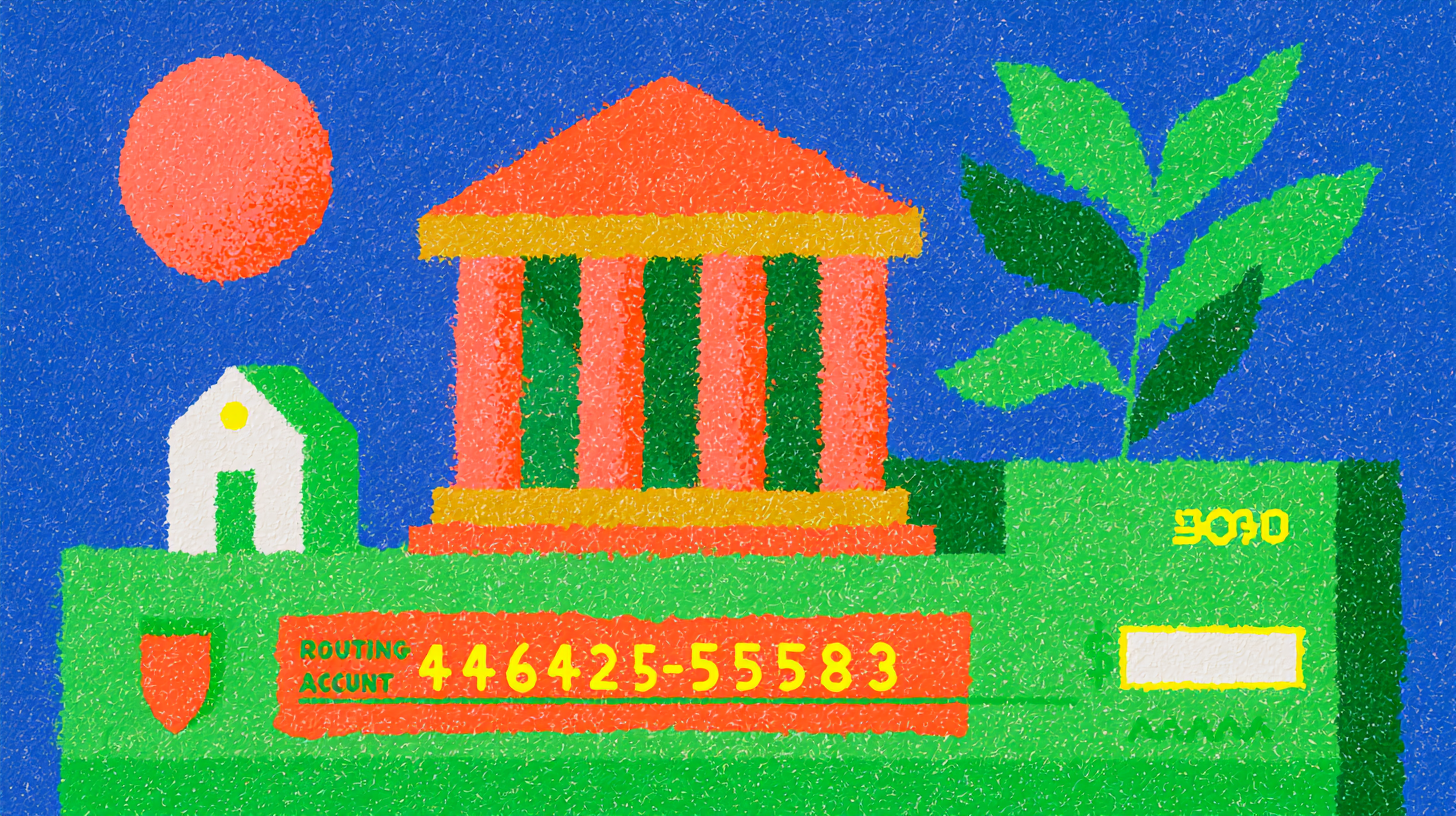
Financial Education
We explain your bank account number in 2026: a guide for immigrants
8 min de lectura
What is a bank account number and understanding bank account numbers: A 2026 guide for immigrants
If you recently opened your first bank account in the U.S. or received account and routing numbers you do not fully understand, learning what these numbers mean can make everyday banking much easier. These numbers are commonly used for direct deposits, tax refunds, ACH transfers, and automatic bill payments.
Your bank account number works as the identifier for your personal account within the banking system. Combined with your routing number, it helps employers, government agencies, and payment platforms send money to the correct place securely.
What is a bank account number?
A bank account number is a unique sequence of digits assigned to an account holder by a financial institution. It functions much like a physical address for your account within the broader banking network, distinguishing your account from others and ensuring that transactions are accurately processed.
Structure of a bank account number
The format of bank account numbers varies by financial institution, but generally includes several key components:
- Bank code/institution number: identifies the financial institution
- Branch code/sort code: identifies the specific branch where the account was opened
- Account number: the unique identifier for your personal account
- Check digits: help detect typing errors
What is the bank account number used for?
- Payroll direct deposits
- IRS tax refunds
- ACH transfers between banks
- Automatic bill payments
- Identity verification with financial institutions
Account number vs. routing number: what is the difference?
Routing number:
A 9-digit code that identifies the bank or financial institution. It is the same for all customers at the same bank.
Account number:
Unique to your specific account. No one else at the bank has the same account number as you.
When setting up a direct deposit, you generally need to provide BOTH: your bank's routing number and your personal account number.
Where do you find your account number?
- On your checkbook checks (bottom section)
- In your bank's mobile app (account information section)
- On bank statements
- By contacting your bank's customer service
How to protect your account number
- Share it only with trusted entities like your employer or the IRS
- Monitor your account regularly for unauthorized activity
- Do not post it on social media or unsecured emails
- If you suspect your account number was compromised, contact your bank immediately
FAQ
Does my account number change if I lose my debit card?
Generally no. Your card number is different from your bank account number. When you lose your card, the bank issues a new card with a different number but your bank account number generally remains the same.
Can I have more than one account number at the same bank?
Yes. If you have multiple accounts (e.g., checking and savings) at the same institution, each account has its own unique number but they will share the same routing number.
Común is a financial technology company and not a bank. Banking services are provided by Community Federal Savings Bank, Member FDIC.






Thousands of immigrants are already achieving more with their money. You can too.
Comun is a financial technology company and not a bank. Banking services are provided by Community Federal Savings Bank; Member FDIC. The Comun Visa® Debit Card is issued by Community Federal Savings Bank, pursuant to a license from Visa U.S.A Inc. and may be used everywhere Visa Cards are accepted.
Comun is a fintech company and not a bank or licensed money transmitter.
* Results may vary. For a complete list of eligible IDs and application requirements, follow this link.
^ No minimums, no maintenance fees. ATM or transfer fees may apply. See app for fee details.
‡ Direct deposit funds are typically available when we receive the payment file, up to two days before the scheduled payment date. This early availability is not guaranteed.
** A service provided by Service UniTeller, Inc. Service UniTeller, Inc. is licensed in all states that require a license. Remittance fees start at $2.99 but may vary. Please check the app for more details. Comun Inc. may earn revenue from the conversion of foreign currencies.
† Funds in your account are FDIC insured up to $250,000 by ownership category through Community Federal Savings Bank (CFSB), Member FDIC, in the event CFSB fails.