Community
How Common Makes Money: A Transparent Look at Our Business
Founded by Mexican co-founders who themselves navigated the banking system as immigrants in the United States, Común.
8 min read

Like most financial apps that don't charge a monthly fee, Común generates revenue mainly through interchange fees (a small fee paid by the merchant, not you, every time you use your debit card) and international remittance fees.
Founded by Mexican co-founders who themselves navigated the banking system as immigrants in the United States, Común brings a unique perspective to the challenges faced by its target audience.
Let’s look at how Común remains profitable through innovative revenue streams, cost-saving strategies, and a deep commitment to its customers, emphasizing how these factors contribute to the ease and benefits of virtual banking for newcomers to the financial world.
Revenue Streams: Banking Services
Común not only offers essential banking services¹, but also features such as international remittances⁴, which provide significant benefits for Común customers. Común monitors cash flows and payment channels to ensure efficient and secure transactions. Consumers often pay high remittance fees with other services, but Común offers a cost-effective alternative.
This service is crucial for immigrants who regularly send money home, increasing Común’s appeal as a banking solution that understands and responds to the specific financial dynamics of its users.
Cost-Saving Strategies: Financial Inclusion
The strategic absence of physical branches allows Común to minimize operating costs and maximize profits. Común allocates resources to expand its reach and improve financial services for Latina immigrant families. These savings are passed on to customers through lower fees and better rates, making financial services more accessible. Común’s digital platform makes banking easier to access, offering 24/7 services that make money management secure and efficient from any browser or app.
Company Values and Customer Relationship
Común champions financial inclusion, particularly within the Latino community, positioning itself among companies dedicated to serving Latino communities and enabling account setup with a variety of international IDs. This inclusivity strengthens trust and understanding between Común and its customers, fostering a supportive banking environment.
Competitive Advantage
By creating a customer-focused digital bank that offers services in Spanish and accepts nontraditional IDs, Común specifically addresses the barriers faced by Latino immigrants. This personalized service not only sets Común apart from its competitors, but also deepens customer loyalty and trust.
Target Audience
Común focuses on Latino immigrants, a group often overlooked by traditional banks. In its latest funding round, Común raised $5 million in June 2022 to further develop its services. By offering accessible and empathetic financial services, Común not only meets a significant market need, but also empowers its customers toward greater financial stability and integration into the U.S. economy. South Park Commons, along with Costanoa Ventures, has played a key role in supporting financial inclusion banking solutions for Latina immigrant families in the United States.
Conclusion
Virtual banks like Común present an easy-to-use, cost-effective, and inclusive alternative to traditional banking, particularly beneficial for those who are new to banking or marginalized by conventional financial institutions. By focusing on accessibility, cost efficiency, and customer-oriented services, Común not only maintains profitability, but also significantly improves the banking experience for its users.
If Común doesn't charge a monthly fee, how does it make money?
Mainly through interchange fees — a small fee the merchant pays (not the user) every time the debit card is used — and international remittance fees, which start at $2.99 per transfer.
Does this mean using Común is "free"?
Using your checking account (no monthly fee, no minimum balance) is at no cost to you. International remittances do have a fee, shown transparently before you confirm each transfer.
Why does it matter to understand how your financial provider makes money?
Understanding the business model helps confirm incentives are aligned — a provider that earns from interchange fees benefits from you using your card, not from charging you hidden fees.
Frequently asked questions
Does Común charge any hidden fees if there's no monthly fee?
No, using the checking account is at no cost; the only visible fee is for international remittances, shown before you confirm.
What's an interchange fee?
It's a small fee the merchant pays to the payment network (Visa) every time a customer uses their debit card — the user doesn't pay it.
Does Común make money from my remittances?
Yes, remittance fees (starting at $2.99) are one revenue source, shown transparently before each transfer.
Why do some banks charge a monthly fee and Común doesn't?
It depends on each institution's business model; Común relies more on interchange and remittance fees than account fees.
Does this affect the safety of my money?
No, your money is FDIC-protected up to $250,000 through Community Federal Savings Bank, regardless of Común's revenue model.
Where can I see exact fees before using them?
The app shows applicable fees (like remittance fees) before you confirm any transaction.
About Común
Común aims to support the Latino community in the United States. It offers a debit account that can be opened with more than 100 valid Latin American IDs and an app available in Spanish.
Visit Común's website or download the app for free to learn more about the full offer and applicable terms.
Olivia Rhye
Community Partner

Community
What You Need to Open an Account at Comun¹ 5
8 min de lectura
Unmatched Ease of Opening an Account
Opening a checking account with Comun is simple and hassle-free, addressing the barriers to financial exclusion typically faced by the immigrant community. Accepting over 100 forms of identification², including social security numbers from Latin American countries, Comun ensures that immigrants have access to essential banking services. The application process is quick, taking less than 5 minutes, and is free of additional or hidden fees, minimum balance requirements or monthly commissions. This inclusiveness is central to Comun's mission of fostering financial stability and growth.
Mobile Deposit Options
ComunComun offers a convenient mobile deposit feature that allows users to deposit cash at more than 88,000 locations in the United States, including major retailers such as Walgreens, Dollar General and Walmart. This extensive network ensures that users can easily find a deposit location near them, making the process of adding money to their accounts simple and hassle-free.
Traditional Banking: Although many traditional banks offer mobile deposit options, they often restrict these to check deposits through a mobile app. Cash deposits typically require a visit to an ATM or bank branch, which can be less convenient and more time-consuming than Comun's extensive cash deposit network.
Utility in Today's World: In today's fast-paced environment, the flexibility to deposit cash in a wide range of accessible locations is invaluable, especially for individuals who may not have easy access to traditional banking services or who work non-traditional hours when banks are closed.
International Remittances
ComunComun excels in facilitating international remittances⁴, allowing users to send money abroad quickly and with lower fees compared to many traditional banks and remittance services. The process is enhanced with real-time notifications, keeping the sender informed from the moment the money is sent until it is received.
Traditional Banking: Traditional banks generally offer international transfer services, but these can be expensive and slow, with transfers sometimes taking several days to complete. In addition, the fees associated with traditional bank remittances can be significantly higher.
Usefulness in Today's World: In a globalized economy, the ability to send money across borders quickly and affordably is crucial. Many families rely on remittances for financial support, and businesses need efficient ways to handle international transactions. Comun's streamlined and cost-effective service effectively meets these modern demands.
Advance Salary Access
Comun: Comun offers the ability to connect wages to the application and receive payment up to two days in advance³. This feature incurs no additional fees, providing significant relief during financial emergencies or when planning ahead.
Traditional Banking: Some traditional banks have begun to offer similar features, but they are often tied to specific types of accounts or require a minimum balance. The accessibility and ease of use of early access to Comun's salary is not always matched in traditional environments.
Usefulness in Today's World: With the rise of gig economy jobs and irregular pay schedules, having early access to wages can provide a buffer against financial instability. This feature is particularly valuable for those living paycheck to paycheck, offering a cushion that can help avoid overdraft fees and late payments.
Unlike traditional banking institutions, Comun's innovative features are designed to meet the needs of today's diverse and mobile population, particularly benefiting the immigrant community in the U.S. By providing services that offer greater convenience, lower costs and greater accessibility, Comun not only addresses common challenges faced by its users, but also empowers them toward greater financial freedom and stability. As we move toward a more interconnected and fast-paced world, the importance of responsive and inclusive financial services continues to grow, something Comun is uniquely positioned to offer.
Robust Security and Customer Support
Security and customer support are paramount at Comun. With FDIC-insured accounts and Visa protection on virtual Visa debit card transactions, Comun customers can manage their funds with confidence. Innovative security features such as biometric logins and instant transaction notifications keep your money safe. In addition, Comun offers 24/7 customer support in English and Spanish, ensuring that help is always available in your preferred language.
Commitment to Zero Fees and Upward Mobility
Comun stands out not only for offering zero fees for account opening, monthly maintenance or minimum balances, but also for its commitment to helping its users move up the financial ladder. Comun acts as a financial partner, supporting financial transactions without the burden of excessive fees. This commitment aligns with the goal of enabling upward mobility for immigrants, who contribute significantly to the U.S. economy.
Customized Features and Benefits
Comun goes beyond traditional financial services by offering features designed to meet the unique needs of the immigrant community. Users can send money abroad with low or no fees, deposit cash at more than 88,000 locations nationwide, including free ATM withdrawals, and connect their accounts to popular payment apps such as Zelle, CashApp and Venmo. Comun's platform also allows customers to receive their paychecks up to two days early through direct deposit, further enhancing their financial flexibility and stability.
Conclusion
Comun is not just a financial services provider, but a platform dedicated to transforming the banking experience for immigrants in the U.S. With its user-focused design, commitment to financial freedom and robust features, Comun is destined to become a vital tool for achieving financial stability and growth for its users. Whether you are looking to manage your daily finances or send money to loved ones abroad quickly and securely, Comun offers a reliable, inclusive and efficient banking solution.
Foundational Moment: Did you know?
Founded by entrepreneurs Mark Selcow and Andres Santos in New York, Comun was built to empower families and enable upward mobility, particularly for the immigrant family. The company has garnered significant investment from prominent firms such as Costanoa Ventures, FJ Labs and South Park Commons, underscoring the tremendous opportunity to serve the financial needs of immigrant families and improve the lives of every individual.
.avif)
Immigration
What is SSN? Everything you need to know if you are a resident in the U.S.
8 min de lectura
An SSN (Social Security Number) is a 9-digit number issued by the U.S. government. It is required for working legally, filing taxes, and accessing financial services in the United States. As an immigrant, you may apply for an SSN if you have an eligible visa or Green Card — or use an ITIN as an alternative. If you have newly arrived in the U.S., you likely have questions about how to handle certain procedures. Therefore, we will explain what the SSN is, what it is for, how to apply for it, how much it costs, and what the benefits are of having this identifier.
What is the Social Security Number (SSN)?
The Social Security Number (SSN) is a series of 9 digits issued by the Social Security Administration (SSA, or Administración del Seguro Social in Spanish). It is issued to citizens, permanent residents, and eligible temporary residents, in accordance with their immigration status.
Its main function is to serve as a unique identification number that allows the government to track specific data for each person, such as their income, financial information, and employment history. This makes it possible to determine, in each particular case, eligibility to access Social Security benefits such as retirement, disability, among others.
In addition to facilitating access to these benefits, the Social Security card serves as official identification for employment onboarding, driver’s licenses (in some states), and opening bank accounts.
How to obtain the Social Security Number in the United States?
An important point about the Social Security Number in the U.S. is that there are three different types:
- For citizens born in the United States
- For citizens born abroad
- For non-citizens with lawful resident status
In the case of lawful permanent residents, it is necessary to obtain a Green Card or a visa with valid work authorization issued by the Department of Homeland Security (DHS), such as H-1B or L-1.
The process of obtaining the SSN varies depending on immigration characteristics. If you requested the SSN during your visa processing—through the “Application for Immigrant Visa and Alien Registration” form or the DS-260 electronic format, “Immigrant Visa Electronic Application”—DHS will contact the Social Security Administration directly to carry out the process.
Get your SSN in just 4 steps
If you did not request the SSN during your visa process, the first thing you should do is gather the following documentation:
- A valid passport with the Machine Readable Immigrant Visa (MRIV) or a Permanent Resident Card (Form I-551)
- Birth certificate
Once you have gathered the documentation, follow these steps:
- Download and complete the SS-5 application
- Go to an SSA office
- Present the original documents
- Wait 7 to 14 days to receive the Social Security card by mail
What to do if your SSN card is lost?
If your Social Security card is lost, it is important to take security measures immediately to avoid identity theft, fraud, or misuse of your personal data.
Report the theft or loss of this document to the police and then file a complaint with the Federal Trade Commission (FTC).
Afterwards, go to the Social Security Administration, complete the SS-5 form again, and bring the corresponding documents for replacement of the card.
Avoid carrying the card with you unless necessary and keep it in a safe place. Generally, you do not need to present your physical card but rather the number, which does not change even if you replace the card.
5 benefits of having an SSN
If you are still wondering what the SSN is for, you should know that this document provides multiple benefits of different kinds, such as the following:
1. Employment
For permanent residents, the greatest benefit of the SSN is that it grants work authorization, enables income tracking, as well as the payment of taxes and legal obligations. Presenting this document is an indispensable requirement during formal hiring processes in the United States.
2. Credit
The SSN is also typically required to apply for loans and credit from banks and financial institutions in the United States; in this way you can access assets such as real estate, a car, or other types of services.
3. Banking services
Accessing financial services is essential for immigrant workers in the United States, whether to receive wages or send money to their countries of origin. Generally, the SSN is a requirement to access a bank account and credit and debit cards, among other services.
4. Government benefits
There are other benefits available, such as unemployment insurance in the event of dismissal, and access to retirement and Medicare starting at age 65, for eligible permanent residents.
5. Taxes
The SSN functions as the taxpayer’s personal identification number, which makes it easier to file tax returns and report income and expenses. Another alternative for residents who do not have an SSN is the ITIN, issued by the Internal Revenue Service (IRS), which serves to fulfill tax obligations and grants other benefits.
In short, the Social Security Number—beyond being an administrative procedure—facilitates economic and social integration in the United States because it serves to track income and expenses and facilitates access to basic rights such as work, health, and banking, which are essential for integrating into society.
How much does it cost to get an SSN?
It is important to clarify that the Social Security card process does not involve any cost, whether you do it for the first time or as a replacement due to theft or loss.
Stay alert to potential fraud and avoid making payments to unauthorized third parties. If you have any doubts, go directly to your local Social Security office and report any suspicious activity.
Read more: Don’t miss our guide to investment basics for immigrants
Simplify your financial life upon arriving in the United States with Comun
As you can see, the SSN is highly relevant to establishing a stable life in the United States because it facilitates access to work, health services, and financial products that are essential for carrying out daily tasks such as payments and money transfers.
Comun is a financial platform designed to make life easier for immigrants in the United States by facilitating their integration into the financial system from day one.
- Open your account with an official ID from your country of origin
- Receive a Visa debit card and make purchases easily in physical stores and online
- Access a mobile application and manage your finances from the palm of your hand
- Send remittances to your home country for a fee starting at $2.99 USD, up to the applicable limits
- Forget about hidden fees and complicated processes
- Access support available in Spanish and English
With Comun, discover the most accessible way to manage your finances for everyday life in the United States.
Frequently Asked Questions
If you still have questions, consult our Frequently Asked Questions section.
What should I do if someone uses my SSN without permission?
Report immediately at IdentityTheft.gov and place a fraud alert.
How many times can I replace my SSN card?
Up to 3 times per year and a maximum of 10 times in your lifetime.
Is it mandatory to have an SSN to open an account with Comun?
Comun allows you to open an account with official ID from your country.

Financial Education
What is ACH and why is it important for sending and receiving money in the U.S.?
8 min de lectura
If you need to make bank transfers in the United States, it will be useful to know what the ACH network is and understand its importance in the country’s banking system.
ACH (Automated Clearing House) is an Automated Clearing House that handles the processing of electronic transfers between U.S. accounts.
It is highly relevant for receiving direct payroll deposits, also known as ACH credits, and for processing recurring payments, due to several advantages compared to the traditional bank network, such as cost reduction and traceability of operations.
According to official sources, in 2024 the ACH payment network processed around 33.6 billion electronic payments, with a value close to $86.2 trillion, underscoring the importance of this method in the U.S. financial system.
On this occasion, we will explain in detail the advantages of this type of transaction and provide some recommendations so you can get the most out of them.
What is ACH and how does it work?
ACH or Automated Clearing House is a network that allows money to move between banks, credit unions, and other financial institutions in the United States, where the use of cash or checks is not necessary, because everything is processed electronically.
The central part of this system is NACHA (National Automated Clearing House Association), which oversees compliance with the rules and ensures transfers are carried out according to established security standards.
It is very likely that in your daily life you have already used the ACH system without noticing it. For example, for:
- Payroll deposits: every time you receive your salary in your bank account.
- Bill payments: to pay basic services such as electricity and internet automatically.
- Transfers between people: when you make an electronic transfer to a friend or to your own accounts.
Differences between ACH payments and other transfer methods
In the United States, there are different systems for moving money. In addition to the ACH network, you can rely on more traditional networks such as wire transfers and checks.
The main difference with other bank transfer systems is that ACH focuses on electronic, secure, and low-cost payments, which take longer than other options that tend to be more expensive; whereas ACH transfers are more suitable for recurring payments and direct deposits.
Below, we show you a comparative table so you can visualize the fundamental differences between ACH payments and other methods.
| ACH | Wire transfer | Check | |
|---|---|---|---|
| Transaction speed | From 1 to 2 business days | From minutes to hours | From 2 to 5 business days |
| Cost per transaction | Free or reduced | Variable, around $25 to $50 USD | There may be issuance costs |
| Geographic availability | Only within the United States | National and international | National and sometimes international |
| Most common use | Payroll payments, bills, transfers between accounts, automatic payments | Transfers of large amounts of urgent money | Traditional payments between people without access to a bank account |
Benefits and some recommendations when using ACH payments
One of the main advantages of ACH payments is the security involved in using this system to transfer money. This is because it is regulated by an organization called NACHA, which verifies each transaction based on financial system regulations, thereby reducing the chances of fraud.
Despite the trust that ACH transfers provide, they also present some limitations.
These are the most common benefits and limitations of the ACH system:
Benefits
- It is the lowest-cost method of transferring money, as transactions are free or have minimal fees
- Transactions are protected by NACHA regulations, which guarantees their security
- It is a system well-suited for processing recurring payments and subscriptions
- It is easy to track operations, because all are recorded in the banking system
Limitations
- Transactions take longer to complete. Generally, they are reflected the next day or up to two business days later
- International money transfers cannot be made, only within the United States
- Some banks may set daily limits, so it is not advisable for moving large amounts of money
If you need an alternative for making recurring payments and direct deposits to a bank account within the United States, the ACH network is a popular alternative due to its security standards and accessibility. But if you are looking for other types of financial services, you can consider more comprehensive options.
At Común we make your ACH payments easier
As you can see, ACH payments are a reliable option for making and receiving money transfers, as long as they are scheduled transactions within the United States and within the limits set by banks.
It is very important to have a reliable and transparent partner to move your money and manage your personal finances in a comprehensive and efficient way.
Meet Común, the platform that integrates the ACH network for direct deposits, payments, and transfers, and uses a service that has clear and visible rates in the mobile app.
Discover everything Común offers you!
- Open your account with a qualified official ID from your country of origin—we accept more than one hundred of them!
- Get a debit card and make purchases easily
- Deposit cash at hundreds of locations near you
- Make international money transfers for a fee starting at $2.99 USD, up to the available limits
- Be part of a service that speaks your language and understands the needs of immigrants working in the United States
Don’t wait any longer—open your account at Común!
Frequently Asked Questions (FAQ)
If you have questions about what ACH is and what it is for, consult our Frequently Asked Questions section.
How long does an ACH transfer take?
Generally, ACH transfers take 1 to 2 business days. It is also possible they are completed the same day if the bank offers the same-day ACH option.
How much does it cost to send money via ACH?
ACH transfers are usually free up to the applicable limits. Some banks charge a minimal fee, around $3 USD. It is a more economical option than a wire transfer, which can cost more than $50 USD.
Is it safe to use ACH for personal payments?
Yes, ACH transfers are regulated by the NACHA system, so they are easily traceable and protected with anti-fraud security measures.
Can I use ACH if I don’t have a bank account in the U.S.?
No, to send money through the ACH system you need an account number from a U.S. bank or credit union. Otherwise, you can resort to more accessible alternatives such as Venmo, PayPal, and Común.
What is an ACH payment?
An ACH payment is a money transfer processed through the ACH system and managed by NACHA (National Automated Clearinghouse Association).
What is a wire transfer?
A wire transfer is a payment method that allows money to be moved from one bank to another electronically, both nationally and internationally.

International Money Transfers
What banks does Zelle have in Mexico? A Complete Guide to Sending and Receiving Money from the U.S.
8 min de lectura
Have you heard of Zelle? It is a highly popular digital payments platform in the United States. It allows users with accounts at affiliated banks—whether traditional banks, digital banks, or credit unions to easily send and receive money.
In 2024 alone, Zelle reported 151 million enrolled accounts, including individuals and small businesses, reflecting its widespread adoption among U.S. users.
If you need to send money outside the United States easily, for example Mexico, you may be wondering which banks in Mexico support Zelle.
However, this platform does not have agreements with any banks in Mexico, and it is mandatory to have a U.S. banking account to access its services.
Nevertheless, there are other options as efficient as Zelle for sending money to Mexico, such as banking accounts with integrated remittance services and international money transfer applications.
Below, we explain how to receive money through Zelle, the benefits it offers for users in the United States, and the alternatives available for sending money to other countries.
What is Zelle and Is It Possible to Use It in Mexico?
Zelle is a digital payments service that facilitates P2P (peer-to-peer) transfers at certain partner banks within the United States.
It is known for being a fast service, with money transfers reflected within minutes, in addition to being free and having broad coverage throughout the U.S.
It operates through the mobile apps of participating banks, as it is directly integrated with them and only allows money transfers to other Zelle users.
But which bank in Mexico is compatible with Zelle? Unfortunately, it is not possible to send or receive money through this platform in Mexico, as it is not designed for international money transfers and only complies with the technological and regulatory standards of the U.S. financial system.
Which Banks in Mexico Use Zelle? Everything You Need to Know
No bank in Mexico is compatible with Zelle services, meaning that international money transfers cannot be made through this platform.
To use Zelle, you must have a U.S. banking account at one of the affiliated banks.
Here is a list of some of the major banks that support Zelle in the United States:
- Ally Bank
- Bank of America
- BMO Harris Bank
- Capital One
- Chase (JPMorgan Chase)
- Citibank
- Citizens Bank
- Discover Bank
- Fifth Third Bank
- FirstBank
- Frost Bank
- Huntington Bank
- PNC Bank
- Regions Bank
- TD Bank
- Truist Bank
- US Bank
- Wells Fargo
Although Comun is not integrated with Zelle, this does not limit its functionality, as it is a comprehensive personal finance solution that goes beyond just money transfers.
How to Send Money to Mexico with Zelle? Answers and Efficient Alternatives
If you need to send money to Mexico quickly, you will have to choose a different service than Zelle, as it only allows bank transfers between U.S. accounts.
The main reasons Zelle is not available in Mexico are:
- To register with Zelle, you must access the online banking platform of one of the affiliated U.S. banks.
- You also need a U.S. phone number or email address.
- Zelle is not a remittance or international payment platform, so it does not have the capacity to convert currencies or deposit funds in international banks.
- Zelle does not comply with the regulations of financial institutions in Mexico, such as Banxico and the CNBV.
If you have used Zelle to send money within the United States, you are likely looking for a similarly reliable system to make international money transfers.
U.S. Banking Accounts with Integrated Remittance Services
In addition to traditional banks, there are alternatives that offer integrated remittance services to facilitate money transfers to Mexico.
Comun is a platform that meets the needs of many people in the United States, especially the immigrant community, by allowing remittances to be sent to loved ones easily, at very low cost, and through a single mobile application.
International Money Transfer Platforms
Another alternative for making international money transfers is to use platforms specialized in this type of transaction.
Examples include:
- Wise: sends money between accounts using the real time exchange rate.
- Remitly: offers international money transfers with standard or instant delivery.
The advantage of these platforms is that a bank account is not required, and their operation is accessible. However, the money transfer fees vary depending on factors such as the amount to be sent and the exchange rate.
Traditional International Bank Transfers to Mexico
You can also opt to make money transfers through traditional banks, for which you will need the SWIFT code of the receiving institution in Mexico and the recipient’s banking details.
Although it is a secure option, it is also one of the most expensive, due to high fees and intermediaries that increase the cost.
For example, a U.S. bank like Bank of America charges a $45 USD fee plus an average of 1% to 3% exchange rate margin. Therefore, in a money transfer of $1000 USD, the recipient receives approximately 900 pesos MXN less than with specialized international money transfer platforms.
Cash Deposit/Withdrawal Services at Retail Networks
If the recipient does not have access to a banking account, you can choose a service for cash deposit and withdrawal at physical locations.
Some examples include:
- Western Union: global network for bank transfers and cash delivery
- MoneyGram: allows money transfers to banking accounts and in cash
- Comun: also allows quick cash transfers
Beyond Zelle: Comun Simplifies Your Financial Life in the U.S. and Your Money Transfers to Mexico
Although Zelle is a very effective service for sending and receiving money within the United States, it has limitations that prevent international money transfers, making it more suitable for citizens who need to make frequent payments within U.S. territory.
For the immigrant community in the United States, it is important to choose a solution that not only facilitates money transfers but also offers a complete, accessible, and easy-to-use finance platform.
Comun is the platform that will simplify your financial life in the United States, offering the following benefits:
- Open an account easily using your official ID from your country.
- Forget about traditional fees: no opening fee, no monthly maintenance fee, and no minimum balance required.
- No hidden charges for remittances: your first international money transfer is free, and afterward you pay a fee starting at $2.99 USD per transfer, up to the applicable limits.
- Customer support also available in Spanish.
- Integrate your finances and remittance service in a single mobile application, making Comun the most suitable option.
- Obtain a Visa debit card to make purchases in physical stores.
- Access an extensive cash management network and make deposits at thousands of locations near you.
Open your Comun account and access a financial service without complications.
Frequently Asked Questions
Do I need a U.S. account to use Zelle?
Yes, Zelle is only available through the online banking platforms of affiliated U.S. banks.
Can I send money to Mexico via Zelle if I have a U.S. account?
No, no bank in Mexico is compatible with Zelle.
What are the best alternatives to Zelle for sending money to Mexico?
Comun: a fintech platform that provides access to an account and remittance capabilities.
Does Comun offer Zelle for sending money to Mexico?
Comun is not connected to Zelle, but you can send money to Mexico for a fee starting at $2.99 USD per transfer up to the applicable limits.
How do I set Zelle to Spanish?
Since it is a service available through the affiliated bank apps, you must access their settings and select Spanish as the preferred language.
How do I download Zelle?
Go to the Play Store or App Store and search for Zelle. Remember, it is only available in the United States.
Checking account
What Is a Debit Card and How Does It Work?
8 min de lectura
A debit card is a bank card that lets you make purchases and withdraw money using funds available in your bank account. A debit card looks a lot like a credit card, but it works differently. When you use a debit card, the money is deducted directly from your bank account. That means you can only use the card if you have enough available funds — otherwise, the transaction won't go through.
Who Issues Debit Cards for Consumers?
Debit cards are issued by banks and are linked to individual checking accounts. You can get a debit card by opening a bank account at any bank or credit union that offers this service.
Many banking institutions also offer other digital services, like mobile and online banking, that let you manage your account over the internet or through a mobile device. In general, all banks offer services designed for people with different needs and income levels, giving nearly every adult access to banking.
Even though debit cards are easy to use, you should be careful with them. If you lose your card or it's stolen, report it to your bank immediately to prevent fraud or misuse. You should also regularly check your statements for fraudulent transactions or errors. With a bit of care, debit cards can be a useful tool for managing your money and making purchases online and in person.
How Can You Use Your Debit Card to Make Purchases or Withdraw Money From an ATM?
There are many ways to use a debit card to make purchases or withdraw money from an ATM.
To make a purchase, you can insert your card into the point-of-sale (POS) terminal and select "debit" as your payment method. Then enter your PIN and select the purchase amount.
To withdraw money from an ATM, insert your card into the machine's slot and select "checking/savings." Then enter your PIN and select the amount you want to withdraw.
You can also use your debit card to make payments online or by phone. To make an online payment, enter your card details on the merchant's website. To make a payment by phone, call the merchant's customer service number and provide your card details when asked.
What Protection Do Visa Debit Cards Have Against Unauthorized Charges?
If you have a Visa card, you're protected by Visa's Zero Liability policy. This policy guarantees you won't be held responsible for any unauthorized charges made with your card. That means if someone steals your card or uses it without your permission, you won't have to pay for those charges.
Visa's Zero Liability policy applies to all Visa cards, including debit and credit cards. It also applies to all transactions, including online and in-person transactions. This policy was put in place to help protect consumers against fraud and identity theft.
If you're a victim of fraud or identity theft, be sure to report it right away. You can call Visa's toll-free number 24/7 to report any incident. Visa will work with you to resolve the issue and help protect your money and identity.
What Are Virtual Debit Cards?
A virtual card is a card that isn't physical — it exists only in the digital world. Virtual cards are often used for online purchases, since they offer more security than using a regular debit card.
One of the benefits of virtual cards is that they can be used to limit how much money is spent on a purchase. For example, if you're buying something online and want to make sure you don't go over budget, you can use a virtual card instead of your regular credit or debit card. This can help you stay within budget and avoid racking up debt. Likewise, if your information is stolen during a transaction, the thief won't be able to access your other cards. This can help prevent fraud and keep your personal information safe.
If you're interested in getting a virtual card, there are a few things you should know. First, not all banks offer virtual cards, so you may need to open a new account at a bank that offers this service. Second, not all merchants accept virtual cards, so there may be some places where you can't use them. Finally, virtual cards sometimes come with associated fees, so be sure to read the terms and conditions before using one.
The Benefits of Común
When you get a checking account with Común, you'll get two debit cards: a physical one and a virtual one.
The physical card lets you make purchases at any business, and offers security thanks to its contactless capability and chip. This prevents your card details from being cloned or used for fraud.
The virtual card lets you make online purchases with more confidence, since contactless technology and chip protection aren't available on the internet — but if fraud does happen, the card can be canceled and replaced immediately. You can contact our support team anytime to report these cases.
Común debit cards work at more than 55,000 ATMs across the United States for deposits and withdrawals, and are protected by Visa's Zero Liability policy. That means any unauthorized charge won't be deducted from your checking account balance.
.png)
Financial Education
What is a W-2 form? Complete 2026 guide for immigrant workers in the U.S.
8 min de lectura
What is a W-2 form? Complete 2026 guide for immigrant workers in the U.S.
A W-2 form is one of the most important tax documents employees receive in the United States. If you worked for an employer during the year, your W-2 shows how much money you earned and how much money was withheld for taxes.
For many immigrant workers, this may also be the first time dealing with U.S. tax documents. Understanding how to read a W-2, when you should receive it, and what to do if something is incorrect can help you file taxes more confidently and avoid delays during tax season.
This article is for informational purposes only and does not constitute legal or tax advice. It is recommended to consult a qualified tax professional for guidance specific to your situation.
What is a W-2 form?
A W-2 form, officially called the Wage and Tax Statement, is a tax document employers send to employees every year. The form reports: total wages earned, federal income taxes withheld, Social Security and Medicare taxes withheld, state or local tax withholdings if applicable.
The IRS requires employers to provide a W-2 to employees who earned wages during the tax year. You typically receive a W-2 if you are considered an employee of a company. Independent contractors and certain gig workers generally receive Form 1099 rather than a W-2.
When should you receive your W-2?
Employers must send W-2 forms to employees by January 31 of the year following the reported tax year. If you haven't received your W-2 by early February, contact your employer. If you still don't receive it, you can contact the IRS for assistance.
What information does the W-2 contain?
- Box 1: Wages, tips, and other compensation
- Box 2: Federal income tax withheld
- Box 3: Social Security wages
- Box 4: Social Security tax withheld
- Box 5: Medicare wages
- Box 6: Medicare tax withheld
- Boxes 15–17: State tax information
W-2 vs. 1099: what is the difference?
| W-2 employee | 1099 contractor |
|---|---|
| Employer withholds taxes | Worker usually pays taxes independently |
| May receive benefits | Usually no employer benefits |
| Employer generally has greater control over work duties | Worker has more independence |
| Receives W-2 in January | Receives 1099-NEC if eligible |
Can ITIN holders get a W-2?
Yes. Employees can receive a W-2 using an ITIN instead of an SSN. If you are legally working in the U.S. with work authorization but do not yet have an SSN, you can use your ITIN for tax purposes. However, remember that an ITIN does not authorize employment on its own. For more information about ITINs, visit comun.app/itin.
What to do if your W-2 has errors?
If you find errors on your W-2, such as an incorrect name, SSN/ITIN, or incorrect figures: contact your employer immediately to request a corrected W-2 (Form W-2c), wait for the corrected W-2 before filing your tax return, if you cannot get a correct W-2 in time, the IRS has procedures to help you.
FAQ
What is the W-2 form?
It is the Wage and Tax Statement your employer sends you each January, showing how much you earned and how much you paid in taxes the previous year.
When will I receive my W-2?
No later than January 31 of the year following the reported tax year.
What do I do if I don't receive my W-2?
First contact your employer. If unresolved, you can contact the IRS for assistance.
This article is for informational purposes only and does not constitute legal or tax advice. Común is a financial technology company and not a bank. Banking services are provided by Community Federal Savings Bank, Member FDIC.
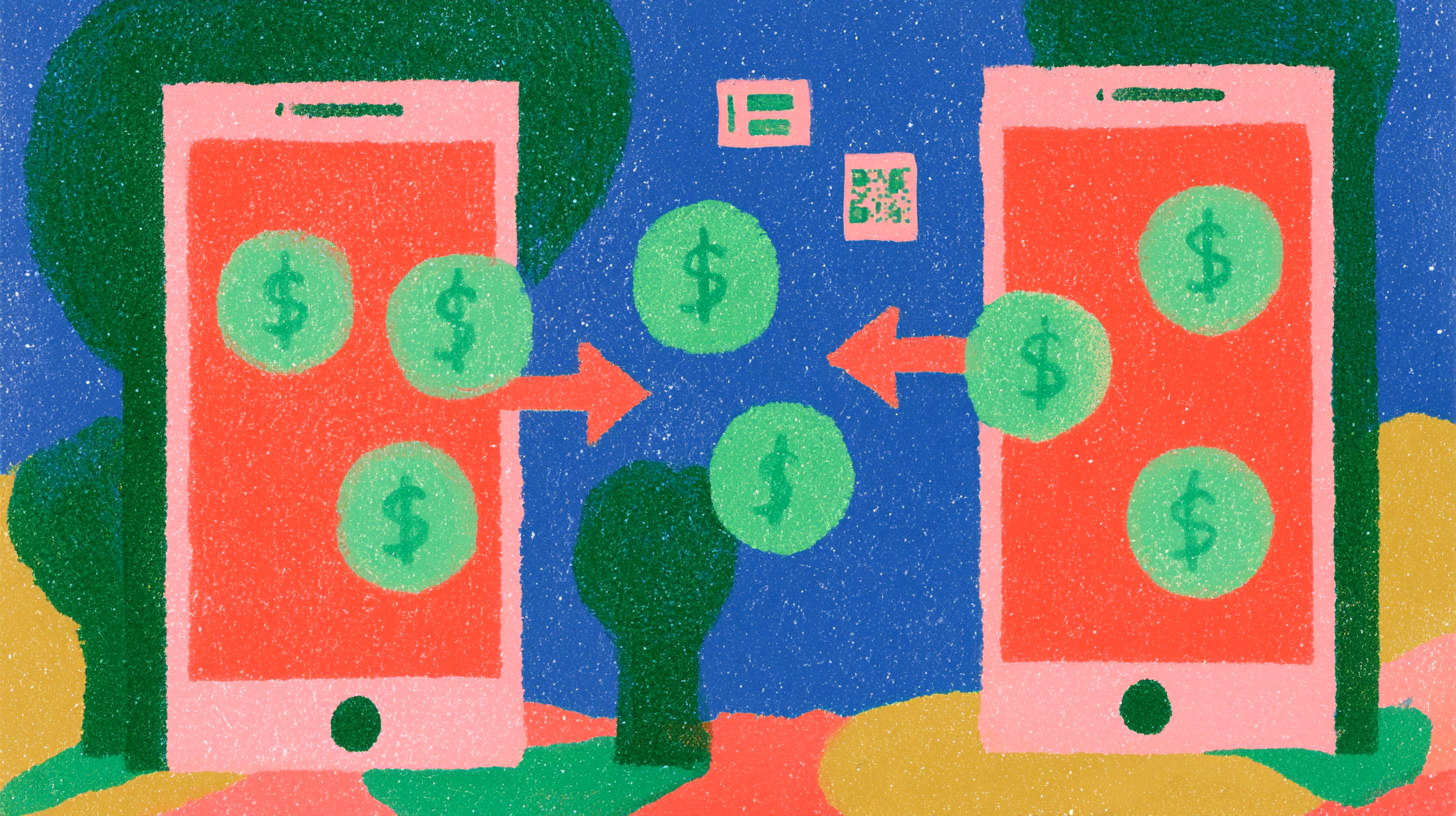
Instant payments
What is Venmo and how does it work? 2026 Guide
8 min de lectura
What is Venmo and how does it work? 2026 guide to understanding how Venmo works in the United States
Venmo is a digital payment app in the United States that allows people to send and receive money quickly from their phones. The platform works as a peer-to-peer (P2P) payment service, meaning users can transfer money to friends, family members, or other contacts using a linked bank account, debit card, or available balance within the app.
Over the last several years, Venmo has become one of the most widely recognized payment apps for splitting bills, paying rent, reimbursing friends, and handling everyday payments in the U.S.
What Is Venmo?
Venmo is a digital payment app for quick transfers between people who know each other. It is commonly used to split a restaurant bill, to pay rent between roommates or even for sharing costs for trips or events. Venmo operates within the United States and requires compatible payment methods such as U.S. bank accounts or debit cards.
Verified users can send up to $60,000 per week. Transfer limits vary based on account verification status and may change over time.
How does Venmo work?
To start using Venmo, users first need to download the mobile app on iPhone or Android and create an account using an email address or U.S. phone number. After setting up the account, users can connect a payment method such as: a U.S. bank account, a debit card, a credit card, or an existing Venmo balance.
Once the account is ready, users can search for another person on Venmo using their name, username, phone number, or QR code. From there, they can either send money or request a payment.
Venmo fees — Cost table
| Service | Possible fee |
|---|---|
| Standard bank transfer | No additional transfer fee |
| Instant transfer | 1.75% of the transfer amount |
| Payment funded by credit card | 3% fee may apply |
| Out-of-network ATM withdrawals | Additional fees may apply |
Venmo fees can change over time. Always review the latest information directly on Venmo's official website.
Is Venmo available in Spanish?
Venmo is not available in Spanish; the app operates entirely in English. However, you can make the app display in Spanish by changing your smartphone's system language. Venmo does not offer customer service in Spanish.
Can I use Venmo as an immigrant?
Venmo requires a U.S. bank account or debit card to work. If you do not have access to traditional banking services, it may be difficult to get started. Also, Venmo does not allow international remittances, so if you need to send money to family in Latin America, you will need a different service.
Venmo vs. Común — Direct comparison
| Feature | Venmo | Común (ComunPay) |
|---|---|---|
| Main function | P2P payments in the U.S. | P2P payments in the US, remittances and deposit accounts |
| Spanish-language support | No (English only) | Yes, fully bilingual app + 24/7 Spanish support |
| Ways to send money | Username, phone, email, or QR code | Phone number, email, @username, QR code |
| QR code payments | Yes | Yes |
| Remittances to Latin America | No | Yes |
| Part of a broader financial app | Yes, debit card and direct deposit | Yes, checking account, Visa debit card and remittance services |
When does it make sense to use Venmo?
Venmo may be useful if: your friends and family already use Venmo, you mainly need fast domestic payments in the U.S., and you have a linked U.S. bank account.
FAQ
Is Venmo available in Spanish?
No. Venmo operates entirely in English without Spanish customer support.
Can I send money to Mexico with Venmo?
No. Venmo only supports domestic transfers within the U.S.
How much does Venmo charge?
Standard bank transfers have no additional fee. Instant transfers carry a 1.75% fee. Credit card payments may have a 3% fee.
Is Venmo safe?
Venmo uses encryption and identity verification. However, like any P2P app, transactions are difficult to reverse once completed.
Común is a financial technology company and not a bank. Banking services are provided by Community Federal Savings Bank, Member FDIC. Peer-to-peer payments services are provided by Cross River Bank.

Immigration
O1 Visa Requirements in 2026: What You Need to Know
8 min de lectura
O1 Visa Requirements to Work in the United States
The United States offers a wide variety of visas to include as many profiles as possible that can contribute their knowledge to the country.
One example is the O1 visa, intended for foreign nationals who possess extraordinary abilities in fields such as science, sports, and the arts.
This visa has very specific criteria. Therefore, in this article, we explain the requirements established by the U.S. government to obtain it, the classification of O1 visa types, and the documents required during the application process.
If you are looking for an alternative to obtain a work visa in a highly competitive field, the O1 visa could open the door to a new life.
What Is the O1 Visa and Who Can Apply?
The O1 is a U.S. nonimmigrant visa aimed at foreign nationals with extraordinary abilities or outstanding achievements in specific areas.
The concept of “extraordinary ability” can seem a bit ambiguous, but in this context, USCIS refers to individuals who have reached such a level of excellence in their field that they have verifiable national or international recognition.
This visa is divided into two main categories:
O-1A Visa
For individuals with extraordinary achievements in science, education, business, or athletics.
O-1B Visa
For individuals with extraordinary ability in the arts, motion picture, or television industry.
As you can see, it is an immigration document that demands a high level of achievement from applicants in specific areas of work.
Main Requirements for the O1 Visa
To qualify for an O1 visa, applicants must meet a series of requirements established by USCIS.
Below are the main requirements for the two categories of this visa.
For the O-1A Visa
Applicants with outstanding achievements in science, education, business, or athletics must demonstrate they meet the following eligibility criteria:
- Having received significant recognition with national or international impact.
- Membership in prestigious associations that require outstanding achievements.
- Mentions or features in reputable media outlets.
- Having participated as a judge of the work of others in the same field.
- Being the author of published scientific articles.
- Having collaborated with distinguished organizations in the area of expertise.
- Evidence of a high salary or remuneration compared to others in the same field.
For the O-1B Visa
Applicants with outstanding achievements in the arts, film, or television industry can demonstrate eligibility if they meet the following requirements:
- Having received major awards, such as Grammy, Emmy, Oscar, or Nobel Prize.
- Participation in renowned productions.
- Being recognized by media and critics.
- Demonstrable commercial success or popularity.
- Having led prestigious projects.
It is important to note that it is not necessary to meet all these requirements, but the more criteria the applicant fulfills, the easier it will be to obtain the visa.
In both cases, applicants must have a job offer or a sponsor in the United States.
Documents and Evidence Commonly Submitted with the Application
In addition to meeting the criteria, the applicant must have the following documents to prepare a complete application.
Form I-129, Petition for a Nonimmigrant Worker
This form must be filed by the U.S. employer or agent and should include the following details:
- Full name of the beneficiary.
- Detailed description of the project.
- Expected duration and location of the project.
Letters of Recommendation
This letter is essential to support the applicant’s experience in their field. It must be issued by a group of peers, a union, or an expert entity.
Job Offer Letter or Employment Contract in the U.S.
It is a document signed by the applicant and the employer that sets out the terms and conditions of employment, responsibilities, and duration.
Additionally, the previously mentioned requirements can be supported with the following documentation:
- Copies of publications, articles, or press materials.
- Evidence of memberships, awards, or recognitions.
- Financial statements or evidence of high remuneration.
If you have any doubts about your application process, consult an immigration attorney who can help you determine whether your profile fits this type of visa, which is often considered an elite category. Keep in mind that there are other options such as the EB-1 and H-1B visas.
Find Opportunities in the U.S. with Support from Común
In this article, we explained that the O1 is the visa for individuals with extraordinary abilities, aimed at people with outstanding performance in science, sports, and the arts. We also covered the approval requirements and documentation needed to demonstrate that you belong to the groups covered by this work authorization.
Arriving in a new country to work involves many changes and learning to adapt to customs and regulations. When it comes to managing money effectively, it is essential that immigrants have access to quality financial services.
Discover Común, the financial platform that makes life easier for immigrants in the U.S.!
- Checking account with clear and competitive fees.
- International money transfers with affordable costs.
- Mobile app available in Spanish that accepts more than 100 official foreign identifications.
- Debit card for everyday purchases and payments.
Open your account with Común today and build your future in the U.S. with a financial platform designed for immigrants.
Frequently Asked Questions (FAQ)
Can You Obtain an O1 Visa Without a Sponsor?
No, the O1 visa always requires a sponsor to initiate the process. This sponsorship may be provided by a U.S. employer or an agency that acts as an intermediary between the applicant and contractors in the United States.
Although this visa cannot be self-petitioned, there is an option to hire an agent to submit the initial petition.
How Much Money Is Required for an Investor Visa in the United States?
The most common investor visa is the EB-5, which requires a minimum investment of $1,050,000 if the investment is made in a rural area or one with high unemployment.
A key requirement is that the project must create or maintain at least 10 full-time jobs in the United States.
Another investor visa option is the E-2, or treaty investment visa, which does not require a fixed amount but requires the applicant to prove that the investment is large enough to generate a positive impact.
Which Documents Carry the Most Weight for Approval?
The documents that usually carry the most weight for O1 visa approval are those that demonstrate sustained and verifiable recognition.
For example:
- Major awards.
- Publications in recognized media.
- Participation as a judge of others’ work.
- Membership in selective associations.
- Evidence of participation in well-known projects.
- Letters of recommendation from experts or field leaders.
Although it is not necessary to present all these documents, the more evidence there is, the greater the chances of approval.
How Long Does the O1 Visa Last and Can It Be Renewed?
The initial duration is 3 years, depending on the project. Extensions of 1 year can be requested as long as the requirements continue to be met.

Financial Education
How to Use ATMs Safely in the U.S.
8 min de lectura
To use ATMs safely in the U.S.: choose ATMs in well-lit locations and at reputable banks, cover the keypad when entering your PIN, inspect the card reader for unusual devices (skimmers), and use ATMs within your bank's network to avoid fees. Acting with caution can protect you from the most common ATM fraud.
ATMs are an essential financial tool in the United States. However, they are also a frequent target for fraud and theft. Knowing the best safety practices can make the difference between a secure experience and a financial nightmare.
Choose the ATM Carefully
Choosing the right ATM is the first step toward a secure transaction. Prioritize ATMs located inside banks or large supermarkets, in well-lit areas, and with visible cameras. Avoid ATMs in isolated or poorly lit areas, or those that appear to be in bad condition. ATMs from recognized networks such as Allpoint, MoneyPass, or your own bank offer greater security and generally no additional fees. Común gives you access to more than 55,000 fee-free ATMs in the U.S. through the Allpoint network.
Visual Inspection: Spot Skimmers
Skimming is one of the most common forms of ATM fraud. Skimmers are illegal devices placed over the card reader to copy your card information. Before inserting your card: gently pull on the card reader — if it moves or seems loose, do not use that ATM. Check that the keypad is not raised or has unusual components. Look for small cameras or strange objects near the keypad. If anything looks out of the ordinary, use another ATM and report the suspicious one to the bank.
Always Protect Your PIN
Your PIN is the key to your account. When entering it: cover the keypad with your free hand even if no one is nearby — there may be hidden cameras. Never share your PIN with anyone, including bank employees. Memorize it and do not keep it written down near your card. If you forget your PIN, call the bank; never use the first number that comes to mind because you could lock your card. Change your PIN periodically, especially if you suspect it has been compromised.
During the Transaction
While using the ATM: keep your distance from strangers — no one needs to be close to you while you are completing your transaction. Do not accept help from strangers, even if they seem friendly. Know the amount you need to withdraw before you arrive at the ATM. Put away your cash and card before walking away. Make sure the ATM returns your card before you leave. If the ATM "swallows" your card, contact the bank immediately (there is a number on the ATM or on your card).
How to Avoid ATM Fees
ATM fees can add up quickly. To avoid them: use ATMs within your bank's or financial institution's network. Común offers access to the Allpoint network with more than 55,000 free ATMs in the U.S. If you use an out-of-network ATM, expect to pay between $2.50 and $5 per transaction, plus whatever your bank charges. Plan your withdrawals — taking out a larger amount less often reduces the number of fees. Consider paying with a debit card at stores that offer fee-free cash back.
What to Do If You Have an ATM Problem
If the ATM does not give you the money but deducted it from your account: keep the receipt or take a photo of the screen. Contact your bank immediately (the number is on your card). The bank will investigate and generally resolves the issue within 10 business days. If your card is retained by the ATM: do not leave until bank assistance arrives (they have rapid-response technicians). If you must leave, call the bank immediately to report it and block your card.
Frequently Asked Questions About Safe ATM Use
How do I know if an ATM has a skimmer installed?
Skimmers usually protrude slightly from the original card reader, have a different color or texture, or move when pressed. On the keypad, look for an extra layer placed over the original keypad. They may also install small cameras disguised as decorations. If you have doubts, do not use that ATM and report it by calling the number on the ATM.
Is it safe to use ATMs at night?
It depends on the location. An ATM inside a 24-hour store or in a well-lit bank lobby is safe at night. Avoid outdoor ATMs in isolated areas or on lightly traveled streets at night. If you urgently need cash at night, prefer 24-hour stores that offer cash back when you pay with debit.
What should I do if I am robbed while using the ATM?
Your safety comes first: do not resist and hand over the cash if you are threatened. As soon as you are safe: call 911, contact your bank to block the card immediately, and file a police report. With the police report, you can start a dispute process with your bank to recover stolen funds in some cases.
Do I have a daily ATM withdrawal limit?
Yes, all banks have daily ATM withdrawal limits. The standard limit at most banks in the U.S. is $300 to $1,000 per day. Común has set limits that you can check in the app. If you need to withdraw more, you can do so at multiple ATMs or contact the bank to request a temporary limit increase.
Can I use my Latin American debit card at ATMs in the U.S.?
Yes, if it has the Visa, Mastercard, or Maestro logo, it will work at most ATMs in the U.S. However, the fees can be high: international fee from the issuing bank (1-3%), U.S. ATM fee ($3-$5), and a currency conversion rate. For regular use in the U.S., it is more convenient to open a local account like Común to eliminate these costs.

Financial Education
Banking Services for Small Businesses: A Complete Guide
8 min de lectura
Small Businesses
Running a small business involves making numerous financial decisions, and choosing the right banking services is crucial for success. Separating personal assets from business assets in an LLC structure is important for protecting personal property in case of business bankruptcy. Community banks and modern financial platforms offer a variety of services tailored to meet small businesses' unique needs. This complete guide explores the essential banking services for small businesses, highlighting their benefits and how they can support growth and stability.
Understanding Different Types of Small Businesses and Their Banking Needs
Before exploring specific banking services, it's essential to understand the range of small businesses and their unique financial needs. Different types of small businesses — like sole proprietorships, partnerships, LLCs, corporations, nonprofits, home-based businesses, and startups — require tailored banking solutions to support their growth and stability. Keeping business and personal bank accounts separate offers benefits like accurate record-keeping, simplified tax preparation, better financial organization, and enhanced professionalism. By recognizing these differences, you can better appreciate how community banks and financial platforms like Común meet small business owners' diverse needs. This understanding lays the groundwork for selecting the most appropriate banking services to ensure financial health and success.
Business Checking and Savings Accounts
Having a dedicated business checking account is fundamental to managing your finances effectively. It lets you separate personal and business transactions, simplifying bookkeeping and ensuring clear financial records. Many banks offer business checking accounts with features like free transactions, low fees, and online banking capabilities.
When opening a business bank account, gather the required documentation, like your Employer Identification Number (EIN), and decide whether you want to apply online or visit a branch. Understanding the fees and essential steps to open the account is crucial.
A business savings account is also vital. It helps you set aside funds for future investments, emergencies, or growth opportunities. Look for accounts with competitive interest rates and flexible access to your funds.
Business Loans and Lines of Credit
Access to credit is often essential for small business growth. Community banks and other financial institutions provide various loan products, including term loans, lines of credit, and SBA loans. These financial products can help you finance new equipment, expand operations, or cover unexpected expenses.
- Term Loans: Term loans issue lump sums of capital that are repaid over fixed periods of time with predetermined interest rates. They're suited for large, one-time investments, like purchasing equipment or renovating a workspace. The predictable repayment schedule helps with budgeting and long-term planning.
- Lines of Credit: Lines of credit offer flexible borrowing options, letting you draw funds as needed and pay interest only on the amount you use. This flexibility can be a lifesaver during cash flow shortages or when financing immediate needs, like inventory purchases or emergency repairs. Lines of credit are revolving, meaning funds become available again as you repay them, making them an ongoing financial resource.
- SBA Loans: Small Business Administration (SBA) loans are partially government-guaranteed, making them more accessible to small businesses that might not qualify for traditional loans. They offer competitive interest rates and longer repayment terms, which can be particularly beneficial for startups and businesses with less-established credit histories.
Working with a community bank for loans and lines of credit means you benefit from personalized service. Bank representatives can provide tailored advice, helping you choose the right loan product for your needs and guiding you through the application process. This relationship-based approach ensures you get the support needed to grow your business sustainably.
Payment Processing, Payroll, and Cash Flow Management Services
Effective financial operations are critical to any small business's success. This includes processing payments, managing payroll, and ensuring efficient cash flow. Here's how comprehensive banking services can support these needs:
- Merchant Services: Merchant services are crucial for businesses that need to process customer payments. These services include credit card processing, point-of-sale (POS) systems, and online payment gateways. A reliable merchant services provider ensures transactions are processed quickly and securely, improving customer satisfaction and cash flow. By offering seamless payment solutions, banks help businesses deliver a better customer experience and streamline their revenue collection process.
- Payroll Services: Managing payroll can be complex and time-consuming. Many banks offer payroll services to simplify this process. These services handle everything from calculating wages and taxes to direct deposits and payroll tax filing. By outsourcing payroll, businesses can ensure accuracy and compliance with tax regulations, freeing up time to focus on core operations. Efficient payroll management not only saves time, but also helps maintain employee satisfaction by ensuring timely, accurate payments.
- Cash Management: Effective cash management is essential to maintaining healthy cash flow. Banks offer various cash management services, including remote deposit capture, ACH payments, and wire transfers. These tools help businesses efficiently manage incoming and outgoing funds, reducing time spent on manual processes and improving overall financial control. Proper cash management ensures businesses can meet their financial obligations and invest in growth opportunities without experiencing cash shortages.
By integrating these services, banks provide a comprehensive solution that supports small businesses in maintaining smooth, efficient financial operations.
Online and Mobile Banking
In today's digital age, online and mobile banking are indispensable. These services provide convenient access to your accounts, letting you monitor transactions, transfer funds, and pay bills anytime, anywhere.
- Digital Transformation: Community banks are adopting new technologies to improve the customer experience through online and mobile banking platforms. These platforms offer 24/7 access to your accounts, letting you manage your finances from the comfort of home or on the go. You can easily check balances, view transaction history, and transfer funds between accounts.
- Advanced Features: Many online and mobile banking services include features like bill pay, mobile check deposit, and budgeting tools. Bill pay lets you schedule payments to vendors and service providers directly from your account, ensuring timely payments and simplifying your bookkeeping. Mobile check deposit lets you deposit checks by taking a photo with your smartphone, saving trips to the bank.
- Security Measures: Online and mobile banking platforms use advanced security measures to protect customer data and ensure secure transactions. This includes encryption to protect information, multi-factor authentication to verify user identity, and regular security audits to identify and address potential vulnerabilities. Real-time fraud alerts help you quickly detect and respond to suspicious activity, improving your overall financial security.
Open your bank account¹ in 3 minutes with your country's ID²
Common Problems Small Businesses Face With Banking Services and Financial Health
While banking services are crucial to small business operations and growth, many small business owners face various challenges when managing their financial needs. Understanding these issues can help businesses make more informed decisions and find solutions that better fit their requirements.
- High Fees and Hidden Costs: Many small business owners find that banking services come with high fees, including monthly maintenance charges, transaction fees, and penalties for not maintaining a minimum balance. Hidden costs, like wire transfer fees, overdrafts, and additional services, can also add up, putting pressure on the business's cash flow.
- Limited Access to Credit: Securing loans and lines of credit can be particularly challenging for small businesses, especially startups or those with less-established credit histories. Traditional banks often have strict lending criteria, making it difficult for small business owners to access the funds they need for growth and operations.
- Inadequate Customer Service: Small business owners frequently report dissatisfaction with the customer service provided by their banks. Long wait times, lack of personalized service, and insufficient support for small-business-specific issues can hinder a business's ability to effectively manage its finances and resolve issues quickly.
- Complexity and Inaccessibility: Banking services can often be complex and difficult to navigate. Small business owners, who may not have extensive financial knowledge, can find it challenging to understand and use the full range of services offered. Additionally, inaccessibility to bank branches or limited online services can be a significant obstacle for businesses that require frequent banking interactions.
- Security Concerns: With the growing prevalence of cyber threats, security is a major concern for small businesses. Ensuring banking services offer robust security measures to protect sensitive financial data is crucial. However, not all banks offer the same level of security, leaving some businesses vulnerable to fraud and data breaches.
- Integration With Business Tools: Small businesses often use various tools and software to manage their operations, like accounting software and payment processing systems. Issues can arise when banking services don't integrate smoothly with these tools, leading to inefficiencies and increased administrative burden.
- Lack of Financial Education and Support: Many small business owners struggle with financial literacy, which affects their ability to make informed banking and financial decisions. Banks that don't offer enough financial education resources or support can leave business owners feeling overwhelmed and ill-prepared to manage their finances effectively.
- Limited Product Offerings: Some banks may not offer a wide range of products tailored to small businesses' specific needs. This can include specialized loan products, cash management services, or flexible payment solutions. Limited product offerings can restrict a business's ability to find suitable financial tools that support its growth and operational needs.
Understanding these common issues can help small business owners better navigate the challenges they face with banking services. By seeking out community banks or financial platforms like Común that prioritize transparency, customer service, security, and integration with business tools, small businesses can find banking solutions better suited to their needs and supportive of their financial success.
Conclusion:
Choosing the right banking services is essential for your small business's success and growth. From checking and savings accounts to loans, merchant services, and digital banking, the right financial products and support can help you manage your finances effectively and reach your business goals. By partnering with a community bank and leveraging platforms like Común you can access the tools and expertise needed to thrive in today's competitive market.
Integration and Support
Many community banks pride themselves on offering personalized service and financial advice. Building a relationship with your bank can provide valuable insight into managing your finances, accessing credit, and planning for future growth. Take advantage of workshops, seminars, and one-on-one consultations offered by your bank to improve your financial literacy and business knowledge.
For small businesses looking to leverage modern financial technology, integration with platforms like Común can improve their banking experience. Común offers a range of features tailored to small businesses, including instant notifications, secure login, and personalized customer support available seven days a week. By combining the strengths of traditional community banking with the convenience of digital banking, Común provides a comprehensive solution for managing your business finances.
Open your bank account¹ in 3 minutes with your country's ID²

Living in the United States
Minimum wage in the United States in 2026: Complete guide by state
8 min de lectura
Minimum wage in the United States in 2026
The federal minimum wage remains $7.25 per hour, unchanged since 2009 under the Fair Labor Standards Act.
However, that number does not reflect what all workers earn. Many states, some cities and counties have set higher minimum wages, which means that your legal minimum pay depends on where you work.
Understanding the minimum hourly wage in the USA is not just about knowing the federal number. It's about knowing whether you are being paid what you are legally owed.
Why has it stayed the same for so long?
Changes to the federal minimum wage require approval from Congress. While there have been multiple proposals to increase it, none have passed into law. As a result, the federal rate has not kept up with inflation or the rising cost of living.
In practice, this means the federal minimum wage acts as a baseline, not the standard in many parts of the country.
Minimum wage by state in 2026
Workers must be paid the highest applicable minimum wage, whether it comes from federal, state, or local law.
Below is a representative minimum wage by state table for 2026. It is important to always verify your local rate, as some cities have higher minimums.
| Rate | State(s) | Notes |
|---|---|---|
| $17.95 | Washington, D.C. | Highest in U.S. Adjusted annually on July 1 via CPI formula |
| $17.13 | Washington State | Highest state, CPI-indexed; first state to exceed $17 statewide |
| $16.94 | Connecticut | — |
| $16.90 | California | Fast food workers at chains with 60+ locations: $20.00/hr. No tip credit permitted. |
| $16.00 | New York (rest of state) · Hawaii · Rhode Island | New York City, Long Island & Westchester: $17.00/hr · Hawaii from $14.00 in 2025 |
| $15.92 | New Jersey | Lower rate applies for small employers (≤5 employees) |
| $15.74 | Oregon | Portland metro area: $17.00/hr · Non-urban areas: $14.20/hr · CPI-indexed annually |
| $15.16 | Colorado | Denver: $19.29/hr · CPI-indexed annually |
| $15.15 | Arizona | CPI-indexed annually |
| $15.10 | Maine | — |
| $15.00 | Delaware · Illinois · Maryland · Massachusetts · Missouri · Nebraska | Local rules may apply |
| $14.42 | Vermont | CPI-indexed annually |
| $14.00 | Alaska · Florida | Alaska increase effective July 1, 2026; Florida effective September 30, 2026 |
| $13.73 | Michigan | Scheduled to reach $15.00 on Jan 1, 2027 |
| $12.77 | Virginia | Legislation passed to reach $15.00 by 2028 |
| $12.00 | Nevada · New Mexico | State rate applies where higher than federal |
| $11.85 | South Dakota | CPI-indexed annually |
| $11.41 | Minnesota | CPI-indexed |
| $11.00 | Ohio | CPI-indexed · Businesses with gross receipts under $394,000: $7.25/hr |
| $10.85 | Montana | CPI-indexed annually |
| $10.55 | Arkansas | State rate applies where higher than federal |
| $7.25 | Texas · Idaho · Indiana · Iowa · Kansas · Kentucky · New Hampshire · North Carolina · North Dakota · Oklahoma · Pennsylvania · Utah · Wisconsin | Federal FLSA minimum generally applies to covered employers |
| $5.15* | Georgia · Wyoming | *State law is lower, but FLSA-covered employers must pay the federal $7.25 |
| No state minimum wage law | Alabama · Louisiana · Mississippi · South Carolina · Tennessee | No state minimum wage statute; federal $7.25/hr applies under the FLSA for covered employers |
Source: https://www.dol.gov/agencies/whd/minimum-wage/state
A few things worth noting: The states in the $7.25 group include states that adopted that rate under state law, while Georgia and Wyoming technically maintain a lower state minimum wage of $5.15 per hour. However, for most employees covered by the Fair Labor Standards Act (FLSA), the federal minimum wage of $7.25 per hour generally applies instead.
Three states have mid-year increases scheduled for 2026: Alaska jumps to $14.00 on July 1, Florida rises to $15.00 on September 30, and Oregon adjusts as well.
States with the highest minimum wage
Some states and cities have set wages far above the federal level to match actual local living costs. The highest minimum wages in 2026 are found in:
- Washington, D.C. at $17.95
- Washington State at $17.13
- Connecticut at $16.94
- California at $16.90
If you are working in one of these places, your pay should reflect at least those standards and not the federal minimum.
States with the lowest minimum wage
Several states' laws set their minimum wage below what the federal minimum wage indicates; in this case the federal standard of $7.25 per hour takes precedence. Some of them are:
- Georgia at $5.15
- Wyoming at $5.15
- Alabama and Louisiana — no separate state minimum wage law
If you live and work in these states and work minimum wage, your salary should reflect the federal minimum hourly wage in the USA.
Minimum wage for tipped workers
For tipped workers, it's important to understand that federal law permits a lower base wage. Under the Fair Labor Standards Act, employers can pay as little as $2.13 per hour as long as tips bring total earnings to at least the applicable minimum wage.
If tips do not cover the difference, the employer must make up the gap. However, some states, like California, do not allow this lower rate and require full minimum wage regardless of tips. It is important to check with your official local authorities the specific laws in your state for tipped workers.
Minimum wage for young workers
Workers under 20 years old can be paid a youth minimum wage of $4.25 per hour during their first 90 consecutive calendar days of employment. After that period, or once the worker turns 20, employers must pay the standard minimum wage.
What if your employer pays you less than minimum wage?
If you are being paid less than the legal minimum wage, your employer may be violating federal, state, or local labor laws.
Workers generally have the right to:
- Be paid at least the applicable minimum wage
- Receive overtime pay where required by law
- Keep records of hours worked and wages received
Employees can report potential violations to the U.S. Department of Labor's Wage and Hour Division. In general, labor law protections relating to minimum wage and overtime apply regardless of immigration status.
How much do you earn on minimum wage?
Assuming full-time work at 40 hours per week, your monthly and annual income could look like this (before taxes):
| Hourly Wage | Monthly Income (approx.) | Annual Income (approx.) |
|---|---|---|
| $7.25 | ~$1,256 | ~$15,080 |
| $13.00 | ~$2,253 | ~$27,040 |
| $16.50 | ~$2,860 | ~$34,320 |
These figures are estimates before taxes and depend on consistent full-time hours.
Is minimum wage enough to live in the U.S.?
In many parts of the country, the minimum wage does not fully cover the cost of living. Expenses such as housing, transportation, food, and healthcare vary widely by location. In states like California or New York, where the cost of living is high, even with better rates for minimum wages it may not be enough to support a family without an additional income.
It is important to consider the minimum wage and costs of living by state when choosing where to live and work.
How you get paid matters
Once you are earning, how you receive and manage your money can make a real difference. Some workers are paid by check or even in cash, which can make it harder to track income, build financial history, or send money to family.
Having a bank account or financial services platform may help:
- Receive direct deposits
- Track your income and expenses
- Send money securely to family members abroad
- Start building a financial roadmap to eventually access credit and build a credit history
For those who may not have access to traditional banking, there are a wide range of financial service providers and platforms including Común, which offer the ability to open a debit account with a passport or Matrícula Consular while you wait for your ITIN. You can manage your money through a mobile app which is also available in Spanish. Visit comun.app to learn more.
FAQ
Does the minimum wage increase in 2026?
The federal minimum wage remains $7.25, but many states continue to raise their rates annually.
What is the minimum wage in my state?
It depends on where you live. Always check your state and city laws, as local rates may be higher.
Can I be paid less if I am an immigrant?
No. Labor laws apply regardless of immigration status. You are still entitled to minimum wage and overtime protections.
Understanding your pay and what comes next
The minimum wage in the United States is not a single nationwide standard for all workers. It is a system shaped by federal law with state adjustments. Knowing the correct rate for your location is the first step. Making sure you are actually being compensated fairly is just as important.
Once you are earning, setting up a secure way to receive and manage your money can help you stay in control. With options like Común's debit account, you can receive direct deposits, track your income, and plan your finances in an app that is also available in Spanish. Visit comun.app to learn more.

Checking account
Open an Online Banking Account
8 min de lectura
Opening an online banking account is very easy these days. We’ll show you the key factors you should consider when choosing the digital bank that best fits your profile, since there are multiple options on the market. We’ll also explain how to open an online account effectively.
Opening an online banking account in the U.S. can be done in minutes from your cell phone. All you need is a valid ID, a U.S. phone number, and your address. Platforms like Común do not require an SSN and accept more than 100 Latin American IDs, making the process accessible for immigrants from day one.
What is online banking and what are its advantages?
Online banking consists of managing your money and carrying out financial transactions through the internet or a mobile app, without needing to visit a physical bank branch. This includes checking your balance, making transfers, paying bills, depositing checks, and more.
The main advantages are 24/7 availability, access from anywhere, no lines or office hours, and generally lower fees than traditional banks because they do not have physical infrastructure costs.
How to choose the best online bank for you
Not all online banks are the same, especially for immigrants. The most important factors to consider are:
- Opening requirements: do they ask for an SSN? Do they accept a passport or consular ID?
- Fees: monthly fee, minimum balance, ATM charges
- Language: do they offer support in Spanish?
- Security: is it backed by the FDIC?
- Features: Zelle, direct deposit, remittances, virtual card
Steps to open an online banking account
The general process for opening an online banking account in the U.S. is as follows:
- Download the chosen bank’s app
- Provide your full name, date of birth, and address
- Upload a photo of your ID (passport, national ID, consular ID)
- Verify your phone number with an SMS code
- Accept the terms and conditions
- Receive approval (usually instant or within minutes)
- Request your debit card and start using your account
Open an account without an SSN: options for immigrants
Many traditional banks require an SSN to open an account. However, Común allows you to open an account with a passport, consular ID, or other forms of Latin American identification. There is no minimum balance, no monthly fee, and the process is completely in Spanish. The account includes a VISA debit card, early direct deposit, and remittances starting at $2.99.
Frequently asked questions about opening an online banking account
Can I open an online bank account without going to a branch?
Yes. Digital banks like Común let you open an account 100% online from your phone, without visiting any branch. All you need is your ID and a U.S. phone number. The process takes about 3 minutes, and approval is instant in most cases.
What documents do I need to open an online bank account in the U.S.?
It depends on the bank. Traditional banks generally ask for an SSN or ITIN, photo ID, and proof of address. Común accepts more than 100 Latin American IDs — passport, consular ID, national ID — without needing an SSN or minimum balance. You only need a U.S. phone number and your current official identification.
Are online banking accounts safe?
Yes, if they are backed by the FDIC. Regulated digital banks in the U.S. offer the same level of protection as traditional banks: up to $250,000 per account holder insured federally. They also use SSL encryption, two-factor authentication, and anti-fraud systems. Común operates through Community Federal Savings Bank, an FDIC member.
Can I have more than one online bank account at the same time?
Yes, there is no legal limit. Many people have accounts at multiple banks: for example, one for everyday spending and another for savings. You can have a Común account for day-to-day use in the U.S. and keep your account in your home country to receive funds when you travel.
How long does it take for an online bank account to be activated?
Most digital banks approve the account within minutes. The physical card arrives by mail in 5-10 business days. However, the virtual card is available as soon as you are approved, allowing you to make online purchases or add the card to Apple Pay or Google Pay right away.
Can I receive my paycheck in an online banking account?
Yes. All online banking accounts that have a routing number and account number accept payroll direct deposit. Común has its own routing number and lets you generate a pre-filled form to give to your employer. Many digital accounts also advance the deposit up to 2 days before the official date.





Thousands of immigrants are already achieving more with their money. You can too.
Comun is a financial technology company and not a bank. Banking services are provided by Community Federal Savings Bank; Member FDIC. The Comun Visa® Debit Card is issued by Community Federal Savings Bank, pursuant to a license from Visa U.S.A Inc. and may be used everywhere Visa Cards are accepted.
Comun is a fintech company and not a bank or licensed money transmitter.
* Results may vary. For a complete list of eligible IDs and application requirements, follow this link.
^ No minimums, no maintenance fees. ATM or transfer fees may apply. See app for fee details.
‡ Direct deposit funds are typically available when we receive the payment file, up to two days before the scheduled payment date. This early availability is not guaranteed.
** A service provided by Service UniTeller, Inc. Service UniTeller, Inc. is licensed in all states that require a license. Remittance fees start at $2.99 but may vary. Please check the app for more details. Comun Inc. may earn revenue from the conversion of foreign currencies.
† Funds in your account are FDIC insured up to $250,000 by ownership category through Community Federal Savings Bank (CFSB), Member FDIC, in the event CFSB fails.