Living in the United States
Thanksgiving for Immigrants: What it is, what closes, and how to plan
What Thanksgiving is, what closes that day, and how to plan your money transfers and shopping.
8 min read

14 Oct 2026

Thanksgiving is a national holiday in the United States, celebrated every fourth Thursday of November. In 2026, that date falls on Thursday, November 26. Most banks, government offices, and post offices close for the day, and many stores adjust their hours. If you need to send money to your family back home, it is recommended to plan ahead as some services take longer during holiday periods.
If this is your first Thanksgiving in the U.S., it's normal to feel a mix of curiosity and confusion. For one day, the whole country pauses to share a meal centered on gratitude and family. The day before, airports, roads and shops are very busy. During the day, most restaurants, and shops are closed. Then the next morning, the biggest shopping event of the year starts. Here's what to expect and how to plan around it.
What is Thanksgiving and why is it celebrated?
Thanksgiving is a U.S. holiday focused on gratitude, family and friends coming together to share a meal, traditionally featuring turkey, stuffing, and pumpkin pie. It dates back to a 1621 harvest celebration between English colonists and the Wampanoag people in present-day Massachusetts.
Today, Thanksgiving is less about the historical event and more about the ritual itself. Family and friends gather around the table, taking a moment to name what they're grateful for, and eat a family recipe meal that many households look forward to every year. It's one of the busiest travel weeks in the country, and for many workers, it comes with a few days off in a row.
For immigrant families, Thanksgiving can become a new tradition on its own terms. Some families recreate the stuffing, turkey, and pumpkin pie menu, while others adapt it with dishes from home, like tamales, arroz, or pernil alongside the turkey. There's no single correct way to celebrate it, and many Latino households build their own version over the years.
What is open and what is closed on Thanksgiving?
Thanksgiving affects many everyday services across the United States. Because it is a federal holiday, government offices, and some businesses close for the day, while others operate with reduced hours or special holiday schedules. It is recommended to plan ahead or check opening hours if you need to run errands, pick up groceries, or visit a restaurant.
| Service | Thanksgiving Day | Notes |
|---|---|---|
| Banks (physical branches) | Closed | ATMs and banking apps still work |
| USPS / post offices | Closed | No mail delivery or pickup |
| Grocery stores | Limited hours, some closed | Varies by chain and location; check ahead |
| Restaurants | Varies | Many open specifically for Thanksgiving meals |
| Walmart / Target | Closed | Reopen with early hours on Black Friday |
| Común app | Open 24/7 | Send remesas any time, holiday or not |
| Emergency services | Open | Police, hospitals, and fire departments operate as usual |
Most schools are also closed for Thanksgiving, and many private employers give employees the day off, although paid holidays depend on each company's policies. Public transportation often operates on a holiday or reduced schedule, so it's a good idea to check local transit schedules before traveling. While many physical locations close for the holiday, digital services such as mobile banking, online shopping, and money transfers generally remain available.
How does Thanksgiving affect remittances and bank transfers?
Because Thanksgiving is a federal holiday, some financial transactions take longer than usual. Bank-to-bank transfers, wire transfers, and other payments that depend on the Federal Reserve generally are not processed until the next business day. If your family relies on a remittance for household expenses, groceries, or other planned purchases during Thanksgiving week, sending the money before the holiday can help avoid delays.
This schedule applies to the banking system rather than to a specific money transfer service. Even if a provider accepts your transfer on Thanksgiving, the delivery time may depend on how the payment is funded and whether it requires bank processing.
Común Remittances lets you send money from the United States to Mexico and other Latin American countries, with transfer fees starting at $2.99. Transfers are typically available within minutes, and money can be sent through the app at any time, including on Thanksgiving. However, planning ahead can help reduce unnecessary holiday stress and ensure your family receives the money before the holiday if they need it for upcoming expenses.
The Común app is available in Spanish, 24/7, and can be used for any transactions needed during the holidays.
What is Black Friday and how can immigrants take advantage of it?
Black Friday takes place the day after Thanksgiving and marks the beginning of the holiday shopping season in the United States. In 2026, it falls on Friday, November 27. Many retailers offer discounts on electronics, clothing, home goods, toys, and other seasonal items. Stores that close on Thanksgiving, including Walmart and Target, typically reopen early on Black Friday, while many online deals begin before the holiday and continue through the weekend.
For families settling into life in the United States, Black Friday can be a good time to buy everyday items at lower prices. Whether you're furnishing a home, shopping for winter clothing, or starting your holiday gift shopping, planning ahead can help you get more value from the sales.
Before shopping, keep these tips in mind:
- Compare prices before Black Friday.
Not every advertised deal is the lowest price of the year. Checking prices in advance can make it easier to spot genuine discounts. - Set a budget before you shop.
Holiday promotions can make it tempting to buy more than planned. Deciding what you need ahead of time can help keep spending under control. - Read credit card offers carefully.
Some stores offer an extra discount if you open a store credit card at checkout. Before applying, it is recommended to review the interest rate, fees, and repayment terms. - Consider shopping online.
Many promotions continue through Cyber Monday, giving you more time to compare prices without visiting crowded stores and making rushed decisions. - Plan ahead if you're sending gifts abroad.
If you're shopping to send gifts or supplies home, factor in shipping time. USPS and other carriers get busy during this stretch, and packages can take longer to arrive than usual.
Black Friday can be an opportunity to save money, but shopping with pressure can overthrow a household budget. By giving yourself the time to compare prices, shop with a plan, and focus on items you already intended to buy can make the most out of the holiday sales.
How to celebrate Thanksgiving as a Latino immigrant family
Thanksgiving is a flexible holiday, and every family celebrates it differently. For many Latino families in the United States, the day is an opportunity to gather, share a meal, and spend time together while keeping traditions from home as part of the celebration.
Some ways to celebrate include:
- Prepare a meal that reflects your family's traditions.
Some families serve turkey alongside dishes such as tamales, mole, arroz con gandules, or other recipes that are meaningful to them. - Invite relatives, neighbors, or friends.
Thanksgiving is often celebrated with extended family or a group of close friends, making it a chance to spend time with the people who feel like home. - Stay connected with loved ones abroad.
A phone or video call during the day can help include family members who are celebrating in another country. - Take advantage of the long weekend.
Many schools and workplaces close for Thanksgiving, creating an opportunity to rest, travel, or spend extra time together. - Create your own traditions.
There is no single way to celebrate Thanksgiving. Every family can adapt the holiday to its own customs, recipes, and traditions.
Whether the day includes a traditional Thanksgiving dinner, favorite foods from home, or a mix of both, the holiday is ultimately about being grateful and sharing time with the people who matter most. Many Latino families celebrate Thanksgiving in ways that reflect both their cultural heritage and their lives in the United States.
FAQ
What day is Thanksgiving 2026?
Thanksgiving 2026 falls on Thursday, November 26. It's always the fourth Thursday of November, so the exact date changes slightly from year to year.
Do banks close on Thanksgiving?
Yes. Physical bank branches close for the federal holiday, and transfers that depend on the Federal Reserve can be delayed. ATMs and most banking apps continue working normally.
Can I send money to my family on Thanksgiving?
Yes. Many money transfer services allow you to send money on Thanksgiving, although delivery times depend on the provider and how the transfer is processed. Traditional bank transfers may be delayed until the next business day because the Federal Reserve is closed for the holiday. With Común Remittances, money can be sent through the app on Thanksgiving, and transfers are typically available within minutes.
What is Black Friday and when does it start?
Black Friday is the major shopping day after Thanksgiving, November 27 in 2026. Most stores that closed for Thanksgiving reopen early that morning with discounted prices on electronics, clothing, and more.
Is Thanksgiving a paid holiday for workers in the U.S.?
It depends on the employer. Federal employees get the day off, and many private companies follow suit, but it isn't legally required for every workplace, so it is important to verify your specific employment terms and policies.
Do immigrants celebrate Thanksgiving in the United States?
Many do, often blending it with their own culture's dishes and traditions. There's no single correct way to celebrate it, and plenty of Latino families build their own version over time.
Común is a financial technology company and not a bank. Banking services are provided by Community Federal Savings Bank, Member FDIC. The Común Visa® Debit Card is issued by Community Federal Savings Bank, pursuant to a license from Visa U.S.A. Inc. and may be used everywhere Visa debit cards are accepted.
Remittance service provided by Service UniTeller, Inc. Service UniTeller, Inc. is licensed in all states that require a license.
Remittance fees start at $2.99, but may vary. Please check the app for more details.
Común Inc. may earn revenue from the conversion of foreign currencies.
About Común
Común aims to support the Latino community in the United States. It offers a debit account that can be opened with more than 100 valid Latin American IDs and an app available in Spanish.
Visit Común's website or download the app for free to learn more about the full offer and applicable terms.
Olivia Rhye
Community Partner


International Money Transfers
How to send money via Western Union? Complete guide and key tips
8 min de lectura
Western Union is one of the most recognized remittance services worldwide due to its extensive experience, coverage, and accessibility. Many immigrants choose it to send money to their families from the United States.
If you want to optimize the amount your family receives, it is very important to understand the different sending methods available with Western Union, as well as the fees each method generates.
For this reason, we will explain step by step how to send money through Western Union, including the requirements, different modalities, and the advantages and disadvantages of using this international agency.
What is Western Union and How Does It Work to Send Money?
Western Union is a network specialized in international money transfers, available through a large number of physical locations and online methods. It is an accessible method for sending remittances, as it is not necessary to have a banking account to use its services.
It offers two primary methods for international money transfers: online and in-person at a physical agency.
These are the requirements to send money through Western Union from the United States:
What Is Required to Make a Western Union Money Transfer?
- Be at least 18 years old
- Valid photo identification
- If visiting a Western Union agency in person, you may present your passport and, in some cases, your driver's license.
- If using the westernunion.com process, you must upload a photo of your ID and possibly a selfie or other identity verification requirements.
- Recipient’s information
- Ensure that you have the complete and correct details of the person receiving the money:
- Full name (as it appears on their identification)
- Recipient’s country and city
- Delivery method (cash pickup, bank deposit, or other)
- Payment method (card, bank account, or cash)
- Ensure that you have the complete and correct details of the person receiving the money:
Comparison Between Western Union and Comun
| Platform | Fee | Exchange rate (USD - MXN) | You Pay | Estimated Amount Received |
|---|---|---|---|---|
| Western Union | $4.99 - 15 USD | 1 USD = 16.70 MXN* | 300 USD + fee | 4,900 - 5,010 MXN |
| Comun | From 2.99 USD, up to applicable limits | 1 USD = 17 MXN* | 300 USD + fee | 5,100 MXN |
*please note the exchane rate is subject to change at anytime.
In addition to offering more favorable fees and exchange rates for international money transfers, Comun lets you send money 365 days a year digitally from your home, including holidays, which can be affected by longer wait times due to increased customer volume.
Steps to Send Money Through Western Union: Online and In Person
Currently, Western Union allows you to make international money transfers from the U.S. through its website, mobile app, or in person.
Sending Money Online with Western Union
If you prefer to send money online through Western Union, simply follow these steps:
Log in or register on their platform
To open an account with Western Union, you must have the previously mentioned documents and complete the identity verification process.
Then, log in to the Western Union app or website.
Select destination country and amount
With Western Union, you can choose from a wide variety of destinations in Latin America and worldwide, including Mexico, the Dominican Republic, Colombia, Argentina, and others.
Choose payment method
Western Union offers various payment methods such as credit card, debit card, bank deposit, and cash payment.
Enter recipient information
Make sure to enter the recipient’s details correctly.
Confirm and obtain the tracking number (MTCN)
Once all information is entered, verify its accuracy and confirm the transaction. You will then receive a tracking number to monitor the transfer.
Sending Money to a Western Union Agency
If you prefer to send money in person, follow these steps:
Locate a nearby agency
To find the agency closest to your home, visit the website and select the “Find Location” option. Enter your ZIP code and review the available locations.
You may also call Western Union customer service at 1-800-325-6000 for more information.
Fill out the sending form
Go to the service counter and request the sending form, which you must fill out using the same details required for the online form.
Submit payment and fees to the agent
Once the form is filled out correctly, pay the agent the total amount plus the applicable fee.
Receive the tracking number (MTCN)
Finally, receive the tracking number and share it with the recipient so they can collect the money correctly.
Advantages and Disadvantages of Using Western Union for Remittances
Western Union is a popular option for sending remittances securely and quickly, used by thousands of immigrants in the United States every month.
Below are the main advantages and disadvantages of sending money with Western Union.
Advantages
Extensive global coverage and physical presence
Western Union allows you to send money to almost any part of the world, with approximately 500,000 agencies across more than 200 countries. It even offers transfers to rural and hard-to-reach areas.
Fast cash transfers
If you need to send money urgently, Western Union offers a cash pickup option, available within minutes.
Brand recognition and established history
With over a century of experience, Western Union has a strong reputation and proven security in money transfers through its global network.
Disadvantages
High fees
Generally, the smaller the amount sent, the higher the fee. Fees vary depending on the payment and delivery method and typically range between $4.99 and $15 USD, excluding currency conversion.
Uncompetitive exchange rate
In addition to the initial fee, you must account for the loss due to currency exchange, which is calculated using a less competitive margin than the market rate. As a result, your family receives less money compared to other options.
Sending limits
For unverified users, the sending limit is $3,000 USD per transaction. For verified accounts, the limit is $50,000 USD.
Lack of transparency in fee structure
Western Union’s fees are variable and depend on multiple factors such as the destination country, payment method, delivery method, and transfer amount.
Comun: A Fast, Transparent, and Affordable Alternative to Send Money to Your Family
There is no doubt that Western Union is one of the most well-established remittance services due to its long history and ease of access. However, it is important for users to choose the option that best fits their needs.
Before making a money transfer, it is essential to clearly understand all fees and additional costs; otherwise, your family may receive less money without prior notice.
Comun is the comprehensive solution that makes sending remittances easier and more affordable.
Additionally, it offers:
- A mobile app also available in Spanish that allows you to send money easily to more than 17 countries in Latin America.
- Your first money transfer is free, and afterward, you pay a fee starting at $2.99 USD per transfer, up to the applicable limits.
- You need a mobile device to open your account, an official identification from your country (passport, consular ID, driver’s license, among others), and a US residential address.
- 24/7 customer support available in Spanish.
- High security standards that help your money arrive safely and track your transfer in real time.
- Transparent remittance fees.
Open your Comun account today.
Frequently Asked Questions
If you still have questions about how Western Union works, review our FAQ section:
Can I send money to myself through Western Union?
Yes, if you are traveling to another country and do not have a banking account, you can send money to yourself.
Why can’t I send money through Western Union?
There may be several reasons, such as exceeding the sending limit, rejected payment method, or incorrect recipient information.
How much does Western Union charge to send money?
Transfer fees depend on the recipient country, the amount, payment method, and delivery method.

Financial Education
Quick guide on how to call Mexico from the USA
8 min de lectura
How to call Mexico from the United States easily and affordably
There’s no doubt about the impact the Mexican community has had in the United States due to the number of immigrants who have arrived in recent decades and who, despite the distance, need to stay in touch with their loved ones.
One of the most common points of confusion when making an international call has to do with the order of the required codes. However, with the right information, placing a call from the United States to Mexico is very simple.
Below, we’ll show you step by step how to dial, practical examples for major cities, as well as modern options to save money no matter how long you’re on the phone with your loved ones in Mexico.
Basic steps to call Mexico from the USA
To connect a phone call from the United States to Mexico, you need three basic pieces of information: the exit code, Mexico’s country code, and the local number.
These are the steps to call Mexico.
Dial the international prefix
011 from a U.S. landline or “+” from a mobile phone.
Add Mexico’s country code
The code is 52.
Dial the 10-digit national number
Include the area code plus the local number
Practical examples:
- Mexico City: 011 + 52 + 55 123 1234
- Guadalajara: 011 + 52 + 33 123 1234
- Monterrey: 011 + 52 + 81 123 1234
It’s important to clarify that it used to be necessary to add the prefix 1 for cell-phone calls, but this requirement was eliminated in 2019.
Area codes and example calls to Mexican cities
In Mexico, each city has an area code (lada) made up of 2 or 3 digits. Taking that into account, all Mexican phone numbers have 10 digits in total.
Below is a table with examples of how to dial from the United States to Mexico.
City
Area Code
Dialing example from the United States
Mexico City
55
011 + 52 + 55 + ########
Guadalajara
33
011 + 52 + 33 + ########
Monterrey
81
011 + 52 + 81 + ########
Puebla
222
011 + 52 + 222 + #######
Tijuana
664
011 + 52 + 664 + #######
León
477
011 + 52 + 477 + #######
Querétaro
442
011 + 52 + 442 + #######
Mérida
999
011 + 52 + 999 + #######
Cancún
998
011 + 52 + 998 + #######
Chihuahua
614
011 + 52 + 614 + #######
Modern and more affordable options for calling Mexico
Long-distance calling used to be very expensive, especially when made directly— a drawback for people who wanted to keep in touch with family abroad since costs were charged per minute.
Fortunately, today you can choose far more affordable alternatives that also offer unlimited minutes and other communication benefits such as messaging and video calls.
These are the most popular low-cost options for calling Mexico from the United States.
VoIP apps and services over Wi-Fi
VoIP (Voice over IP) apps are one of the most accessible alternatives for communicating with people worldwide.
The main advantage of mobile apps is that they allow domestic and international calls over a Wi-Fi or data connection. This significantly reduces costs and eliminates the need for local phone coverage, though a good internet connection is important.
WhatsApp is a popular app of this kind, given its large user base and a variety of features beyond calls, such as voice notes, voice dictation, video notes, and video calls.
Other similar alternatives include Skype, Google Voice, and Telegram.
International plans from your carrier
If you want to make long calls and not rely on Wi-Fi, a recommended alternative is to get an international plan with included or unlimited minutes to Mexico.
For example, Verizon Global Calling has a plan that includes unlimited minutes to Mexico and Canada.
If you’re still in Mexico, Telcel offers international roaming packages and eSIM for travelers.
Prepaid calling cards
Another solution for calling Mexico is using a prepaid calling card.
Here are some examples.
Company | Cost | Validity/Expiration Enjoy Prepaid | From 0.9¢/min to landlines, 2.9¢/min to mobiles. | After 183 days of inactivity. BOSS Revolution | 1.9¢/min to landlines and mobiles. | Credit remains while the user is active. Calling Card Plus | From 0.8¢/min to landlines and 2.5¢/min to mobiles. | Depends on the plan; may include per-minute rounding or a weekly charge.
Company
Cost
Validity/Expiration
Enjoy Prepaid
From 0.9¢/min to landlines, 2.9¢/min to mobiles.
After 183 days of inactivity.
BOSS Revolution
1.9¢/min to landlines and mobiles.
Credit remains while the user is active
Calling Card Plus
From 0.8¢/min to landlines and 2.5¢/min to mobiles.
Depends on the plan; may include per-minute rounding or a weekly charge.
Bundles with included minutes
A bundle is a package that, in addition to international calls, includes other related services. For example, Verizon Global Choice offers 300 minutes for $10 per month.
Practical tips for immigrants
Taking care of your finances is essential to stay in touch with your family in Mexico. Here are some tips to keep you connected.
- Use apps over Wi-Fi whenever possible: they’re a very affordable alternative, as long as you have a good internet connection.
- Compare rates from different companies: take time to review each provider’s international rates as well as specific terms.
- Consider family bundles or special plans for Mexico: given the geographic proximity between Mexico and the United States, there are several communication options designed for families who frequently contact relatives.
Stay connected with your family in Mexico thanks to Común
In this article, we showed you how to call Mexico from the United States with the correct code sequence, via mobile and landline. We also shared tips to keep in touch with your family through more accessible means such as mobile apps and international plans with minutes to Mexico.
In addition to staying in touch with family, Mexican immigrants also often need services that let them send money home.
- Discover the benefits of Común, the platform that brings you closer to the people you love most!
- Checking account with clear, competitive fees.
- Accessible international money transfers.
- Común’s mobile app is available in Spanish and accepts more than 100 eligible official IDs for account opening.
- Debit card for everyday purchases and payments.
Don’t lose touch with your country! Open your account with Común and connect with the financial platform dedicated to shortening the distance.
Frequently Asked Questions (FAQ)
If you still have questions, see this section.
What happens if I dial the number without the 011 prefix?
If you don’t dial 011 or “+” on mobile phones, your call won’t be recognized as international and will either connect as a local call or return an error.
Is it better to use apps or international calling plans?
It depends on your needs. Apps are an excellent alternative but depend on a good internet connection. International plans require a SIM, but they offer more stable calls along with other communication services.
Which option is best for saving money?
A very convenient option to save money is an app like WhatsApp, since it works over an internet connection.
How can I dial an 800 number from the United States to Mexico?
800 numbers are toll-free within Mexico, but from the United States they do carry a cost. To dial, you must enter the exit code and the country code.
Another option is to look for that institution’s alternate number for international calls.

Financial Education
Banking Services for Small Businesses: A Complete Guide
8 min de lectura
Small Businesses
Running a small business involves making numerous financial decisions, and choosing the right banking services is crucial for success. Separating personal assets from business assets in an LLC structure is important for protecting personal property in case of business bankruptcy. Community banks and modern financial platforms offer a variety of services tailored to meet small businesses' unique needs. This complete guide explores the essential banking services for small businesses, highlighting their benefits and how they can support growth and stability.
Understanding Different Types of Small Businesses and Their Banking Needs
Before exploring specific banking services, it's essential to understand the range of small businesses and their unique financial needs. Different types of small businesses — like sole proprietorships, partnerships, LLCs, corporations, nonprofits, home-based businesses, and startups — require tailored banking solutions to support their growth and stability. Keeping business and personal bank accounts separate offers benefits like accurate record-keeping, simplified tax preparation, better financial organization, and enhanced professionalism. By recognizing these differences, you can better appreciate how community banks and financial platforms like Común meet small business owners' diverse needs. This understanding lays the groundwork for selecting the most appropriate banking services to ensure financial health and success.
Business Checking and Savings Accounts
Having a dedicated business checking account is fundamental to managing your finances effectively. It lets you separate personal and business transactions, simplifying bookkeeping and ensuring clear financial records. Many banks offer business checking accounts with features like free transactions, low fees, and online banking capabilities.
When opening a business bank account, gather the required documentation, like your Employer Identification Number (EIN), and decide whether you want to apply online or visit a branch. Understanding the fees and essential steps to open the account is crucial.
A business savings account is also vital. It helps you set aside funds for future investments, emergencies, or growth opportunities. Look for accounts with competitive interest rates and flexible access to your funds.
Business Loans and Lines of Credit
Access to credit is often essential for small business growth. Community banks and other financial institutions provide various loan products, including term loans, lines of credit, and SBA loans. These financial products can help you finance new equipment, expand operations, or cover unexpected expenses.
- Term Loans: Term loans issue lump sums of capital that are repaid over fixed periods of time with predetermined interest rates. They're suited for large, one-time investments, like purchasing equipment or renovating a workspace. The predictable repayment schedule helps with budgeting and long-term planning.
- Lines of Credit: Lines of credit offer flexible borrowing options, letting you draw funds as needed and pay interest only on the amount you use. This flexibility can be a lifesaver during cash flow shortages or when financing immediate needs, like inventory purchases or emergency repairs. Lines of credit are revolving, meaning funds become available again as you repay them, making them an ongoing financial resource.
- SBA Loans: Small Business Administration (SBA) loans are partially government-guaranteed, making them more accessible to small businesses that might not qualify for traditional loans. They offer competitive interest rates and longer repayment terms, which can be particularly beneficial for startups and businesses with less-established credit histories.
Working with a community bank for loans and lines of credit means you benefit from personalized service. Bank representatives can provide tailored advice, helping you choose the right loan product for your needs and guiding you through the application process. This relationship-based approach ensures you get the support needed to grow your business sustainably.

Payment Processing, Payroll, and Cash Flow Management Services
Effective financial operations are critical to any small business's success. This includes processing payments, managing payroll, and ensuring efficient cash flow. Here's how comprehensive banking services can support these needs:
- Merchant Services: Merchant services are crucial for businesses that need to process customer payments. These services include credit card processing, point-of-sale (POS) systems, and online payment gateways. A reliable merchant services provider ensures transactions are processed quickly and securely, improving customer satisfaction and cash flow. By offering seamless payment solutions, banks help businesses deliver a better customer experience and streamline their revenue collection process.
- Payroll Services: Managing payroll can be complex and time-consuming. Many banks offer payroll services to simplify this process. These services handle everything from calculating wages and taxes to direct deposits and payroll tax filing. By outsourcing payroll, businesses can ensure accuracy and compliance with tax regulations, freeing up time to focus on core operations. Efficient payroll management not only saves time, but also helps maintain employee satisfaction by ensuring timely, accurate payments.
- Cash Management: Effective cash management is essential to maintaining healthy cash flow. Banks offer various cash management services, including remote deposit capture, ACH payments, and wire transfers. These tools help businesses efficiently manage incoming and outgoing funds, reducing time spent on manual processes and improving overall financial control. Proper cash management ensures businesses can meet their financial obligations and invest in growth opportunities without experiencing cash shortages.
By integrating these services, banks provide a comprehensive solution that supports small businesses in maintaining smooth, efficient financial operations.
Online and Mobile Banking
In today's digital age, online and mobile banking are indispensable. These services provide convenient access to your accounts, letting you monitor transactions, transfer funds, and pay bills anytime, anywhere.
- Digital Transformation: Community banks are adopting new technologies to improve the customer experience through online and mobile banking platforms. These platforms offer 24/7 access to your accounts, letting you manage your finances from the comfort of home or on the go. You can easily check balances, view transaction history, and transfer funds between accounts.
- Advanced Features: Many online and mobile banking services include features like bill pay, mobile check deposit, and budgeting tools. Bill pay lets you schedule payments to vendors and service providers directly from your account, ensuring timely payments and simplifying your bookkeeping. Mobile check deposit lets you deposit checks by taking a photo with your smartphone, saving trips to the bank.
- Security Measures: Online and mobile banking platforms use advanced security measures to protect customer data and ensure secure transactions. This includes encryption to protect information, multi-factor authentication to verify user identity, and regular security audits to identify and address potential vulnerabilities. Real-time fraud alerts help you quickly detect and respond to suspicious activity, improving your overall financial security.
Open your bank account¹ in 3 minutes with your country's ID²
Common Problems Small Businesses Face With Banking Services and Financial Health
While banking services are crucial to small business operations and growth, many small business owners face various challenges when managing their financial needs. Understanding these issues can help businesses make more informed decisions and find solutions that better fit their requirements.
- High Fees and Hidden Costs: Many small business owners find that banking services come with high fees, including monthly maintenance charges, transaction fees, and penalties for not maintaining a minimum balance. Hidden costs, like wire transfer fees, overdrafts, and additional services, can also add up, putting pressure on the business's cash flow.
- Limited Access to Credit: Securing loans and lines of credit can be particularly challenging for small businesses, especially startups or those with less-established credit histories. Traditional banks often have strict lending criteria, making it difficult for small business owners to access the funds they need for growth and operations.
- Inadequate Customer Service: Small business owners frequently report dissatisfaction with the customer service provided by their banks. Long wait times, lack of personalized service, and insufficient support for small-business-specific issues can hinder a business's ability to effectively manage its finances and resolve issues quickly.
- Complexity and Inaccessibility: Banking services can often be complex and difficult to navigate. Small business owners, who may not have extensive financial knowledge, can find it challenging to understand and use the full range of services offered. Additionally, inaccessibility to bank branches or limited online services can be a significant obstacle for businesses that require frequent banking interactions.
- Security Concerns: With the growing prevalence of cyber threats, security is a major concern for small businesses. Ensuring banking services offer robust security measures to protect sensitive financial data is crucial. However, not all banks offer the same level of security, leaving some businesses vulnerable to fraud and data breaches.
- Integration With Business Tools: Small businesses often use various tools and software to manage their operations, like accounting software and payment processing systems. Issues can arise when banking services don't integrate smoothly with these tools, leading to inefficiencies and increased administrative burden.
- Lack of Financial Education and Support: Many small business owners struggle with financial literacy, which affects their ability to make informed banking and financial decisions. Banks that don't offer enough financial education resources or support can leave business owners feeling overwhelmed and ill-prepared to manage their finances effectively.
- Limited Product Offerings: Some banks may not offer a wide range of products tailored to small businesses' specific needs. This can include specialized loan products, cash management services, or flexible payment solutions. Limited product offerings can restrict a business's ability to find suitable financial tools that support its growth and operational needs.
Understanding these common issues can help small business owners better navigate the challenges they face with banking services. By seeking out community banks or financial platforms like Común that prioritize transparency, customer service, security, and integration with business tools, small businesses can find banking solutions better suited to their needs and supportive of their financial success.
Conclusion:
Choosing the right banking services is essential for your small business's success and growth. From checking and savings accounts to loans, merchant services, and digital banking, the right financial products and support can help you manage your finances effectively and reach your business goals. By partnering with a community bank and leveraging platforms like Común you can access the tools and expertise needed to thrive in today's competitive market.
Integration and Support
Many community banks pride themselves on offering personalized service and financial advice. Building a relationship with your bank can provide valuable insight into managing your finances, accessing credit, and planning for future growth. Take advantage of workshops, seminars, and one-on-one consultations offered by your bank to improve your financial literacy and business knowledge.
For small businesses looking to leverage modern financial technology, integration with platforms like Común can improve their banking experience. Común offers a range of features tailored to small businesses, including instant notifications, secure login, and personalized customer support available seven days a week. By combining the strengths of traditional community banking with the convenience of digital banking, Común provides a comprehensive solution for managing your business finances.
Open your bank account¹ in 3 minutes with your country's ID²
Financial Education
The Future of Banking Services: Trends to Watch
8 min de lectura
What Today's Banking Customers Want
Today's banking consumers are no longer satisfied with just basic financial transactions. They want seamless digital experiences, personalized services, and round-the-clock accessibility. With the spread of smartphones and internet connectivity, customers expect banking services to be available at their fingertips, anytime and anywhere. They also demand transparency, security, and efficiency in every interaction with their financial institutions.
Understanding and meeting these changing needs is crucial for banks to attract and retain new customers in an increasingly competitive landscape.
Better Experiences Are Essential for Deposit Growth and Customer Loyalty
In an era where switching banks is easier than ever, delivering a superior customer experience has become essential for deposit growth and maintaining customer loyalty. Banks that prioritize user-friendly interfaces, intuitive mobile apps, and responsive customer support are more likely to succeed in building solutions integrated with customer data. Beyond the transactional aspect, customers value proactive financial advice, personalized product recommendations, and tailored communication.
By investing in emerging technologies that improve customer experiences, many banks can build stronger relationships with their customers and position themselves as trusted financial organizations for the long term.
Technological and Industry Shifts
In banking, the traditional advantages that once set institutions apart are gradually eroding. With the rise of fintech startups and tech giants entering the financial services space, banks face unprecedented competition. Legacy systems and processes that used to be barriers to entry are now being disrupted by innovative technologies and agile business models.
Banking Designed for Your Life in the USA
Open your bank account¹ in 3 minutes with your country's ID²
Banking Is Losing Its Traditional Advantages
Historically, banks held monopolies on financial services due to their physical presence, regulatory barriers, and established customer trust. However, the arrival of digital banking and the spread of online-only banks have challenged this status quo. Traditional advantages like branch networks and long-standing reputations are no longer as significant in a digital era where convenience and efficiency come first.
Technological Advances Shaping the Banking Industry
Technological advances are driving profound change in the banking industry, redefining how financial services are delivered and consumed. From artificial intelligence (AI) and machine learning to blockchain and cloud computing, banks are leveraging cutting-edge technologies to streamline operations, improve security, and improve customer experiences.
AI and Data Advances Accelerating Transformation Possibilities
AI and data analytics are revolutionizing banking by letting institutions gain deeper insight into customer behavior, automate repetitive tasks, and personalize offers at scale. Chatbots powered by natural language processing (NLP) provide instant customer support, while predictive analytics algorithms help identify trends and proactively mitigate risk.
Seamless Technology and Platform Integration Is a Top Priority
Seamless technology and platform integration is essential for banks to deliver cohesive, omnichannel experiences to their customers. Whether through mobile banking apps, online banking portals, or in-branch interactions, customers expect consistent, intuitive interfaces that smoothly meet their financial needs across various touchpoints.
[Video embed — keep as-is: https://www.youtube.com/watch?v=V4FKKe5Zs2A]
Embracing Responsible AI (GenAI)
As banks adopt AI and automation, it's crucial to do so responsibly, considering ethical implications and potential biases. Responsible AI, often called GenAI, involves ensuring fairness, transparency, and accountability in AI-driven decision-making processes. By adopting ethical AI frameworks and governance principles, banks can build trust with customers and mitigate risks associated with AI deployment.
Innovations in AI and data analysis are driving transformative possibilities, while seamless technology and platform integration is now a top priority. Banks must also embrace responsible Generative AI (GenAI) to stay ahead.
Banking as a Service (BaaS)
As traditional banking models evolve, Banking as a Service (BaaS) is emerging as a key trend reshaping the financial landscape. This section explores the key aspects of BaaS, from emerging industry trends to competitive arenas and business models, offering insight into the future of banking.
Emerging Trends in the BaaS Banking Industry
- Collaboration Over Competition: Traditional banks are increasingly partnering with fintech startups and third-party providers to offer specialized financial services. This collaborative approach lets banks leverage innovative technologies and expand their service offerings without needing extensive infrastructure investment.
- API-Driven Ecosystems: Application Programming Interfaces (APIs) play a central role in BaaS, enabling seamless integration of banking services into third-party apps and platforms. Open banking initiatives around the world are driving the adoption of standardized APIs, fostering a more interconnected financial ecosystem.
- Platformization of Banking: Banking services are shifting from product-centric models to platform-centric models, where banks act as enablers of financial transactions rather than just service providers. Platforms offer a diverse range of financial products and services curated from multiple providers, giving customers greater choice and flexibility.
Competitive Arenas and Emerging Business Models in Banking
- Digital Challenger Banks: Digital-only banks, or challenger banks, are disrupting the traditional banking landscape with their agile operations, innovative products, and customer-first approach. These agile startups leverage technology to deliver superior user experiences and challenge incumbents in key market segments. Such is the case with the Común app, which offers financial services for immigrants living in the U.S.
- Embedded Finance: Embedded finance refers to integrating financial services into non-financial apps, like e-commerce platforms, ride-share apps, and social networks. By embedding banking functionality directly into everyday activities, financial transactions become seamless and frictionless for users.
Banking Designed for Your Life in the USA
Open your bank account¹ in 3 minutes with your country's ID²
A Look at the Bigger Picture: Everyday Banking
- Mobile-First Solutions: Everyday banking is increasingly mobile-centric, with customers preferring the convenience of managing their finances on the go. Mobile banking apps offer a wide range of features, including account management, bill payments, peer-to-peer transfers, and financial insights, meeting customers' diverse needs.
- Personalization and Predictive Analytics: Banks are leveraging data analytics and AI algorithms to personalize their offerings and anticipate customer needs. By analyzing transactional data and behavioral patterns, banks can deliver personalized product recommendations, tailored financial advice, and proactive alerts, improving customer engagement and satisfaction.
Discover the Future of Banking: Embrace BaaS Innovations Today for Financial Evolution and Empowerment
- Enhanced Customer Experiences: BaaS lets banks deliver enhanced customer experiences by leveraging innovative technologies and partnerships. From frictionless onboarding experiences to personalized financial solutions, BaaS empowers customers to reach their financial goals more effectively.
- Financial Inclusion and Accessibility: BaaS has the potential to drive financial inclusion by extending banking services to underserved and unbanked populations. Through partnerships with fintechs and leveraging digital channels, banks can reach previously inaccessible markets and provide essential financial services to those who need them.
- Agility and Innovation: Embracing BaaS lets banks innovate quickly and adapt to changing market dynamics. By leveraging outside expertise and resources, banks can accelerate the development and rollout of new products and services, stay ahead of the competition, and meet changing customer expectations.
Everyday banking remains the biggest arena, and the future of banking will see financial evolution and empowerment through BaaS innovations.
Regulatory and Compliance Considerations
This section explores the imperative nature of investing in regulatory compliance, the importance of anticipating regulatory action, and the impact of regulatory developments on BaaS. It also discusses predictions for the future of BaaS in light of these regulatory considerations.
Investing in Regulatory Compliance Is Imperative
- Compliance Frameworks: Banks and BaaS providers must establish robust compliance frameworks to adhere to regulatory requirements and industry standards. This includes implementing Know Your Customer (KYC) procedures, anti-money laundering (AML) measures, and data protection protocols to safeguard customer information and mitigate financial risks.
- Risk Management: Investing in risk management practices is essential to navigate regulatory complexities and protect against potential threats. By conducting regular risk assessments and implementing risk mitigation strategies, banks can ensure regulatory compliance while maintaining operational resilience.
Anticipating Regulatory Action
- Proactive Compliance Measures: Anticipating regulatory action lets banks stay ahead of compliance requirements and mitigate regulatory risks effectively. By closely monitoring regulatory developments, engaging with regulatory authorities, and participating in industry forums, banks can proactively address emerging regulatory challenges and adapt their compliance strategies accordingly.
- Regulatory Engagement: Establishing open communication channels with regulatory authorities fosters collaboration and transparency, letting banks address regulatory concerns and seek guidance on compliance matters. By actively engaging with regulators, banks can demonstrate their commitment to regulatory compliance and build trust within the regulatory community.
Regulatory Developments Impacting BaaS
- Global Regulatory Landscape: Regulatory developments, like open banking initiatives and data protection regulations, have a significant impact on the BaaS ecosystem. Financial service providers must stay on top of regulatory changes across different jurisdictions and adapt their operations accordingly to ensure compliance with local laws and regulations.
- Compliance Challenges: Regulatory requirements related to data privacy, cybersecurity, and consumer protection pose significant challenges for BaaS providers. Meeting complex regulatory frameworks requires substantial investment in resources and expertise, demanding a proactive approach to effectively address regulatory concerns.
Banking Designed for Your Life in the USA
Open your bank account¹ in 3 minutes with your country's ID²
Predictions for the Future of BaaS
- Regulatory Evolution: The future of BaaS is expected to be shaped by ongoing regulatory evolution, with regulators adapting existing frameworks to address emerging risks and challenges. Predictions suggest regulators will focus on improving consumer protection, promoting market competition, and fostering innovation within the BaaS ecosystem.
- Regulatory Harmonization: As the BaaS landscape continues to evolve, there's a growing need for regulatory harmonization across different jurisdictions to facilitate cross-border operations and ensure a level playing field for market participants. Predictions indicate regulators will collaborate to standardize regulatory requirements and promote interoperability within the BaaS ecosystem.
- Compliance Innovation: Innovations in regulatory technology (RegTech) are expected to play a significant role in driving compliance innovation within the BaaS industry. Predictions suggest BaaS providers will leverage RegTech solutions to automate compliance processes, improve regulatory reporting capabilities, and enhance overall regulatory efficiency.
Investing in regulatory compliance is crucial, since regulatory actions and developments significantly impact BaaS. Predicting future regulatory landscapes helps institutions stay prepared and compliant.
Conclusion
The future of banking services is marked by technological innovation, shifting customer preferences, and evolving regulations. Banking as a Service (BaaS) is reshaping the industry, offering new avenues for collaboration and innovation. Embracing BaaS today unlocks new opportunities to improve customer experiences and drive economic growth.
Regulatory compliance is crucial. Banks must invest in compliance frameworks and anticipate regulatory changes to mitigate risks effectively. Looking ahead, success in banking will depend on agility, innovation, and customer focus. By staying on top of trends, leveraging technology, and prioritizing compliance, banks can thrive in the digital era.

Immigration
How to apply for a credit card as an immigrant in the U.S. in 2026
8 min de lectura
How to apply for a credit card as an immigrant in the U.S. in 2026
Applying for a credit card in the United States as an immigrant is possible, even if you don't have a Social Security number (SSN) or established credit history. This guide provides general information about the process and shares helpful tips.
What do you need to apply for a credit card in the U.S.?
Applying for a credit card in the U.S. is generally a straightforward process. Issuers typically request documentation for identity verification and risk assessment purposes. Requirements may vary by issuer, but you can generally expect the following:
Identification
- Full legal name
- Date of birth (must be 18+)
- U.S. address (some institutions may accept applicants with a U.S. mailing address)
- Government-issued ID (for example, passport or driver's license)
Tax ID number
You'll typically need one of the following: SSN or ITIN (Individual Taxpayer Identification Number) issued by the IRS. It's important to note that not all credit card issuers accept ITINs. However, some financial institutions and fintech providers may offer alternatives.
Income information
- Annual income (employment, self-employment, or other sources)
- Employer name (may be requested)
Credit history
- Credit score (for example, FICO) may be reviewed
- Existing loans, credit cards, and payment history
Contact information
- Phone number and email address
Can I apply for a credit card without a Social Security number?
Yes. Some credit card issuers accept an ITIN instead of a Social Security Number. You can apply for an ITIN by submitting Form W-7 to the IRS.
It is recommended to look for service providers whose requirements match your current needs and documentation. For example, you may be able to open an account with Común using more than 100 valid Latin American IDs, which can be a helpful first step before applying for a credit card.
Step by step: How to apply for your first credit card
Step 1: Open a bank account in the U.S.
Before applying for credit, while not always required, it is generally recommended to open a debit account in the U.S. Having one may improve your chances of approval and help simplify the process. It can also help demonstrate income activity and provide a way to make payments on your credit account.
Look for service providers whose requirements align with your current documentation status. For example, some traditional banks may accept an ITIN to open a debit account. Others, such as Común, offer the ability to open a debit account online with more than 100 valid Latin American IDs. Visit comun.app to learn more.
Step 2: Build a basic financial history
To begin establishing a financial footprint in the U.S., it is often suggested to use a debit account consistently. This may include receiving direct deposits and maintaining regular account activity. While this does not create a credit history on its own, it may help establish a relationship with financial institutions and may support access to credit-building products.
Step 3: Choose the correct card type
Secured credit cards:
These cards typically require a refundable deposit, for example, $200. The deposit usually becomes your credit limit. This structure helps reduce risk for the issuer and may make approval more accessible.
Credit cards for individuals with limited or no credit history:
These credit cards are designed for individuals without an established credit history. They may not require a deposit but can have stricter approval criteria. Some issuers may offer products that accept an ITIN.
Step 4: Submit your application
To submit your application, depending on the issuer you may apply online or at a bank branch. You will typically be required to provide personal details, such as your name, address, date of birth, an SSN or ITIN and your income information.
It is generally recommended to avoid submitting multiple applications in a short period of time, as each application may result in a 'hard inquiry' which can temporarily impact your credit score.
Differences between a credit card and a debit card
Debit card:
- Uses your own money (that you deposit or transfer)
- Does not involve borrowing money
- Can help manage daily spending and receive deposits
- Does not typically build credit history on its own
- May serve as a practical and accessible first step into the U.S. financial system
Credit card:
- Uses borrowed money from a bank
- Requires repayment (ideally in full each month)
- Activity may be reported to credit bureaus
- Can help build your credit history and score over time
Tips to help reduce the likelihood of application rejection
- If possible, avoid applying for multiple credit cards at the same time
- You could consider starting with a secured card if you don't have a credit history
- It is recommended to have an active debit account before applying
- Verify that your information matches across all documents
- Try to keep your expectations realistic about your first credit limit — approval matters more than the amount
Frequently asked questions about applying for a credit card as an immigrant
How long does it take to build credit?
You may generate your first credit score within approximately 3 to 6 months after opening a credit account.
Can I apply for a credit card without documentation?
In most cases, to apply for a credit card you'll need some form of identification, such as a passport, and an ITIN. Some institutions offer options for individuals without an SSN, but applications without any documentation are generally not accepted.
What is a credit score?
A credit score is a number that reflects how you manage credit, based on your payment history and use of borrowed money.
Can I be denied a credit card because I'm an immigrant?
No. Lenders generally don't deny applications based on immigration status alone. However, an application may not be approved if you don't have a credit history, sufficient income, or the required identification requested by the issuer.
Does my credit history from another country count in the U.S.?
In most cases, no. Most U.S. lenders don't have access to international credit data, so you'll need to start building credit history in the U.S.
In summary
Starting somewhere can make the process feel more manageable. For many people, building credit in the U.S. begins with something simple such as opening a debit account. Común offers a debit account that can be opened with more than 100 valid Latin American IDs, with an app available in Spanish. Visit comun.app to learn more.

Instant payments
What is Cash App and how does it work?
8 min de lectura
What is Cash App and how does it work?
Cash App is a peer-to-peer (P2P) payment app that allows users in the United States and the United Kingdom to send and receive money digitally. Over time, Cash App has expanded beyond transfers and now also offers features such as debit cards, direct deposits, savings tools, and investing options.
If you recently moved to the United States or are exploring digital financial tools, you have probably heard of Cash App. The app is widely used for sending money between friends, paying for purchases, and managing certain financial activities directly from a smartphone.
For many immigrants in the United States, understanding how Cash App works is important because it may appear similar to a traditional bank account, but it is not exactly the same thing.
What is Cash App?
Cash App is a mobile financial app that allows users to send, receive, store, and spend money digitally through their phones. The app is commonly used for:
- Sending money to friends or family
- Receiving payments
- Paying for purchases
- Using a debit card linked to your balance
- Receiving direct deposits
- Buying stocks or Bitcoin
Unlike traditional banks, Cash App primarily operates through its mobile app rather than physical branches.
How does Cash App work?
To start using Cash App, you need to download the app, create an account with a U.S. phone number or email, and link a bank account or debit card. Once the account is set up, you can send or request money by searching for another person by their $Cashtag, phone number, email, or QR code.
Standard transfers typically arrive in 1 to 3 business days to a linked bank account. Instant transfers to a debit card usually carry a percentage-based fee.
How much does Cash App charge? — Fee table
| Service | Typical Cost |
|---|---|
| Standard bank transfer (1–3 business days) | No additional fee |
| Instant transfer to debit card | Percentage-based fee |
| Sending money using linked credit card | Additional fee may apply |
| ATM withdrawals | Fee may apply depending on conditions |
| Account opening | No monthly fee |
Fees and terms may change over time. Always review the official Cash App website before using financial services.
Is Cash App safe?
Cash App uses encryption and security features like Face ID and Touch ID. However, like any P2P payment platform, it is important to use it only with people you know. Once sent, money generally cannot be recovered if the transaction went to the wrong person.
Is Cash App available in Spanish?
Spanish-language support availability on Cash App may vary. The app's primary experience is mainly in English, which can be a limitation for users who prefer to operate in Spanish.
Can an immigrant open a Cash App account?
Cash App has its own eligibility requirements for account opening. Requirements may include a U.S. phone number or email address, and additional verification information may be required. It is recommended to review Cash App's current terms directly.
Limitations of Cash App for Latino immigrants
- Does not support international remittances to Latin America
- Spanish-language experience may be limited
- May not accept Latin American IDs for account opening
- No dedicated 24/7 Spanish-language support
Cash App vs. Común — Quick comparison
| Feature | Cash App | Común |
|---|---|---|
| P2P payments in the U.S. | Yes | Yes |
| Debit card | Yes | Yes |
| Stock and Bitcoin investing | Yes | No |
| Remittances to Latin America | No | Yes |
| Spanish-language experience | Spanish-language support availability varies | Yes |
| Payroll direct deposit | Yes | Yes |
| Open account with Latin American IDs | Eligibility requirements apply | Yes |
| Monthly maintenance fee | Varies by service usage | No monthly maintenance commission |
| Minimum balance requirement | Not always required | $0 |
FAQ
Is Cash App available in Spanish?
The app primarily operates in English. Spanish-language support availability may vary.
Can I send money to Mexico with Cash App?
No. Cash App does not support international money transfers to Mexico or other Latin American countries.
How much does Cash App charge for instant transfers?
Cash App charges a percentage-based fee for instant transfers to a debit card. Verify current fees on the official Cash App website.
Is Cash App safe?
Cash App uses encryption and identity verification. However, P2P transfers are difficult to reverse. Use it only with people you know and trust.
What is the difference between Cash App and Común?
Cash App focuses on domestic payments in the U.S. Común also offers domestic payments but additionally includes remittances to Latin America, full Spanish-language support, and the ability to open an account with more than 100 Latin American IDs.
Común is a financial technology company and not a bank. Banking services are provided by Community Federal Savings Bank, Member FDIC. Peer-to-peer payments services are provided by Cross River Bank. No minimums, no monthly maintenance commission.

Financial Education
What is the FDIC?
8 min de lectura
The FDIC (Federal Deposit Insurance Corporation) protects bank deposits in the U.S. up to $250,000 per depositor, per ownership category, in case the bank fails. Común deposits are protected up to that amount through Community Federal Savings Bank (CFSB), Member FDIC.
The Federal Deposit Insurance Corporation (FDIC) is a government agency that insures consumer deposits at FDIC-insured banks. This means that if your bank fails, the FDIC will reimburse your lost deposits.
The FDIC was created in 1933 in response to the bank failures of the Great Depression. More than 1,300 banks failed between 1929 and 1933, causing many people to lose their money. It's a self-funded government agency, meaning it gets its funding from the banks it insures.
The FDIC insures consumer deposits up to $250,000 per account. This includes deposit accounts and savings accounts, as well as money market accounts.
The advantages of FDIC insurance are:
- Your deposits are guaranteed up to $250,000 per account
- You can access your money at any time — 24 hours a day, 7 days a week
- Your money is safe even if your bank fails
- Your bank doesn't have to be located in your city or state
- There's no fee to join the FDIC or for your bank to be FDIC-insured
- The FDIC has existed since 1933 and has never failed to reimburse depositors
If you're interested in opening an account at an FDIC-insured bank, visit the FDIC website and use the bank finder tool to locate one near you. Some of the most popular FDIC-protected banks include:
- Bank of America
- JPMorgan Chase
- Citigroup
- Wells Fargo
- Capital One
- HSBC
- Ally Bank
- SunTrust Bank
- PNC Bank
What is the FDIC?
It's a U.S. government agency that insures deposits at member banks, protecting account holders in case the financial institution fails.
How much does the FDIC protect?
Up to $250,000 per depositor, per ownership category, at each insured bank.
Is my money in Común protected by the FDIC?
Yes. Deposits in your Común account are protected up to $250,000 through Community Federal Savings Bank (CFSB), Member FDIC.
Frequently asked questions
What happens to my money if the bank fails?
If the bank is FDIC-insured, your deposits are protected up to $250,000 per ownership category.
Do all banks have FDIC protection?
Not all — verify the institution is FDIC-insured before depositing your money.
Is Común a bank?
No, Común is a financial technology company; banking services are provided by Community Federal Savings Bank, Member FDIC.
Do I need to do anything to get FDIC protection?
No, protection automatically applies to deposits at FDIC member banks.
Does FDIC protection cover investments or just deposits?
It only covers deposits (checking, savings, CDs) — it doesn't cover investments like stocks or funds.
How do I check if my money is protected?
Look for the "Member FDIC" logo or mention in your account's terms or your provider's app.

Instant payments
What is Venmo and how does it work? The Ultimate Guide for Immigrants to the United States
8 min de lectura
Have you heard of Venmo? It is a digital payment application that has gained popularity in the United States in recent years. According to recent data, in 2024 the mobile application reached 68.3 million active users, representing an 8.8% increase compared to 2023.
The importance this mobile application has acquired cannot be denied, which is why knowing what Venmo is in the United States can be very useful to send and receive money from family and friends quickly and securely.
As a foreign national living in the U.S., you must ensure that you choose a financial platform that meets your needs for sending money to your home country and making payments with ease.
In this guide, we clarify all your potential questions about how to use Venmo in other languages like Spanish, what it is for, the requirements to open an account, the benefits this mobile app offers, and also its limitations.
What Is Venmo and How Does It Work?
Venmo is a highly popular P2P (peer-to-peer) payment mobile application in the U.S. Its primary purpose is to facilitate the instant transfer of money between friends and family, in addition to allowing users to link bank accounts and cards.
Venmo’s business model is based on charging fees for services such as credit card transactions, instant transfers of money to bank accounts, and transactions using its physical card.
Some of the most common reasons immigrants use Venmo include:
- Paying monthly rent
- Receiving wages from occasional jobs
- Paying or receiving money from friends and family
- Lending or repaying money to acquaintances
Key Features of Venmo: What Can You Do With It in the U.S.?
To fully understand what Venmo is in the United States, it is important to explore the functionalities this P2P payment service offers its users to simplify their lives:
- Instant sending and receiving of money between Venmo users
These are the mobile app’s most important features, as it allows for instant transfers without charging a fee between Venmo users.
It also enables adding notes or emojis to identify each transaction and the option to use the mobile app’s balance or a linked bank account. - Use of Venmo Debit Card (Mastercard) for purchases
Venmo also offers a physical debit card for making purchases at brick-and-mortar establishments. It is valid at any merchant that accepts Mastercard within the United States.
Additionally, it includes an extra benefit: each purchase with the debit card accumulates cash back for greater savings. - Direct deposit for wages and benefits
You can use your Venmo account to receive your salary or other types of transfers. All you need is your personal QR code. - Bank transfers to bank accounts
Venmo offers two types of bank transfers: standard transfers, which are free and take one to three business days, and instant transfers, which incur a fee of approximately 1.75% and are completed within minutes. - Payments to businesses and merchants that accept Venmo
Another advantage of this service is the “Pay with Venmo” feature, which allows payments at physical or online businesses that accept Venmo.
This streamlines transactions and enables you to use the balance deposited in the application directly. - Social features: comments, “likes,” and bill-splitting
Lastly, one feature that makes Venmo more appealing is the ability to add comments, likes, and emojis.
This allows you to request payments from friends and family, add reminders, and split expenses among multiple users. - Business profiles for companies
Venmo allows small businesses and independent workers to create a business profile to receive payments directly into their account via username or QR code.
What Do I Need to Have Venmo? The Reality of Its Availability
Now that you know the benefits of this mobile application in detail, you probably want to learn the requirements to start using it.
Before learning how to pay with Venmo, remember that it only works in the United States.
These are the requirements to use Venmo:
- Have an Android or iOS phone
As it is a mobile application, you must have a compatible Android or iOS smartphone and download the mobile app from the corresponding store. - Register with a personal phone number
To register in the mobile app, you need a U.S. phone number and must reside in the country, as Venmo is only available there. You may also register with an email address. - Link your U.S. bank account
Linking a bank account isn't required to create your Venmo account; you can receive money and pay with your balance or a card. However, most features require a linked bank account. - Link a debit or credit card
Another option to access all Venmo’s features is linking a credit or debit card instead of a bank account. This allows you to use the card’s balance for transactions directly from the mobile app. - Verify your account
Account verification is required to access all Venmo features, to confirm users’ identities. Verified users can send up to $60,000 per week, but only if their SSN or ITIN has been confirmed. Non-verified users can send up to $299.99 per week.
To verify your account, Venmo will request the following:
- Full legal name
- Mailing address in the United States
- Date of birth
- SSN (Social Security Number) or ITIN
How to Transfer Money from Venmo to My Bank Account?
To transfer money from Venmo to your bank account, once it is linked and verified, follow these steps:
1. Log into your account through the mobile app and go to the “Me” tab.
2. Press the “Transfer” or “Add” button.
3. Enter or edit the amount you want to transfer to your bank account.
4. Select the transfer method: “Instant” or “up to 3 biz days,” noting any applicable fees.
5. Confirm the transfer details and complete the process.
If you want more options for depositing money into another person’s account, do not miss these recommendations.
Limitations of Venmo for Immigrants: Why Is It Not a Complete Solution?
The need for immigrants to have an integrated solution allowing access to digital payments, transfers, and other benefits increases daily. Therefore, while Venmo is a popular option for sending and receiving money in the U.S., it may present limitations for immigrants working in the country.
One limiting factor for immigrant communities is the language barrier in customer support. Because it is a service designed for U.S. residents, it is not optimized for people who speak a different language, such as Spanish. In addition, you should have a U.S. bank account.
Your best option may be to entrust your financial assets to a service offered in your language.
Comun: An Excellent Alternative to Venmo for the Immigrant Community in the U.S.
We present Comun, the solution for immigrants seeking to improve the way they send and receive money to family and friends.
Why Is Comun a Great Option for Immigrant Communities in the United States?
- Comun allows you to open an account with the official identification from your country.
- It is also a platform available in Spanish without complicated terms.
- Unlike Venmo, Comun enables you to send remittances to LATAM for an affordable fee starting at $2.99, subject to applicable limits.
- Access a mobile application to perform your transactions from the palm of your hand.
If you think accessing quality financial services in the U.S. is impossible for immigrants, open your Comun account today and forget about complications.
Disclosures:
“Comun is a financial technology company and not a bank. Banking services are provided by Community Federal Savings Bank; Member FDIC. The Comun Visa® Debit Card is issued by Community Federal Savings Bank, pursuant to a license from Visa U.S.A Inc. and may be used everywhere Visa Cards are accepted.”
“Funds in your account are FDIC insured up to $250,000 by ownership category through Community Federal Savings Bank (CFSB), Member FDIC, in the event CFSB fails.”
“A service provided by Service UniTeller, Inc. Service UniTeller, Inc. is licensed in all states that require a license.”
“Remittance fees start at $2.99 but may vary. Please check the app for more details.”
“Comun Inc. may earn revenue from the conversion of foreign currencies.”
“Direct deposit funds are typically available when we receive the payment file, up to two days before the scheduled payment date. This early availability is not guaranteed.”
Financial Education
How to save money in the USA? Real strategies for immigrants starting from scratch
8 min de lectura
Living in the U.S., without a doubt, represents a major advantage for improving quality of life, due to the job opportunities this country offers both citizens and foreigners. However, adjusting to the pace of life in the United States also means facing various expenses that can affect personal finances, especially for newly arrived immigrants.
Savings strategies are an indispensable ally for reducing financial uncertainty, being prepared for any unforeseen event, and building a full future in a new country.
If you identify with this situation and are navigating difficulties covering monthly expenses, below we show different ways to save money in the USA tailored specifically to the reality of immigrants, as well as alternatives for savings accounts, so you can have full control of your capital.
10 ways to save money in the USA
Saving in the United States means developing a set of habits aimed at optimizing resources and choosing financial services with competitive interest rates.
Setting savings goals is the first step toward starting a healthy, worry-free financial life.
Below, we share some strategies to get the most out of your daily spending.
1. Plan and budget your expenses
Before making any move, it’s essential that you’re clear on the amount of your monthly income and outgoings, so you should start by keeping clear financial records.
To do this, you can use a personal finance and budgeting application or a spreadsheet, in order to record categories such as:
- Fixed expenses: all expenses you repeat every month such as rent, utilities, transportation, remittances, etc.
- Variable expenses: expenses whose amount varies, such as food, entertainment, loans, etc. Based on your income, assign a budget to each.
- Savings: it’s very important to make sure you keep a sufficient amount of money after covering your monthly expenses. It will help you build an emergency fund you can use for the unexpected. Set short-term financial goals so you can monitor your progress.
2. Take advantage of deals and coupons
An effective way to take advantage of deals at different department stores is to use an application that helps you compare prices; that way, you can choose an alternative without leaving home.
You can also take advantage of the loyalty programs several stores offer through their mobile applications, such as Safeway and Target.
3. Reduce housing costs
Depending on the city, rent can be one of the highest expenses in your budget. If you find that after covering this item your wallet is too tight, you can consider applying some strategies.
- Consider sharing an apartment with roommates.
- Look for an area with accessible rental prices, such as Texas.
- By contrast, New York is among the most expensive places to live, so it’s advisable to look for more accessible options.
- Check your eligibility to access the public housing program with the Housing Authority.
4. Cook at home instead of eating out
Eating at restaurants is always tempting, but it can generate up to 5 times more expenses than preparing food at home. Plan weekly menus and avoid wasting food.
5. Use low-fee remittance services to send money to your country of origin
For immigrants in the United States, sending money home is a basic need, since it is one of the main means of support for their loved ones.
Before sending money to Latin America, make sure to compare different services in terms of transfer fees, exchange rate, delivery methods, and time.
Comun lets you send your first remittance at no cost (Promotion subject to change. Check availability in the mobile app) and offers accessible fees for the following ones. It is a popular option among immigrants for its accessibility and bilingual Spanish-language support, because it shares language, interests, and common goals: bringing families closer through safe and accessible financial solutions.
6. Use public transportation or share rides
Public transportation is a great way to get around a city at low cost. You can choose the bus service, ride-sharing applications, or, for short distances, a bicycle.
7. Look for assistance programs or local benefits available to immigrants
Check the availability of assistance programs in your city, such as medical care at community health clinics and food banks.
For example, the Supplemental Nutrition Assistance Program (SNAP) provides financial assistance for the purchase of nutritious food. Eligibility for this benefit depends on immigration status, as it requires citizenship or legal residency in the country.
8. Learn about credit and finances as an immigrant
Understanding the U.S. financial system is key to accessing basic services such as a bank account, debit card, credit card, etc. For this, you generally must have an SNN or ITIN. Therefore, it’s advisable to look for accessible options so you can integrate as soon as possible.
In addition, the U.S. government offers a retirement savings plan through the Individual Retirement Account (IRA), which allows you to accumulate money tax-free until it is withdrawn.
9. Buy second-hand to save from the start
Another way to save money is to buy household items at second-hand stores such as Craigslist, OfferUp, and Goodwill. In this way, you can save up to 50% of the budget allocated to these purchases.
10. Take advantage of government benefits
Another support program is Housing Vouchers, which help low-income families with rent payments. On the other hand, the Earned Income Tax Credit (EITC) is available to workers with low to moderate incomes.
What earns the most money in the United States?
If you’re wondering how to make more money in the USA, you should consider working in some of the country’s sectors if your profile fits any of them.
These are some of the highest-paying jobs in the United States, which will not only allow you to meet your savings goals but also significantly improve your quality of life.
Medicine
Professions related to the health sector in the United States are among the highest salary. Average earnings can reach up to $450,000 USD per year, depending on the specialty.
Public Services
This sector also reaches very good earnings, which average can reach up to $133,800 USD per year. This sector includes jobs related to electricity and the generation of renewable energy.
Information Technology (IT)
This is one of the highest-paying industries worldwide. In the United States, average annual salaries reach approximately $99,500 USD. It encompasses skills related to software development, artificial intelligence, and cybersecurity.
Finance
The average earnings of jobs related to the financial sector exceed $90,000 USD. In this case, you can specialize in professions such as portfolio management and investment banking or financial advisor.
Law
Finally, the legal sector is also very well paid, with average earnings of approximately $176,000 USD per year.
Open your account at Comun easily, quickly, and safely
Saving in the United States doesn’t mean giving up your quality of life, but rather adopting smarter money-management habits and developing a solid financial education.
You can start with simple savings strategies, such as taking advantage of digital discounts, reducing housing expenses, avoiding impulse purchases, and choosing more economical remittance platforms.
The key to strengthening your finances lies in organizing resources with a long-term vision and applying these strategies consistently to move toward your goals.
Meet Comun! The financial platform that addresses day-to-day needs in the United States, through an easy-to-use mobile app, where you can open an account in a matter of minutes with a qualified official ID from your country of origin. Send money to your loved ones without complications, so your family gets more for less. See terms and conditions. Exchange rates and fees may vary by country, amount, and delivery method.
Comun is a digital platform designed to help the immigrant community in the U.S., available in Spanish and English.
Frequently Asked Questions
If you still have questions, check our Frequently Asked Questions section.
Which account fits your needs in the United States?
Comun is a popular alternative among immigrants who seek accessible, quality services. Open your account today and discover all the benefits.
What is the 50-30-20 rule?
It’s a savings method that helps you divide your income to reach your financial goals: 50% for necessities, 30% for discretionary expenses, and 20% for your savings fund.
How can you make money quickly in the United States?
Look for flexible jobs on applications or sell things you no longer use on second-hand sites.
Community
What You Need to Open an Account at Común¹
8 min de lectura
Unmatched Ease of Opening an Account
Opening a checking account with Común is simple and hassle-free, addressing the barriers to financial exclusion typically faced by the immigrant community. Accepting over 100 forms of identification², including social security numbers from Latin American countries, Común ensures that immigrants have access to essential banking services. The application process is quick, taking less than 5 minutes, and is free of additional or hidden fees, minimum balance requirements or monthly commissions. This inclusiveness is central to Común's mission of fostering financial stability and growth.
Mobile Deposit Options
Común: Común offers a convenient mobile deposit feature that allows users to deposit cash at more than 88,000 locations in the United States, including major retailers such as Walgreens, Dollar General and Walmart. This extensive network ensures that users can easily find a deposit location near them, making the process of adding money to their accounts simple and hassle-free.
Traditional Banking: Although many traditional banks offer mobile deposit options, they often restrict these to check deposits through a mobile app. Cash deposits typically require a visit to an ATM or bank branch, which can be less convenient and more time-consuming than Común's extensive cash deposit network.
Utility in Today's World: In today's fast-paced environment, the flexibility to deposit cash in a wide range of accessible locations is invaluable, especially for individuals who may not have easy access to traditional banking services or who work non-traditional hours when banks are closed.
International Remittances
Común: Común excels in facilitating international remittances⁴, allowing users to send money abroad quickly and with lower fees compared to many traditional banks and remittance services. The process is enhanced with real-time notifications, keeping the sender informed from the moment the money is sent until it is received.
Traditional Banking: Traditional banks generally offer international transfer services, but these can be expensive and slow, with transfers sometimes taking several days to complete. In addition, the fees associated with traditional bank remittances can be significantly higher.
Usefulness in Today's World: In a globalized economy, the ability to send money across borders quickly and affordably is crucial. Many families rely on remittances for financial support, and businesses need efficient ways to handle international transactions. Común's streamlined and cost-effective service effectively meets these modern demands.
Advance Salary Access
Común: Común offers the ability to connect wages to the application and receive payment up to two days in advance³. This feature incurs no additional fees, providing significant relief during financial emergencies or when planning ahead.
Traditional Banking: Some traditional banks have begun to offer similar features, but they are often tied to specific types of accounts or require a minimum balance. The accessibility and ease of use of early access to Común's salary is not always matched in traditional environments.
Usefulness in Today's World: With the rise of gig economy jobs and irregular pay schedules, having early access to wages can provide a buffer against financial instability. This feature is particularly valuable for those living paycheck to paycheck, offering a cushion that can help avoid overdraft fees and late payments.
Unlike traditional banking institutions, Común's innovative features are designed to meet the needs of today's diverse and mobile population, particularly benefiting the immigrant community in the U.S. By providing services that offer greater convenience, lower costs and greater accessibility, Común not only addresses common challenges faced by its users, but also empowers them toward greater financial freedom and stability. As we move toward a more interconnected and fast-paced world, the importance of responsive and inclusive financial services continues to grow, something Común is uniquely positioned to offer.

Robust Security and Customer Support
Security and customer support are paramount at Común. With FDIC-insured accounts and Visa protection on virtual Visa debit card transactions, Común customers can manage their funds with confidence. Innovative security features such as biometric logins and instant transaction notifications keep your money safe. In addition, Común offers 24/7 customer support in English and Spanish, ensuring that help is always available in your preferred language.
Commitment to Zero Fees and Upward Mobility
Común stands out not only for offering zero fees for account opening, monthly maintenance or minimum balances, but also for its commitment to helping its users move up the financial ladder. Común acts as a financial partner, supporting financial transactions without the burden of excessive fees. This commitment aligns with the goal of enabling upward mobility for immigrants, who contribute significantly to the U.S. economy.
Customized Features and Benefits
Común goes beyond traditional financial services by offering features designed to meet the unique needs of the immigrant community. Users can send money abroad with low or no fees, deposit cash at more than 88,000 locations nationwide, including free ATM withdrawals, and connect their accounts to popular payment apps such as CashApp and Venmo. Comun's platform also allows customers to receive their paychecks up to two days early through direct deposit, further enhancing their financial flexibility and stability.
Conclusion
Común is not just a financial services provider, but a platform dedicated to transforming the banking experience for immigrants in the U.S. With its user-focused design, commitment to financial freedom and robust features, Común is destined to become a vital tool for achieving financial stability and growth for its users. Whether you are looking to manage your daily finances or send money to loved ones abroad quickly and securely, Común offers a reliable, inclusive and efficient banking solution.
Foundational Moment: Did you know?
Founded by entrepreneurs Mark Selcow and Andres Santos in New York, Común was built to empower families and enable upward mobility, particularly for the immigrant family. The company has garnered significant investment from prominent firms such as Costanoa Ventures, FJ Labs and South Park Commons, underscoring the tremendous opportunity to serve the financial needs of immigrant families and improve the lives of every individual.
Living in the United States
Everything You Need to Know About Bank Accounts in the
8 min de lectura
Bank Accounts
Having a bank account is essential for managing your financial life efficiently and offers numerous practical benefits. One of the main advantages is safe money storage. Unlike keeping cash at home, which can be vulnerable to theft, loss, and damage, money kept in a bank account is safe and protected. Additionally, bank accounts provide great convenience for everyday transactions. You can easily pay bills, receive direct deposits, withdraw cash, and make purchases with a debit card linked to your account. Modern banking also lets you manage your finances from virtually anywhere through online and mobile banking platforms.
Types of Bank Accounts: Checking and Savings
In the world of personal finance, understanding the different types of bank accounts is crucial.
- Checking Accounts: Checking accounts, often called personal checking accounts, are designed for everyday transactions like depositing money and debit card purchases. They frequently come with the option of direct deposits and online bill pay. Understanding the differences between checking and savings accounts is essential, especially when considering banking promotions and bonuses that often feature specific offers for opening new checking and savings accounts, including direct deposit requirements and minimum deposits to qualify for cash bonuses.
- Savings Accounts: Savings accounts, including specialized forms like a Barclays savings account, are meant for storing money over a longer period, often with the goal of building an emergency fund. These accounts may offer a higher interest rate and sometimes require a minimum balance. Combining checking and savings accounts can provide a comprehensive banking solution, offering both the flexibility of everyday transactions and the benefit of earning interest on long-term savings, which is particularly advantageous when banks offer promotions and bonuses for these accounts.
- Money Market and CD (Certificate of Deposit) Accounts: Generally offer higher annual percentage yields than regular savings accounts, locking in funds for a specified period to achieve better returns.
Understanding these options helps align banking services with your financial goals, whether you're considering opening a business checking account or a joint savings account at the same bank or credit union.
Opening Your First New Bank Account
To open an account, particularly a new online bank account, start by choosing the right financial institution — it could be an online-only bank, a traditional bank, or a credit union, depending on your financial needs and preferences. Consider factors like accessibility, customer service, fee structures, and the availability of online and mobile banking features when selecting where to open your account.
The process generally involves making an initial deposit, which can vary but is often a minimum opening deposit. Meeting the minimum deposit is crucial to qualify for account bonuses. Some institutions may require only a few dollars, while others may ask for a larger amount, especially for premium or specialized accounts. During the account-opening phase, you'll need to provide personal information like a Social Security Number or an Individual Taxpayer Identification Number, and a government-issued ID, like a passport or driver's license. This information helps the bank ensure compliance with regulatory requirements, including those related to money laundering.
Many banks offer bank account bonuses or a checking account bonus to new checking account customers, which can be an attractive incentive. Opening a personal checking account in America comes with specific bonuses and rewards, including cash bonuses for meeting certain requirements like a qualifying direct deposit. To qualify for these bonuses, customers often need to meet criteria like a minimum deposit within a certain timeframe and maintaining that balance for a specific period. For example, some financial institutions offer cash bonuses for setting up a qualifying direct deposit. This incentive often requires you to receive a regular payment, like a salary or a government benefit, directly into your new account within a certain period of opening the account. Be sure to understand the terms and conditions associated with these bonuses, like minimum balance requirements and the duration of direct deposits.
Additionally, ask about any potential fees associated with the account, like monthly maintenance fees, ATM usage fees, and overdraft charges. Sometimes, banks offer fee waivers under certain conditions, like maintaining a minimum balance or even by enrolling in direct deposit. It's also worth asking about the bank's overdraft policies. Some banks offer overdraft protection programs, which can keep you from incurring fees if you accidentally overdraw your account. This service can be a lifesaver for new account holders unfamiliar with managing their balance, but it typically comes at an additional cost.
Finally, consider the bank's customer service and support options. Reliable customer support can be invaluable, especially if you run into issues with your account or need guidance on using banking services. By carefully considering these aspects, you can ensure your first banking experience is positive and financially beneficial. Remember, the right bank for someone else might not be the right bank for you, so choose based on your specific circumstances and financial needs.
Común Is a Great Choice for Your Banking Needs in the USA
If you're looking for a reliable, modern banking solution in the United States, Común is the perfect choice for you. Común is a digital bank designed for everyone, especially the immigrant community, offering a hassle-free banking experience, no hidden charges, and Spanish-language tools that make managing your finances easier. With Común, you can open an account in minutes from your phone, get your complimentary debit card, and start enjoying benefits like no-cost transfers, direct deposits, and access to more than 55,000 fee-free ATMs nationwide. Plus, Común cares about your security, implementing advanced measures to protect your money and your data. Don't wait any longer — join the Común community for a banking experience that understands and supports your unique needs.
Open your checking account¹ in 3 minutes with your country's ID²
More Information About Bank Accounts in the United States
We explain your account number
Best practices for managing your account
Effective Account Management
Effectively managing bank accounts goes beyond simply monitoring balances — it involves a comprehensive approach to financial administration. This means understanding and reducing account fees, which can include monthly maintenance, ATM usage, and overdraft charges. One way to minimize these fees is by meeting minimum balance requirements or enrolling in direct deposit, since many banks offer fee waivers under these conditions.
Using online and mobile banking tools is essential for efficient financial management. These platforms allow real-time transaction monitoring, immediate fund transfers, and quick access to statements and banking documents, which can help with budgeting and tax preparation. Setting up automatic bill payments is another crucial feature, ensuring all payments are made on time, avoiding late fees and service interruptions.
For those managing multiple accounts, like a business checking account and a personal checking account, linking these accounts can simplify money management. It allows easier transfers between accounts and a consolidated view of finances, which is particularly beneficial for small business owners who need to keep personal and business expenses separate. Additionally, having multiple bank accounts can offer significant benefits, like separating funds for different purposes — such as everyday expenses, savings, and investments — and meeting individual or joint financial needs, including for international travel or business purposes.
Additionally, mobile banking has revolutionized access to financial services, letting users complete a variety of banking tasks from their devices, like checking balances, depositing checks remotely, and withdrawing cash from ATMs without a physical card. This convenience, however, needs to be balanced with diligent security practices to protect financial data.
Security and Protection
Account security is critical for protecting financial assets from potential threats like fraud and identity theft. Banks, whether online or traditional, implement robust security measures, including encryption, Secure Sockets Layer (SSL) certificates, and continuous monitoring for suspicious activity. However, responsibility also falls on the account holder to improve their personal security.
Enabling two-factor authentication adds an extra layer of security, significantly reducing the risk of unauthorized access. Using strong, complex passwords and changing them regularly are fundamental practices for securing online banking portals. Account holders should also be alert to phishing scams — fraudulent attempts to obtain sensitive information. Recognizing suspicious emails, links, or phone calls requesting personal banking information is crucial.
Regularly monitoring account activity is another proactive security measure. Many banks offer customizable alerts that immediately notify the account holder of unusual or large transactions, allowing quick action against unauthorized access. It's also advisable to frequently review transaction history to identify any irregularities that might indicate fraudulent activity. Additionally, understanding the latest banking security technologies and using all available tools provided by financial institutions can significantly improve the security of banking operations. These tools include biometric verifications, like fingerprint and facial recognition, which offer a higher level of security than traditional passwords.
By incorporating these advanced management and security practices, people can significantly improve both the efficiency and security of their banking experience, ensuring their financial assets are managed wisely and protected against potential threats.
Conclusion
Navigating the complexities of bank accounts — from choosing the right type to managing and securing them — can significantly impact your financial well-being. Understanding the various account types available, from personal and business checking accounts to savings and CD accounts, lets you make informed decisions that align with your financial goals. Opening your first account is a crucial step that lays the groundwork for building a robust financial future. By selecting the right financial institution, understanding fee structures, and taking advantage of incentives like account bonuses, you position yourself to maximize the benefits of banking.
Effective account management and vigilant security measures are essential to getting the most out of your banking experience. Using online and mobile banking tools not only provides convenience, but also lets you keep close oversight of your financial activities, ensuring your money works for you as efficiently as possible. Additionally, the importance of security can't be overstated — protecting your financial information from fraud and theft is paramount in today's digital age.
Ultimately, carefully managing and protecting your bank accounts is crucial to maintaining financial health and reaching your monetary goals. By adopting the practices outlined in this guide, you can confidently navigate the banking landscape, making informed decisions that strengthen your personal and business finances. Whether you're opening your first account or optimizing existing ones, remember that every step you take is a building block toward greater financial security and freedom.
International Money Transfers
Which banks offer Zelle in Mexico? What you need to know in 2026
8 min de lectura
Which banks offer Zelle in Mexico? What you need to know in 2026
Zelle does not send money directly to Mexico. Zelle only works between eligible U.S. bank accounts and credit unions within the United States.
If you are looking into different methods for sending money to your family in Mexico, you may be searching for 'which banks offer Zelle in Mexico' or trying to understand if Zelle works internationally. This is a common misunderstanding for immigrant families in the U.S. No Mexican bank officially offers Zelle for receiving transfers from the U.S., and Zelle itself is not designed for international money transfers or currency conversion.
What is Zelle and how does it work?
Zelle is a digital payment service that facilitates peer-to-peer transfers at select partner banks in the United States. It is known for its speed, with transfers appearing in minutes, and for its extensive coverage across the U.S. Some U.S. financial institutions that support Zelle include Bank of America, Chase, Wells Fargo, Citi, PNC, and many more.
Why doesn't Zelle work for sending money to Mexico?
Cross-border money transfers require financial institutions, payment networks, regulatory approvals, identity verification procedures, and international settlement systems. Zelle was built around domestic payment systems in the U.S. Because of this, the service does not support direct transfers from U.S. bank accounts to recipients in Mexico.
Alternatives for sending money to Mexico from the U.S. (2026 comparison)
| Service | Typical starting fees | Delivery speed | Exchange rate model | Cash pickup |
|---|---|---|---|---|
| Remitly | Varies; ~$1.99+ for bank deposit to Mexico | Express: minutes to same day; Economy: 3–5 days | Exchange rate markup applies | Yes |
| Wise | From ~0.48% of transfer; shown upfront | Usually same day to 2 days | Mid-market rate, no markup | Limited (select corridors) |
| Xoom | Depends on payment method and destination | Minutes to 1 day | Exchange rate markup applies | Yes |
| Western Union | Varies widely by method and destination | Minutes to several days | Exchange rate markup applies | Yes (extensive agent network) |
| Común | Starts at $2.99 via UniTeller; may vary | Varies by destination and method | Rates displayed before transfer | Yes (depending on delivery option) |
Fees, exchange rates, and delivery times vary based on transfer amount, destination, funding method, and payout option. In 2026, a 1% federal excise tax applies to cash-funded transfers. Bank, debit, and credit card transfers are exempt.
How the new 1% tax on cash remittances affects transfers to Mexico
Starting in 2026, a 1% federal tax applies to certain remittance transfers. The tax applies when you pay with cash, money order, or cashier's check. Transfers funded from a U.S. bank account or with a U.S.-issued debit or credit card are exempt by law.
FAQ
Does Zelle work in Mexico?
No. Zelle does not support international transfers. There is no Mexican bank that offers Zelle for receiving money from the U.S.
What is the best app to send money to Mexico?
It depends on your specific situation. Común offers transfers starting at $2.99 with transparent pricing. Visit comun.app/remittances to learn more.
Remittance service provided by Service UniTeller, Inc. Remittance fees start at $2.99 but may vary. Común Inc. may earn revenue from the conversion of foreign currencies.
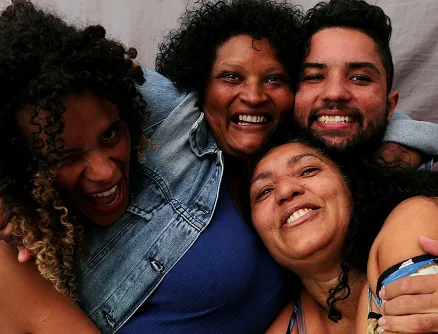





Thousands of immigrants are already achieving more with their money. You can too.
Comun is a financial technology company and not a bank. Banking services are provided by Community Federal Savings Bank; Member FDIC. The Comun Visa® Debit Card is issued by Community Federal Savings Bank, pursuant to a license from Visa U.S.A Inc. and may be used everywhere Visa Cards are accepted.
Comun is a fintech company and not a bank or licensed money transmitter.
* Results may vary. For a complete list of eligible IDs and application requirements, follow this link.
^ No minimums, no maintenance fees. ATM or transfer fees may apply. See app for fee details.
‡ Direct deposit funds are typically available when we receive the payment file, up to two days before the scheduled payment date. This early availability is not guaranteed.
** A service provided by Service UniTeller, Inc. Service UniTeller, Inc. is licensed in all states that require a license. Remittance fees start at $2.99 but may vary. Please check the app for more details. Comun Inc. may earn revenue from the conversion of foreign currencies.
† Funds in your account are FDIC insured up to $250,000 by ownership category through Community Federal Savings Bank (CFSB), Member FDIC, in the event CFSB fails.