Financial Education
What is a wire transfer? A complete guide to sending money in the U.S.
What is a wire transfer? How it works, how much it costs, how long it takes, and when to use it instead of ACH or remittance apps.
8 min read

13 Nov 2025
.avif)
Every day, millions of people in the United States rely on different methods to send money safely and quickly, whether within the country or, in the case of immigrants, to their countries of origin.
The wire transfer is one of the most popular methods for sending money through financial institutions that provide backing and traceability to ensure the recipient receives the funds.
According to Federal Reserve (Fedwire) data, in 2024 there were 209.9 million wire transfers, representing 8.6% growth compared to the prior year.
Today, the dynamism of the financial system has led to different solutions for making domestic and international money transfers. That is why it is important to understand what a wire transfer is, how it works, and its advantages and disadvantages.
How does a bank transfer or wire transfer work?
A bank transfer or wire transfer is an electronic method of sending money from one bank account to another in real time and without the need for cash. It is especially advisable for transmitting large amounts when extra security is required.
The mechanism for using this transfer service is as follows.
Initiation by the sender
To make an electronic transfer, the sender must initiate the process, either in person (at a bank) or digitally (through a mobile application).
At the beginning of the process, it is necessary to provide the recipient’s information in order to complete the transaction.
Sending of instructions
The bank or financial institution verifies and validates the funds, as well as their sufficiency or insufficiency in the sender’s bank account.
Receipt and crediting
Once the information has been validated, the funds are sent to the indicated account through secure networks according to the type of money transfer.
- Fedwire: a system operated by the National Reserve, for transfers of large amounts of money within the United States
- CHIPS: a system operated by The Clearing House, for international transfers
Advantages and disadvantages of bank transfers (Wire Transfers)
Making a wire transfer has several pros and cons, such as the following.
Advantages
Speed
In the case of domestic wire transfers, the money is deposited within minutes or in less than one business day, making it advisable for urgent payments.
For international bank transfers, the time can range from 1 to 3 business days, so you should consider this limitation if you need to send money outside the United States.
Security
Money moves through official U.S. networks, which provides certainty and facilitates tracking. It also reduces the risk of fraud and scams by dispensing with traditional payment methods such as cash or checks.
Ideal for large amounts
Compared with other transfer platforms (such as Zelle, Western Union, and ACH transfers), wire transfers do not have send limits that are as low, making them ideal for moving large amounts of funds safely and quickly.
Traceability
When a wire transfer is made, each movement is recorded through the networks used, making it easy to trace the money if any issue arises during the process.
Disadvantages
Cost
Banks charge transfer fees that are considerably higher compared with other alternatives.
The cost of domestic transfers ranges from $15 to $30 USD, while international transfers can exceed $50 USD if intermediary institutions must participate in the process.
Irreversibility
If an error is made or you are the victim of fraud, a transfer cannot be reversed. In addition, the bank is not responsible for erroneous electronic payments that were duly authorized.
Detailed information required
To complete the transfer, precise information is required, such as the SWIFT code and the recipient’s name. If a figure is incorrect, the operation will still be carried out.
There are more accessible alternatives for making electronic transfers, such as Común, which provides access to a mobile application and a debit card, with simple procedures. In addition, Común account funds are FDIC insured up to the applicable limits through an FDIC-insured bank.
Required information and how to make a Wire Transfer effectively
Before making an electronic transfer, it is crucial to gather the necessary information so that your money reaches its destination without issues.
Essential data to send a wire transfer
Recipient’s full name
Make sure to write it exactly as it appears on their account.
Name of the receiving bank
Write the bank’s full name, without acronyms or abbreviations.
Routing number (ABA) for domestic transfers in the U.S.
It is a 9-digit code that identifies each bank in the United States.
SWIFT/BIC code for international transfers
It is an international identifier for each bank.
Bank account number or IBAN for international transfers
The IBAN is an international code that includes the country identifier, the bank identifier, and the bank account number.
Exact amount to send
It is very important to verify the amount to be sent, because an erroneous operation cannot be canceled.
Tips for a successful and secure transfer
Before making this type of transfer, it is essential to keep some recommendations in mind to avoid issues or errors that could affect your finances.
Double-check all information
Take the time to ensure you have entered exact and correct information, since once a transfer is authorized, it cannot be reversed.
Understand all associated fees before sending
Transfer fees depend on various factors, such as the issuing bank, amount, and—if international transfers are involved—the participation of intermediaries and the exchange rate used.
It is very important to understand all costs involved in a wire transfer, as in some cases the figure can be quite high and not very competitive.
Use reliable and transparent platforms
Ensure that your bank is a reliable institution and has appropriate security measures to handle large amounts of money. Identify whether it has FDIC backing to insure bank deposits in the United States.
Stay alert to possible fraud
Avoid sharing personal information with strangers, as well as passwords or verification codes. If you have any doubts or receive a suspicious call, contact the financial institution directly.
Común: The solution for your transfers in the U.S.
Now that you know what a wire transfer is, you will see that it is very useful for moving money, especially when large amounts are involved and a secure, fast method is sought. However, there are modern alternatives that make sending money easier.
Común offers a more accessible alternative that simplifies money management, especially for immigrants in the United States.
In addition, it offers a simple platform for making domestic and international transfers for a fee starting at $2.99 USD, up to the applicable limits.
Discover an easier way to manage your finances from the palm of your hand. Download the Común mobile app and transfer money without complications.
Frequently Asked Questions
What is the difference between a bank transfer and a wire transfer?
A bank transfer is the general way to refer to any type of digital movement of money. A wire transfer refers to the network used to carry it out. There are also ACH (Automated Clearing House) transfers and mobile payments.
How long does it take to process a wire transfer?
For domestic transfers, they are usually completed the same day if initiated before the cut-off time. After that time, they take about one business day.
International transfers usually take 1 to 3 business days.
Can I cancel a wire transfer once it has been sent?
No, it is not possible to cancel a wire transfer once it has been fully processed.
Are there amount limits for wire transfers?
There is no set limit; it depends on each bank. However, the permitted amounts are higher than with other alternatives.
About Común
Común aims to support the Latino community in the United States. It offers a debit account that can be opened with more than 100 valid Latin American IDs and an app available in Spanish.
Visit Común's website or download the app for free to learn more about the full offer and applicable terms.
Olivia Rhye
Community Partner

Financial Education
How to Handle Lost or Stolen Checks: Steps and Precautions
8 min de lectura
If you lost a check or it was stolen, contact your financial institution right away to request a stop payment. With Común you can lock your card instantly from the app and reach support 24/7 by chat, email, phone, or WhatsApp.
What Is a Check and How Do You Cash It?
Checks are used as a form of payment, allowing individuals and businesses to transfer funds without the need for physical cash. A check is a specific amount of money from the check writer's account assigned to a check recipient (the payee). The check is typically written, dated, and signed, acting as an instrument that directs a bank to pay a recipient.
Before cashing a check, make sure all the details are correct and the check is valid. Verify the payee name, the written amount, the date, and the issuer’s signature. Also sign your name on the back of the check in the designated endorsement area, as this is required for banks to process checks. Take the endorsed check to your bank or use an ATM or mobile banking app if your financial institution offers check deposit services. You may also be asked to provide valid identification.
If you are depositing it, fill out a deposit slip if necessary, and the funds will be credited to your account. If you are cashing it, the bank will give you the amount in cash after deducting any applicable fees. If you deposited the check, it may take a few days for the check to clear and for the funds to become available in your account, depending on your bank’s policies.
Find more information about what a check is and how to cash it here.
Realizing a Check Is Missing: Stay Calm and Act Fast
Losing a check can feel overwhelming, especially if you are new to banking. The first step in handling a lost or stolen check is to stay calm. Panicking will not help, and thinking clearly and quickly is your best ally here. Take a moment to retrace your steps. Sometimes, the check may simply be misplaced rather than lost. Check all possible places where it might be. If it truly has disappeared, it is time to act quickly to prevent any potential misuse of your bank account or savings account.
Contact Your Bank: The First Line of Defense
Your bank or credit union is your best friend in this situation. As soon as you realize a check is missing, contact your bank immediately and begin monitoring bank accounts for signs of identity theft. Most financial institutions have a dedicated customer service line for such emergencies. Be ready to provide account information such as the check number, amount, and the date it was issued. The faster you notify them, the better they can help protect your account from fraudulent activity and identity theft.
Request a Stop Payment on a Lost or Stolen Check
After informing your bank, the next crucial step is to request a stop payment on the lost check. This action prevents the check from being processed if someone tries to cash it. Make sure to file a stop payment request for the lost or stolen check. There may be a fee for this service, but it is a small price to pay for the security it provides. Be sure to obtain confirmation from the bank that the stop payment has been successfully placed on your bank account.
File a Police Report: When to Involve Authorities for Identity Theft
If you suspect your check was stolen, it is important to file a police report with your local police department. This step not only helps with the theft investigation, but also provides you with a record of the incident, which can be useful for bank claims and insurance purposes. When filing the report, provide all relevant details, including any suspicions you may have about mail theft or check fraud. Reporting the incident to the appropriate government agency can also be beneficial in cases of identity theft.
Prevent Future Problems: Best Practices for Check Security
Prevention is always better than cure. To avoid losing checks in the future, consider these best practices:
Keep checks in a safe place: Store your checkbook in a secure but easily accessible location. Keeping it out of sight from prying eyes can help prevent potential theft. Consider using a locked drawer or a safe for added security.
Use electronic payments: Whenever possible, opt for direct deposit or electronic transfers, which are more secure and convenient. Direct deposits not only simplify your payments, but also reduce the risks associated with physical checks, such as mail theft or check fraud. Many financial institutions offer premium accounts with direct deposit options, ensuring your funds are transferred securely and quickly. In addition, you may earn a higher annual percentage yield on your savings and checking balances based on your direct deposit activity and qualifying deposits. To qualify for specific interest rates, you can use direct deposit, which includes payroll, pension, or government payments.
Regularly monitor your accounts: Frequently review your bank statements and account activity for unauthorized transactions or signs of check washing attempts. Set up alerts with your bank or credit union to notify you of any unusual activity. This vigilance is crucial for both your checking and savings balances, helping you detect fraudulent activity early and take immediate action.
Shred old checks: Properly dispose of old or unused checks by shredding them to prevent any misuse. Counterfeit checks are a common problem, and shredding helps keep a secure paper trail. Make sure any document containing your account number or payment information is completely destroyed before discarding it.
Be cautious with the mail: Avoid sending checks through outgoing mail, as this can expose you to the risk of mail theft. Instead, deposit them directly at the post office to ensure they are handled securely. For added security, consider using certified mail for important payments to create a traceable record of your transaction. Alternatively, use P2P transfers or electronic transfers to send money to friends, family, or anyone with a bank account in the U.S., highlighting the speed, simplicity, and security of these transactions.
Educate yourself about check fraud: Familiarize yourself with common check fraud schemes, such as check washing and counterfeit checks. Understanding these threats can help you recognize suspicious activity and protect your finances more effectively.
Protect your account information: Keep your account number, mobile number, and other personal details confidential. Sharing this information carelessly can make you a target for fraud. Always verify the identity of anyone requesting your account details.
By following these steps, you can effectively handle and prevent problems with lost or stolen checks. Remember, acting quickly and keeping your bank informed are key to protecting your finances and preventing someone from attempting fraud using your account information. Adopting these best practices will help you maintain a secure financial environment and give you peace of mind.
Now that you know how to handle lost or stolen checks, it is time to take control of your finances with ease. At Comun.app, we offer secure and easy-to-use solutions so you can manage your money without complications. Open your account in minutes and start enjoying the benefits!
What do I do if I lost a check or it was stolen?
Contact your financial institution right away to report the loss and request a stop payment. Also let the person who issued the check know, since they may need to issue a new one.
How do I lock my card if I suspect fraud?
You can lock your card instantly from the Común app, no phone call needed. Review your recent activity and report any transaction you don't recognize.
How do I contact Común support for an urgent issue?
Común offers 24/7 support through in-app chat, email, phone, and WhatsApp.
Frequently asked questions
What should I do first if I lost a check?
Contact your financial institution right away to request a stop payment, and let the person who issued it know.
Can I lock my Común card myself?
Yes, you can lock it instantly from the app without needing to speak with support first.
How do I report a transaction I don't recognize?
Contact Común support through chat, email, phone, or WhatsApp, available 24/7.
Am I liable if someone cashes a stolen check with a forged signature?
Generally not, if you report it right away to your financial institution; exact protections vary by case.
What do I do if my lost check was already cashed by someone else?
Contact your financial institution and the check issuer right away to start a claim.
How do I prevent losing checks in the future?
Consider receiving payments via direct deposit or electronic transfer instead of paper checks, and store any checks you do receive somewhere secure.
Living in the United States
Father's Day in the United States and Latin America: When it's celebrated and how to send money?
8 min de lectura
Father's Day in the United States and Latin America
When is Father's Day? In the United States, Father's Day in 2026 falls on June 21, the third Sunday of June. However, if your dad lives in Mexico, Guatemala, Honduras, or other countries across Latin America, his day might land on a completely different date. This guide provides an overview of Father's Day dates across the United States and Latin America so you can plan ahead and stay connected with family members abroad.
One holiday, many dates
Father's Day is an important occasion for many families across the continent. Yet, not every country celebrates Father's Day on the same fixed dates. In the US and most of Latin America, it falls on the third Sunday of June. However, Honduras celebrates it on March 19, Guatemala and El Salvador on June 17, and the Dominican Republic on the last Sunday of July.
If your family is spread across countries, it's easy to lose track. Here's a full breakdown so you have everything in one place.
When is Father's Day in each Latin American country and the US? (2026)
| Date | Countries | 2026 Calendar date |
|---|---|---|
| Third Sunday of June | United States, Mexico, Colombia, Venezuela, Peru, Chile, Argentina, Costa Rica, Panama, Paraguay, Puerto Rico | June 21 |
| Second Sunday of June | Ecuador | June 14 |
| Second Sunday of July | Uruguay | July 12 |
| Last Sunday of July | Dominican Republic | July 26 |
| Second Sunday of August | Brazil | August 9 |
| June 17 (fixed) | Guatemala, El Salvador | June 17 |
| June 23 (fixed) | Nicaragua | June 23 |
| March 19 (fixed) | Honduras, Bolivia | March 19 |
You can save this table and share it with your family group chat!
When's Father's Day in the United States?
In the US, Father's Day is celebrated on the third Sunday of June. In 2026, that's June 21.
The tradition dates back to the early 1900s, when Sonora Smart Dodd advocated to recognize fathers after being raised by a single dad. Over time, it became a national celebration of fatherhood and family.
Today, Father's Day in the US is a major occasion. Families gather for backyard barbecues, attend church services, catch a game together, or simply spend time at home. Restaurants fill up for Sunday brunch. Gift cards, tools, grilling accessories, and heartfelt cards dominate store shelves the week before.
For many immigrant families in the US, Father's Day can also carry some emotional weight. Many fathers are in the U.S. working thousands of miles away from their own fathers back home, building a future for their children. On an occasion like this, distance can feel heavy and a phone call becomes more than a call. For many families sending money back home becomes more than a transaction.
Father's Day in Mexico
Mexico celebrates on the same date as the US, the third Sunday of June; in 2026, the holiday falls on June 21. While it is not an official public holiday, it is widely celebrated.
In Mexico, Father's Day traditions are rooted in family. Mothers and children often wake up early to prepare a special breakfast, from chilaquiles, tamales to whatever papá loves the most. Schools hold events in the days leading up to it, where children make gifts and perform songs. The whole family tends to gather for a long lunch or dinner, and it's common for the celebration to include music, toasts, and storytelling that lasts well into the evening.
If your father is in Mexico and you're in the US, June 21 in 2026 is your shared moment. A video call during the family meal means you're at the table even when you can't be.
Father's Day in Central America
Father's Day dates vary throughout Central America.
Guatemala and El Salvador both celebrate on June 17. This is rare as it is a fixed date not tied to a Sunday. Families tend to celebrate in two ways: a smaller, symbolic recognition on June 17 itself (calls, gifts, meals), and a larger gathering on the nearest weekend if needed.
Nicaragua celebrates on June 23, also a fixed date. This year, it falls just two days after the US date, but those two days are important if you're planning to make a call or even a money transfer.
Honduras is an exception in the region, as Father's Day there is celebrated on March 19, the feast day of Saint Joseph. This Catholic tradition, also observed in Spain, Bolivia, and parts of Europe, associates fatherhood with the figure of Joseph as a protector and provider. If your father is in Honduras, it's worth keeping in mind that his day comes in the spring, not the summer.
Father's Day in South America
Colombia, Venezuela, Peru, Chile, and Argentina all celebrate Father's Day on the third Sunday of June. In 2026 that would be on June 21. In Colombia, it is treated as a major family occasion, often centered around a long Sunday lunch with live music. Venezuela and Peru follow similar traditions of home gatherings and special meals. Children participate by preparing performances, arts and crafts.
Ecuador is a slight variation: the celebration occurs on the second Sunday of June, which in 2026 falls on June 14, one week earlier than the US.
Father's Day in the Caribbean
The Dominican Republic is an exception in the region, celebrating on the last Sunday of July, which falls on July 26 in 2026. If your dad is from the Dominican Republic, it's important to remember that his special day is a full month after most of Latin America.
Gift ideas when your father is in another country
Distance doesn't change Father's Day, but it does change how you can show up. Not being there in person can feel difficult and sometimes you can struggle to find ways to show that you care. That can also feel like pressure, but what you do carries more intention, and that intention is what matters.
- Call him, but plan it. Don't just dial and hope he's free. Coordinate with family members so that when you call, he is available. Some people even plan to call during the special celebration, as people are gathered, the meal is on the table and your face on the screen is part of the festivities
- Send a voice message or video. A fun video showing him some parts of your life in the U.S. — your family, your city. A voice message with a special message that he can replay. These might feel like small efforts but when it comes from the heart and distance is involved they matter the most
- A treat for the party. Sometimes paying for the whole meal on Father's Day or the live music or even the decorations can show that even if you're far you can still get involved. To make sure you can contribute you can always send a remittance to your family members who are organizing the celebration
- Send money with meaning. While sending a remittance on Father's Day might feel familiar if you're supporting your family, the reality is that the context changes it. Choosing to send money on that specific day signals attention and care. It shows that you're present while you give your father the freedom to spend on what he needs or wants the most
- Make it specific. A new pair of shoes, the gadget he's been talking about for weeks or tickets to something he enjoys. To make sure he can experience it, you can transfer the money directly to him or a family member if he loves a surprise
How to send money to your dad for Father's Day?
There are many service providers for remittances and international transfers, the choice is between how it will reach him and what it will cost you. The right option depends on your priorities whether that's speed, cost fees, and how your dad actually receives money where he lives.
Digital remittance services
Companies like Remitly, MoneyGram, Wise and Común are becoming a more common way for people in the U.S. to send money abroad.
They often offer:
- Fast delivery options. Many transfers generally arrive the same day or within minutes, especially with debit card payments
- Flexible deliveries. You can send it to a bank account, mobile wallet, or cash pickup depending on the country
- Easy to use services. Sending a remittance from your phone without having to go to a location. Some apps are even built specifically for sending money internationally. For example, Común's app is available in Spanish
What to be mindful of?
- Costs. The costs can either be presented with a fixed fee and/or a markup within the exchange rate. It is important to understand the costs of the selected services
- Rates change constantly. Exchange rates are often changing and it's important to be considerate of those changes
- Some might not offer cash pickup options. Remitly, MoneyGram and Común offer cash options that can change depending on the country where the money is sent. For example, Común offers cash options at Elektra and Oxxo in Mexico
Traditional bank transfers
This means sending a wire from your U.S. bank directly to your dad's bank account.
These transfers often offer:
- Familiar banking infrastructure. Banks are regulated and familiar to many people
- Higher transfer limits. They tend to offer higher limits for transfers than other digital services
What to be mindful of?
- Costs. Fees for sending and receiving, as well as exchange rates can be less competitive than other service providers
- Slower timing. Some transfers may take several business days
- Limited flexibility. No cash pickup or alternative delivery methods
Cash pickup transfers
You can send money in person or online for cash pickup through services like Western Union or MoneyGram.
These may be useful for recipients who:
- Prefer cash. This is useful if your dad prefers cash or doesn't have a bank account
- Fast availability. Often available within minutes
- Wide accessibility. Some companies have large networks with locations available in many countries
What to be mindful of?
- Costs. Fees and exchange rates tend to be less favorable
- Less transparent pricing. Harder to compare total cost upfront
- Location considerations. Cash pickups rely on the locations being open and having sufficient cash on site
What to prioritize for a Father's Day remittance?
- If timing is what matters the most. It could be worth considering a service with same-day delivery or cash pickup
- If cost matters most. It is advisable to compare options, especially fixed fees and exchange rate markup within exchange rates
- If convenience matters most. It might be more important to choose the option that requires less effort for your dad on his special day
Frequently Asked Questions
When is Father's Day in the United States in 2026?
June 21, 2026.
When is Father's Day in Mexico in 2026?
June 21, 2026.
When is Father's Day in Colombia in 2026?
June 21, 2026, same as the U.S.
When is Father's Day in Guatemala and El Salvador?
Both countries celebrate on June 17, a fixed date each year. In 2026, that's a Wednesday.
When is Father's Day in Honduras?
Honduras celebrates on March 19 each year.
Why does Father's Day fall on different dates in different countries?
Two main traditions shaped the holiday globally. The U.S. model, established in the early 20th century, set the third Sunday of June. Catholic countries in Europe and Latin America often tied the celebration to March 19, the day of Saint Joseph, considered the earthly father of Jesus and protector of fathers and workers. Countries adopted one tradition or the other, or in some cases chose their own fixed date entirely.
When is Father's Day in the Dominican Republic?
The last Sunday of July. In 2026, that's July 26.
When is Father's Day in Ecuador?
The second Sunday of June. In 2026, that falls on June 14.
Can I send money to my dad for Father's Day?
Yes. There are many financial institutions and remittance service providers in the US that offer many different options such as wires to cash pickups.
Will my remittance arrive to my father the same day?
It depends on how you send it, when you send it, and how your dad receives it. Same-day delivery is possible from the U.S., but it's not automatic. Check with your chosen service provider to understand the times and if there are fees for faster delivery.
Being there, even from far away
No matter where your dad is, Father's Day is about showing up in a way that reaches him. The date might change from country to country, and the way you celebrate might look different from what you grew up with, but the intention carries across borders. When you know when the day is, you can plan ahead, and support the celebration from wherever you are. If sending money is part of how you show up, Común offers different delivery options for remittances to México, Guatemala, Honduras, El Salvador, Nicaragua, Costa Rica, Panamá, Colombia, Ecuador, Perú, Chile, Brasil, Argentina, Bolivia, Uruguay, Paraguay, and Dominican Republic. Don't let distance get in the way of building long lasting memories with your loved ones.
Remittance service provided by Service UniTeller, Inc. Service UniTeller, Inc. is licensed in all states that require one. Común Inc. may earn revenue from foreign currency conversion.
Instant payments
What is Cash App and how does it work?
8 min de lectura
What is Cash App and how does it work?
Cash App is a peer-to-peer (P2P) payment app that allows users in the United States and the United Kingdom to send and receive money digitally. Over time, Cash App has expanded beyond transfers and now also offers features such as debit cards, direct deposits, savings tools, and investing options.
If you recently moved to the United States or are exploring digital financial tools, you have probably heard of Cash App. The app is widely used for sending money between friends, paying for purchases, and managing certain financial activities directly from a smartphone.
For many immigrants in the United States, understanding how Cash App works is important because it may appear similar to a traditional bank account, but it is not exactly the same thing.
What is Cash App?
Cash App is a mobile financial app that allows users to send, receive, store, and spend money digitally through their phones. The app is commonly used for:
- Sending money to friends or family
- Receiving payments
- Paying for purchases
- Using a debit card linked to your balance
- Receiving direct deposits
- Buying stocks or Bitcoin
Unlike traditional banks, Cash App primarily operates through its mobile app rather than physical branches.
How does Cash App work?
To start using Cash App, you need to download the app, create an account with a U.S. phone number or email, and link a bank account or debit card. Once the account is set up, you can send or request money by searching for another person by their $Cashtag, phone number, email, or QR code.
Standard transfers typically arrive in 1 to 3 business days to a linked bank account. Instant transfers to a debit card usually carry a percentage-based fee.
How much does Cash App charge? — Fee table
| Service | Typical Cost |
|---|---|
| Standard bank transfer (1–3 business days) | No additional fee |
| Instant transfer to debit card | Percentage-based fee |
| Sending money using linked credit card | Additional fee may apply |
| ATM withdrawals | Fee may apply depending on conditions |
| Account opening | No monthly fee |
Fees and terms may change over time. Always review the official Cash App website before using financial services.
Is Cash App safe?
Cash App uses encryption and security features like Face ID and Touch ID. However, like any P2P payment platform, it is important to use it only with people you know. Once sent, money generally cannot be recovered if the transaction went to the wrong person.
Is Cash App available in Spanish?
Spanish-language support availability on Cash App may vary. The app's primary experience is mainly in English, which can be a limitation for users who prefer to operate in Spanish.
Can an immigrant open a Cash App account?
Cash App has its own eligibility requirements for account opening. Requirements may include a U.S. phone number or email address, and additional verification information may be required. It is recommended to review Cash App's current terms directly.
Limitations of Cash App for Latino immigrants
- Does not support international remittances to Latin America
- Spanish-language experience may be limited
- May not accept Latin American IDs for account opening
- No dedicated 24/7 Spanish-language support
Cash App vs. Común — Quick comparison
| Feature | Cash App | Común |
|---|---|---|
| P2P payments in the U.S. | Yes | Yes |
| Debit card | Yes | Yes |
| Stock and Bitcoin investing | Yes | No |
| Remittances to Latin America | No | Yes |
| Spanish-language experience | Spanish-language support availability varies | Yes |
| Payroll direct deposit | Yes | Yes |
| Open account with Latin American IDs | Eligibility requirements apply | Yes |
| Monthly maintenance fee | Varies by service usage | No monthly maintenance commission |
| Minimum balance requirement | Not always required | $0 |
FAQ
Is Cash App available in Spanish?
The app primarily operates in English. Spanish-language support availability may vary.
Can I send money to Mexico with Cash App?
No. Cash App does not support international money transfers to Mexico or other Latin American countries.
How much does Cash App charge for instant transfers?
Cash App charges a percentage-based fee for instant transfers to a debit card. Verify current fees on the official Cash App website.
Is Cash App safe?
Cash App uses encryption and identity verification. However, P2P transfers are difficult to reverse. Use it only with people you know and trust.
What is the difference between Cash App and Común?
Cash App focuses on domestic payments in the U.S. Común also offers domestic payments but additionally includes remittances to Latin America, full Spanish-language support, and the ability to open an account with more than 100 Latin American IDs.
Común is a financial technology company and not a bank. Banking services are provided by Community Federal Savings Bank, Member FDIC. Peer-to-peer payments services are provided by Cross River Bank. No minimums, no monthly maintenance commission.
Financial Education
Online Banking Security: Protect Your Account Information
8 min de lectura
Protecting your information in online banking starts with simple good habits: use unique passwords, turn on two-factor verification when available, and check your activity often. With Común you can lock your card instantly from the app if something looks suspicious.
The convenience of managing your financial transactions online through digital banking has become increasingly popular. However, with the rise of digital banking comes the need for greater security to protect personal and financial information. Here's how you can safeguard your bank account information while enjoying the benefits of online and mobile banking. Aiming for the most secure online banking possible is essential, since it involves implementing industry-standard security technology, multi-factor authentication, alert notifications, and encouraging people to take proactive security measures.
Understanding Online Banking
Online banking, offered by most traditional banks, credit unions, and online-only banks, lets customers pay bills, transfer funds, and manage their financial accounts over the internet. Whether you're dealing with a large bank or a local credit union, these institutions offer secure online banking services tailored to their customers' needs. This can be accessed through a bank's website or a mobile banking app, offering the convenience of banking anytime, anywhere. As banking has evolved, security measures to protect online bank account information must also advance.
Common Threats in Online Banking
Online banking security is paramount, since various threats could compromise your bank accounts. Common online threats include:
- Phishing Scams: Identity thieves send fraudulent communications, often by email, to access your online banking information.
- Malware: Malicious software designed to infiltrate your device and steal data related to your financial accounts.
- Identity Theft: Criminals can use personal information to open new accounts or access existing ones.
- Data Breach: A significant risk where sensitive information is accessed without authorization, potentially affecting numerous accounts.
Understanding these risks is crucial to maintaining online banking security. Banks and credit unions often update their security features to protect against such threats, making it important for users to follow recommended security measures. Keeping online banking secure is a collective effort involving secure banking technology, vigilant fraud monitoring, and informed users who are aware of risks like phishing scams and hacking attacks.
Regain Control and Peace of Mind With Común's Security Measures
- Log In Easily and Securely: Use Face ID or Touch ID for quick access to your Común account.
- Get Instant Notifications: Stay on top of your purchases with instant alerts from Común.
- Manage Your Card With Ease: Freeze and unfreeze your Común card whenever you need to.
Open your bank account¹ in 3 minutes with your country's ID²
Your Money Is in Good Hands With Común
- FDIC-Insured: Funds in your Común account are insured up to $250,000 by Community Federal Savings Bank, Member FDIC.
- VISA Protections: Your Común card is protected by VISA's guarantee against unauthorized charges.
Monitoring and Protecting Your Accounts
Regularly monitoring your account balances and transactions is vital. Set up banking alerts through your financial institution to notify you of any unauthorized transactions. When banking online, especially on public Wi-Fi networks, it's a good idea to use a Virtual Private Network (VPN) to secure the connection and protect your data from being intercepted. Also, make sure all devices used for online banking have secure software and are regularly updated.
Most banks, including credit unions and traditional banks, use robust banking security measures to protect online and mobile banking operations. However, responsibility also falls on the customer to use trusted mobile banking apps, available from sources like Google Play or the App Store, emphasizing the importance of security when choosing apps, and to contact the bank right away if any suspicious activity is detected. The Federal Deposit Insurance Corporation (FDIC) plays a crucial role in improving online banking security and protection by insuring money at online banks and protecting customer data security, thereby safeguarding customer funds and privacy.
The Importance of Strong Passwords
Online banking security starts with strong, unique passwords. Creating strong passwords means using a combination of at least 12 characters, including uppercase letters, lowercase letters, numbers, and symbols. Avoid using the same password across multiple online accounts, and update your passwords regularly to protect your bank account information. A password manager can help generate and securely store these passwords. It's crucial to apply this practice to all accounts, especially your savings account, to protect it from unauthorized access and potential hacking threats.
The Role of Encryption in More Secure Online Banking
Encryption serves as a critical layer of security to protect your account information while banking online. When you access your bank account through a bank's website or a mobile banking app, your personal and financial information is encrypted. This encryption makes it harder for hackers to intercept and decode data during transmission between your device and your bank's servers, keeping online banking secure.
Technologies like SSL (Secure Socket Layer) and HTTPS (Hyper Text Transfer Protocol Secure) are fundamental to ensuring a secure connection when banking online. These security measures are used by most banks and credit unions to protect financial transactions. To verify a secure connection, users can look for the lock symbol in their browser's address bar on banking websites, confirming the presence of HTTPS, which indicates web communication is protected by encryption.
Staying Educated on the Latest Security Trends
Staying informed about the latest security features and trends is crucial for anyone using online and mobile banking platforms. Traditional banks, online banks, and credit unions continually update their security protocols to counter emerging threats and ensure secure online banking. By regularly reading updates from your financial institution and taking advantage of resources like banking alerts and advice from bank representatives, you can improve your ability to protect your bank accounts from unauthorized transactions and identity theft.
Additionally, using a Virtual Private Network (VPN) can add an extra layer of security when accessing your financial information on public Wi-Fi networks. A VPN creates a secure, private connection over a less secure network, like public Wi-Fi, ensuring your online banking activities are protected from prying eyes.
Enrolling in two-factor authentication (2FA) or multi-factor authentication (MFA) is another strong security measure recommended by most banks. This approach requires more than one form of verification to access your online bank account, significantly reducing the risk of unauthorized access.
By understanding the importance of these security practices and adopting measures like using strong, unique passwords, regularly updating them through a password manager, and monitoring your account balances, you can safeguard your financial life and enjoy the benefits of digital banking with confidence. Whether you need to transfer money, pay bills, or simply check your savings or money market accounts, being proactive about online security can protect you from potential cyber threats and improve your overall online banking experience.
Protect Your Account
In conclusion, the growing popularity of online and mobile banking requires robust security practices to protect sensitive personal and financial information. By understanding various threats like phishing, malware, and data breaches, and using strong security measures like strong, unique passwords, encryption, and multi-factor authentication, people can significantly improve their online banking security.
It's also crucial for users to stay informed about the latest security trends and updates provided by their financial institutions. Taking proactive steps, like using a VPN on public networks and regularly monitoring account activity, helps ensure a secure, efficient digital banking experience. By adopting these practices, users can protect their financial transactions and personal details, maintaining peace of mind while enjoying the convenience of modern banking technology.
What are good security practices for online banking?
Use unique, hard-to-guess passwords, avoid accessing your account over public wifi, and review your activity regularly.
What security features does Común offer?
Instant card lock from the app, PIN or Face ID login, and 24/7 support through chat, email, phone, or WhatsApp.
How do I recognize a fraud or phishing attempt?
Be wary of urgent messages asking you to confirm information or click links. Común will never ask for your password or access codes by message or phone call.
Frequently asked questions
What is two-factor verification and why does it matter?
It's an extra layer of security that requires a second code beyond your password, making it harder for someone else to access your account even if they have your password.
Is it safe to use public wifi to check my bank account?
It's not recommended — use mobile data or a secure network when accessing financial information.
How do I lock my Común card if I suspect something's wrong?
Directly from the app, instantly, with no need to call support.
Will Común ask for my password by phone or message?
No, never. If someone asks for it claiming to be from Común, it's a fraud attempt.
How often should I check my bank activity?
Ideally every few days, to catch any activity you don't recognize as early as possible.
What do I do if I get a suspicious message asking for my information?
Don't reply or click any links — contact Común support directly through the app's official channels.
Living in the United States
What is the best health insurance in the United States? Complete guide
8 min de lectura
What is the best health insurance in the United States?
Having health coverage is essential to ensure you receive care when you need it. It’s also a way to invest in your future by preventing large out-of-pocket expenses from costly procedures.
There are many health insurance options in the U.S., so there isn’t a single “best” plan—what’s best depends on your needs and budget.
Although access to healthcare is a basic need, enrolling in a plan can be confusing for immigrant communities.
Below you’ll find a comparison of the main health insurance options in the U.S., key evaluation criteria, and answers to frequent questions—so you can choose the best option to protect you and your family.
Factors to consider when choosing health insurance
Before choosing a plan, carefully assess your personal and family needs, as well as benefits, medical terms, and the features of each option.
Key points to keep in mind before signing anything.
- Coverage level.
Some plans cover only basic services, while others offer comprehensive coverage including hospitalization, specialist visits, and prescription drugs. Review your medical needs (and your family’s) to gauge the right level.
- Monthly premium cost. Coverage level affects the monthly price. Make sure the amount is sustainable for your long-term budget.
- Deductibles and copays.
You must understand both before enrolling. The deductible is what you pay out of pocket before your plan starts paying; the copay is the fixed amount you pay each time you use a covered service.
- Provider network.
Check that the plan includes a robust network of hospitals and clinics near your home or work, so you can access care when needed.
- Eligibility requirements.
As an immigrant in the U.S., note that some plans require certain immigration status, state residency, and/or income qualifications.
- Additional benefits.
Also review extras such as preventive care, mental health, wellness programs, and maternity coverage.
Remember: a low price doesn’t automatically mean the best option—it must fit your (and your family’s) specific needs.
Health insurance options in the United States
The U.S. health insurance market includes a range of public and private plans.
Here are key options you should know.
- Health insurance via the Marketplace (ACA).
Plans under the Affordable Care Act (ACA) are offered through federal/state marketplaces. They must include essential health benefits and prescription coverage. Income-based subsidies may lower costs.
- Medicaid.
A public program for people with low incomes; covers children, pregnant people, people with disabilities, and families. Usually no premium; some services may have small copays.
- Medicare.
A program for people 65+ (and some with disabilities). It’s divided as follows:
- Part A: hospital inpatient.
- Part B: medical services. Part C: Medicare Advantage (private insurers) that can bundle extra benefits.
- Private plans and employer-sponsored insurance.
Private coverage can be purchased directly or provided as an employer benefit. These plans vary in coverage levels and typically include broad provider networks.
Comparison of common health insurance options
Remember: beyond a policy, a health plan is protection for you and your family—take the time to choose well.
Here’s a comparative table of major U.S. health plan types.
Plan type
Who it serves
Approx. costs
Primary coverage
ACA Marketplace
People without employer private insurance.
Costs vary by coverage; income-based subsidies can lower premiums.
Essential benefits: hospitalization, preventive care, prescriptions, emergency care, etc.
Medicaid
People with low incomes.
Generally no premium; small copays for some services.
Broad medical and hospital coverage nationwide.
Medicare
People 65+ and certain disabilities.
- Part A: per-period deductibles.
- Part B: monthly premium ~$185.
Hospital and medical services coverage
Employer-sponsored private insurance
Workers (and dependents) covered by employers.
Costs include premiums, deductibles, and copays—vary by plan.
Hospital, specialists, prescriptions, emergency services, etc.
Don’t forget: as an immigrant in the U.S., verify eligibility rules related to immigration status.
Manage your finances in the U.S. with Común
In this article, we covered what to consider before enrolling, the different plan types, and how to compare benefits.
There’s no single “best” plan—it depends on your personal and family needs and budget.
Beyond medical costs, immigrants need safe financial services to manage their money.
Común is the financial platform you’ve been looking for—discover the benefits!
- Checking account with clear, competitive fees.
- International money transfers at affordable costs.
- Mobile app available in Spanish that accepts 100+ official IDs for account opening.
- Debit card for everyday purchases and payments.
Open your Común account today and manage U.S. medical bills simply and transparently.
Frequently Asked Questions (FAQ)
If you still have questions, see the section below.
What is the number-one health insurer in the U.S.?
Among the top U.S. health insurers are:
- Cigna.
- Aetna.
- Blue Cross Blue Shield.
- Ambetter.
- Anthem.
Is health insurance mandatory in the U.S.?
It isn’t required at the federal level, but some states—like California and New Jersey—mandate coverage or impose penalties.
Where can I officially compare health plans?
Official sources include: HealthCare.gov (federal Marketplace to view/compare/enroll); Finder.Healthcare.gov (to find off-Marketplace plans); Medicare.gov (compare Medicare plans by ZIP code).
International Money Transfers
How much does it cost to send money to Mexico from the United States? A 2026 guide
8 min de lectura
Sending money to Mexico with Común costs as little as $2.99 per transfer, and your first transfer is at no cost. The exchange rate is shown in full before you confirm, with no hidden charges, and most transfers arrive within minutes.
How much does it cost to send money to Mexico from the United States? A 2026 guide
In most cases, the total cost depends on three factors: the transfer fee, the exchange rate, and any charges applied to the recipient of the money. The truth is that the final cost can range from a few dollars to something more significant as it is impacted by the service fee, delivery method, and speed.
Remittances have become so important to the Mexican economy that Mexico remains the world's second-largest recipient of remittances, behind only India. According to BBVA Research, Mexico received $61.8 billion USD in remittances in 2025, representing 3.4% of the country's GDP. Today, there are dozens of apps and money transfer services available for sending money from the United States to Mexico. Some focus on speed, others on cash pickup access, and some prioritize lower overall costs.
In this guide, we'll break down what actually affects the cost of a transfer, compare popular services, and explain how to find the option that works best for you and your family.
How much money can I send to Mexico?
One very important aspect to consider is the amount allowed by money transfer apps, as well as any restrictions included in their terms and conditions.
In general, there is no legal limit imposed by the United States government, but each platform has its own standards and regulations that determine transfer limits and guidelines for international money transfers.
For example, these are some of well known providers that offer money transfers to Mexico and their respective limits:
- Western Union: up to 5,000 USD per transaction.
- MoneyGram: up to 10,000 USD per transaction.
- Xoom: Level 1 is limited to $2,999 per day while the third level allows up to $50,000 per day.
If you are looking for a straightforward way to send money to Mexico, Común can be an excellent alternative. New users can enjoy the first money transfer free and then pay a fee starting at 2.99 USD per transfer, up to applicable limits.
What is the best way to send money from the United States to Mexico?
There are several ways to send money from the United States to Mexico, whether through traditional banks or specialized international money transfer services. These are the main options to do it:
Bank-to-Bank transfers
One of the most common ways to send money is through wire transfers from one traditional bank to another. The advantage of this method is that it can be secure because it is backed by official financial institutions. However, transfers can take longer and involve higher fees.
To send funds this way, you must have a U.S. bank account and use the recipient's SWIFT code.
The transfer cost depends on the receiving bank in Mexico. For example:
- BBVA charges approximately $30 USD + VAT to receive an incoming international transfer.
- Citibanamex estimates suggest around $15–20 USD + VAT for incoming transfers, but confirming directly with the bank is recommended.
These fees apply regardless of the amount sent, therefore it is important to confirm the fees with each bank.
Cash transfers
Another option, which may be more accessible for people without a bank account, is sending cash that can be picked up at different locations across Mexico.
To send cash, it is common to visit a physical location of the provider that offers this service, such as a Western Union office. Once there, you pay the amount you want to send plus the assigned fee. To collect the funds, your family members must present a valid government ID at one of the participating locations, such as Oxxo, Banco Azteca, Walmart, or others. However, many service providers such as Western Union also have digital offers.
Although this can be a convenient alternative for people who mainly manage cash, it may also come with potential drawbacks, such as fees that vary depending on the amount sent and exchange rates that might be less competitive compared to some digital transfer services.
Apps and digital platforms
Another option for sending money to Mexico is through apps and digital platforms that specialize in international money transfers, such as Wise, Félix Pago, Ria Money Transfer, and Común. Many of these services are available on both iOS and Android and may offer lower costs compared to some cash transfers or traditional bank wires, depending on the provider and delivery method. Some platforms focus mainly on money transfers, while others may also include additional financial features, such as a debit card or access to a U.S. bank account.
To access these services, you must create an account on the provider's website or app. In addition, some apps require identity verification using personal information such as your SSN (Social Security Number) or ITIN.
You can send money directly through the provider's app or, in some cases, even through WhatsApp, and choose the preferred delivery method. Some services also offer cash pickup options for recipients. For example, Común accepts more than 100 Latin American IDs for account verification, it allows you to send money through the app or via WhatsApp, and offers cash pickup options across Mexico.
Before choosing an app to send money to Mexico, we recommend comparing the most popular options and evaluating which one best fits your needs and those of your family.
Five popular mobile apps for sending money to Mexico from the United States
There are many apps available for sending money from the United States to Mexico, but costs, delivery speeds, and exchange rates can vary depending on the provider and transfer method. Comparing multiple options can help you find the service that best fits your needs.
| Service | Payment Options | Fee | Delivery Options | Exchange Rate | MXN per 1,000 USD | Speed |
|---|---|---|---|---|---|---|
| Común | Bank account, debit card, cash | Starting at 2.99 USD | Bank account or cash pickup | Competitive | ~17,000 MXN | Minutes to hours |
| Western Union | Bank, cash, card | Varies depending on amount | Bank, cash, wallet | Exchange rate with spread applied | ~16,920 MXN | Minutes to days |
| Félix Pago | WhatsApp, cash, card | $2.99 USD for bank account and $4.98 USD for cash pickup transfers | Bank account and cash | Competitive | ~17,000 MXN | Instant |
| Ria Money Transfer | Bank account (ACH), debit card, credit card, cash | Starting at $0.99; free for bank transfers up to $15,000 | Bank account, cash pickup, mobile wallet | Exchange rate with spread applied | ~16,900–17,000 MXN | Minutes to days |
| MoneyGram | Bank account, debit card, credit card, cash (at agent) | Free for bank transfers up to $10,000; $49.99 for $10,001–$15,000; $5+ for cash sends | Bank account, debit card, mobile wallet, cash pickup | Exchange rate with spread applied | ~16,800–16,950 MXN | Minutes to hours |
The amount received in MXN for every 1,000 USD can change throughout the day due to fluctuations in exchange rates, provider fees, and delivery methods. The rates shown here are for illustrative purposes only and may not reflect the exact amount available at the time of your transfer. Before sending money, it may be helpful to compare the current exchange rate and total transfer cost across providers. Común's comparison tool can help you check and compare available rates in real time.
What determines the real cost of sending money to Mexico?
When comparing money transfer services, many people focus only on the advertised transfer fee. But the real cost of sending money to Mexico usually depends on three different factors:
- The transfer fee.
- The exchange rate spread.
- Charges applied to the recipient.
Understanding these costs can help you compare services more accurately and avoid situations where your family receives less money than expected.
Transfer Fee
The transfer fee is the most visible cost. This is the amount the provider charges to process the transaction.
Some services charge a flat fee per transfer, while others adjust the fee depending on the amount sent, the payment method, or how quickly you want the money delivered. In some cases, companies may offer promotional pricing or even a free first transfer for eligible users.
Although low fees can help reduce costs, they may not always result in the lowest overall transfer cost once exchange rates and other charges are taken into account.
Exchange rate spread
The exchange rate spread is one of the most important and often least visible parts of the total cost.
Some service providers do not use the exact market exchange rate you find on Google or financial websites. Instead, they add a margin, also known as a "spread," when converting USD to MXN.
This means that even a small difference in the exchange rate can significantly reduce the amount your recipient receives in pesos, especially on larger transfers.
A service with a slightly higher transfer fee but a more competitive exchange rate may actually deliver more money to your family in Mexico.
Recipient charges or withdrawal costs
In some cases, additional costs may appear after the transfer is sent. Depending on the provider and delivery method, the recipient could face charges for cash pickup, ATM withdrawals, bank processing, or currency conversion. Some banks and pickup locations may also apply their own service fees.
These extra costs are important because they directly affect the final amount your recipient can actually use.
Compare the full cost
The best way to compare money transfer services is to look at the total outcome: how much you pay, how much your recipient receives, and how long the transfer takes.
If possible, it is recommended that before sending money, you review the transfer fee, compare the exchange rate, and check whether there are any recipient-side charges. Small differences across these three factors can add up quickly over time.
To compare real-time transfer costs, exchange rates, and delivery options, you can use tools like Común's compara before making your transfer.
How can I send money to Mexico with Común?
With Común you can send money to your family and friends in Mexico directly from Común's mobile app without leaving your home.
You can follow these steps:
- Open your Común mobile app.
- On the main page, select "Send a Remittance."
- Select the recipient you want to send the international transfer to.
- You can register a recipient using their banking details, including full name, bank name, and phone number.
- After registering the recipient, enter the amount you want to send and review the transaction costs.
- Confirm the details and select "Confirm International Transfer."
- The recipient should receive the money within minutes. If you select a store pickup, the person can collect the money about 30 minutes after confirming the transaction.
- You can check the transfer status in your Común mobile app by clicking on the transaction.
Transfer fees start at 2.99 USD per transaction, up to applicable limits.
Send money to Mexico easily and securely
Today, there are more options than ever for sending money from the United States to Mexico. Whether you prefer the familiarity of a traditional bank, the convenience of cash pickup, or the flexibility of a digital platform, the right choice will depend on your own situation.
Comparing fees, exchange rates, delivery methods, and transfer times may help you find an option that better fits your needs and the way your family prefers to receive money.
With Común you can open an account using more than 100 Latin American IDs, send money from the comfort of your phone and access multiple delivery methods across Mexico.
How much does it cost to send money to Mexico with Común?
Fees start at $2.99 per transfer. Your first transfer is at no cost. Común shows the exchange rate and the exact amount your family will receive before you confirm — nothing changes afterward.
How long does it take for the money to arrive?
Most transfers arrive within minutes. The exact time depends on the delivery method your family chooses (bank deposit or cash pickup).
Where can my family pick up the money in Mexico?
Común offers cash pickup at locations like Elektra and Oxxo, plus direct deposit to a Mexican bank account.
Frequently asked questions
What's the minimum fee to send money to Mexico with Común?
Starting at $2.99 per transfer. Your first transfer is at no cost. The final amount your family receives is shown in full before you confirm, with no hidden charges.
Is Común's exchange rate competitive?
Yes, Común offers a competitive exchange rate and shows you the exact amount in pesos before sending, so you know exactly how much your family will receive.
Can I send money to Mexico even if my family doesn't have a bank account?
Yes, your family can pick up the cash at locations like Elektra or Oxxo without needing a bank account.
How long does a transfer to Mexico take?
Most transfers arrive within minutes, depending on the delivery method chosen.
Do I need a Común account to send money to Mexico?
Yes, remittances are sent from your Común account inside the app by selecting "Send a remittance."
Is there a limit on how much I can send to Mexico?
Transfer limits vary by account; you can check them directly in the app before confirming your transfer.
Financial Education
How to fill out a money order: step-by-step guide
8 min de lectura
How to fill out a money order
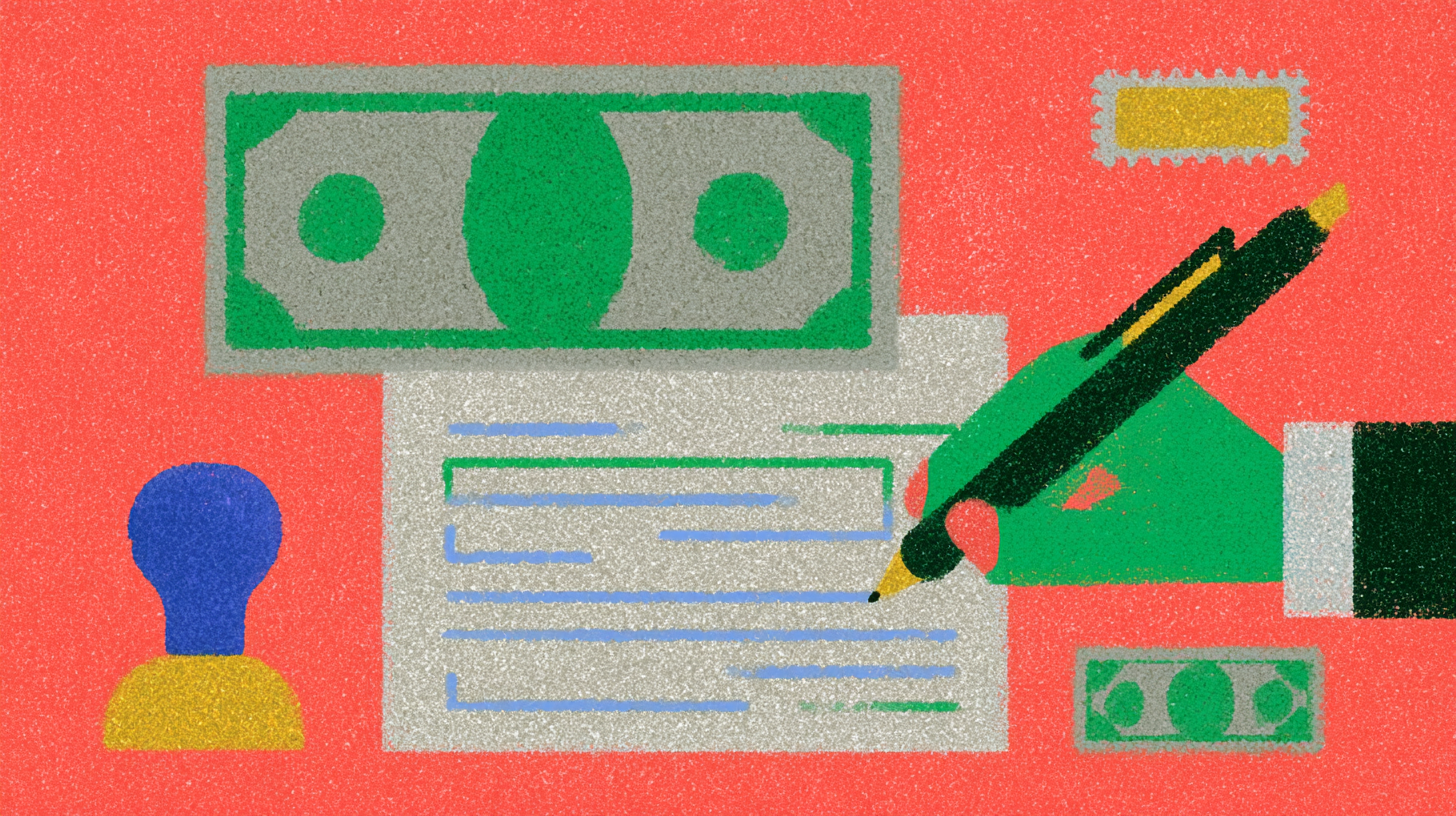
A money order is a prepaid paper payment often used for rent, bills, or sending money securely through the mail. To fill one out correctly, you need to add the recipient's name, your information, sign the front, and keep the receipt for tracking or replacement purposes.
Money orders are still widely used in the United States, especially for situations where people need a secure paper payment method. Even in 2026, many landlords, utility companies, government offices, and individual recipients continue to accept or require money orders for certain payments.
For many people, especially immigrants, newcomers to the United States, or people without a traditional bank account, money orders can feel more accessible than personal checks. Filling out a money order incorrectly can cause delays, make the payment invalid, or create problems if the money order is lost. Knowing exactly what information to write and where to write it can help avoid unnecessary stress.
What is a money order?
A money order is a prepaid paper payment that works similarly to a check. Instead of drawing money directly from a bank account, you pay the full amount upfront when purchasing the money order.
Once completed, the money order can usually be:
- Mailed to a recipient
- Deposited into a bank account
- Cashed at approved locations
Because the payment is prepaid, money orders are often considered safer than mailing cash. Money orders are commonly used for:
- Rent payments
- Utility bills
- Government fees
- Payments sent through the mail
- Sending money to family members
- Situations where personal checks are not accepted
Most money orders also include a receipt or tracking number that can help verify whether the payment was cashed. Unlike many digital payment apps, money orders are not typically trackable in real time.
When to use a money order vs other options
Money orders can still make sense in certain situations, especially when:
- A landlord only accepts money orders
- You do not have a U.S. checking account
- You need to mail a secure payment
- The recipient does not use digital payment apps
- You do not want to share banking information
Where to buy a money order
USPS (United States Postal Service):
One of the most common places to buy money orders. Domestic money orders typically cost between $1.45 and $1.95. USPS money orders never expire.
Walmart:
Many Walmart locations offer money orders through MoneyGram services. Fees can be lower than traditional banks, although limits apply depending on the location.
Western Union:
Western Union locations also sell money orders. Some stores offer extended hours.
Banks and credit unions:
Some banks and credit unions issue money orders to account holders. Fees may vary depending on whether you already bank with the institution.
Step 1: Fill out the recipient's name
Write the recipient's full legal name in the "Pay to," "Pay to the Order of," or "Payee" section.
Tips:
- Write clearly using black or blue ink
- Double-check spelling
- Avoid nicknames unless specifically requested
- Do not leave this section blank
If the name is incorrect, the recipient may have trouble depositing or cashing the money order. Once the recipient's name is written, only that person should be able to cash or deposit the money order with valid identification.
Step 2: Fill out the sender's name and address
Write your own information in the purchaser or sender section. The form may ask for: full name, address, city and state, phone number. This helps identify who purchased the money order if there is a problem later.
Step 3: Sign the front and add a memo
Sign only where the purchaser or sender is instructed to sign on the front.
Do not sign the back.
The back is reserved for the recipient when they cash or deposit the money order.
Some money orders also include a memo or account number section. Examples: apartment number for rent, utility account number, invoice number, purpose of payment.
Step 4: Keep your receipt
The receipt usually contains: tracking information, serial number, purchase amount, date of purchase.
Keep the receipt until the money order has been cashed or deposited successfully. If the money order is lost, stolen, or delayed, the receipt may help you: request a replacement, verify whether it was cashed, contact customer support, file a claim.
Common mistakes to avoid
Leaving fields blank:
Fill out the money order completely before handing it over or mailing it.
Using incorrect recipient information:
Misspelled names or incorrect business information can delay the payment process.
Signing the back:
Only the recipient should sign the back of the money order.
Throwing away the receipt:
Always keep your receipt until the payment is confirmed.
Using pencil or unclear handwriting:
Use permanent ink and write clearly.
Mailing cash instead:
Money orders are generally safer than sending cash through the mail.
Alternatives to money orders (digital options)
Common digital alternatives include: Venmo, Cash App, bank transfers, debit card payment apps.
For people who regularly send money within the United States or to Latin America, Común offers digital transfer options through ComunPay.
ComunPay allows eligible users to send money using: payment links, QR codes, phone numbers, email addresses, usernames, debit cards. Unlike traditional mailed money orders, digital transfers inside apps can usually be tracked directly from the phone.
Común also offers international remittances to Latin America starting at $2.99.
Choosing the right payment option for your needs
Money orders continue to play an important role for many people in the United States, especially for rent payments, government forms, mailed payments, or situations where paper documentation is preferred. For everyday sending between family members, friends, or trusted contacts, digital payment tools may feel more practical and easier to track.
FAQ
How much does a money order cost?
Money orders typically cost between $1.45 and $10 depending on the issuer, amount, and location. USPS money orders commonly range from $1.45 to $1.95.
Can a money order be cashed by anyone?
No. Once the recipient's name is written, only that person should be able to cash or deposit it with valid identification.
How long is a money order valid?
Many money orders do not expire. USPS money orders do not expire.
What happens if I make a mistake on a money order?
Avoid crossing information out. Contact the issuer about replacement options.
Can I track a money order?
You can usually verify whether it was cashed by contacting the issuer with your receipt information.
What is a digital alternative to a money order?
Venmo, Cash App and ComunPay for peer-to-peer transfers. Común also offers international remittances to Latin America starting at $2.99.
Común is a financial technology company and not a bank. Banking services are provided by Community Federal Savings Bank, Member FDIC. The Común Visa® Debit Card is issued by Community Federal Savings Bank. Peer-to-peer payments services are provided by Cross River Bank. No minimums, no maintenance fees. Remittance service provided by Service UniTeller, Inc. Remittance fees start at $2.99 but may vary. Común Inc. may earn revenue from the conversion of foreign currencies.
Financial Education
Practical guide: what proof of income is and how it works in the U.S.
8 min de lectura
As an immigrant in the United States, you have likely been asked for proof of income to complete a procedure such as obtaining a loan, renting an apartment, or verifying financial solvency and ability to pay.
Such proof is a document that verifies the amount of your income as well as its source.
This time, we explain what proof of income is in the USA, what it is for, how to make an income letter if you are paid in cash, and everything you need to know to handle your procedures in the United States without complications.
What is proof of income?
Broadly speaking, proof of income is an official or informal verification of how much money a person earns and the sources from which that income comes.
This document is commonly used for both salaried employees and independent or freelance workers.
These are the most common types of documents used to verify income:
Pay stub:
This is an official document that serves as a payment receipt and is provided by the employer along with wages for the relevant pay period. It includes both parties’ details, base pay, hours worked, overtime (if applicable), and deductions for taxes.
Tax return:
The tax return is a document a person files annually with the Internal Revenue Service (IRS). It must include income earned, taxes withheld, deductions or credits, and the total tax due or refund.
Bank statements:
This is a report issued by a bank or financial institution detailing a customer’s transactions and balances in their bank account over a given period. It serves as an official document to corroborate a person’s solvency as well as other personal data.
What is proof of income used for in the U.S.?
Having proof of income is very useful for various procedures in the United States, as well as to access helpful benefits and simplify your life—for example, signing a lease, obtaining a loan, and completing relevant immigration procedures. Proof of income is essential in these processes because it gives the requesting party assurance.
Housing rental:
Landlords commonly request proof of income to sign a lease, as it helps ensure tenants can cover the monthly rent without delays.
Loan or certain credit card applications:
Banks and other financial institutions usually verify applicants’ income before approving credit, since this reduces the risk of nonpayment or delinquency.
Immigration or social security procedures:
Immigration procedures—such as obtaining permanent residence—and other social security benefits also require proof of income. This is a measure implemented by the U.S. government to ensure applicants will not become a public charge.
What can I use as proof of income?
Whether you have formal employment or are self-employed, there are several documents you can use as proof of income.
For employees with formal jobs
If you have a formal job, obtaining proof of income will be easier. As noted, you can present a pay stub, bank statement, or an employer letter.
For independent workers
If you are self-employed, verifying income may be a bit more challenging than for formal employees. In this case, you can present your annual tax return and bank statements.
If none of these options are available, you can draft an income letter, which should include the following information.
- Full name.
- Address.
- Description of independent economic activity.
- Average monthly income.
- Signed statement of truth.
- If possible, attach a bank statement.
How can I verify my income if I’m paid in cash?
If you receive your pay in cash, you can generate formal proof of income.
The first option is to create a signed income letter. You can also keep an income log in a spreadsheet. To make the process easier, it is advisable to seek support from an accountant.
How can you make an income-verification letter?
Fortunately, drafting an income-verification letter is not complicated, since it can be adapted to your work situation—even if you are paid in cash.
It is also a simple path for immigrants because it lets them use day-to-day documents.
Follow these steps to draft your income letter.
Step 1: Gather your documents
Any document that can help verify your income, even if it is not strictly a pay stub—such as a bank statement, fee receipts, invoices, etc.
Step 2: If you are self-employed, draft a self-employment income letter with basic data
Don’t forget to include your average income and signature.
Step 3: Verify that it includes your personal data and the income period you are declaring
It is very important to include your full name, address, and the dates that the declared income covers.
Step 4: If necessary, consult an accountant to make it more formal
An accountant will help you formalize your letter and gain better control of your personal finances and tax obligations.
Sample income letter
I, (full name), residing at (address), declare under penalty of perjury that I work as an independent contractor in the field of (description), with an average monthly income of (amount).
Copy this text and create your letter easily.
Use Común account statements as your proof of income
As you can see, proof of income is a formal document to verify a person’s income level as well as their ability to pay and financial solvency. You can use several documents for this purpose, such as a pay stub, annual tax return, and bank statement from traditional banks.
Común is the financial platform that can also help you record and organize your income, and generate account statements that can serve as valid proof in many situations.
It also offers a more accessible way to complete procedures through an easy-to-use mobile app available in Spanish, where you can quickly open an account using qualifying official identification from your country of origin.
Discover Común, a convenient financial option for those seeking simple and accessible solutions.
Frequently Asked Questions (FAQ)
If you still have questions, consult our FAQs.
What if I don’t have formal proof of income in the U.S.?
You can draft an income letter including your personal data, a description of your activity, average income, and signature.
Do proof-of-income documents from my country work in the U.S.?
Proof-of-income documents from your country can be accepted in the United States as long as they are official; in some cases, a certified translation may be required.
Which type of proof of income is most widely accepted?
The most widely accepted proof-of-income documents are pay stubs, tax returns, and bank statements.
Community
What You Need to Open an Account at Comun¹ 4
8 min de lectura
Unmatched Ease of Opening an Account
Opening a checking account with Comun is simple and hassle-free, addressing the barriers to financial exclusion typically faced by the immigrant community. Accepting over 100 forms of identification², including social security numbers from Latin American countries, Comun ensures that immigrants have access to essential banking services. The application process is quick, taking less than 5 minutes, and is free of additional or hidden fees, minimum balance requirements or monthly commissions. This inclusiveness is central to Comun's mission of fostering financial stability and growth.
Mobile Deposit Options
ComunComun offers a convenient mobile deposit feature that allows users to deposit cash at more than 88,000 locations in the United States, including major retailers such as Walgreens, Dollar General and Walmart. This extensive network ensures that users can easily find a deposit location near them, making the process of adding money to their accounts simple and hassle-free.
Traditional Banking: Although many traditional banks offer mobile deposit options, they often restrict these to check deposits through a mobile app. Cash deposits typically require a visit to an ATM or bank branch, which can be less convenient and more time-consuming than Comun's extensive cash deposit network.
Utility in Today's World: In today's fast-paced environment, the flexibility to deposit cash in a wide range of accessible locations is invaluable, especially for individuals who may not have easy access to traditional banking services or who work non-traditional hours when banks are closed.
International Remittances
ComunComun excels in facilitating international remittances⁴, allowing users to send money abroad quickly and with lower fees compared to many traditional banks and remittance services. The process is enhanced with real-time notifications, keeping the sender informed from the moment the money is sent until it is received.
Traditional Banking: Traditional banks generally offer international transfer services, but these can be expensive and slow, with transfers sometimes taking several days to complete. In addition, the fees associated with traditional bank remittances can be significantly higher.
Usefulness in Today's World: In a globalized economy, the ability to send money across borders quickly and affordably is crucial. Many families rely on remittances for financial support, and businesses need efficient ways to handle international transactions. Comun's streamlined and cost-effective service effectively meets these modern demands.
Advance Salary Access
Comun: Comun offers the ability to connect wages to the application and receive payment up to two days in advance³. This feature incurs no additional fees, providing significant relief during financial emergencies or when planning ahead.
Traditional Banking: Some traditional banks have begun to offer similar features, but they are often tied to specific types of accounts or require a minimum balance. The accessibility and ease of use of early access to Comun's salary is not always matched in traditional environments.
Usefulness in Today's World: With the rise of gig economy jobs and irregular pay schedules, having early access to wages can provide a buffer against financial instability. This feature is particularly valuable for those living paycheck to paycheck, offering a cushion that can help avoid overdraft fees and late payments.
Unlike traditional banking institutions, Comun's innovative features are designed to meet the needs of today's diverse and mobile population, particularly benefiting the immigrant community in the U.S. By providing services that offer greater convenience, lower costs and greater accessibility, Comun not only addresses common challenges faced by its users, but also empowers them toward greater financial freedom and stability. As we move toward a more interconnected and fast-paced world, the importance of responsive and inclusive financial services continues to grow, something Comun is uniquely positioned to offer.
Robust Security and Customer Support
Security and customer support are paramount at Comun. With FDIC-insured accounts and Visa protection on virtual Visa debit card transactions, Comun customers can manage their funds with confidence. Innovative security features such as biometric logins and instant transaction notifications keep your money safe. In addition, Comun offers 24/7 customer support in English and Spanish, ensuring that help is always available in your preferred language.
Commitment to Zero Fees and Upward Mobility
Comun stands out not only for offering zero fees for account opening, monthly maintenance or minimum balances, but also for its commitment to helping its users move up the financial ladder. Comun acts as a financial partner, supporting financial transactions without the burden of excessive fees. This commitment aligns with the goal of enabling upward mobility for immigrants, who contribute significantly to the U.S. economy.
Customized Features and Benefits
Comun goes beyond traditional financial services by offering features designed to meet the unique needs of the immigrant community. Users can send money abroad with low or no fees, deposit cash at more than 88,000 locations nationwide, including free ATM withdrawals, and connect their accounts to popular payment apps such as Zelle, CashApp and Venmo. Comun's platform also allows customers to receive their paychecks up to two days early through direct deposit, further enhancing their financial flexibility and stability.
Conclusion
Comun is not just a financial services provider, but a platform dedicated to transforming the banking experience for immigrants in the U.S. With its user-focused design, commitment to financial freedom and robust features, Comun is destined to become a vital tool for achieving financial stability and growth for its users. Whether you are looking to manage your daily finances or send money to loved ones abroad quickly and securely, Comun offers a reliable, inclusive and efficient banking solution.
Foundational Moment: Did you know?
Founded by entrepreneurs Mark Selcow and Andres Santos in New York, Comun was built to empower families and enable upward mobility, particularly for the immigrant family. The company has garnered significant investment from prominent firms such as Costanoa Ventures, FJ Labs and South Park Commons, underscoring the tremendous opportunity to serve the financial needs of immigrant families and improve the lives of every individual.

Instant payments
Banks that support Zelle in 2026: Sending and receiving money in the U.S.
8 min de lectura
Banks that support Zelle in 2026: sending and receiving money in the U.S.
Zelle is built directly into many bank accounts in the U.S., which is why it has become one of the most widely used ways to send money. Today, more than 2,000 banks and credit unions offer access to the service.
Understanding how that network works is key to knowing whether you can use it with your account. That distinction matters more today than it did a few years ago. Since April 2025, Zelle is no longer available as a standalone app. Access depends entirely on whether your bank is part of the network.
What Is Zelle?
Zelle is a peer-to-peer payment network owned by Early Warning Services LLC (EWS), a company co-founded by seven of America's largest banks: Bank of America, Capital One, Chase, PNC, Truist, U.S. Bank, and Wells Fargo. It allows you to send money directly from your bank account to another person's bank account using only a phone number or email address. Transfers are typically completed within minutes.
What are the benefits of Zelle?
The main appeal of Zelle is its speed, simplicity, and convenience. Transfers are typically completed within minutes and move directly between bank accounts without the need to load funds into a separate app or digital wallet. In most cases, there are no fees for sending or receiving money, making it a practical option for everyday payments such as rent, shared expenses, or paying friends and family.
Because Zelle is integrated into your bank's app, there is usually no additional setup beyond enrolling your email address or mobile number. Funds are deposited directly into your account and are generally available quickly.
Why does bank support matter?
As of April 1, 2025, Zelle can only be accessed through participating financial institutions. If your bank or credit union does not support Zelle, you generally can't use the service.
Zelle supported banks list
Zelle partners with more than 2,300 financial institutions. To search for a specific bank or credit union, visit zellepay.com/get-started.
Below is a representative, not exhaustive list of financial institutions that currently offer Zelle:
| Name | Transfer limit |
|---|---|
| TRADITIONAL FINANCIAL INSTITUTIONS | |
| Bank of America | Up to $3,500 USD per day |
| Chase | Dynamic limit; typically $500 to $10,000 USD per day |
| Citi Bank | Up to $2,500 USD per day for accounts open longer than 30 days |
| TD Bank | $1,000 USD for instant transfers; up to $2,500 USD for scheduled transfers |
| PNC Bank | Typically $500 to $2,500 USD per day |
| Wells Fargo | Up to $3,500 USD per day |
| DIGITAL BANKS | |
| Ally Bank | Up to $600 USD per day |
| Discover Bank | $500 USD per transaction; $1,000 USD per day |
| SoFi | Up to $1,000 USD per day |
| Truist Bank | Typically $2,000 USD per day to $10,000 USD per month |
| EverBank | Up to $2,000 USD per day |
| CREDIT UNIONS | |
| BECU (Boeing Employees Credit Union) | $1,500 USD per day (instant); $3,000 USD per day (standard) |
| Bethpage Federal Credit Union | Limits vary by account and membership |
| Delta Community Credit Union | Limits vary by account and membership |
| First Tech Federal Credit Union | Limits vary by account and membership |
| Navy Federal Credit Union | Limits vary by account and membership |
Please note that Zelle limits often depend on factors such as account age, transaction history, recipient details, and other risk-based criteria established by the financial institution. Please refer to your financial institution for the most up-to-date information.
How to enroll in Zelle with your bank?
Since the standalone Zelle app has been discontinued, you must enroll through a participating bank or credit union app. The following steps generally apply to most participating financial institution apps:
- Open your bank's mobile app and locate 'Zelle' in the payments or transfer section
- Select 'Enroll with Zelle' or 'Send Money with Zelle'
- Enter your U.S. mobile number or email address
- Verify your identity using a one-time verification code
- You're then able to send and receive money using a recipient's phone number or email address
Please note that both the sender and recipient generally must be enrolled with Zelle through participating financial institutions for transfers to be completed. If the recipient isn't enrolled, they may receive instructions on how to enroll. If enrollment is not completed within the applicable timeframe, the transaction may be canceled and refunded.
Is Zelle Safe? Common scams to avoid
Zelle uses bank-level encryption and security protocols and operates within participating financial institution apps. However, many reported issues involving Zelle are associated with fraud or social engineering scams rather than technical failures.
Because Zelle transfers are typically processed quickly and may be difficult or impossible to reverse once authorized, scammers may attempt to pressure users into sending funds.
Common Zelle Scams in 2026:
Fake bank fraud alerts:
Scammers may send text messages appearing to come from your bank asking whether you authorized a transaction. After you respond, you may receive a call from someone falsely claiming to represent the bank and instructing you to transfer funds to 'reverse' fraud. In reality, the funds are being sent to the scammer.
Impersonation scams:
Scammers may claim to represent a bank, government agency, utility company, or another trusted organization and pressure victims into sending money immediately.
Marketplace scams:
Fraudsters on platforms such as Facebook Marketplace or Craigslist may request payment through Zelle. After funds are sent, the item may never arrive or the payment may later prove fraudulent.
Overpayment scams:
A scammer may claim to have 'accidentally' sent money and ask for it to be returned. Their original payment may later be reversed or determined to be fraudulent.
How to stay safe:
- Use Zelle primarily with people you know and trust
- Never send money to 'verify' your account or reverse fraud
- If you receive an unexpected call claiming to be from your bank, hang up and contact the bank using the number on the back of your debit card
- Enable transaction alerts through your banking app
- Treat every Zelle payment as potentially final before authorizing it
Are there alternatives to Zelle for people without a traditional bank account?
Zelle's transition away from a standalone app in April 2025 created challenges for individuals who do not have accounts with participating financial institutions.
Venmo and Cash App
Remain popular alternatives for domestic transfers and may not require a traditional bank account to get started. However, they generally do not support international money transfers.
Wise
Allows users to receive and send funds internationally using local bank details in many currencies. It is commonly used for international transfers and is known for transparent pricing and exchange rates based on the mid-market rate.
Común
Is a financial platform that promotes financial inclusion for individuals who may face barriers with traditional U.S. banks, offering user-friendly, Spanish-language support. With Común you can make transfers within and outside the U.S. and send money to friends and family throughout Latin America, with fees starting at $2.99 per transfer. Visit comun.app to learn more.
FAQ
Does Zelle charge fees?
Zelle itself generally doesn't charge fees to send or receive money. However, your financial institution may have its own fee structure for the underlying account. It is important to check the specific details with your financial institution.
What if my bank doesn't use Zelle?
Since the standalone Zelle app was discontinued in April 2025, your options may include opening an account with a participating financial institution or using an alternative service such as Venmo, Cash App, Wise, or Común.
Can I use Zelle without a U.S. bank account?
No. Zelle generally requires a U.S. bank or credit union account at a participating financial institution.
Can I send money internationally with Zelle?
No. Zelle supports transfers only between U.S. bank or credit union accounts at a participating financial institution. For international transfers, consumers may consider alternatives such as Wise, Remitly, or international money transfer providers.
What happens if I send money to the wrong person?
Contact your financial institution immediately. Once funds are delivered, cancellation or recovery may not be possible.
Access Matters When Choosing a Bank for Zelle
Choosing between banks that supports Zelle ultimately comes down to access and convenience. While the network is broad, access depends on maintaining an account with a participating financial institution. For some consumers, a traditional bank or credit union may meet their needs. Others may prefer platforms designed to support individuals who face barriers to accessing traditional banking services. If Zelle access is important to you, it may be helpful to consider not only which financial institutions support the service, but also which ones best fit your individual needs.
Financial Education
How to Use ATMs Safely in the U.S.
8 min de lectura
To use ATMs safely in the U.S.: choose ATMs in well-lit locations and at reputable banks, cover the keypad when entering your PIN, inspect the card reader for unusual devices (skimmers), and use ATMs within your bank's network to avoid fees. Acting with caution can protect you from the most common ATM fraud.
ATMs are an essential financial tool in the United States. However, they are also a frequent target for fraud and theft. Knowing the best safety practices can make the difference between a secure experience and a financial nightmare.
Choose the ATM Carefully
Choosing the right ATM is the first step toward a secure transaction. Prioritize ATMs located inside banks or large supermarkets, in well-lit areas, and with visible cameras. Avoid ATMs in isolated or poorly lit areas, or those that appear to be in bad condition. ATMs from recognized networks such as Allpoint, MoneyPass, or your own bank offer greater security and generally no additional fees. Común gives you access to more than 55,000 fee-free ATMs in the U.S. through the Allpoint network.
Visual Inspection: Spot Skimmers
Skimming is one of the most common forms of ATM fraud. Skimmers are illegal devices placed over the card reader to copy your card information. Before inserting your card: gently pull on the card reader — if it moves or seems loose, do not use that ATM. Check that the keypad is not raised or has unusual components. Look for small cameras or strange objects near the keypad. If anything looks out of the ordinary, use another ATM and report the suspicious one to the bank.
Always Protect Your PIN
Your PIN is the key to your account. When entering it: cover the keypad with your free hand even if no one is nearby — there may be hidden cameras. Never share your PIN with anyone, including bank employees. Memorize it and do not keep it written down near your card. If you forget your PIN, call the bank; never use the first number that comes to mind because you could lock your card. Change your PIN periodically, especially if you suspect it has been compromised.
During the Transaction
While using the ATM: keep your distance from strangers — no one needs to be close to you while you are completing your transaction. Do not accept help from strangers, even if they seem friendly. Know the amount you need to withdraw before you arrive at the ATM. Put away your cash and card before walking away. Make sure the ATM returns your card before you leave. If the ATM "swallows" your card, contact the bank immediately (there is a number on the ATM or on your card).
How to Avoid ATM Fees
ATM fees can add up quickly. To avoid them: use ATMs within your bank's or financial institution's network. Común offers access to the Allpoint network with more than 55,000 free ATMs in the U.S. If you use an out-of-network ATM, expect to pay between $2.50 and $5 per transaction, plus whatever your bank charges. Plan your withdrawals — taking out a larger amount less often reduces the number of fees. Consider paying with a debit card at stores that offer fee-free cash back.
What to Do If You Have an ATM Problem
If the ATM does not give you the money but deducted it from your account: keep the receipt or take a photo of the screen. Contact your bank immediately (the number is on your card). The bank will investigate and generally resolves the issue within 10 business days. If your card is retained by the ATM: do not leave until bank assistance arrives (they have rapid-response technicians). If you must leave, call the bank immediately to report it and block your card.
Frequently Asked Questions About Safe ATM Use
How do I know if an ATM has a skimmer installed?
Skimmers usually protrude slightly from the original card reader, have a different color or texture, or move when pressed. On the keypad, look for an extra layer placed over the original keypad. They may also install small cameras disguised as decorations. If you have doubts, do not use that ATM and report it by calling the number on the ATM.
Is it safe to use ATMs at night?
It depends on the location. An ATM inside a 24-hour store or in a well-lit bank lobby is safe at night. Avoid outdoor ATMs in isolated areas or on lightly traveled streets at night. If you urgently need cash at night, prefer 24-hour stores that offer cash back when you pay with debit.
What should I do if I am robbed while using the ATM?
Your safety comes first: do not resist and hand over the cash if you are threatened. As soon as you are safe: call 911, contact your bank to block the card immediately, and file a police report. With the police report, you can start a dispute process with your bank to recover stolen funds in some cases.
Do I have a daily ATM withdrawal limit?
Yes, all banks have daily ATM withdrawal limits. The standard limit at most banks in the U.S. is $300 to $1,000 per day. Común has set limits that you can check in the app. If you need to withdraw more, you can do so at multiple ATMs or contact the bank to request a temporary limit increase.
Can I use my Latin American debit card at ATMs in the U.S.?
Yes, if it has the Visa, Mastercard, or Maestro logo, it will work at most ATMs in the U.S. However, the fees can be high: international fee from the issuing bank (1-3%), U.S. ATM fee ($3-$5), and a currency conversion rate. For regular use in the U.S., it is more convenient to open a local account like Común to eliminate these costs.

Immigration
How to apply for a credit card as an immigrant in the U.S. in 2026
8 min de lectura
How to apply for a credit card as an immigrant in the U.S. in 2026
Applying for a credit card in the United States as an immigrant is possible, even if you don't have a Social Security number (SSN) or established credit history. This guide provides general information about the process and shares helpful tips.
What do you need to apply for a credit card in the U.S.?
Applying for a credit card in the U.S. is generally a straightforward process. Issuers typically request documentation for identity verification and risk assessment purposes. Requirements may vary by issuer, but you can generally expect the following:
Identification
- Full legal name
- Date of birth (must be 18+)
- U.S. address (some institutions may accept applicants with a U.S. mailing address)
- Government-issued ID (for example, passport or driver's license)
Tax ID number
You'll typically need one of the following: SSN or ITIN (Individual Taxpayer Identification Number) issued by the IRS. It's important to note that not all credit card issuers accept ITINs. However, some financial institutions and fintech providers may offer alternatives.
Income information
- Annual income (employment, self-employment, or other sources)
- Employer name (may be requested)
Credit history
- Credit score (for example, FICO) may be reviewed
- Existing loans, credit cards, and payment history
Contact information
- Phone number and email address
Can I apply for a credit card without a Social Security number?
Yes. Some credit card issuers accept an ITIN instead of a Social Security Number. You can apply for an ITIN by submitting Form W-7 to the IRS.
It is recommended to look for service providers whose requirements match your current needs and documentation. For example, you may be able to open an account with Común using more than 100 valid Latin American IDs, which can be a helpful first step before applying for a credit card.
Step by step: How to apply for your first credit card
Step 1: Open a bank account in the U.S.
Before applying for credit, while not always required, it is generally recommended to open a debit account in the U.S. Having one may improve your chances of approval and help simplify the process. It can also help demonstrate income activity and provide a way to make payments on your credit account.
Look for service providers whose requirements align with your current documentation status. For example, some traditional banks may accept an ITIN to open a debit account. Others, such as Común, offer the ability to open a debit account online with more than 100 valid Latin American IDs. Visit comun.app to learn more.
Step 2: Build a basic financial history
To begin establishing a financial footprint in the U.S., it is often suggested to use a debit account consistently. This may include receiving direct deposits and maintaining regular account activity. While this does not create a credit history on its own, it may help establish a relationship with financial institutions and may support access to credit-building products.
Step 3: Choose the correct card type
Secured credit cards:
These cards typically require a refundable deposit, for example, $200. The deposit usually becomes your credit limit. This structure helps reduce risk for the issuer and may make approval more accessible.
Credit cards for individuals with limited or no credit history:
These credit cards are designed for individuals without an established credit history. They may not require a deposit but can have stricter approval criteria. Some issuers may offer products that accept an ITIN.
Step 4: Submit your application
To submit your application, depending on the issuer you may apply online or at a bank branch. You will typically be required to provide personal details, such as your name, address, date of birth, an SSN or ITIN and your income information.
It is generally recommended to avoid submitting multiple applications in a short period of time, as each application may result in a 'hard inquiry' which can temporarily impact your credit score.
Differences between a credit card and a debit card
Debit card:
- Uses your own money (that you deposit or transfer)
- Does not involve borrowing money
- Can help manage daily spending and receive deposits
- Does not typically build credit history on its own
- May serve as a practical and accessible first step into the U.S. financial system
Credit card:
- Uses borrowed money from a bank
- Requires repayment (ideally in full each month)
- Activity may be reported to credit bureaus
- Can help build your credit history and score over time
Tips to help reduce the likelihood of application rejection
- If possible, avoid applying for multiple credit cards at the same time
- You could consider starting with a secured card if you don't have a credit history
- It is recommended to have an active debit account before applying
- Verify that your information matches across all documents
- Try to keep your expectations realistic about your first credit limit — approval matters more than the amount
Frequently asked questions about applying for a credit card as an immigrant
How long does it take to build credit?
You may generate your first credit score within approximately 3 to 6 months after opening a credit account.
Can I apply for a credit card without documentation?
In most cases, to apply for a credit card you'll need some form of identification, such as a passport, and an ITIN. Some institutions offer options for individuals without an SSN, but applications without any documentation are generally not accepted.
What is a credit score?
A credit score is a number that reflects how you manage credit, based on your payment history and use of borrowed money.
Can I be denied a credit card because I'm an immigrant?
No. Lenders generally don't deny applications based on immigration status alone. However, an application may not be approved if you don't have a credit history, sufficient income, or the required identification requested by the issuer.
Does my credit history from another country count in the U.S.?
In most cases, no. Most U.S. lenders don't have access to international credit data, so you'll need to start building credit history in the U.S.
In summary
Starting somewhere can make the process feel more manageable. For many people, building credit in the U.S. begins with something simple such as opening a debit account. Común offers a debit account that can be opened with more than 100 valid Latin American IDs, with an app available in Spanish. Visit comun.app to learn more.






Thousands of immigrants are already achieving more with their money. You can too.
Comun is a financial technology company and not a bank. Banking services are provided by Community Federal Savings Bank; Member FDIC. The Comun Visa® Debit Card is issued by Community Federal Savings Bank, pursuant to a license from Visa U.S.A Inc. and may be used everywhere Visa Cards are accepted.
Comun is a fintech company and not a bank or licensed money transmitter.
* Results may vary. For a complete list of eligible IDs and application requirements, follow this link.
^ No minimums, no maintenance fees. ATM or transfer fees may apply. See app for fee details.
‡ Direct deposit funds are typically available when we receive the payment file, up to two days before the scheduled payment date. This early availability is not guaranteed.
** A service provided by Service UniTeller, Inc. Service UniTeller, Inc. is licensed in all states that require a license. Remittance fees start at $2.99 but may vary. Please check the app for more details. Comun Inc. may earn revenue from the conversion of foreign currencies.
† Funds in your account are FDIC insured up to $250,000 by ownership category through Community Federal Savings Bank (CFSB), Member FDIC, in the event CFSB fails.