Living in the United States
Father's Day in the United States and Latin America: When it's celebrated and how to send money?
When is Father's Day in each country? Complete guide with dates for the U.S., Mexico, and Latin America in 2026, gift ideas, and how to send money.
8 min read

Father's Day in the United States and Latin America
When is Father's Day? In the United States, Father's Day in 2026 falls on June 21, the third Sunday of June. However, if your dad lives in Mexico, Guatemala, Honduras, or other countries across Latin America, his day might land on a completely different date. This guide provides an overview of Father's Day dates across the United States and Latin America so you can plan ahead and stay connected with family members abroad.
One holiday, many dates
Father's Day is an important occasion for many families across the continent. Yet, not every country celebrates Father's Day on the same fixed dates. In the US and most of Latin America, it falls on the third Sunday of June. However, Honduras celebrates it on March 19, Guatemala and El Salvador on June 17, and the Dominican Republic on the last Sunday of July.
If your family is spread across countries, it's easy to lose track. Here's a full breakdown so you have everything in one place.
When is Father's Day in each Latin American country and the US? (2026)
| Date | Countries | 2026 Calendar date |
|---|---|---|
| Third Sunday of June | United States, Mexico, Colombia, Venezuela, Peru, Chile, Argentina, Costa Rica, Panama, Paraguay, Puerto Rico | June 21 |
| Second Sunday of June | Ecuador | June 14 |
| Second Sunday of July | Uruguay | July 12 |
| Last Sunday of July | Dominican Republic | July 26 |
| Second Sunday of August | Brazil | August 9 |
| June 17 (fixed) | Guatemala, El Salvador | June 17 |
| June 23 (fixed) | Nicaragua | June 23 |
| March 19 (fixed) | Honduras, Bolivia | March 19 |
You can save this table and share it with your family group chat!
When's Father's Day in the United States?
In the US, Father's Day is celebrated on the third Sunday of June. In 2026, that's June 21.
The tradition dates back to the early 1900s, when Sonora Smart Dodd advocated to recognize fathers after being raised by a single dad. Over time, it became a national celebration of fatherhood and family.
Today, Father's Day in the US is a major occasion. Families gather for backyard barbecues, attend church services, catch a game together, or simply spend time at home. Restaurants fill up for Sunday brunch. Gift cards, tools, grilling accessories, and heartfelt cards dominate store shelves the week before.
For many immigrant families in the US, Father's Day can also carry some emotional weight. Many fathers are in the U.S. working thousands of miles away from their own fathers back home, building a future for their children. On an occasion like this, distance can feel heavy and a phone call becomes more than a call. For many families sending money back home becomes more than a transaction.
Father's Day in Mexico
Mexico celebrates on the same date as the US, the third Sunday of June; in 2026, the holiday falls on June 21. While it is not an official public holiday, it is widely celebrated.
In Mexico, Father's Day traditions are rooted in family. Mothers and children often wake up early to prepare a special breakfast, from chilaquiles, tamales to whatever papá loves the most. Schools hold events in the days leading up to it, where children make gifts and perform songs. The whole family tends to gather for a long lunch or dinner, and it's common for the celebration to include music, toasts, and storytelling that lasts well into the evening.
If your father is in Mexico and you're in the US, June 21 in 2026 is your shared moment. A video call during the family meal means you're at the table even when you can't be.
Father's Day in Central America
Father's Day dates vary throughout Central America.
Guatemala and El Salvador both celebrate on June 17. This is rare as it is a fixed date not tied to a Sunday. Families tend to celebrate in two ways: a smaller, symbolic recognition on June 17 itself (calls, gifts, meals), and a larger gathering on the nearest weekend if needed.
Nicaragua celebrates on June 23, also a fixed date. This year, it falls just two days after the US date, but those two days are important if you're planning to make a call or even a money transfer.
Honduras is an exception in the region, as Father's Day there is celebrated on March 19, the feast day of Saint Joseph. This Catholic tradition, also observed in Spain, Bolivia, and parts of Europe, associates fatherhood with the figure of Joseph as a protector and provider. If your father is in Honduras, it's worth keeping in mind that his day comes in the spring, not the summer.
Father's Day in South America
Colombia, Venezuela, Peru, Chile, and Argentina all celebrate Father's Day on the third Sunday of June. In 2026 that would be on June 21. In Colombia, it is treated as a major family occasion, often centered around a long Sunday lunch with live music. Venezuela and Peru follow similar traditions of home gatherings and special meals. Children participate by preparing performances, arts and crafts.
Ecuador is a slight variation: the celebration occurs on the second Sunday of June, which in 2026 falls on June 14, one week earlier than the US.
Father's Day in the Caribbean
The Dominican Republic is an exception in the region, celebrating on the last Sunday of July, which falls on July 26 in 2026. If your dad is from the Dominican Republic, it's important to remember that his special day is a full month after most of Latin America.
Gift ideas when your father is in another country
Distance doesn't change Father's Day, but it does change how you can show up. Not being there in person can feel difficult and sometimes you can struggle to find ways to show that you care. That can also feel like pressure, but what you do carries more intention, and that intention is what matters.
- Call him, but plan it. Don't just dial and hope he's free. Coordinate with family members so that when you call, he is available. Some people even plan to call during the special celebration, as people are gathered, the meal is on the table and your face on the screen is part of the festivities
- Send a voice message or video. A fun video showing him some parts of your life in the U.S. — your family, your city. A voice message with a special message that he can replay. These might feel like small efforts but when it comes from the heart and distance is involved they matter the most
- A treat for the party. Sometimes paying for the whole meal on Father's Day or the live music or even the decorations can show that even if you're far you can still get involved. To make sure you can contribute you can always send a remittance to your family members who are organizing the celebration
- Send money with meaning. While sending a remittance on Father's Day might feel familiar if you're supporting your family, the reality is that the context changes it. Choosing to send money on that specific day signals attention and care. It shows that you're present while you give your father the freedom to spend on what he needs or wants the most
- Make it specific. A new pair of shoes, the gadget he's been talking about for weeks or tickets to something he enjoys. To make sure he can experience it, you can transfer the money directly to him or a family member if he loves a surprise
How to send money to your dad for Father's Day?
There are many service providers for remittances and international transfers, the choice is between how it will reach him and what it will cost you. The right option depends on your priorities whether that's speed, cost fees, and how your dad actually receives money where he lives.
Digital remittance services
Companies like Remitly, MoneyGram, Wise and Común are becoming a more common way for people in the U.S. to send money abroad.
They often offer:
- Fast delivery options. Many transfers generally arrive the same day or within minutes, especially with debit card payments
- Flexible deliveries. You can send it to a bank account, mobile wallet, or cash pickup depending on the country
- Easy to use services. Sending a remittance from your phone without having to go to a location. Some apps are even built specifically for sending money internationally. For example, Común's app is available in Spanish
What to be mindful of?
- Costs. The costs can either be presented with a fixed fee and/or a markup within the exchange rate. It is important to understand the costs of the selected services
- Rates change constantly. Exchange rates are often changing and it's important to be considerate of those changes
- Some might not offer cash pickup options. Remitly, MoneyGram and Común offer cash options that can change depending on the country where the money is sent. For example, Común offers cash options at Elektra and Oxxo in Mexico
Traditional bank transfers
This means sending a wire from your U.S. bank directly to your dad's bank account.
These transfers often offer:
- Familiar banking infrastructure. Banks are regulated and familiar to many people
- Higher transfer limits. They tend to offer higher limits for transfers than other digital services
What to be mindful of?
- Costs. Fees for sending and receiving, as well as exchange rates can be less competitive than other service providers
- Slower timing. Some transfers may take several business days
- Limited flexibility. No cash pickup or alternative delivery methods
Cash pickup transfers
You can send money in person or online for cash pickup through services like Western Union or MoneyGram.
These may be useful for recipients who:
- Prefer cash. This is useful if your dad prefers cash or doesn't have a bank account
- Fast availability. Often available within minutes
- Wide accessibility. Some companies have large networks with locations available in many countries
What to be mindful of?
- Costs. Fees and exchange rates tend to be less favorable
- Less transparent pricing. Harder to compare total cost upfront
- Location considerations. Cash pickups rely on the locations being open and having sufficient cash on site
What to prioritize for a Father's Day remittance?
- If timing is what matters the most. It could be worth considering a service with same-day delivery or cash pickup
- If cost matters most. It is advisable to compare options, especially fixed fees and exchange rate markup within exchange rates
- If convenience matters most. It might be more important to choose the option that requires less effort for your dad on his special day
Frequently Asked Questions
When is Father's Day in the United States in 2026?
June 21, 2026.
When is Father's Day in Mexico in 2026?
June 21, 2026.
When is Father's Day in Colombia in 2026?
June 21, 2026, same as the U.S.
When is Father's Day in Guatemala and El Salvador?
Both countries celebrate on June 17, a fixed date each year. In 2026, that's a Wednesday.
When is Father's Day in Honduras?
Honduras celebrates on March 19 each year.
Why does Father's Day fall on different dates in different countries?
Two main traditions shaped the holiday globally. The U.S. model, established in the early 20th century, set the third Sunday of June. Catholic countries in Europe and Latin America often tied the celebration to March 19, the day of Saint Joseph, considered the earthly father of Jesus and protector of fathers and workers. Countries adopted one tradition or the other, or in some cases chose their own fixed date entirely.
When is Father's Day in the Dominican Republic?
The last Sunday of July. In 2026, that's July 26.
When is Father's Day in Ecuador?
The second Sunday of June. In 2026, that falls on June 14.
Can I send money to my dad for Father's Day?
Yes. There are many financial institutions and remittance service providers in the US that offer many different options such as wires to cash pickups.
Will my remittance arrive to my father the same day?
It depends on how you send it, when you send it, and how your dad receives it. Same-day delivery is possible from the U.S., but it's not automatic. Check with your chosen service provider to understand the times and if there are fees for faster delivery.
Being there, even from far away
No matter where your dad is, Father's Day is about showing up in a way that reaches him. The date might change from country to country, and the way you celebrate might look different from what you grew up with, but the intention carries across borders. When you know when the day is, you can plan ahead, and support the celebration from wherever you are. If sending money is part of how you show up, Común offers different delivery options for remittances to México, Guatemala, Honduras, El Salvador, Nicaragua, Costa Rica, Panamá, Colombia, Ecuador, Perú, Chile, Brasil, Argentina, Bolivia, Uruguay, Paraguay, and Dominican Republic. Don't let distance get in the way of building long lasting memories with your loved ones.
Remittance service provided by Service UniTeller, Inc. Service UniTeller, Inc. is licensed in all states that require one. Común Inc. may earn revenue from foreign currency conversion.
About Común
Común aims to support the Latino community in the United States. It offers a debit account that can be opened with more than 100 valid Latin American IDs and an app available in Spanish.
Visit Común's website or download the app for free to learn more about the full offer and applicable terms.
Olivia Rhye
Community Partner

.avif)
Financial Education
The Definitive Guide to Managing Checks in the Digital Age
8 min de lectura
The shift from physical to digital checks marks a significant transformation in financial services, driven largely by technological advances and the widespread adoption of mobile devices and online banking platforms. This shift reflects a broader trend in the digital era, where convenience and efficiency come first. The importance and benefits of having a checking account in this context can't be overstated, since it enables direct deposit and check deposit through ATMs, saving users significant time and money.
How Banks and Financial Institutions Are Adapting
Banks and financial institutions have been at the forefront of this digital shift. Recognizing their customers' needs and preferences, these institutions have invested heavily in developing secure, user-friendly online banking services and mobile apps. These platforms let users complete a wide range of transactions that traditionally required a visit to a bank branch. Now, customers can access their bank accounts and manage payroll checks through direct deposit — a feature that improves the efficiency of receiving paychecks and issuing personal checks directly from their smartphones or computers. This functionality doesn't just simplify the process — it also makes it accessible anytime, anywhere, removing the physical limitations of traditional banking.
Convenience and Accessibility
The integration of online and mobile banking solutions has made financial services more accessible, letting users complete transactions remotely. One example is the PayPal app, which lets users deposit checks into their PayPal account using a photo, accessing their money for free within 10 days or instantly for a fee. This is particularly beneficial for users who need to deposit payroll checks without the delay of mail services or the inconvenience of visiting a physical bank or check-cashing store. For people living in areas without easy access to traditional banking facilities, or those with mobility issues, these digital options provide essential financial access, improving their ability to manage personal finances efficiently.
Enhanced Security Features
Along with convenience, security is a priority in the evolution of digital check processing. Financial institutions have implemented sophisticated security measures to protect users and their transactions. These include encryption, two-factor authentication, and secure sockets layer (SSL) technology, which protect data transmitted during online and mobile banking sessions. Additionally, features like automated fraud detection systems monitor unusual activity, helping prevent unauthorized access and transactions.
Verification processes for digital check transactions have also become more robust. Digital checks often require multi-factor authentication, which can include biometrics (like fingerprint or facial recognition), security questions, or mobile code confirmation. These layers of security help ensure only authorized users can issue, cash, or deposit checks, significantly reducing the risk of fraud.
The shift to digital check processing through online banking and mobile devices illustrates a broader trend in financial transactions toward greater technology integration, prioritizing user convenience and security. As this trend continues, we can expect these platforms to evolve even further, offering more features and efficiencies for managing financial transactions in the digital age.

Navigating Check-Cashing Services and Fees in the Digital Age
Traditional banks continue to offer check-cashing services at their branches, but the rise of digital platforms has diversified how consumers can cash a check and access their money. For those without a bank account, a check-cashing service provides a vital option for turning checks into cash, often at physical locations. Digital services like PayPal let users deposit checks directly into their PayPal accounts just by taking a photo of the check, making a PayPal account an essential tool for digital check deposits. Mobile apps like Ingo Money offer similar services, allowing check deposits directly to prepaid cards, PayPal accounts, or even as Amazon credit. These tools offer a level of convenience and speed traditional banks often can't match, since they skip the need to visit a physical location.
Understanding Check-Cashing Fees
Each check-cashing option has its own set of fees. Traditional banks may charge non-customers a fee to cash checks, and these fees can be particularly high for personal or third-party checks. Grocery stores and check-cashing stores typically charge a percentage of the check amount, which can vary widely depending on the type and amount of the check. Services like Western Union also facilitate check cashing, but often with higher fees, especially for instant-cash services.
Digital platforms vary in their fee structures. PayPal, for example, offers free check deposit if the user is willing to wait a few days for funds to settle, but a faster-access option is available for a small fee. Ingo Money also charges fees for instant access but offers a fee-free option if the user is willing to wait for funds.
Reducing Costs and Increasing Convenience With Digital Solutions
Digital solutions offer significant advantages in terms of reducing check-cashing costs and increasing convenience. By enabling direct deposits into checking accounts or onto prepaid cards like the Walmart MoneyCard, these digital platforms eliminate the need for physical check-cashing locations. This not only saves on the cost associated with cashing checks at physical locations, but also reduces the time spent processing transactions.
Additionally, the ability to deposit checks anytime, anywhere via a mobile device or computer means funds are available faster and without the inconvenience or expense of traveling to a bank or check-cashing store. This accessibility is particularly beneficial for people in remote areas or those with mobility issues, for whom visiting a physical location is a challenge.
In summary, the digital transformation of check-cashing services has given consumers a wider range of options for accessing their money quickly and securely, often at lower costs than traditional methods. The convenience of digital platforms extends to the ability to send money quickly and securely, further improving the user experience in managing financial transactions. As technology continues to advance, we can expect further innovations that will improve the efficiency and convenience of these financial transactions.
The Role of Third-Party Checks in Modern Financial Transactions
Handling third-party checks and pre-printed checks is critical within the digital banking framework. These checks, essential for numerous transactions like payroll payments and government payments, must be managed with strict security measures to ensure the integrity of financial processes.
Handling Third-Party Checks
Third-party checks involve transferring funds from the payer to an intermediary recipient, who then endorses the check to another party, known as third-party check endorsement. This process is particularly useful when the original recipient needs to endorse a third-party check to someone else, either because they lack valid ID or face limitations that prevent them from cashing the check themselves. The complex nature of these transactions requires rigorous verification processes. Financial institutions require valid ID from anyone attempting to cash or deposit third-party checks to verify their legitimacy. Both the original recipient and the endorser must sign, explicitly authorizing the transfer of funds. This verification helps mitigate risks like fraud, which are higher with third-party checks due to the multiple parties involved.
Managing Pre-Printed Checks
Pre-printed checks are commonly used for direct deposit of payroll and government benefits. They include fixed details like the issuing bank's name, the amount, and the recipient's account information, which are printed by the financial institution or company issuing the check. These checks are usually processed through specialized check-cashing services, which use advanced digital scanning technology to validate the check's details against secure databases, ensuring the payment comes from a legitimate source and is deposited into the correct bank account.
Modern Solutions in Check Cashing
Digital solutions have revolutionized how checks are processed, improving convenience and reducing check-cashing fees. Online banking platforms and mobile devices enable check deposits through mobile check deposit services. These platforms, like those offered by banks and financial services like PayPal and Ingo Money, let users cash checks by taking a photo and uploading it through an app. This method not only streamlines the processing of two-party personal checks and government checks, but also speeds up the availability of funds in checking accounts or on prepaid cards like the Walmart MoneyCard.
In conclusion, the digital transformation in handling third-party and pre-printed checks is improving security, reducing fees, and increasing convenience across the board. This shift doesn't just respond to growing demand for more efficient financial services — it also reflects broader trends toward digitization across every aspect of banking and financial transactions.
Embracing Digital Change in Check Management
The transformation of check management in the digital age is a clear reflection of the broader trend toward technology-driven financial services. This evolution presents a unique mix of challenges and opportunities. As we've explored, the shift from physical to digital checks brings improved security, greater convenience, and significant cost savings, making it an essential trend for both consumers and financial institutions.
The future of check management depends on deeper integration of innovative technologies. Banks and financial institutions are continually improving their digital services to offer users smoother experiences. Innovations like blockchain and artificial intelligence are poised to redefine security and efficiency in financial transactions, offering even more robust protections against fraud and errors.
For individuals, the ability to manage checks through mobile devices and online platforms means easier access to their finances, less time spent on manual processes, and reduced fees associated with traditional check-cashing services. For businesses and financial institutions, digital check processing reduces administrative burden and speeds up capital flow, improving economic efficiency.
In summary, managing checks in the digital age involves a dynamic mix of adapting to current technologies and anticipating the future needs of the financial market. This ongoing evolution promises to make financial management more accessible, secure, and efficient for everyone involved.
Financial Education
ITIN vs SSN: what's the difference and why does it matter?
8 min de lectura
ITIN vs SSN: What's the difference and why does it matter?
If you are authorized to work in the United States, you need a Social Security Number (SSN). If you are not eligible for an SSN but still need to file taxes or access certain financial services, you may need an Individual Taxpayer Identification Number (ITIN).
If you recently moved to the United States, you have probably heard the terms 'ITIN' and 'SSN' many times already. They often come up when opening a bank account, filing taxes, applying for work, or trying to build credit.
Understanding the ITIN vs SSN difference matters because each number serves a different purpose in the US financial and tax system.
What is an SSN?
A Social Security Number (SSN) is a nine-digit identification number issued by the Social Security Administration. It is primarily used to track earnings, taxes, and eligibility for certain federal benefits.
SSNs are generally issued to:
- US citizens
- Permanent residents
- Certain noncitizens authorized to work in the US (for example: people with work visas, some asylum applicants or refugees)
An SSN is required for legal employment, payroll reporting, and access to some government programs.
What is an ITIN?
An Individual Taxpayer Identification Number (ITIN) is a tax processing number issued by the Internal Revenue Service, known as the IRS. ITINs are designed for people who are not eligible for an SSN but still have US tax filing obligations or need access to certain financial services.
An ITIN can be used by:
- Immigrants without SSN eligibility
- Dependents or spouses of US residents or visa holders
- International students or temporary visa holders in certain situations
- Individuals required to file US taxes
It is important to note that an ITIN does not authorize someone to work in the United States.
ITIN vs SSN Comparison Table
| Characteristic | ITIN | SSN |
|---|---|---|
| Issued by | IRS (Internal Revenue Service) | SSA (Social Security Administration) |
| Who is it for? | Individuals not eligible for an SSN with US tax obligations | US citizens, permanent residents, and authorized workers |
| Authorizes work | No | Yes |
| Used for paying taxes | Yes | Yes |
| Federal benefits access | No | Yes |
| Open an account (debit/checking) | Some banks and financial institutions accept ITINs (including Común) | Yes |
| Build credit | Possible at institutions that report ITIN activity to credit bureaus | Yes |
| How to apply | IRS Form W-7 with required documentation | SSA Form SS-5 with eligibility documents |
Which one do I need?
You need an SSN if:
- You are a US citizen
- You are a permanent resident
- You are legally authorized to work in the United States
- Your employer requires it for payroll and tax reporting
You may need an ITIN if:
- You are not eligible for an SSN
- You still need to file taxes in the United States
- You want to access and open financial accounts
- You want to begin building a financial history
Many recent immigrants apply first for an ITIN while they are still navigating the US financial system or while they're waiting for changes in their work authorization status.
Can I have both an ITIN and an SSN?
Yes, in some situations a person may have both at different stages of their life. For example, someone may initially receive an ITIN because they are not eligible for an SSN at the time. Later, if they become eligible for work authorization or permanent residency, they may receive an SSN. When this happens, the SSN becomes the primary identification number used for taxes and financial reporting.
What can I do with each?
An SSN can be used to:
- Work legally in the United States
- Receive wages through payroll systems
- File taxes
- Access certain federal benefits if eligible
- Open debit card and checking accounts
- Apply for loans and credit products
- Build credit history
An ITIN can be used to:
- File taxes with the IRS
- Open debit card and checking accounts at institutions that accept ITINs
- Build credit with lenders that report ITIN activity
- Establish financial history in the US
Can you work with an ITIN?
An ITIN itself does not authorize employment in the United States. It is primarily a tax identification number used for IRS reporting purposes.
Does an ITIN build credit?
An ITIN may help some people begin building credit history in the United States. Certain banks, lenders, and financial platforms report account activity linked to ITINs to credit bureaus. Policies vary by institution.
How can I apply for an ITIN?
Applying for an ITIN generally involves submitting:
- A completed IRS Form W-7
- A valid federal tax return (unless you qualify for an exception)
- Proof of identity and foreign status
The IRS may request original documents or certified copies depending on the situation. Processing times may vary.
How can I apply for my ITIN with Común?
If you need or want help with the application process, Común offers ITIN application support for $199 with a money-back guarantee if the application is not approved. Visit comun.app/itin to learn more.
Requirements to apply for an ITIN with Común:
- You must live in the U.S.
- You must have a valid passport with an expiration date more than 6 months from the date of your application
- You will need to file your taxes to apply for an ITIN
The process:
- We recommend you open a debit account with Común from your mobile phone
- Complete the application form at comun.app/itin and submit your payment
- Upload a scan of your passport
- If you choose to file your taxes along with your ITIN application, upload documentation of your income from the previous tax year
- Común's agents will contact you via email if they have any questions
- Print, sign, and submit your completed official ITIN application (Form W-7)
- Común's agents will submit your application to the IRS
The application process does not consider your immigration status, and your status will not be reported to any government immigration authority.
Open your Común Account
A debit account can be a great first step to building your financial future in the United States. Común allows customers to open a debit account using ITIN, passport, country-of-origin ID, or more than 100 accepted Latin American valid IDs. You can open your Común account from your phone. The app is available in Spanish. Visit comun.app to learn more.
FAQ
What is the difference between ITIN and SSN?
An SSN is issued by the Social Security Administration primarily for employment, taxes, and federal benefits eligibility. An ITIN is issued by the IRS for people who are not eligible for an SSN but still need to file taxes or access certain financial services.
Can I have both ITIN and SSN at the same time?
In some situations, yes. A person may first receive an ITIN and later become eligible for an SSN. Once an SSN is assigned, it generally becomes the primary number used for taxes and financial reporting purposes.
Can I work legally in the US with an ITIN?
An ITIN alone does not authorize employment in the United States. It is primarily used for tax identification and reporting purposes through the IRS.
Do I need an SSN to open an account?
Not always. Some financial institutions, including Común, allow customers to open debit accounts using an ITIN, passport, or other forms of identification.
How do I apply for an ITIN?
Applying for an ITIN generally requires completed IRS Form W-7, identity documentation, and a filed federal tax return. The IRS may also request certified supporting documents.
How long does the ITIN application take?
Processing times can vary depending on the time of year and the completeness of the application. In many cases, ITIN applications may take several weeks to process after submission to the IRS.
International Money Transfers
Choosing the right remittance service provider for you
8 min de lectura
Choosing a remittance provider depends on the fee, the exchange rate, delivery speed, and pickup options available in the destination country. With Común, fees start at $2.99 and most transfers arrive within minutes.
Choosing the right remittance service provider for you
Every year, people all over the United States send remittances to support their family and friends back home. These transfers are more than just simple transactions, these are the economic lifeline for them. This is why choosing the right service provider for your remittances based on your needs is key to ensuring you and your loved ones have the support you need.
What is a remittance?
Simply put remittances are money transfers made by people who live and work in one country to family members, friends, or other beneficiaries who are residing in another country.
How do remittances work in the U.S.?
Sending a remittance from the U.S. follows a fairly standard process, these are the steps regardless of who is the remittance service provider:
- Initiate the transfer
The sender chooses a remittance service provider, then choose the payout method that is right for the recipient (such as: cash pickup, bank deposit, transfer, etc.), input the amount to send, and provides the recipient’s details. - Fund the transfer
Transfers typically be funded via debit card, bank account, cash (in-store), or sometimes with credit card. Fees vary widely across different remittance providers. - Exchange rate
This is where many senders lose money without realizing it. Some remittance providers convert USD to the recipient’s local currency using an exchange rate that may include a hidden markup over the mid-market rate. Some remittance service providers don’t charge commissions on the transfer as their business gains come strictly from exchange rates conversion. Understanding the exchange rate’s fees is also important when preparing to send remittances. - Settlement and payout
The money is delivered to the receiver through a partner bank, local agent, cash pickup or digital wallet. Depending on the provider, this can take from minutes to days.
The combination of fees + exchange rate markup is what ultimately determines the real cost of the remittances transfer. Many remittance providers advertise low fees when their business gains are achieved by offering a much weaker exchange rate, which results in reducing the amount your recipient actually receives.
Types of Remittance service providers in the U.S.
The U.S. remittance service provider market is diverse, and providers generally fall into the following categories:
1. Cash-to-Cash Money Transfer Operators (MTOs)
These are the traditional remittance companies with physical locations for in-person payments and cash pickups.
Examples: MoneyGram, Western Union, Walmart (MoneyGram at Walmart).
Pros: Physical accessibility, ideal for people without bank accounts.
Cons: Often higher service fees, a slower process, and often has exchange-rate markups.
2. Traditional Banks and Credit Unions
Some financial institutions offer international wire transfers through SWIFT processes for remittance programs.
Pros: Physical locations, direct bank-to-bank transfers.
Cons: Requires a bank account, usually the most expensive option (as SWIFT processes tend to have costly fees and exchange rates) and it could require longer processing times.
3. Digital-first Transfer Services
These companies operate entirely online or through mobile apps. They can be faster and more transparent.
Examples: Remitly, Felix, Comun, etc.
Pros: Convenience, speed, competitive fees, trackable transfers.
Cons: Limited cash pickup options in some regions.
Key things to look out for when selecting a remittance service provider
Choosing the right remittance service provider can have a significant impact on how much money actually reaches your loved ones. Between varying fees, differences in the exchange rate, documentation requirements, and the growing list of additional services, not all remittance providers offer the same services nor require the same things. Whether you send money home occasionally or on a weekly basis, it is important to choose a remittance provider that maximizes the value of what your loved ones receive.
1. Fees: What you pay up front (and what you don’t see)
Every remittance provider has some form of fees for providing their services, however not all fees are presented the same way (this is why it's important to fully understand the costs associated with your remittance).
What types of fees can potentially exist?
- Transfer fee: A flat or percentage-based amount charged per transaction.
- Payment method fees: Extra charges for using a credit card instead of a bank account.
- Payout method fees: Some providers charge more for cash pick-ups vs. bank deposits.
What could be an unexpected fee?
- For example, exchange rates can differ: Often the exchange rate you find while doing an online search is not the same exchange rate that will be charged by your chosen remittance service provider.
What to look for?
- A tool or calculator showing the final amount the recipient gets before you make the transfer.
- Transparent fee displays before you confirm the transaction.
- Providers that consistently keep both transfer fees and FX markups low.
In many cases, the cheapest provider isn’t the one with the lowest visible fee. It could be the one offering the most competitive exchange rate or a fixed fee that makes sense with your transfer activity. The best service provider will always be one that serves the specific needs you have.
2. Exchange Rates: Why does the exchange rate could play a key role when selecting a remittance service provider?
The exchange rate (or tipo de cambio) used by the provider determines how many pesos, quetzales, soles, or other currency your recipient will receive. When sending money abroad, senders can sometimes focus only on the visible fee (for example, a charge of $3.99 per transfer). But in many cases, the biggest cost can come in the exchange rate. If two companies offer the same fee but one has a weaker exchange rate, your family may receive less money.
For example: A difference of choosing an exchange rate with just 1 mexican peso less per USD could mean that the recipient would get $100 mexican pesos less on a $100 USD remittance.
Understanding the real costs of your remittance is essential to choosing the best remittance provider.
What questions can I ask myself before choosing the right remittances service provider?
- Do they use the mid-market exchange rate or do they add a margin?
- Is the rate fixed at the time you send the money?
- Do they offer promotional rates only for first-time customers?
What could be something to look out for?
- A low fee paired with a weak exchange rate.
- Big differences between their advertised rate and the actual payout amount.
- Exchange rates that fluctuate during the transfer.
Even a small difference in the exchange rate can significantly reduce the final amount your family or friends receive if you send a lot.
3. Documentation and requirements: Keep it simple and secure
Each remittance provider must comply with U.S. financial regulations, but their onboarding requirements vary from service provider to service provider.
What are some common documentation steps or documents needed?
- ID verification (e.g., driver’s license, passport, or state ID).
- Personal information such as date of birth and address.
- Recipient details (full name, destination country, payout method)
- In some cases, proof of funds or additional verification for large amounts
What to look for?
If a provider asks for excessive documentation or makes the process confusing, consider choosing one with smoother compliance systems. For example, some remittance services accept documentation without a United States passport when the sender can demonstrate residency in the United States.
4. Speed and reliability: How fast does the money arrive?
While some people prioritize low cost, others prioritize speed. This is completely impacted by the recipient's needs back home.
Transfer speeds vary by:
- Payment method (debit card vs. bank transfer vs. cash).
- Receiving method (bank deposit vs. mobile wallet vs. cash pickup)
- Provider’s infrastructure and local partnerships.
What can I focus on to ensure my transfer arrives quickly and safely?
- Real-time delivery estimates offered by the service provider.
- Clear differentiation between “instant,” “same-day,” and “next-day”.
- A track record of reliability, not just advertised promises.
When urgency hits speed matters, but always make sure your money is safe.
5. Security and trust: Your money must be safe
Choosing a remittance provider also requires confidence in the company’s ability to protect both your information and funds.
What are some key indicators of a trustworthy service provider?
- Licensing as a money transmitter in the U.S. For example, with Comun your funds in the Comun checking account are held at a FDIC insured partner bank.
- Secure encryption for payments.
- Fraud prevention tools and notifications.
- Positive customer reviews and transparent dispute resolution
To keep your money safe it is important to consider avoiding remittance providers with unclear credentials or repeated complaints about blocked transfers and delayed payouts.
6. Additional Services: Look beyond the transfer
A remittance provider is more than just a money-sending tool. Many now offer value-added features that can save you time or money.
Common additional services
- Bill payments directly for utilities services overseas
- Mobile top-ups.
- Multi-language customer support. Like Comun that is available in Spanish.
- Transaction histories and downloadable receipts.
- Rate alerts to notify you when the exchange rate is favourable.
What to look for?
- Tools that simplify your overall financial support for your family and friends.
- Support available that is adapted to your needs.
Extra services should add convenience not complexity. For example, at Comun you can either use your own debit card to fund the remittance, or open a Comun checking account if you don’t have a debit card.
Choose the right remittance service provider for your needs!
There’s no one-size-fits-all for a remittance service provider. Some people value speed, others care about the costs, while others need in-person services or cash pickup locations. To get the most out of your next transfer, focus on what matters to you whether it’s:
- Transparent fees.
- Competitive exchange rates.
- Simple documentation.
- Useful additional services.
- Strong security and customer support.
Taking a few minutes to compare the options with different service providers can make a significant difference in what your family and friends receive and how you optimize your finances according to your needs.
Comun offers remittances services where you can either use your own debit card, or open a checking account with Comun if you don’t have a debit card. With Comun there are no annual nor monthly fees. Furthermore, Comun’s services are available in Spanish. Download our app or reach out if you’d like to learn more about Comun.
What should I compare between remittance providers?
The transfer fee, the exchange rate offered, how long the money takes to arrive, and whether the recipient can pick it up in cash or only receive it into a bank account.
Why does the exchange rate matter, not just the fee?
Some providers advertise low fees but apply a less favorable exchange rate, which reduces the final amount your family receives. Común shows the exact amount before you confirm.
What delivery options does Común offer?
Bank account deposit or cash pickup at locations like Elektra and Oxxo in Mexico.
Frequently asked questions
What matters more, the fee or the exchange rate?
Both matter — a low fee with a poor exchange rate can end up costing more. Always check the final amount your family will receive.
How much does Común charge to send a remittance?
Starting at $2.99 per transfer, with your first transfer at no cost.
How do I know exactly how much my family will receive?
The app shows you the exact amount in the destination currency before you confirm the transfer.
Do all providers offer cash pickup?
No, it varies by provider and country; Común offers cash pickup at locations like Elektra and Oxxo in Mexico.
Is it faster to send to a bank account or pick up in cash?
Both options usually deliver the money within minutes, depending on the method chosen.
How do I verify a remittance provider is trustworthy?
Check that it's licensed in the states where it operates and that it shows the exchange rate and fees transparently before you confirm the transfer.
Financial Education
We Explain Your Bank Account Number: What It Means and Why It Matters
8 min de lectura
When you open a bank account, you receive a unique identifier known as a bank account number. This number is crucial for ensuring financial transactions like deposits, withdrawals, or transfers are routed to the correct account within the banking system. This article will dig into what your bank account number represents, how it's structured, and its importance in your financial activities.
What Is a Bank Account Number?
A bank account number is a unique sequence of digits assigned to an account holder by a financial institution. It works much like a physical address for your account within the broader network of financial institutions, distinguishing your account from others and ensuring transactions are recorded accurately.
Structure of a Bank Account Number
The structure of a bank account number varies by financial institution and country, but generally includes several key components:
- Bank Code/Institution Number: Identifies the specific financial institution. This code is nationally recognized and crucial for routing related banking transactions.
- Branch Code/Sort Code: This digit sequence identifies the exact bank branch where your account was established, essential for internal fund routing and operational clarity.
- Account Number: This is the unique identifier for your personal account within the bank. It's critical for distinguishing your account among millions of others within the same bank.
- Check Digits: Often included in account numbers to provide error-checking capabilities, these help ensure numbers are entered correctly and transactions are routed accurately.
Importance of Your Bank Account Number
- Transaction Accuracy: Your account number is vital for accuracy in financial transactions, ensuring money is sent or received correctly, whether you're setting up direct deposits, managing bill payments, or executing other bank-related financial transactions.
- Security: The uniqueness of your account number adds a significant layer of security, protecting against fraud and ensuring funds aren't misdirected.
- Financial Management: Understanding and managing your bank account numbers, whether for checking, savings, or other account types, helps with efficient financial management and security measures like preventing identity theft.
- International Transactions: For transactions beyond domestic borders, the international bank account number (IBAN) and bank identification code (BIC) are used alongside your account number to facilitate international payments and identify relevant financial institutions globally.
Managing Your Bank Account Number
While a bank account number is a powerful tool for managing financial transactions, it also requires careful handling:
- Keep It Confidential: Treat your bank account number with the same level of security as sensitive data like your Social Security number. Avoid sharing it publicly or through unsecured channels.
- Monitor Your Accounts: Regularly review your bank statement and transaction history through online banking platforms to catch any unauthorized activity early.
- Use Secure Networks: Make sure any online banking is done over secure, encrypted connections. Public Wi-Fi is vulnerable and can expose your banking information to theft.
- Familiarize Yourself With Your Bank's Protocols: Knowing your financial institution's security protocols is crucial. This includes everything from routing numbers for paper checks to using multi-factor ID to grant access to online accounts.
Your bank account number is more than just a sequence of digits — it's a crucial part of your financial identity, essential for directing and protecting the flow of your money. By understanding how your account number works and implementing robust security measures, you can secure your financial health and keep your funds safe. Whether you're receiving a paper check, setting up a direct deposit, or making online transactions, the integrity of your bank account number is paramount.
Things to Know: Bank Account Number vs. Routing Number
Bank account numbers and routing numbers are both critical components of the banking system, but they serve different purposes and have distinct characteristics. Understanding the difference between these two numbers is important for handling financial transactions effectively. Here's how they differ:
A bank account number uniquely identifies an individual's personal account within a bank. It specifies where funds should be deposited or withdrawn.
- Every Number Is Different: Each bank account number is unique to the account holder within a particular bank. No two accounts at the same bank share the same account number.
- Length and Structure: The length and structure can vary by bank and country, typically ranging from 8 to 12 digits in most countries. Some countries may use longer formats.
A routing number (also known as a sort code in some countries) identifies the bank itself, and sometimes the branch where the account is held. It's used to route money transfers like direct deposits and bill payments to the correct bank.
- Consistency: A routing number is consistent across all customers of a bank branch, or even the entire bank, depending on the institution's size and the country's banking system.
- Length and Structure: In the United States, for example, routing numbers are 9-digit codes established by the American Bankers Association. In the UK, similar numbers called sort codes are 6 digits long and formatted in three pairs.
Additionally, the geographic validity of these numbers varies. A bank account number is valid across the entire bank and doesn't change even if the account holder moves to another branch, unless the banking system specifies otherwise. A routing number, on the other hand, is often specific to a region or branch, particularly in larger banking systems like those in the United States. This specificity helps manage and route payments accurately within the complex network of branches and banks.
When setting up processes like automatic bill payments or direct deposits, both numbers are generally required. The routing number first guides the payment to the correct bank or branch, ensuring the institution is properly identified. The bank account number is then used to route the funds to the individual's specific account. Together, these numbers work to streamline financial transactions, making them secure and efficient across the banking network.
Conclusion
In conclusion, understanding the purpose of your bank account number is crucial. This also comes with understanding its distinction from a routing number to effectively manage your finances and ensure the security and accuracy of your transactions. A bank account number serves as a unique identifier for your specific account within a financial institution, playing a vital role in correctly directing funds, whether for deposits, withdrawals, or automatic bill payments. A routing number, on the other hand, identifies the financial institution and sometimes the specific branch, essential for routing transactions to the correct bank.
The geographic validity of these numbers — where the bank account number stays constant across branches while the routing number can vary by region or branch — highlights the complexity and structured approach banks use to manage and route payments. Both numbers are indispensable in modern banking, from setting up direct deposits to processing paper checks and making secure online transactions.
By maintaining a solid understanding of how these numbers work and applying rigorous security measures, like keeping your information confidential and monitoring account activity, you can protect your financial health and ensure your banking interactions are both smooth and secure. This knowledge not only empowers you to manage your accounts more effectively, but also protects you from potential fraud and errors in an increasingly digital world.
International Money Transfers
Which banks offer Zelle in Mexico? What you need to know in 2026
8 min de lectura
Which banks offer Zelle in Mexico? What you need to know in 2026
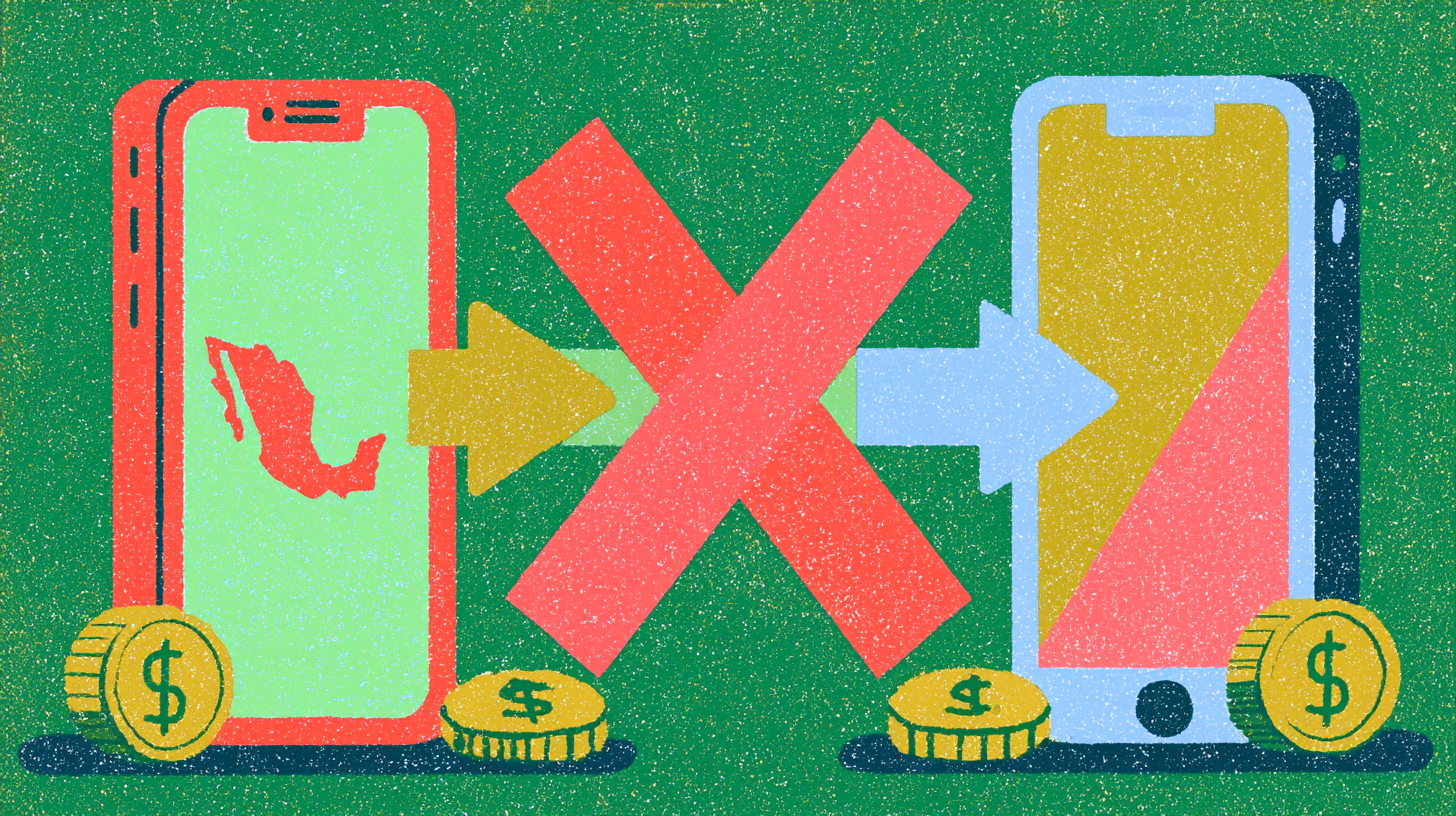
Zelle does not send money directly to Mexico. Zelle only works between eligible U.S. bank accounts and credit unions within the United States.
If you are looking into different methods for sending money to your family in Mexico, you may be searching for 'which banks offer Zelle in Mexico' or trying to understand if Zelle works internationally. This is a common misunderstanding for immigrant families in the U.S. No Mexican bank officially offers Zelle for receiving transfers from the U.S., and Zelle itself is not designed for international money transfers or currency conversion.
What is Zelle and how does it work?
Zelle is a digital payment service that facilitates peer-to-peer transfers at select partner banks in the United States. It is known for its speed, with transfers appearing in minutes, and for its extensive coverage across the U.S. Some U.S. financial institutions that support Zelle include Bank of America, Chase, Wells Fargo, Citi, PNC, and many more.
Why doesn't Zelle work for sending money to Mexico?
Cross-border money transfers require financial institutions, payment networks, regulatory approvals, identity verification procedures, and international settlement systems. Zelle was built around domestic payment systems in the U.S. Because of this, the service does not support direct transfers from U.S. bank accounts to recipients in Mexico.
Alternatives for sending money to Mexico from the U.S. (2026 comparison)
| Service | Typical starting fees | Delivery speed | Exchange rate model | Cash pickup |
|---|---|---|---|---|
| Remitly | Varies; ~$1.99+ for bank deposit to Mexico | Express: minutes to same day; Economy: 3–5 days | Exchange rate markup applies | Yes |
| Wise | From ~0.48% of transfer; shown upfront | Usually same day to 2 days | Mid-market rate, no markup | Limited (select corridors) |
| Xoom | Depends on payment method and destination | Minutes to 1 day | Exchange rate markup applies | Yes |
| Western Union | Varies widely by method and destination | Minutes to several days | Exchange rate markup applies | Yes (extensive agent network) |
| Común | Starts at $2.99 via UniTeller; may vary | Varies by destination and method | Rates displayed before transfer | Yes (depending on delivery option) |
Fees, exchange rates, and delivery times vary based on transfer amount, destination, funding method, and payout option. In 2026, a 1% federal excise tax applies to cash-funded transfers. Bank, debit, and credit card transfers are exempt.
How the new 1% tax on cash remittances affects transfers to Mexico
Starting in 2026, a 1% federal tax applies to certain remittance transfers. The tax applies when you pay with cash, money order, or cashier's check. Transfers funded from a U.S. bank account or with a U.S.-issued debit or credit card are exempt by law.
FAQ
Does Zelle work in Mexico?
No. Zelle does not support international transfers. There is no Mexican bank that offers Zelle for receiving money from the U.S.
What is the best app to send money to Mexico?
It depends on your specific situation. Común offers transfers starting at $2.99 with transparent pricing. Visit comun.app/remittances to learn more.
Remittance service provided by Service UniTeller, Inc. Remittance fees start at $2.99 but may vary. Común Inc. may earn revenue from the conversion of foreign currencies.
Financial Education
Digital Banks in the United States: How to Open Your Account Easily and Quickly
8 min de lectura
Digital Banks in the United States: A Clear Guide to Opening Your Account
Having access to affordable financial services with features that let you carry out multiple operations in one place is essential for immigrants living and working in the United States.
Digital banks are a comprehensive solution that combines financial management with mobile technology to streamline processes compared with traditional banks.
These features are especially beneficial for immigrants looking for an alternative to access services that are often less feasible through institutions with physical branches.
In this guide, we explain why you should consider integrating digital banking into your lifestyle, how to open an account, and options for digital banks in the United States.
What Is a Digital Account and How Does It Work?
A digital account is a financial product that operates entirely online through mobile applications and digital platforms (website), removing the need to travel to a physical location to complete banking operations.
Here are some benefits of digital accounts.
- Mobility and 24/7 access from anywhere: they are not limited to teller hours and allow transactions at any time and place.
- Convenience for making payments and international money transfers: they allow sending money within and outside the country quickly.
- Security and transaction control from the app: they include safeguards to prevent misuse of personal data and crimes such as fraud.
How to Open a Digital Account in the United States Step by Step
Opening a digital account is usually simpler than with traditional financial institutions—not only because it can be done from a mobile device, but also due to flexible requirements that allow immigrant communities to access financial services with the same quality standards.
These are the steps to open a digital account in the United States.
Required Documents
Unlike traditional banking services, you can open a digital account with documents you use day to day.
- Official identification from your home country (valid passport, consular ID, driver’s license).
- In some cases, proof of address in the United States.
Account Opening Process
Once you have your documents ready, follow these steps.
Step 1. Register on the digital platform/mobile app.
Go to the digital bank’s website or mobile application of your choice and enter your personal information to register.
Step 2. Identity Verification and Approval.
For security reasons, digital banks require an identity verification process that includes submitting an official ID, a selfie, and, in some cases, facial recognition.
Step 3. Account Activation and Access to the Mobile App.
Once the digital bank verifies your identity, you’ll receive an activation notice. Immediately afterward, you can access all services, set up direct deposits, send money in real time, and manage your finances.
U.S. Financial Platforms Recommended for Immigrants
If you’re wondering which digital platform for immigrants is ideal, there are several effective options, so it’s best to compare them and choose the one that best fits your expectations.
Común
Fees: Affordable fees for international money transfers to Latin America.
Ease of use: Open an account from a mobile device with a qualifying official identification from your home country.
Spanish support available: offers 24/7 customer service also available in Spanish via WhatsApp or the mobile app itself.
Mobile access: you have access to a mobile app for comprehensive financial management.
Zelle compatibility: not integrated.
Ally Bank
Fees: most accounts do not charge monthly maintenance fees. Approximately $20 for domestic wire transfers.
Ease of use: a 100% digital platform offering a mobile application and a website.
Spanish support: limited Spanish-language service.
Mobile access: service compatible with mobile devices.
Zelle compatibility: integrated.
Wells Fargo
Fees: maintenance and overdraft fees vary by account type.
Ease of use: offers mobile banking, online banking, and a digital assistant.
Spanish support: available.
Mobile access: full mobile features.
Zelle compatibility: integrated.
Revolut
Fees: charges a 1–3% fee for adding money via credit or debit card.
Ease of use: offers comprehensive, easy-to-use digital products.
Spanish support: you can change the app language, but there is no Spanish-language support.
Mobile access: fully available.
Zelle compatibility: not integrated.
Mercury
Fees: offers international USD transfers at no additional cost.
Ease of use: focused on corporate and tech companies.
Spanish support: not available.
Mobile access: fully available, but more focused on web dashboards.
Zelle compatibility: not integrated.
Cash App is another efficient financial platform—here we explain its benefits.
The Importance of Using Your Account Safely and Efficiently
Although digital platforms offer security measures to protect your assets, it’s always wise to keep the following recommendations in mind to reduce risks.
- Set up transaction notifications and security alerts: they help you stay on top of your activity and detect any suspicious behavior.
- Use strong passwords and enable two-step verification: this reduces the risk of falling victim to hackers.
- Review activity regularly and learn to identify suspicious alerts: check text messages and transaction notifications, and report any unrecognized charges immediately.
- Take advantage of the mobile app’s functionality for quick and reliable transfers: send and receive money easily within and outside the United States.
Discover Común, the Financial Option for Immigrants
In this article, we presented a practical alternative to traditional institutions so you can decide which digital bank in the United States fits your needs.
Común is not a bank, but a digital platform, it offers a mobile app and a debit card that work together to provide a service ideally for the immigrant community.
You can open an account with qualifying official identification from your home country and a mobile device to access the financial service you deserve.
Open your account with Común and start sending, receiving, and withdrawing money.
Frequently Asked Questions (FAQ)
If you still have questions, see the section below.
Can I open a digital account without a Social Security Number?
Unlike traditional banks, digital accounts often have more flexible requirements, and it may be possible to open one with a qualifying official identification from your home country and, in some cases, proof of address in the United States.
Are digital banks in the U.S. safe?
Yes, digital banks in the United States have security measures such as two-step verification and encryption. It’s advisable to apply all possible security measures, such as using a strong password and enabling notifications.

International Money Transfers
Alternatives for Sending Packages to Mexico from the United States
8 min de lectura
How to Send Packages from the United States to Mexico Without Complications
Being far from family and friends is one of the main challenges faced by immigrants living in the United States. Fortunately, sending mail is a way to maintain the bond with loved ones across borders.
In the United States there are several options for sending packages to Mexico. Below we explain the features of each service so you can choose the one that best fits your budget and needs.
Main Package Delivery Services from the United States to Mexico
There are two shipping options from the United States to Mexico: through USPS or private courier companies.
United States Postal Service (USPS)
These are the main United States Postal Service (USPS) shipping services and their characteristics. Please refer to their website for the most up-to-date information.
Priority Mail Express
- Delivery prices: starting at approximately $59.50 for standard international services.
- Time: 3–5 business days.
- Main features: offers express international delivery service, full tracking and limited insurance for certain types of packages.
Priority Mail
- Delivery prices: starting at $30.90 for standard international shipments.
- Time: 6–10 business days.
- Main features: offers full tracking and moderate prices. Ideal for medium-sized packages that need to be delivered quickly.
First-Class Mail
- Delivery prices: starting at $14.05 for envelopes.
- Time: varies between 7 and 20 business days depending on customs processing.
- Main features: an economical service ideal for sending documents and envelopes. In many cases tracking is only available until the package leaves the United States.
Private Courier Companies
There are also private courier company alternatives that offer excellent service and additional shipping options. Please refer to each courier’s website for most up-to-date information.
FedEx
- Delivery prices: rates vary by package size, but they offer flat rates for packages up to 15 kilograms and an additional charge for extra weight.
- Time: 3–5 days for express service.
- Main features: international coverage with home delivery and includes customs paperwork.
UPS
- Delivery prices: variable rates depending on package size and weight.
- Time: 2–5 business days.
- Main features: online tools for quoting and tracking packages plus strong presence in the United States.
DHL
- Delivery prices: international shipments starting at $50.
- Time: 2–5 business days with express service.
- Main features: international presence, fast home-delivery service and online rate calculator.
Below is a comparison table to help you view the information more clearly.
Company
Type of Service
Estimated Cost
Average Time
USPS
Priority Mail Express
From $59.50
3–5 business days
USPS
Priority Mail
From $30.90
6–10 business days
USPS
First-Class Mail
From $14.05 for envelopes
7–20 business days
FedEx
International Express Service
Prices vary depending on size and weight
3–5 business days
UPS
International Express Service
Prices vary depending on size and weight
2–5 business days
DHL
International Express Service
Prices vary depending on size and weight
2–5 business days
Factors That Affect the Price and Delivery Time of Your Package
As seen in the previous section, it is impossible to precisely estimate the shipping cost and time for each courier service from the U.S. to Mexico. Several factors influence the final result, explained below.
Package Weight and Size
This is the main factor that affects the final cost of an international shipment — the heavier and bulkier the package, the higher the rate. Also check whether the company has a maximum shipping weight.
ZIP Code and Destination Location
The final destination also matters. Sending a package to Mexico City is usually cheaper than to a rural area.
Type of Service Selected
Express or priority shipping services are faster and therefore more expensive.
Peak Seasons and Holidays
If you ship during Christmas, New Year or high-demand dates, expect possible delays or extra costs.
What Do You Need to Send Packages from the United States to Mexico?
Before going to your preferred shipping carrier’s office, make sure all information is ready to avoid delays and ensure your package reaches your loved ones without issues.
Step 1. Check Customs Restrictions
Make sure your package does not contain restricted items for entry into Mexico, such as perishable food, flammable liquids or counterfeit goods. If unsure, check customs rules.
Step 2. Pack and Label Your Package Properly
Use a proper box or purchase one at the post office. If the contents are fragile, protect them well and place the label correctly when closing the box.
Step 3. Verify the Recipient’s Information and ZIP Code
Double-check as many times as needed that recipient details (name, ZIP code, neighborhood) are accurate. Even small errors can send a package to the wrong place.
Step 4. Keep Your Tracking Number and Shipping Receipt
Finally, keep the tracking number and receipt; they let you track the package and clarify any issues if needed.
Tips to Save Money and Time on Your International Shipments
We understand how important it is for immigrants to send packages to Mexico from the United States. More than a packaged product, it represents birthday gifts, greetings from afar, and fulfilled dreams for the people you love most.
That’s why it’s important to follow these tips when sending a package to Mexico.
- Compare prices before shipping: remember that some services offer a flat rate, but the final cost depends on weight and size.
- Avoid weekends or holidays: in addition to being more expensive, shipping may face delays.
- Take advantage of promotions or loyalty programs: stay attentive to promotions offered by postal companies.
- Group shipments whenever possible: try sending several items in the same shipment instead of one by one.
Send Packages to Mexico and Manage Your Finances with Común
Sending packages to your loved ones in Mexico is a way to show them they’re still important to you. That’s why planning your shipments—and your finances—is essential.
Get to know Común, the digital platform that helps immigrants manage their money in the most accessible way, as you can open an account using a qualifying official identification from your home country.
Just as your packages travel with care, Común supports your financial well-being.
Open your account with Común and stay connected with your loved ones through remittances.
Frequently Asked Questions (FAQ)
If you still have questions, check the following section.
How long does a shipment from the United States to Mexico take?
It depends on the courier company, but in general, an express service takes 3 to 5 business days.
How do I track my package?
When you send your package, you’ll receive a tracking number so you can follow it until it reaches its destination. Some courier options only provide tracking until it leaves the United States.
What is the most economical way to send a package to Mexico?
The USPS First-Class Package International Service is ideal for economical shipments, though the delivery time is usually longer.

Living in the United States
The cheapest states to rent in the United States in 2026
8 min de lectura
The cheapest states to rent in the United States in 2026
Based on recent rental market data, West Virginia continues to rank among the lowest-cost states for renters, with a 2025 Fair Market Rent of approximately $801 per month for a one-bedroom apartment. Arkansas and Mississippi also remain among the most affordable states to rent, with estimated one-bedroom Fair Market Rents of roughly $811 and $910 per month respectively. Other states frequently appearing among the cheapest states to rent include Oklahoma, Kansas, Iowa, Alabama, Indiana, Wyoming, and Ohio.
The national average asking rent for a one-bedroom apartment in the US sits at around $1,576 per month — a figure that can consume a significant share of the household's income. However, the average masks the variations across the country.
Why do rent prices vary so much by state?
Rent prices are not a single national market, they are thousands of local ones. The gap between the cheapest and most expensive states may be more than $1,600/month for a comparable unit. Several structural factors explain why a one-bedroom in Iowa can cost a fraction of what it does in California:
- Housing supply and construction pace. States with fewer building restrictions and lower land costs tend to have more available units, which keeps prices more accessible.
- Local economy and wages. Higher-income cities attract more renters competing for the same units, pushing prices up.
- Urban vs. rural mix. A state dominated by mid-sized cities will register lower averages than one anchored by major coastal cities.
- Regulatory environment. Zoning laws, permitting processes, and landlord-tenant regulations influence how fast housing supply can respond to demand.
- Climate and geography. Desirable coastal cities or warmer climates attract more people, which drives up rents over time.
The 10 cheapest states to rent in the U.S. in 2026
1. West Virginia — 1BR FMR: ~$801/month
West Virginia holds the lowest 1-bedroom Fair Market Rent of any state in the US at $801/month. The median rent statewide sits around $883/month across all unit types, with West Virginia apartments running roughly 41.6% less expensive than the national 2BR average. In 2024, 64.8% of leased homes in West Virginia rented for less than $1,000/month.
2. Arkansas — 1BR FMR: ~$811/month
Arkansas is consistently cited among the states with the lowest rent in the US. The 2025 HUD Fair Market Rent for a 1-bedroom is $811/month, and the state's apartments run roughly 41.4% less expensive than the national 2BR average. In 2024, 51.9% of leased homes in Arkansas rented for less than $1,000/month.
3. Mississippi — 1BR FMR: ~$910/month
The 2025 HUD Fair Market Rent for a 1-bedroom is $910/month, and some market-rate data places average 1BR asking rents lower, around $785–$825/month. In Jackson, the state capital, a 1-bedroom apartment may average around $785/month. The state has a notable Latino community in agricultural and food-processing hubs.
4. Oklahoma — 1BR avg: ~$850–$875/month
Oklahoma may offer some of the most affordable urban rent in the country. Oklahoma City's average 1BR rent sits around $875/month, ranking among the cheapest large cities to rent in the US. The state's housing index sits at approximately 67.9, meaning homes and rentals cost about 32% less than they do nationally.
5. Kansas — 1BR FMR: ~$885/month
Kansas delivers consistent affordability, with a 2025 HUD Fair Market Rent for a 1-bedroom at $885/month, roughly 35.6% below the national 2BR average. The median home price in Wichita, Kansas' largest city, was approximately $198,000 in Q1 2026.
6. Iowa — 1BR FMR: ~$839/month
The 2025 HUD Fair Market Rent for a 1-bedroom is $839/month, with Iowa apartments running 38.3% less expensive than the national 2BR average. Iowa households spend just 17% of their income on housing, the lowest share of any state in the country.
7. Alabama — 1BR FMR: ~$905/month
Alabama's apartments run roughly 36.4% less expensive than the national 2BR average. The 2025 HUD Fair Market Rent for a 1-bedroom is $905/month. The median home price of approximately $179,400 is among the lowest in the country. In 2024, 42.8% of leased homes in Alabama rented for less than $1,000/month.
8. Indiana — 1BR avg: ~$900–$950/month
Indiana sits comfortably in the affordable tier, with average 1BR rents well below $1,000/month in most markets. Indianapolis offers sub-$1,000 rents in a metro with a job market ranging from logistics, healthcare, technology, to life sciences. Indianapolis' growing Latino community has made the city an increasingly relevant destination for immigrant families relocating to the Midwest.
9. Wyoming — 1BR FMR: ~$836/month
Wyoming's sparse population keeps rental demand low and rents affordable. The 2025 HUD Fair Market Rent for a 1-bedroom is $836/month. In 2024, 50.2% of leased homes in Wyoming rented for less than $1,000/month. Wyoming has no state income tax.
10. Ohio — 1BR avg: ~$950–$1,000/month
Average 1BR rents hover near $950–$1,000/month while the state's cost of living runs roughly 8–9% below the national average. Ohio's combination of major metro accessibility and rental affordability makes it a compelling option.
Comparison table of the cheapest states to rent in the US (2026)
| State | 1BR FMR / Avg. Rent | vs. National 1BR FMR (~$1,393) | Cost of Living Index |
|---|---|---|---|
| West Virginia | $801 (FMR) | ~42% less | 83.2–86.6 |
| Arkansas | $811 (FMR) | ~42% less | 87.6 |
| Mississippi | $910 (FMR) | ~35% less | 83.3 |
| Oklahoma | ~$850–$875 (market) | ~37–39% less | 85.5–88.8 |
| Kansas | $885 (FMR) | ~36% less | 89.0 |
| Iowa | $839 (FMR) | ~40% less | 90.4 |
| Wyoming | $836 (FMR) | ~40% less | 92.3 |
| Alabama | $905 (FMR) | ~35% less | 89.3 |
| Indiana | ~$900–$950 (market) | ~32–35% less | 90.1 |
| Ohio | ~$950–$1,000 (market) | ~28–32% less | 91.2 |
1BR FMR = HUD Fair Market Rent FY2025. National 1BR FMR baseline: $1,393. Market-rate averages from PropertyCEO. Cost of Living Index from costoflivingbystate.com (C2ER Q1 2026). All figures are estimates and may vary by city, unit type, and data provider.
How to choose the right State for your budget and lifestyle?
Rent-to-income ratio, not just the rent number:
Some cheap-rent states also have lower wages. Mississippi, for example, ranks near the bottom for rent in dollars, but can rank near the top in terms of what percentage rent makes up of earned income.
Job availability in your field:
Employment opportunities can vary significantly from state to state. States such as Ohio, Indiana, and Alabama tend to have more diversified economies. For remote workers, lower-cost states may provide greater financial flexibility.
Community and support networks:
For immigrants and families relocating to a new area, access to established communities can make a major difference. Cities with growing Latino populations, bilingual services, and community organizations may help newcomers feel more connected.
Climate and weather risk:
States in the Midwest can experience colder winters and higher heating costs, while Southern states may bring higher air conditioning expenses. Some regions may also face increased risks related to hurricanes, tornadoes, or flooding.
Compare the total cost of living:
Rent is only one part of a household budget. Groceries, utilities, transportation, healthcare, childcare, and taxes can also vary significantly by state.
Manage your finances in any state with Común
Moving to a more affordable state may help reduce financial pressure, but managing your money efficiently remains important no matter where you live. Visit Común's website or download the app to learn more.
FAQ
What is the cheapest state to rent in the US in 2026?
Based on HUD Fair Market Rent data, West Virginia has the lowest 1BR FMR of any state at $801/month and the lowest median rent overall at approximately $883/month.
Which states have the lowest average rent for an apartment?
The states with the lowest average apartment rent in 2026 are West Virginia, Arkansas, Iowa, Wyoming, Mississippi, Oklahoma, Kansas, Alabama, and Indiana. Average 1-bedroom rents in these states range from approximately $785 to $950/month.
How much should I budget for rent in the US?
The commonly cited guideline is to spend no more than 30% of gross monthly income on rent. In the cheapest states, where 1BR rents may run $800–$900/month, the same guideline requires roughly $2,667–$3,000/month in gross income.
Financial Education
How to Call Colombia from the United States in 2025
8 min de lectura
How to call Colombia from the U.S. in 2025 easily and affordably
The Colombian community has a strong presence in the U.S., with many immigrants arriving each year to visit, live, study, and work.
Staying in touch with family across borders matters. That’s why it’s useful to know the different ways to make international calls from the U.S. While it can seem tricky, it’s easy if you have the right codes.
If you want to call loved ones back home in Colombia, below you’ll find step-by-step dialing instructions from the U.S., examples, and a full area-code table.
Basic steps to call Colombia from the USA
Before calling anyone in Colombia, know the sequence: international prefix + country code + local number.
1. Enter the U.S. exit code – 011
This is the international prefix from a landline. If you’re using a mobile phone, use the “+” sign instead.
2. Dial Colombia’s country code – 57
This identifies Colombia in the international telephone system.
3. Dial the local number in Colombia
For landlines include the city area code. For mobile phones, dial the full 10-digit mobile number.
Examples:
- Call Bogotá (landline): 011 + 57 + 1 #######
- Call Medellín (landline): 011 + 57 + 4 #######
Area codes and dialing examples for Colombian cities
There’s a difference between calling a landline and a mobile in Colombia from the U.S.: landlines need the regional area code; mobiles are dialed using the “+” format on cell phones.
Below you’ll find the area codes for Colombia’s main cities to ensure you dial correctly when contacting your family.
City
Area code
U.S. dialing example
Bogotá
1
011 57 1 #######
Medellín
4
011 57 4 #######
Cali
2
011 57 2 #######
Barranquilla
5
011 57 5 #######
Cartagena
5
011 57 5 #######
Bucaramanga
7
011 57 7 #######
Pereira
6
011 57 6 #######
Cúcuta
7
011 57 7 #######
Santa Marta
5
011 57 5 #######
Manizales
6
011 57 6 #######
Digital alternatives and budget-friendly plans to call Colombia
The phone is a favorite way to bridge distances and stay in touch with loved ones across borders.
Years ago, international rates were expensive, making frequent calls home difficult.
Today, digital options have lowered costs and made cross-border communication much easier.
Below we show some affordable options to help you stay in touch with the people who matter most.
- Internet-voice apps (VoIP):
Mobile apps are hugely popular worldwide. They enable texting, voice notes, and voice/video calls over Wi-Fi or data—significantly cutting costs.
WhatsApp is the most popular, and other solid options include FaceTime, Google Voice, and Skype.
- International calling plans from your U.S. carrier:
If you prefer traditional calling, look for an international plan from your U.S. provider with minutes to Colombia—great for frequent calls.
You can pick plans with minutes to landlines and mobiles or Colombia-specific bundles.
Examples of U.S. carriers include AT&T Prepaid, T-Mobile, Verizon, and Ultra Mobile. Options range from unlimited international add-ons and prepaid plans with international calling to limited-minutes bundles and mixed data/calling packages.
- Prepaid calling cards as a flexible option:
If you’re in the U.S. for only days or weeks, a mobile plan may be overkill. A prepaid calling card can be ideal—no PINs in many cases and you only pay for the minutes you use.
Stay connected with family in Colombia with Común
As you’ve seen, calling Colombia from the U.S. is straightforward—just use the correct codes. You can also choose affordable alternatives like mobile apps or prepaid cards.
Staying in touch shows care and support. It also helps to have accessible services to send money and support their well-being.
Meet Común your direct link to the ones you love!
- International money transfers: the simplest way to send remittances to family with fair, transparent pricing.
- Común’s mobile app in Spanish and English: open an account with 100+ eligible official IDs and get support in your language.
Ready to revolutionize how you connect with your finances?
Open your Común account today and complement your calls with a fintech platform that supports your financial life in the U.S.
Frequently Asked Questions (FAQ)
Still have questions? Check our FAQ section below.
What if I don’t dial 011 or “+”?
If you don’t dial 011 from a landline or “+” on mobile, your call won’t be recognized as international and will fail as a local call.
What’s the cheapest way to call Colombia from the USA?
There are several affordable options—apps like WhatsApp, Skype, or Google Voice; prepaid calling cards; or an unlimited international plan. The best choice depends on your habits and how often you call.
How much does it cost to call Colombia from the USA?
Costs vary by method. For example, AT&T offers unlimited add-ons around $15/month and Verizon offers 300 minutes for about $10/month.

International Money Transfers
How to send money via Western Union? Complete guide and key tips
8 min de lectura
Western Union is one of the most recognized remittance services worldwide due to its extensive experience, coverage, and accessibility. Many immigrants choose it to send money to their families from the United States.
If you want to optimize the amount your family receives, it is very important to understand the different sending methods available with Western Union, as well as the fees each method generates.
For this reason, we will explain step by step how to send money through Western Union, including the requirements, different modalities, and the advantages and disadvantages of using this international agency.
What is Western Union and How Does It Work to Send Money?
Western Union is a network specialized in international money transfers, available through a large number of physical locations and online methods. It is an accessible method for sending remittances, as it is not necessary to have a banking account to use its services.
It offers two primary methods for international money transfers: online and in-person at a physical agency.
These are the requirements to send money through Western Union from the United States:
What Is Required to Make a Western Union Money Transfer?
- Be at least 18 years old
- Valid photo identification
- If visiting a Western Union agency in person, you may present your passport and, in some cases, your driver's license.
- If using the westernunion.com process, you must upload a photo of your ID and possibly a selfie or other identity verification requirements.
- Recipient’s information
- Ensure that you have the complete and correct details of the person receiving the money:
- Full name (as it appears on their identification)
- Recipient’s country and city
- Delivery method (cash pickup, bank deposit, or other)
- Payment method (card, bank account, or cash)
- Ensure that you have the complete and correct details of the person receiving the money:
Comparison Between Western Union and Comun
| Platform | Fee | Exchange rate (USD - MXN) | You Pay | Estimated Amount Received |
|---|---|---|---|---|
| Western Union | $4.99 - 15 USD | 1 USD = 16.70 MXN* | 300 USD + fee | 4,900 - 5,010 MXN |
| Comun | From 2.99 USD, up to applicable limits | 1 USD = 17 MXN* | 300 USD + fee | 5,100 MXN |
*please note the exchane rate is subject to change at anytime.
In addition to offering more favorable fees and exchange rates for international money transfers, Comun lets you send money 365 days a year digitally from your home, including holidays, which can be affected by longer wait times due to increased customer volume.
Steps to Send Money Through Western Union: Online and In Person
Currently, Western Union allows you to make international money transfers from the U.S. through its website, mobile app, or in person.
Sending Money Online with Western Union
If you prefer to send money online through Western Union, simply follow these steps:
Log in or register on their platform
To open an account with Western Union, you must have the previously mentioned documents and complete the identity verification process.
Then, log in to the Western Union app or website.
Select destination country and amount
With Western Union, you can choose from a wide variety of destinations in Latin America and worldwide, including Mexico, the Dominican Republic, Colombia, Argentina, and others.
Choose payment method
Western Union offers various payment methods such as credit card, debit card, bank deposit, and cash payment.
Enter recipient information
Make sure to enter the recipient’s details correctly.
Confirm and obtain the tracking number (MTCN)
Once all information is entered, verify its accuracy and confirm the transaction. You will then receive a tracking number to monitor the transfer.
Sending Money to a Western Union Agency
If you prefer to send money in person, follow these steps:
Locate a nearby agency
To find the agency closest to your home, visit the website and select the “Find Location” option. Enter your ZIP code and review the available locations.
You may also call Western Union customer service at 1-800-325-6000 for more information.
Fill out the sending form
Go to the service counter and request the sending form, which you must fill out using the same details required for the online form.
Submit payment and fees to the agent
Once the form is filled out correctly, pay the agent the total amount plus the applicable fee.
Receive the tracking number (MTCN)
Finally, receive the tracking number and share it with the recipient so they can collect the money correctly.
Advantages and Disadvantages of Using Western Union for Remittances
Western Union is a popular option for sending remittances securely and quickly, used by thousands of immigrants in the United States every month.
Below are the main advantages and disadvantages of sending money with Western Union.
Advantages
Extensive global coverage and physical presence
Western Union allows you to send money to almost any part of the world, with approximately 500,000 agencies across more than 200 countries. It even offers transfers to rural and hard-to-reach areas.
Fast cash transfers
If you need to send money urgently, Western Union offers a cash pickup option, available within minutes.
Brand recognition and established history
With over a century of experience, Western Union has a strong reputation and proven security in money transfers through its global network.
Disadvantages
High fees
Generally, the smaller the amount sent, the higher the fee. Fees vary depending on the payment and delivery method and typically range between $4.99 and $15 USD, excluding currency conversion.
Uncompetitive exchange rate
In addition to the initial fee, you must account for the loss due to currency exchange, which is calculated using a less competitive margin than the market rate. As a result, your family receives less money compared to other options.
Sending limits
For unverified users, the sending limit is $3,000 USD per transaction. For verified accounts, the limit is $50,000 USD.
Lack of transparency in fee structure
Western Union’s fees are variable and depend on multiple factors such as the destination country, payment method, delivery method, and transfer amount.
Comun: A Fast, Transparent, and Affordable Alternative to Send Money to Your Family
There is no doubt that Western Union is one of the most well-established remittance services due to its long history and ease of access. However, it is important for users to choose the option that best fits their needs.
Before making a money transfer, it is essential to clearly understand all fees and additional costs; otherwise, your family may receive less money without prior notice.
Comun is the comprehensive solution that makes sending remittances easier and more affordable.
Additionally, it offers:
- A mobile app also available in Spanish that allows you to send money easily to more than 17 countries in Latin America.
- Your first money transfer is free, and afterward, you pay a fee starting at $2.99 USD per transfer, up to the applicable limits.
- You need a mobile device to open your account, an official identification from your country (passport, consular ID, driver’s license, among others), and a US residential address.
- 24/7 customer support available in Spanish.
- High security standards that help your money arrive safely and track your transfer in real time.
- Transparent remittance fees.
Open your Comun account today.
Frequently Asked Questions
If you still have questions about how Western Union works, review our FAQ section:
Can I send money to myself through Western Union?
Yes, if you are traveling to another country and do not have a banking account, you can send money to yourself.
Why can’t I send money through Western Union?
There may be several reasons, such as exceeding the sending limit, rejected payment method, or incorrect recipient information.
How much does Western Union charge to send money?
Transfer fees depend on the recipient country, the amount, payment method, and delivery method.
Financial Education
How to Cash a Check: A Step-by-Step Process
8 min de lectura
With Común you can cash a check without going to a bank: take a photo of it in the app and the money is deposited into your account at no cost. You can also use the network of over 88,000 cash-deposit locations if you prefer to cash it in person.
In the world of finance, the ability to cash a check efficiently and securely is a fundamental necessity. From payroll checks to tax refund checks, the mechanism of turning these paper promises into real purchasing power is a critical aspect of financial management. This article provides a guide on what a check is, how to cash it, and where to do so, ensuring you are well equipped to navigate this process.
What Is a Check?
A check is a written, dated, and signed instrument that orders a bank to pay a specific amount of money from the issuer’s account to the person or entity whose name is written on the check. The recipient (payee) then deposits or cashes the check to access the funds.
Checks are a traditional form of payment that allow individuals and businesses to make transactions without the need for immediate cash exchange. They can be used for a wide range of payments, from personal gifts to payroll and business transactions.
Checks offer a traceable payment method, providing a paper trail that can be useful for accounting and tax purposes. They remain a fundamental component of financial transactions, offering a combination of security, convenience, and versatility. Despite the rise of digital payments, the relevance of various types of checks persists, serving diverse needs from everyday payments to significant financial dealings. Here are the different types of checks:
- Personal Checks: These are the most common type, issued by individuals and generally drawn from a checking account. They are used to pay bills, rent, or transfer money to family and friends.
- Cashier’s Checks: These are issued by banks themselves, guaranteeing funds are available because the bank holds the amount until the check is cashed. They are often used in major transactions, such as down payments on a house.
- Certified Checks: These are personal checks verified by a bank. The bank certifies that the signature is genuine and that the issuer has sufficient funds in their account to cover the check amount at the time of issuance.
- Money Orders: These are a prepaid payment method, similar to checks but generally considered safer because they require upfront payment. Money orders are widely accepted and can be purchased at banks, post offices, and even some retail stores.
- Traveler’s Checks: These are preprinted fixed-amount checks designed to allow travelers to carry money without cash. They can be exchanged for local currency at banks, exchange offices, or some retailers and are protected against loss or theft.
- Government Checks: These include tax refunds, Social Security benefits, and other payments issued by the government. These are considered very secure, as they are backed by the government.
From personal to certified checks, each type plays a specific role, ensuring that individuals and businesses have the flexibility to manage their money securely and efficiently. Despite the growing prevalence of digital finance, checks continue to hold their place, offering an indispensable option for a wide variety of financial dealings. Understanding the functionality and usefulness of different types of checks remains key to optimizing financial transactions and strategies.
How to Cash Your Check
The journey from receiving a check to turning it into cash or depositing it into your bank account is simplified by understanding a few key steps. Using advances in banking technology and the expertise of bank tellers, let us dive into the methodical approach to accessing your funds.
Step 1: Endorse Your Check
Start by endorsing your check, a necessary step that indicates your intent to cash or deposit it. Turn the check over and sign your name in the specified area on the back.
Step 2: Prepare Your Identification
Having a valid form of identification is crucial. This could be a driver’s license, a government-issued ID, or any other official identification, ensuring that the check is cashed or deposited by its legitimate owner.
Step 3: Choose Where to Cash the Check
Your options include a local bank or credit union, where checking accounts often provide lower fees for account holders, or a check-cashing service for those without a bank account. In addition, certain retailers and grocery stores with a customer service desk may offer check-cashing services, usually for a small fee.
Step 4: Present Your Check and Identification
At your chosen location, present the endorsed check and your ID. The teller or service representative will verify your identity and the check’s authenticity.
Step 5: Decide Between Cash or Deposit
Choose whether you want to cash the check or deposit it into your account. This decision may affect whether you opt for a direct deposit into a linked bank account, use mobile deposit options, or even load funds onto a prepaid debit card.
Step 6: Complete the Transaction
The teller processes your check based on your decision. Deposits may require a short wait for funds to become available, while cashing it provides immediate access to your money.
Step 7: Obtain a Receipt
Always make sure to get a receipt after the transaction. This serves as a record of your action, important for personal financial tracking and potential inquiries.
Cashing your check is a straightforward process when you follow these essential steps, from endorsement to choosing your cashing location. Each stage is designed to ensure access to your funds is secure, convenient, and tailored to your financial needs, highlighting the importance of understanding your banking options.
Where to Cash Your Check and the Associated Fees
Identifying a reliable and efficient place to cash your check, whether it involves government checks, insurance settlement checks, or two-party personal checks, is paramount. The landscape offers several avenues, each with its own set of benefits and considerations.
Banks and Credit Unions
Traditional and secure, if the check is drawn against an account at the same institution, cashing it is typically free. These places are ideal for those with their own bank accounts, offering services such as cashing cashier’s checks and government and payroll checks. Associated Fees: If you have an account at the bank or credit union where the check was drawn, cashing a check is generally free. Some banks may still charge a fee if the check comes from a different bank, but this is increasingly uncommon.
Check-Cashing Services
A viable option for immediate needs or for individuals without bank accounts, though often accompanied by fees. Check-cashing stores and services such as Ingo Money provide versatility but may involve check-cashing limits or higher fees. Associated Fees: These services are convenient but often come with higher fees. They may charge a flat fee plus a percentage of the check amount, which can range from 1% to 4% or more. For example, cashing a $1,000 check at a service that charges 2% would cost $20.
Retail Stores
A very convenient option, many stores and gas stations now offer check cashing for a flat fee or a percentage of the check amount. This can be particularly helpful for cashing checks such as payroll or government checks on the go. Associated Fees: Some supermarkets and convenience stores cash checks for a fee, which may be lower than check-cashing services. Fees at retailers are often a flat fee (for example, $3 to $6 for checks up to a certain dollar amount) plus an additional fee for larger amounts.
Digital Options
Mobile deposits and services linked to PayPal accounts or prepaid cards allow you to deposit checks without visiting a bank. This method suits those comfortable with digital banking, offering a way to deposit checks directly into a linked account or prepaid card. Associated Fees: If there are fees, they are often structured similarly to Ingo Money or PayPal services for immediate access, but they are usually waived if you are willing to wait for the standard clearing time.
The decision spans traditional banking institutions, check-cashing services, retail points of sale, and innovative digital platforms, each catering to different needs and preferences. Whether you prioritize convenience, low fees, or immediate access to cash, there is a tailored option for your situation. As we move toward an increasingly digital world, the value of the physical check remains undeniable in its usefulness and necessity.
Conclusion
Cashing a check efficiently depends on understanding your options and the associated fees. Whether you prefer the traditional security of a bank or credit union, the convenience of a check-cashing service, or the modern approach of mobile deposits, the key is to weigh these options against your immediate financial needs and the costs involved. By integrating money-saving strategies, such as avoiding high fees and opting for direct deposit, you can ensure a smooth and stress-free process while making the most of your financial resources.
How do I cash a check with the Común app?
Open the app, go to the check deposit section, take a photo of the front and back (make sure it's signed in the endorsement area), and confirm the amount. Mobile check deposit is at no cost.
How long does it take for the check funds to show up?
Timing varies depending on the amount and your account history; the app shows you an estimate before you confirm the deposit.
What are my options if I don't want to use mobile deposit?
Común has a network of over 88,000 cash-deposit locations, and you can withdraw at AllPoint+ ATMs at no cost (3 free withdrawals a month, then $2.50 per withdrawal).
Frequently asked questions
Does cashing a check through the Común app cost anything?
No, mobile check deposit through the app is at no cost.
What do I need to deposit a check through the app?
Just your phone with the Común app, the physical check signed in the endorsement area, and good lighting for the photo.
Can I cash any type of check with Común?
The app guides you through the process; make sure the check is current, properly signed, and has complete information before photographing it.
What happens if my check deposit is rejected?
The app will notify you if there's an issue with the deposit; check that the check's details are legible and complete.
Can I withdraw the cash from a deposited check at an ATM?
Yes, once the deposit shows in your account, you can withdraw at any AllPoint+ ATM at no cost (up to 3 times a month).
Does Común charge for each check I deposit?
No, mobile check deposit has no fee.

Immigration
How to apply for a credit card as an immigrant in the U.S. in 2026
8 min de lectura
How to apply for a credit card as an immigrant in the U.S. in 2026
Applying for a credit card in the United States as an immigrant is possible, even if you don't have a Social Security number (SSN) or established credit history. This guide provides general information about the process and shares helpful tips.
What do you need to apply for a credit card in the U.S.?
Applying for a credit card in the U.S. is generally a straightforward process. Issuers typically request documentation for identity verification and risk assessment purposes. Requirements may vary by issuer, but you can generally expect the following:
Identification
- Full legal name
- Date of birth (must be 18+)
- U.S. address (some institutions may accept applicants with a U.S. mailing address)
- Government-issued ID (for example, passport or driver's license)
Tax ID number
You'll typically need one of the following: SSN or ITIN (Individual Taxpayer Identification Number) issued by the IRS. It's important to note that not all credit card issuers accept ITINs. However, some financial institutions and fintech providers may offer alternatives.
Income information
- Annual income (employment, self-employment, or other sources)
- Employer name (may be requested)
Credit history
- Credit score (for example, FICO) may be reviewed
- Existing loans, credit cards, and payment history
Contact information
- Phone number and email address
Can I apply for a credit card without a Social Security number?
Yes. Some credit card issuers accept an ITIN instead of a Social Security Number. You can apply for an ITIN by submitting Form W-7 to the IRS.
It is recommended to look for service providers whose requirements match your current needs and documentation. For example, you may be able to open an account with Común using more than 100 valid Latin American IDs, which can be a helpful first step before applying for a credit card.
Step by step: How to apply for your first credit card
Step 1: Open a bank account in the U.S.
Before applying for credit, while not always required, it is generally recommended to open a debit account in the U.S. Having one may improve your chances of approval and help simplify the process. It can also help demonstrate income activity and provide a way to make payments on your credit account.
Look for service providers whose requirements align with your current documentation status. For example, some traditional banks may accept an ITIN to open a debit account. Others, such as Común, offer the ability to open a debit account online with more than 100 valid Latin American IDs. Visit comun.app to learn more.
Step 2: Build a basic financial history
To begin establishing a financial footprint in the U.S., it is often suggested to use a debit account consistently. This may include receiving direct deposits and maintaining regular account activity. While this does not create a credit history on its own, it may help establish a relationship with financial institutions and may support access to credit-building products.
Step 3: Choose the correct card type
Secured credit cards:
These cards typically require a refundable deposit, for example, $200. The deposit usually becomes your credit limit. This structure helps reduce risk for the issuer and may make approval more accessible.
Credit cards for individuals with limited or no credit history:
These credit cards are designed for individuals without an established credit history. They may not require a deposit but can have stricter approval criteria. Some issuers may offer products that accept an ITIN.
Step 4: Submit your application
To submit your application, depending on the issuer you may apply online or at a bank branch. You will typically be required to provide personal details, such as your name, address, date of birth, an SSN or ITIN and your income information.
It is generally recommended to avoid submitting multiple applications in a short period of time, as each application may result in a 'hard inquiry' which can temporarily impact your credit score.
Differences between a credit card and a debit card
Debit card:
- Uses your own money (that you deposit or transfer)
- Does not involve borrowing money
- Can help manage daily spending and receive deposits
- Does not typically build credit history on its own
- May serve as a practical and accessible first step into the U.S. financial system
Credit card:
- Uses borrowed money from a bank
- Requires repayment (ideally in full each month)
- Activity may be reported to credit bureaus
- Can help build your credit history and score over time
Tips to help reduce the likelihood of application rejection
- If possible, avoid applying for multiple credit cards at the same time
- You could consider starting with a secured card if you don't have a credit history
- It is recommended to have an active debit account before applying
- Verify that your information matches across all documents
- Try to keep your expectations realistic about your first credit limit — approval matters more than the amount
Frequently asked questions about applying for a credit card as an immigrant
How long does it take to build credit?
You may generate your first credit score within approximately 3 to 6 months after opening a credit account.
Can I apply for a credit card without documentation?
In most cases, to apply for a credit card you'll need some form of identification, such as a passport, and an ITIN. Some institutions offer options for individuals without an SSN, but applications without any documentation are generally not accepted.
What is a credit score?
A credit score is a number that reflects how you manage credit, based on your payment history and use of borrowed money.
Can I be denied a credit card because I'm an immigrant?
No. Lenders generally don't deny applications based on immigration status alone. However, an application may not be approved if you don't have a credit history, sufficient income, or the required identification requested by the issuer.
Does my credit history from another country count in the U.S.?
In most cases, no. Most U.S. lenders don't have access to international credit data, so you'll need to start building credit history in the U.S.
In summary
Starting somewhere can make the process feel more manageable. For many people, building credit in the U.S. begins with something simple such as opening a debit account. Común offers a debit account that can be opened with more than 100 valid Latin American IDs, with an app available in Spanish. Visit comun.app to learn more.
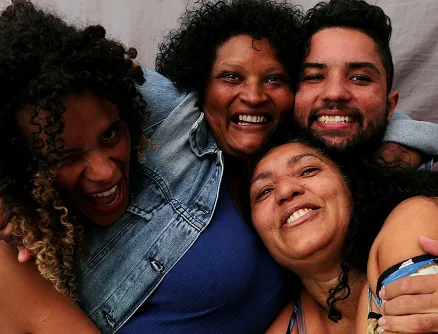






Thousands of immigrants are already achieving more with their money. You can too.
Comun is a financial technology company and not a bank. Banking services are provided by Community Federal Savings Bank; Member FDIC. The Comun Visa® Debit Card is issued by Community Federal Savings Bank, pursuant to a license from Visa U.S.A Inc. and may be used everywhere Visa Cards are accepted.
Comun is a fintech company and not a bank or licensed money transmitter.
* Results may vary. For a complete list of eligible IDs and application requirements, follow this link.
^ No minimums, no maintenance fees. ATM or transfer fees may apply. See app for fee details.
‡ Direct deposit funds are typically available when we receive the payment file, up to two days before the scheduled payment date. This early availability is not guaranteed.
** A service provided by Service UniTeller, Inc. Service UniTeller, Inc. is licensed in all states that require a license. Remittance fees start at $2.99 but may vary. Please check the app for more details. Comun Inc. may earn revenue from the conversion of foreign currencies.
† Funds in your account are FDIC insured up to $250,000 by ownership category through Community Federal Savings Bank (CFSB), Member FDIC, in the event CFSB fails.