Checking account
What Is a Checking Account and Why Do You Need One?
Checking accounts are an essential tool for managing your personal finances, and the main type of account you'll use day-to-day in the United States.
8 min read

11 Aug 2023

Checking accounts are an essential tool for managing your personal finances, and the main type of account you'll use day-to-day in the United States. In this article, we'll walk you through everything you need to know about them and how to choose the best option for you.
What Is a Checking Account and Why Do You Need One?
A checking account is a type of bank account that lets you deposit and withdraw money easily. It's the account most commonly used for everyday transactions like paying bills, making purchases, and receiving your paycheck. You need one because it gives you a safe place to keep your money and lets you handle financial transactions efficiently.
Advantages of Having a Checking Account
Checking accounts offer several advantages:
- First, they give you a safe place to keep your money.
- Second, they make managing your finances easier by letting you complete transactions easily.
- Third, many checking accounts offer additional services like debit cards, checks, and access to online and mobile banking.
Differences Between Checking Accounts and Savings Accounts
While a checking account is designed for everyday transactions, a savings account is designed for storing money long-term. Savings accounts usually offer higher interest rates, letting you earn money on your savings. However, they aren't as accessible as checking accounts and may have restrictions on how many transactions you can make.
Common Requirements to Open a Checking Account
Required Documentation
To open a checking account, you'll generally need to provide a photo ID, proof of address, and your Social Security number or tax ID number.
At Común, online banking for immigrants in the United States, the main documents you'll need are:
- Official ID from your home country
- A tax ID number like an ITIN or Social Security number (SSN)
- Proof of address in the United States, such as a bill in your name showing your address within U.S. territory
Opening a checking account with Común is 100% online and can be done in under 5 minutes.
Minimum Deposit and Other Conditions
Some banks require a minimum deposit to open a checking account. They may also charge fees if your balance drops below a certain level. For example, Chase Bank offers the Chase Total Checking account, and Citi Bank offers the Citi Basic Banking Package, both of which include access to thousands of ATMs and online and mobile banking service. However, like many other traditional banks, they charge a monthly service fee of around $8 to $12 unless you meet certain average monthly balance requirements or a minimum amount deposited through monthly direct deposits. On top of that, they may charge overdraft fees of $39 or more.
With Común, however, there's no minimum deposit amount, no minimum monthly balance, and no monthly service fee — and no hidden costs in the fine print.
What They Don't Tell You About Checking Accounts in the United States
You can generally access the funds in your account through ATM withdrawals, checks, electronic transfers, and debit cards. It's important to know, though, that each bank may charge fees for each of these operations, so it's worth knowing them before opening an account so you can compare your options and find what's most practical for you.
Many banks also require an initial deposit to open a checking account. The amount varies by bank, but can range from $25 to $100. Común's checking account has no such cost — the initial deposit required to open one is $0.
Checking accounts can also come with fees beyond the monthly maintenance fee, like ATM fees, overdraft fees, and more. Some banks waive the monthly fee if you maintain a minimum balance or have regular direct deposit. With Común, you can deposit and withdraw cash at no cost at more than 55,000 ATMs across the United States, found at places like Walgreens, CVS, Target, and more.
Some banks offer overdraft protection that keeps checks from bouncing or your debit card from being declined if you don't have enough money in your account. This service can come with high fees, though, so it's important to understand the terms.
And if you're living in the 21st century, access to online and mobile banking lets you check your balance, pay bills, deposit checks, and transfer money from anywhere.
One special feature of checking accounts is FDIC insurance. Banks in the U.S. are typically insured by the Federal Deposit Insurance Corporation (FDIC). This means that even if the bank fails, your money — up to $250,000 — is protected. Común's accounts, for example, are FDIC-insured up to $250,000 through partner bank Community Federal Savings Bank (CFSB).
Checking accounts are an essential tool for managing your personal finances. They give you a safe place to keep your money and let you handle financial transactions efficiently. When choosing a checking account, you should consider factors like fees, services offered, the bank's location and reputation, and interest rates. With the right information, you can choose the checking account that best fits your needs.
If you're looking to open a checking account and get a debit card, what are you waiting for? Do it with Común.
About Común
Común aims to support the Latino community in the United States. It offers a debit account that can be opened with more than 100 valid Latin American IDs and an app available in Spanish.
Visit Común's website or download the app for free to learn more about the full offer and applicable terms.
Olivia Rhye
Community Partner

Instant payments
Learn how to use Cash App for your finances in the U.S.
8 min de lectura
The popularity of digital personal finance applications continues to grow among users in the United States. According to recent data, 8 out of 10 Americans have embraced the digital economy by using financial applications for purchases, digital payments, online banking, and more.
Cash App is one effective alternative to facilitate personal finance management. In 2024, it recorded 57 million monthly active users and $16.2 billion in earnings.
If you're curious to know what Cash App is, how it works, all its benefits, and its associated fees, below we provide all the details so you can decide whether it is the best option to meet your needs.
What Is Cash App and What Is It Used For?
Cash App is an alternative to traditional banking that operates through a mobile financial services application. Its functionality is highly versatile, as it not only allows users to send and receive money but also to make purchases and receive direct deposits from payroll.
The application was developed by Block Inc. (formerly Square Inc.) and aims to offer a comprehensive and more accessible service through digital solutions.
To open an account on Cash App, you must meet certain requirements, such as having a Social Security Number (SSN) and a U.S. bank account.
Cash App: How It Works, What Features It Offers, and What Fees It Charges
Cash App is available through its official mobile application, in which you must complete the registration and verification process to access all available features. Once completed, you may link a bank account if needed.
You will also have a Cash Tag: a unique username that allows you to send and receive money easily.
The following are the main features offered by the Cash App application:
Sending and Receiving Money
Cash App allows instant transfers between users of the application free of charge (free instant transfers; standard network fees may still apply).
Cash Card
This is a free debit card linked to your balance. It allows you to make online and in-store purchases and withdraw cash from ATMs.
QR Code
Pay directly in physical stores using a QR code.
Cash App Pay
A payment method that allows users to complete transactions in online stores and directly through the application.
Cash Boosts
You can obtain discounts at selected physical and online establishments.
Fees for Using Cash App
Although many of Cash App’s features are free, such as account maintenance, use of the Cash Card, and transfers between Cash App accounts. Below is a table with some of the main fees and charges associated with the aforementioned features:
| Service | Cost |
|---|---|
| Instant transfer to bank card | 0.5 % to 1.75 % |
| Standard transfer (1 to 3 days) | Free |
| ATM withdrawals | 2.50 USD per withdrawal |
Cash App registration requirements
If you want to use Cash App to control your finances, make sure you meet the following requirements:
Have a U.S. phone number
You can also use an email to verify your identity.
Reside in the United States or England
Cash App is only available in the United States and the United Kingdom. The application and information are available in English only.
Have a bank account
It is recommended if you want to have access to all the functions of the application.
Do the identity verification
This will allow you to access features such as sending or receiving more than 1,000 USD over 30 calendar days and applying for the Cash Card.
But remember that to perform identity verification you need:
- Full name
- Birthdate
- Social Security Number (SSN)
How secure is Cash App? : 9 important considerations
The issue of security is one of the most relevant in relation to financial services applications. You should always verify that your provider has the necessary measures in place to keep your assets and personal data safe.
For its part, Cash App has the following security measures, among others:
Multifactor authentication
Cash App requests identity authentication via email or SMS. In addition, it allows you to activate a PIN or biometry to log in.
End-to-end encryption
Your personal data stored in Cash App is secure through TLS/E2E.
System for the detection and prevention of illegal activities
Cash App has implemented technologies trained to detect unusual behavior and prevent fraud, such as machine learning and algorithms.
Subsequent payment monitoring
The application has an additional monitoring system to do a double check and detect unusual activities.
Although the above features offer some certainty regarding the application's security measures, it's always important to take into account some considerations:
Turn off automatic login
To prevent an outsider from accessing your account without your authorization, avoid using automatic login. Instead, use strong, unique passwords and enable 2-step authentication.
Beware of fraud
Stay alert to scams, either by phone or email. Never give out personal information or passwords through these means. If you need to contact application support, do so through official means.
Keep active alerts
Cash App allows you to receive alerts for your transactions directly on your cell phone. Make sure to keep them active.
Verify data before making transfers
Send money only to people you know and verify their information before confirming the operation, since once the money has been sent, it is not possible to recover it.
Activate the PIN to carry out transactions
You have the option of activating the PIN or biometric data to confirm your transfers before doing them, and avoid the use of your application by third parties in case of theft or loss.
Are you looking for more than just a payment app? Comun is your financial ally in the U.S. UU.
There is no doubt that Cash App is a popular alternative among those looking for a fairly comprehensive and easy-to-use financial solution.
But if you are looking for a financial ally that offers a simple and secure experience, with customer service and a platform also available in Spanish, we present Comun.
Comun goes beyond traditional limitations, so that immigrant communities in the United States have access to quality financial services, without complications. With Comun you can:
- Receive and send money conveniently, without complications and without the need for a traditional bank account.
- Open your Comun account with the qualified Official Identification of your country of origin.
- Get a simple mobile application for hassle-free daily international money transfers.
Open your Comun account today and breaks down the barriers of traditional financial services, language and cultural ones.
FAQs
If you still have questions about what Cash App is for and its features, check out our frequently asked questions.
What are Cash Boosts in Cash App?
These are instant discounts available on the Cash Card. To activate them, enter the mobile application and select “Cash Card”, followed by “Add Boost” and “Save Boost”. Select the discount you are interested in and it will be applied when you pay with your debit card.
What happens if I receive a lot of money through Cash App?
Some necessary checks may be activated starting at $1000.
How much is the maximum that can be sent via Cash App?
1000 USD over 30 calendar days for unverified users; if you verify your user, you can increase this limit to 20,000 USD.
What is Cashtag in the Cash App?
This is a unique username that is used so that other users of the application can send you money. It starts with the $ symbol followed by an identifier.

Financial Education
What Is Direct Deposit?
8 min de lectura
Direct deposit is an electronic transfer that deposits your paycheck or benefits straight into your bank account, with no physical check required. It's the most common way employers pay in the U.S. With Común, you can receive your direct deposit and access your money up to 2 days before payday.
Direct Deposit Definition
Direct deposit is an electronic funds transfer method that lets an entity — an employer, the government, etc. — deposit money directly into the recipient's bank account. Unlike paper checks, this process eliminates the need to issue, deliver, and cash physical checks, saving time and resources.
Common Uses of Direct Deposit
- Employee payroll: One of the best-known uses of direct deposit is payroll management at companies. Instead of issuing checks to each employee, companies can deposit wages directly into employees' bank accounts.
- Government payments: Governments also use direct deposit to distribute payments to citizens, such as pensions, unemployment benefits, and tax refunds.
- Money transfers: People can also use direct deposit to send and receive money between bank accounts, making it easier to handle transactions and payments between friends, family, and businesses.
Advantages of Direct Deposit
- Speed: One of the biggest advantages of direct deposit is how fast the funds transfer happens. Direct deposits generally process faster than paper checks, letting recipients access their money sooner.
- Security: Direct deposit is a safer method than paper checks, since it reduces the risk of theft, loss, or check fraud.
- Time and resource savings: By eliminating the need to issue, deliver, and cash physical checks, both companies and recipients save time and resources. Direct deposit is also more environmentally friendly, since it reduces the amount of paper used in financial transactions.
- Control over your money: Direct deposit lets recipients access their money quickly and conveniently, giving them more control over their personal finances.
How to Set Up Direct Deposit
With mobile apps like Común, you can connect your direct deposit to your bank account in seconds. Común lets you connect your direct deposit right from the Común app, or if you'd rather your employer handle it, Común gives you a pre-filled form to hand to your employer. On top of the convenience, connecting your direct deposit with Común means the Común app gets you your pay up to two days early.
Conclusion
Direct deposit is a modern financial solution that offers speed, security, and convenience when transferring funds. Whether for payroll, government payments, or personal transfers, direct deposit has become a preferred way to handle transactions and manage money. Ultimately, this method simplifies our financial lives so we can focus on what really matters.
FAQ Schema (translate the JSON-LD block too — paste into the same embed)
Marcela/Eduardo: this post already has an FAQPage schema embed in Spanish. Translated version below — swap the text field, keep the JSON structure identical.
Q: What is direct deposit?
A: Direct deposit is an electronic transfer that sends your paycheck or benefits straight to your bank account, with no physical check needed. It's the most common way employers pay in the U.S.
Q: How do I set up direct deposit with Común?
A: To set up direct deposit with Común, you need your account number and routing number. You'll find them in the Común app, in your account section. Share them with your employer or HR.
Q: How long does direct deposit take to arrive?
A: Direct deposit usually arrives on the payday your employer sets. With Común, you can get paid up to 2 days early.
Q: Do I need an SSN to receive direct deposit?
A: Not necessarily. With Común, you can open an account using official ID from your home country and receive direct deposit without an SSN.
Q: What's the difference between direct deposit and a bank transfer?
A: Direct deposit is initiated automatically by your employer or payer every pay period. A bank transfer is something you initiate manually from your account. Direct deposit is faster and requires nothing further from you once it's set up.
Q: Is direct deposit safe?
A: Yes. Direct deposit is safer than a physical check because the money goes straight to your account with no risk of loss or theft. Común accounts are backed by CFSB, Member FDIC.
Community
How Common Makes Money: A Transparent Look at Our Business
8 min de lectura
Founded by Mexican co-founders who themselves navigated the banking system as immigrants in the United States, Común brings a unique perspective to the challenges faced by its target audience.
Let’s look at how Común remains profitable through innovative revenue streams, cost-saving strategies, and a deep commitment to its customers, emphasizing how these factors contribute to the ease and benefits of virtual banking for newcomers to the financial world.
Revenue Streams: Banking Services
Común not only offers essential banking services¹, but also features such as international remittances⁴, which provide significant benefits for Común customers. Común monitors cash flows and payment channels to ensure efficient and secure transactions. Consumers often pay high remittance fees with other services, but Común offers a cost-effective alternative.
This service is crucial for immigrants who regularly send money home, increasing Común’s appeal as a banking solution that understands and responds to the specific financial dynamics of its users.
Cost-Saving Strategies: Financial Inclusion
The strategic absence of physical branches allows Común to minimize operating costs and maximize profits. Común allocates resources to expand its reach and improve financial services for Latina immigrant families. These savings are passed on to customers through lower fees and better rates, making financial services more accessible. Común’s digital platform makes banking easier to access, offering 24/7 services that make money management secure and efficient from any browser or app.
Company Values and Customer Relationship
Común champions financial inclusion, particularly within the Latino community, positioning itself among companies dedicated to serving Latino communities and enabling account setup with a variety of international IDs. This inclusivity strengthens trust and understanding between Común and its customers, fostering a supportive banking environment.
Competitive Advantage
By creating a customer-focused digital bank that offers services in Spanish and accepts nontraditional IDs, Común specifically addresses the barriers faced by Latino immigrants. This personalized service not only sets Común apart from its competitors, but also deepens customer loyalty and trust.
Target Audience
Común focuses on Latino immigrants, a group often overlooked by traditional banks. In its latest funding round, Común raised $5 million in June 2022 to further develop its services. By offering accessible and empathetic financial services, Común not only meets a significant market need, but also empowers its customers toward greater financial stability and integration into the U.S. economy. South Park Commons, along with Costanoa Ventures, has played a key role in supporting financial inclusion banking solutions for Latina immigrant families in the United States.
Conclusion
Virtual banks like Común present an easy-to-use, cost-effective, and inclusive alternative to traditional banking, particularly beneficial for those who are new to banking or marginalized by conventional financial institutions. By focusing on accessibility, cost efficiency, and customer-oriented services, Común not only maintains profitability, but also significantly improves the banking experience for its users.
Immigration
EB-2 visa: requirements and how to apply in 2025
8 min de lectura
Obtaining permanent residence is the goal of millions of immigrants in the United States. The EB-2 visa is one of the most feasible paths to achieve it, since it not only grants the applicant the right to work legally, but to do so within their area of professional expertise.
This type of visa is intended to facilitate immigration for people with advanced university degrees or demonstrable exceptional ability.
If you have a professional career and several years of experience, you may qualify to obtain a Green Card through the EB-2 visa and gain strong job opportunities and stability in the U.S.
Below we explain the requirements to obtain the EB-2 visa, the differences between eligibility categories, and the step-by-step process to secure the pathway that could completely change your working life.
Learn more about the EB-2 visa and why it matters
There are several categories of work visas that can lead to a Green Card. One of them is the EB-2.
There are two routes to obtain this visa:
- With an employer sponsor:
Requires a U.S. employer to file through a process called PERM Labor Certification, which demonstrates the need for a foreign worker due to an insufficient number of qualified U.S. workers.
- With a National Interest Waiver (EB-2 NIW):
Employer involvement is not required; it can be filed as a self-petition showing the work has significant impact or is in the national interest of the United States.
This visa is aimed at professionals with advanced degrees in various fields or with exceptional ability.
The main advantages of the EB-2 over other visas are:
- It puts you on a path to permanent residence.
- It does not rely on capped lotteries.
- It allows you to advance professionally with greater freedom and financial stability.
Differences among the main U.S. employment visas
Understanding immigration procedures and visa application processes can be confusing because of the different categories and specific requirements for each.
Below is a comparison table of the EB-2, EB-3, and EB-5 visas.
EB-2 | EB-3 | EB-5
Approximate processing time with sponsor: at least 12–18 months. With NIW the time may be somewhat shorter. | About 1 to 3 years. | EB-5 processing times vary widely; consult USCIS directly.
Who can apply? Professionals with an advanced degree or exceptional ability. Applicants with skills of national interest. | Skilled workers Professionals with a bachelor’s degree Other workers | Foreign investors who make a minimum investment in a U.S. business and create at least 10 jobs.
Purpose of the visa Obtain permanent residence based on professional merit. NIW allows self-petition. | Obtain permanent residence for skilled workers or professionals. | Obtain permanent residence in exchange for a significant financial investment.
Approximate costs Form I-140: $715 Form I-485 (adjustment of status): $1,440 Consular processing: $325. | Same as EB-2 | $1.8 million standard investment. $900,000 reduced investment if the project is in a TEA area. Form I-526 / I-526E: $11,160 + $100 if investing via a Regional Center.
Main requirements With sponsor: employer files PERM and then Form I-140NIW: show work of national interest. | PERM approved by DOL Employer must file Form I-140Meet additional requirements for other workers. | Proof of lawful, traceable investment in at least the minimum amount. Evidence of creation or preservation of at least 10 jobs. Enter as a conditional resident. File Form I-829 to remove conditions.
| EB-2 | EB-3 | EB-5 | |
|---|---|---|---|
| Approximate processing time |
With sponsor: at least 12–18 months. With NIW the time may be somewhat shorter. |
About 1 to 3 years. | EB-5 processing times vary widely; consult USCIS directly. |
| Who can apply? |
Professionals with an advanced degree or exceptional ability. Applicants with skills of national interest. |
Skilled workers Professionals with a bachelor’s degree Other workers |
Foreign investors who make a minimum investment in a U.S. business and create at least 10 jobs. |
| Purpose of the visa |
Obtain permanent residence based on professional merit. NIW allows self-petition. |
Obtain permanent residence for skilled workers or professionals. | Obtain permanent residence in exchange for a significant financial investment. |
| Approximate costs |
Form I-140: $715 Form I-485 (adjustment of status): $1,440 Consular processing: $325. |
Same as EB-2 |
$1.8 million standard investment. $900,000 reduced investment (TEA area). Form I-526 / I-526E: $11,160 + $100 (Regional Center cases). |
| Main requirements |
With sponsor: employer files PERM and then Form I-140. NIW: show work of national interest. |
PERM approved by DOL. Employer must file Form I-140. Meet additional requirements for other workers. |
Proof of lawful, traceable investment of the minimum amount. Evidence of creation or preservation of at least 10 jobs. Enter as a conditional resident. File Form I-829 to remove conditions. |
What are the requirements to obtain the EB-2 visa?
It’s important to stress that applicants must meet specific requirements to obtain the EB-2 visa in any of its modalities.
These are requirements you cannot overlook:
Requirements via advanced academic degree
Holding an advanced degree is the most common way to obtain an EB-2 visa.
- An advanced degree is considered a master’s, doctorate, or post-doctoral degree.
- A person with a bachelor’s degree may apply, as long as they can show at least 5 years of experience.
Requirements via exceptional ability
Another alternative is to demonstrate exceptional ability in fields such as the arts, sciences, business, or others.
This means reaching a level of expertise significantly above ordinary. It must be shown with at least 3 types of documentary evidence:
- Recognitions: achievements, distinctions, and awards received.
- Work record: employer letters and proof of years of work experience.
- Memberships: belonging to associations that require meeting professional standards and merits.
National Interest Waiver (NIW)
Allows applying without a sponsor or labor certification.
These are the 3 criteria for the EB-2 NIW, according to USCIS:
- The endeavor has substantial merit.
- It has national importance for the United States.
- The applicant is well positioned to advance it.
This visa is widely used by researchers, physicians, businesspeople, and entrepreneurs who can contribute significantly to U.S. society.
How to apply for the EB-2 visa
Below are the key steps to obtain the EB-2 visa.
Determine eligibility
First, determine which subcategory fits your profile—advanced degree, exceptional ability, or NIW. Assess your background and each category’s characteristics to decide where to apply.
File the initial petition
Generally, you will file Form I-140, which the employer or the applicant (in the case of NIW) uses to start the visa process.
Adjustment of status or consular processing
For adjustment of status, file Form I-485 if the applicant is in the U.S. Otherwise, proceed via consular processing with the DS-260.
Interview and final decision
USCIS or the consulate will likely require an interview to verify your information and ask questions related to your profile. Once approved, the applicant ultimately obtains lawful permanent residence.
Once in the United States, open your account with Común
In this article, we reviewed what the EB-2 visa is, the requirements to apply, the sponsorship or NIW options, and the key steps in the process.
Although it may seem confusing or endless, it is also a step toward living and working legally in the U.S. and obtaining a residence card.
To start from scratch in a new country, you need allies who understand you.
Común is the financial platform built for immigrants newly arriving in the U.S. who want to manage their money safely. Send money from the United States to Latin America with clear, affordable fees. Your family can receive it directly in bank accounts or pick it up at selected physical locations.
Opening your account is very easy! The mobile app is available in Spanish and English. Comun accepts over 100 qualifying foreign government IDs, and was designed with you in mind.
Frequently Asked Questions (FAQ)
If you still have questions, see this section:
Can I include my family in the application?
If your petition is approved, you can include your spouse and unmarried children under 21.
How much does it cost to apply for the EB-2?
- I-140 (Immigrant Petition): $715.
- I-485: $1,440.
- USCIS Immigrant Fee (for Green Card issuance): $235.
What if my visa is denied?
You can file an appeal or start a new application.

Living in the United States
Minimum wage in the United States in 2026: Complete guide by state
8 min de lectura
Minimum wage in the United States in 2026
The federal minimum wage remains $7.25 per hour, unchanged since 2009 under the Fair Labor Standards Act.
However, that number does not reflect what all workers earn. Many states, some cities and counties have set higher minimum wages, which means that your legal minimum pay depends on where you work.
Understanding the minimum hourly wage in the USA is not just about knowing the federal number. It's about knowing whether you are being paid what you are legally owed.
Why has it stayed the same for so long?
Changes to the federal minimum wage require approval from Congress. While there have been multiple proposals to increase it, none have passed into law. As a result, the federal rate has not kept up with inflation or the rising cost of living.
In practice, this means the federal minimum wage acts as a baseline, not the standard in many parts of the country.
Minimum wage by state in 2026
Workers must be paid the highest applicable minimum wage, whether it comes from federal, state, or local law.
Below is a representative minimum wage by state table for 2026. It is important to always verify your local rate, as some cities have higher minimums.
| Rate | State(s) | Notes |
|---|---|---|
| $17.95 | Washington, D.C. | Highest in U.S. Adjusted annually on July 1 via CPI formula |
| $17.13 | Washington State | Highest state, CPI-indexed; first state to exceed $17 statewide |
| $16.94 | Connecticut | — |
| $16.90 | California | Fast food workers at chains with 60+ locations: $20.00/hr. No tip credit permitted. |
| $16.00 | New York (rest of state) · Hawaii · Rhode Island | New York City, Long Island & Westchester: $17.00/hr · Hawaii from $14.00 in 2025 |
| $15.92 | New Jersey | Lower rate applies for small employers (≤5 employees) |
| $15.74 | Oregon | Portland metro area: $17.00/hr · Non-urban areas: $14.20/hr · CPI-indexed annually |
| $15.16 | Colorado | Denver: $19.29/hr · CPI-indexed annually |
| $15.15 | Arizona | CPI-indexed annually |
| $15.10 | Maine | — |
| $15.00 | Delaware · Illinois · Maryland · Massachusetts · Missouri · Nebraska | Local rules may apply |
| $14.42 | Vermont | CPI-indexed annually |
| $14.00 | Alaska · Florida | Alaska increase effective July 1, 2026; Florida effective September 30, 2026 |
| $13.73 | Michigan | Scheduled to reach $15.00 on Jan 1, 2027 |
| $12.77 | Virginia | Legislation passed to reach $15.00 by 2028 |
| $12.00 | Nevada · New Mexico | State rate applies where higher than federal |
| $11.85 | South Dakota | CPI-indexed annually |
| $11.41 | Minnesota | CPI-indexed |
| $11.00 | Ohio | CPI-indexed · Businesses with gross receipts under $394,000: $7.25/hr |
| $10.85 | Montana | CPI-indexed annually |
| $10.55 | Arkansas | State rate applies where higher than federal |
| $7.25 | Texas · Idaho · Indiana · Iowa · Kansas · Kentucky · New Hampshire · North Carolina · North Dakota · Oklahoma · Pennsylvania · Utah · Wisconsin | Federal FLSA minimum generally applies to covered employers |
| $5.15* | Georgia · Wyoming | *State law is lower, but FLSA-covered employers must pay the federal $7.25 |
| No state minimum wage law | Alabama · Louisiana · Mississippi · South Carolina · Tennessee | No state minimum wage statute; federal $7.25/hr applies under the FLSA for covered employers |
Source: https://www.dol.gov/agencies/whd/minimum-wage/state
A few things worth noting: The states in the $7.25 group include states that adopted that rate under state law, while Georgia and Wyoming technically maintain a lower state minimum wage of $5.15 per hour. However, for most employees covered by the Fair Labor Standards Act (FLSA), the federal minimum wage of $7.25 per hour generally applies instead.
Three states have mid-year increases scheduled for 2026: Alaska jumps to $14.00 on July 1, Florida rises to $15.00 on September 30, and Oregon adjusts as well.
States with the highest minimum wage
Some states and cities have set wages far above the federal level to match actual local living costs. The highest minimum wages in 2026 are found in:
- Washington, D.C. at $17.95
- Washington State at $17.13
- Connecticut at $16.94
- California at $16.90
If you are working in one of these places, your pay should reflect at least those standards and not the federal minimum.
States with the lowest minimum wage
Several states' laws set their minimum wage below what the federal minimum wage indicates; in this case the federal standard of $7.25 per hour takes precedence. Some of them are:
- Georgia at $5.15
- Wyoming at $5.15
- Alabama and Louisiana — no separate state minimum wage law
If you live and work in these states and work minimum wage, your salary should reflect the federal minimum hourly wage in the USA.
Minimum wage for tipped workers
For tipped workers, it's important to understand that federal law permits a lower base wage. Under the Fair Labor Standards Act, employers can pay as little as $2.13 per hour as long as tips bring total earnings to at least the applicable minimum wage.
If tips do not cover the difference, the employer must make up the gap. However, some states, like California, do not allow this lower rate and require full minimum wage regardless of tips. It is important to check with your official local authorities the specific laws in your state for tipped workers.
Minimum wage for young workers
Workers under 20 years old can be paid a youth minimum wage of $4.25 per hour during their first 90 consecutive calendar days of employment. After that period, or once the worker turns 20, employers must pay the standard minimum wage.
What if your employer pays you less than minimum wage?
If you are being paid less than the legal minimum wage, your employer may be violating federal, state, or local labor laws.
Workers generally have the right to:
- Be paid at least the applicable minimum wage
- Receive overtime pay where required by law
- Keep records of hours worked and wages received
Employees can report potential violations to the U.S. Department of Labor's Wage and Hour Division. In general, labor law protections relating to minimum wage and overtime apply regardless of immigration status.
How much do you earn on minimum wage?
Assuming full-time work at 40 hours per week, your monthly and annual income could look like this (before taxes):
| Hourly Wage | Monthly Income (approx.) | Annual Income (approx.) |
|---|---|---|
| $7.25 | ~$1,256 | ~$15,080 |
| $13.00 | ~$2,253 | ~$27,040 |
| $16.50 | ~$2,860 | ~$34,320 |
These figures are estimates before taxes and depend on consistent full-time hours.
Is minimum wage enough to live in the U.S.?
In many parts of the country, the minimum wage does not fully cover the cost of living. Expenses such as housing, transportation, food, and healthcare vary widely by location. In states like California or New York, where the cost of living is high, even with better rates for minimum wages it may not be enough to support a family without an additional income.
It is important to consider the minimum wage and costs of living by state when choosing where to live and work.
How you get paid matters
Once you are earning, how you receive and manage your money can make a real difference. Some workers are paid by check or even in cash, which can make it harder to track income, build financial history, or send money to family.
Having a bank account or financial services platform may help:
- Receive direct deposits
- Track your income and expenses
- Send money securely to family members abroad
- Start building a financial roadmap to eventually access credit and build a credit history
For those who may not have access to traditional banking, there are a wide range of financial service providers and platforms including Común, which offer the ability to open a debit account with a passport or Matrícula Consular while you wait for your ITIN. You can manage your money through a mobile app which is also available in Spanish. Visit comun.app to learn more.
FAQ
Does the minimum wage increase in 2026?
The federal minimum wage remains $7.25, but many states continue to raise their rates annually.
What is the minimum wage in my state?
It depends on where you live. Always check your state and city laws, as local rates may be higher.
Can I be paid less if I am an immigrant?
No. Labor laws apply regardless of immigration status. You are still entitled to minimum wage and overtime protections.
Understanding your pay and what comes next
The minimum wage in the United States is not a single nationwide standard for all workers. It is a system shaped by federal law with state adjustments. Knowing the correct rate for your location is the first step. Making sure you are actually being compensated fairly is just as important.
Once you are earning, setting up a secure way to receive and manage your money can help you stay in control. With options like Común's debit account, you can receive direct deposits, track your income, and plan your finances in an app that is also available in Spanish. Visit comun.app to learn more.

Living in the United States
How to Buy a House in the United States as an Immigrant: Everything You Need to Know
8 min de lectura
Buying a house in the U.S. is a process that is not legally restricted for the immigrant population. However, it is more complicated for this group due to certain specific requirements requested.
According to a recent article, obtaining financing is more difficult for immigrants due to obstacles such as lack of credit history, immigration status, and the need to have an SSN or ITIN.
If you plan to live in the United States and believe you are far from meeting the necessary requirements to buy a house there, below we present the complete guide so you can acquire a property for the first time.
Is It Possible to Buy a House in the United States as a Foreigner?
Unlike several Latin American countries, in the USA it is possible to acquire a property without being a U.S. citizen, as long as a series of requirements are met to carry out the purchase process.
This process is completely legal and increasingly common, as it is possible with good financial preparation and the necessary documentation. According to Realtor, during 2024 more than 43,700 homes were acquired by immigrants. This confirms the viability of the transaction.
Although it is not necessary to have citizenship or permanent residence to buy a house, it is true that immigration status and the fulfillment of other requirements can influence the steps to access mortgage loans and other financing options.
Requirements to Buy a House in the United States
The first step in buying real estate in the United States is to gather the requested documentation and have the financial solvency needed to cover the price of the property.
Identity Documents
These are the essential documents you must gather before buying a house.
Passport
You must present your valid passport and visa as primary identifications that will serve to validate your identity.
Tax Identification Number
Generally, lenders request the SSN, but if you do not have one, it is also possible to present the ITIN.
Financial Preparation
If you have the price of the property in cash, it will be much easier to complete the purchase process. Otherwise, you must undertake the appropriate financial preparation to access financing programs suitable for you.
This is the step-by-step process we recommend you follow to ensure you can cover the installments of your first house in the United States.
Proof of Income
It is essential that you can prove stable income to obtain a mortgage, since lenders want to ensure that applicants are able to cover monthly installments and other payments associated with the purchase of a property.
Immigrants have the option of presenting documents issued inside and outside the country, but they must be translated and certified.
Employment Letters
An employment letter issued by the employer is a common way to prove income.
This document must include:
- Company name and contact details
- Applicant’s position
- Date of entry into the company
- Annual or hourly salary
- Signature and position of the issuer
Banking Account
The lender may also request bank statements from the last 3 months to verify steady income consistent with the declared salary. In addition, they evaluate the existence of overdrafts and the applicant’s savings capacity.
Funds Available for Down Payment and Closing
It is essential that you demonstrate solvency to cover the following payments.
- Down payment: ranges from 3% to 20% of the property value, depending on the type of loan
- Closing costs: notary fees, insurance, and loan fees
7 Steps to Buy a House in the United States
Step 1: Research the real estate market and define where you would like to buy
Before choosing a property, research the real estate market, the average price in each area, and access to basic services in the neighborhood of your interest. States like Texas are characterized by an 18% lower cost of living than the national average and a high presence of the immigrant community.
Below we show you a comparative table of the range of housing prices in different cities, according to Zillow.
Price table
| States / cities | Apartment | House |
|---|---|---|
| New York | 94,000 - 110,000,000 USD | 250,000 - 70,000,000 USD |
| Florida | 145,000 - 85,000,000 USD | 40,000 - 285,000,000 USD |
| Texas | 20,000 - 17,000,000 USD | 20,000 - 64,000,000 USD |
| Los Ángeles | 250,000 - 20,500,000 USD | 115,000 - 177,000,000 USD |
Step 2: Calculate How Much You Can Spend and Set Your Budget
It is very important that you carry out an analysis of your payment capacity, according to your income and monthly expenses.
Calculate how much money you spend per month and whether you will be able to cover the corresponding installments with the remaining money, as well as the amount you have saved at the moment.
Step 3: Choose a Real Estate Agent with Experience in International Clients
A real estate agent with experience in international clients will be of great help in streamlining the process, as they know well the special requirements as well as the most common barriers faced by immigrants. In addition, the real estate agent can help you with negotiation and with comparing housing prices.
Step 4: Request a Mortgage Pre-Approval if You Plan to Finance the Purchase
It is not mandatory to request mortgage pre-approval, although it does offer you certain benefits, such as greater solidity when presenting an offer, in addition to showing you the amount the bank could lend you.
Step 5: Visit Properties and Make a Formal Offer for the One You Are Interested In
Once you find a property ideal for your lifestyle, your real estate agent must prepare a formal written offer, which can be accepted, rejected, or renegotiated by the owner.
Generally, a guarantee deposit is delivered to endorse the purchase commitment.
Step 6: Carry Out the Inspection and Professional Appraisal of the Property
The inspection is vital to detect structural problems that affect the value of the house and to carry out the official appraisal that will be confirmed by the bank.
Step 7: Sign the Documents and Make the Final Payment at Closing
On the long-awaited closing day, you must sign a series of documents and carry out the following procedures:
- Mortgage signing, if applicable
- Signing of the property transfer
- Transfer of down payment and closing costs
- Registration of deeds in your name
Welcome to your new home!
Discover How Much It Costs to Buy a House in the United States
One of the most common mistakes of first-time buyers is calculating long-term payments based on the listed price, without considering the additional costs of the U.S. real estate market, such as:
Additional Costs to Consider
- Property taxes
- Home insurance
- Closing costs
Practical Tips for a Safe Purchase
Buying a house is a very important decision, which is why we recommend taking the necessary time to research and review all the details of the transaction.
In addition, it is advisable to have a banking account with real-time notifications and support in your language. This will help you better manage your finances and verify your income.
Común Helps You Prepare to Buy Your House in the United States
As you can see, buying a home in the United States is completely viable for immigrants, as long as they have the correct information, the support of experienced professionals, and proper financial planning.
Opening a banking account brings you closer to fulfilling the American dream, since it allows you to safely receive your salary and verify your income in the country.
Open your account today at Común with a qualifying official ID from your country of origin, organize your finances, and take the first step toward your new home.
Financial Education
Digital wallet: what it is, how it works, and how to use it in the U.S.
8 min de lectura
If you’re looking for a safe, simple way to manage your money, a digital wallet could be the ideal complement to your finances. It’s a mobile application that lets you bring together your cards and other financial products in one place.
In recent years, it has become a key tool for digital money management due to its convenience and security.
Below we explain in detail what a digital wallet is, common uses, advantages, and some examples of the most popular digital wallets in the United States.
What is a digital wallet and how does it work?
A digital wallet is an application for Android- or iOS-compatible devices that securely stores credit or debit card details, or bank account information and lets you access it quickly and safely to make digital payments and other transactions.
How it works is simple: you register your banking information in the app, where it’s encrypted to keep it secure and prevent third-party access. This lets you make electronic payments in seconds through several methods—scanning a QR code, using a smartphone with NFC technology, or selecting the digital wallet at checkout for online purchases.
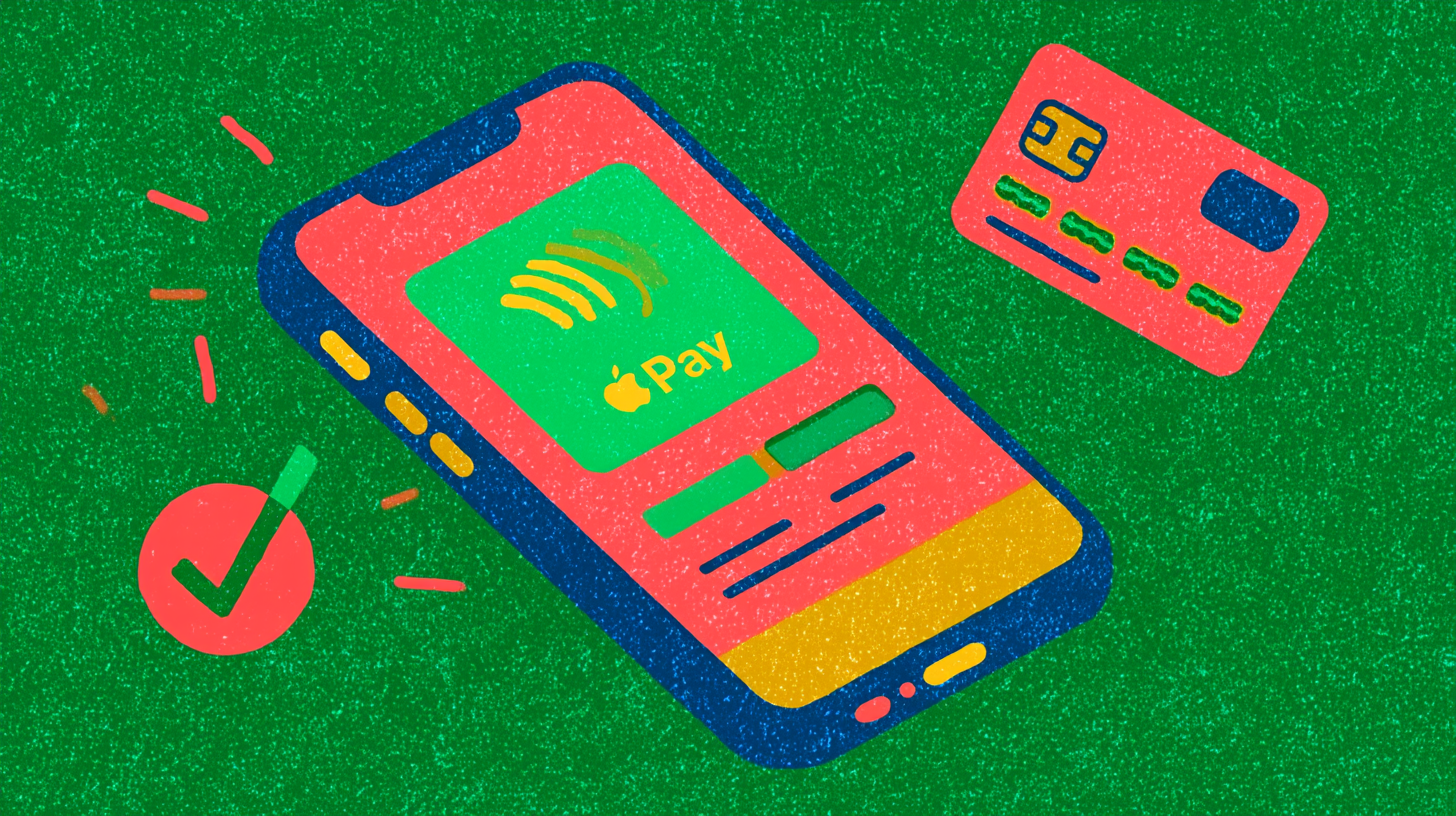
There is a wide variety of digital wallets in the United States; the most popular include Apple Pay, Google Wallet, Samsung Pay, and PayPal.
Most common uses of a digital wallet
A digital wallet simplifies day-to-day transactions for the thousands of immigrants living in the United States. These are the most common uses of this type of tool:
Pay in-store and online
Using a digital wallet in a store is easy as long as the merchant accepts contactless payments. In that case, simply enable NFC on your phone and hold it near the payment terminal. The payment will process automatically without entering additional information.
To pay online, first make sure you’ve added your bank accounts to the wallet’s mobile app. Then go to the product or service page and choose your digital wallet as the payment option. You may be prompted to enter an authentication factor for security.
Send money to family and friends
Another common use of digital wallets—especially among immigrant users in the U.S.—is sending remittances quickly to their home countries. Depending on the app, these can be less costly than traditional banks.
Store cards and documents
A digital wallet is also a handy organizational tool for keeping not only financial products like debit and credit cards, but also other digital items such as transit cards, tickets, and discount coupons.
Manage your money better
These applications also make it easy to keep your finances organized, create monthly budgets, and stay on top of day-to-day transactions.
4 advantages of using a digital wallet
Managing your financial products with a digital wallet has several notable benefits that can completely change how you make digital payments.
1. Security: lower theft risk compared with carrying cash.
Carrying cash is always riskier than digital options because of loss or theft. A digital wallet removes the need to depend on cash and streamlines payments online and in physical stores.
In addition, your personal information is encrypted so only you can access it. You can also add app-level security like biometrics and passcodes, facial recognition, and Touch ID.
2. Convenience: everything is on your phone, without carrying multiple cards.
Beyond avoiding cash, a digital wallet also means you don’t need to carry physical cards everywhere—you can add your accounts in the digital wallet app and pay from your mobile device.
3. Financial inclusion: ideal for immigrants without easy access to traditional banks.
A common challenge for immigrants newly arrived in the United States is meeting the requirements to open a traditional bank account. In contrast, a digital account would be far more accessible option for everyday essentials like receiving money, paying bills, and sending remittances to Latin America quickly and easily.
4. Financial control: lets you review expenses and organize money more clearly.
With a digital account, you can more easily track your money by enabling notifications on your phone to stay aware of every payment.
It can also log all your transactions and help maintain a monthly budget to ensure your money covers your U.S. expenses while supporting family in Latin America.
Examples of popular digital wallets in the United States
- Apple Pay
This is Apple’s official payments service and is built into all its products by default, such as iPhone and Apple Watch. One major advantage is that more than 85% of merchants in the United States accept it.
Its wide acceptance makes it very convenient for immigrants, whether for everyday shopping or paying monthly bills.
It also offers Apple Cash, which functions like a digital card and allows sending and receiving money, but it’s only available in the United States.
- Google Wallet
This is a virtual wallet available to Android mobile users. It’s a more complete option than its predecessor Google Pay, with features such as tap-to-pay.
It’s very useful for immigrants because it also stores official documents like licenses and various IDs.
- PayPal
PayPal is one of the most popular digital wallets not only in the U.S. but worldwide. It lets you store payment information easily, and sending money to other countries is straightforward thanks to its wide coverage.
- Cash App
Cash App is an application that lets registered users send and receive money. It may be a suitable alternative if you need a debit card and ATM withdrawals.
Manage your money as an immigrant with Común
In this article we showed you that a digital wallet is an application to store all your financial information in one place, plus the advantages, how they work, and the most popular brands in the United States.
If you want to simplify your finances, get to know Común, the platform that offers you:
- A checking account with clear, competitive fees.
- A debit card you can link to a digital wallet.
- Fast money transfers with affordable fees.
- Mobile banking available in Spanish and English
Open your Común account today with official ID from your country and start using your digital wallet to manage your money in the U.S.
Frequently asked questions
If you still have questions, see the section below.
What is the most reliable digital wallet?
You can choose options like Apple Pay, Google Wallet, and PayPal, as they have sufficient reputation for handling personal information.
How do I activate a digital wallet?
Download the application via Google Play or the App Store, create an account, add your cards, and complete the necessary verification.
Is it safe to use a digital wallet?
Yes, because they use encryption and tokenization to keep your information secure.
Instant payments
Direct deposit vs wire transfer: comparison guide for U.S. immigrants
8 min de lectura
Direct deposit vs wire transfer: comparison guide for U.S. immigrants
These payment methods are both available in the U.S. but they are often used for different purposes. Direct deposit is commonly used for paychecks, tax refunds, and government benefits, while wire transfers are more often used for urgent or high-value transfers between financial institutions.
Understanding the difference between direct deposit and wire transfers can help you avoid unnecessary fees, choose the right payment method for your situation, and manage your money more confidently.
What's the difference between direct deposit and wire transfer?
The biggest difference is the purpose they serve. Direct deposit is commonly used for recurring payments such as salaries, benefits, and tax refunds. Wire transfers are commonly used to move money quickly between financial institutions, particularly for large or time-sensitive transactions.
| Feature | Direct deposit | Wire transfer |
|---|---|---|
| Common use | Paychecks, benefits, tax refunds | Large or urgent transfers |
| Network used | ACH network | Wire transfer network |
| Speed | Typically 1–3 business days | Often same day or next business day |
| Typical cost | Often no fee to receive | Fees may apply |
| International transfers | Limited | Commonly used |
| Recurring payments | Yes | Less common |
| Setup required | Routing + account number | Bank details + recipient information |
How direct deposit works
Direct deposit is one of the most common payment methods in the United States, particularly for employees receiving wages from an employer. Instead of issuing a paper check, an employer sends the payment electronically to the employee's bank account through the ACH network.
To set up direct deposit you need to provide your employer: your bank's routing number and your personal account number.
How wire transfer works
A wire transfer is an electronic transfer of funds between financial institutions through secure financial networks like Fedwire or SWIFT. Unlike direct deposit, wire transfers are better suited for large one-time payments, urgent payments, real estate transactions, or international transfers.
When to use each one
Use direct deposit for:
- Receiving your paycheck
- IRS tax refunds
- Social security or unemployment benefits
- Recurring business payments
Use wire transfer for:
- Real estate payments (down payment, closing)
- Urgent international transfers
- High-value business payments
- When the recipient specifically requires a wire transfer
How to set up direct deposit with Común
With your Común account, you can set up direct deposit by providing your Común routing number and account number to your employer. Your Común account has unique routing and account numbers available in the app. Visit comun.app to learn more.
FAQ
Is direct deposit faster than wire transfer?
Not necessarily. Domestic wire transfers can be faster (same day), while direct deposits usually take 1-3 business days. However, many accounts offer early access to direct deposits up to 2 days early.
How much does it cost to set up direct deposit?
Setting up direct deposit is generally no fee. Employers use the ACH network to send payroll electronically at no charge to the employee.
Común is a financial technology company and not a bank. Banking services are provided by Community Federal Savings Bank, Member FDIC.
.avif)
Financial Education
The Definitive Guide to Managing Checks in the Digital Age
8 min de lectura
The shift from physical to digital checks marks a significant transformation in financial services, driven largely by technological advances and the widespread adoption of mobile devices and online banking platforms. This shift reflects a broader trend in the digital era, where convenience and efficiency come first. The importance and benefits of having a checking account in this context can't be overstated, since it enables direct deposit and check deposit through ATMs, saving users significant time and money.
How Banks and Financial Institutions Are Adapting
Banks and financial institutions have been at the forefront of this digital shift. Recognizing their customers' needs and preferences, these institutions have invested heavily in developing secure, user-friendly online banking services and mobile apps. These platforms let users complete a wide range of transactions that traditionally required a visit to a bank branch. Now, customers can access their bank accounts and manage payroll checks through direct deposit — a feature that improves the efficiency of receiving paychecks and issuing personal checks directly from their smartphones or computers. This functionality doesn't just simplify the process — it also makes it accessible anytime, anywhere, removing the physical limitations of traditional banking.
Convenience and Accessibility
The integration of online and mobile banking solutions has made financial services more accessible, letting users complete transactions remotely. One example is the PayPal app, which lets users deposit checks into their PayPal account using a photo, accessing their money for free within 10 days or instantly for a fee. This is particularly beneficial for users who need to deposit payroll checks without the delay of mail services or the inconvenience of visiting a physical bank or check-cashing store. For people living in areas without easy access to traditional banking facilities, or those with mobility issues, these digital options provide essential financial access, improving their ability to manage personal finances efficiently.
Enhanced Security Features
Along with convenience, security is a priority in the evolution of digital check processing. Financial institutions have implemented sophisticated security measures to protect users and their transactions. These include encryption, two-factor authentication, and secure sockets layer (SSL) technology, which protect data transmitted during online and mobile banking sessions. Additionally, features like automated fraud detection systems monitor unusual activity, helping prevent unauthorized access and transactions.
Verification processes for digital check transactions have also become more robust. Digital checks often require multi-factor authentication, which can include biometrics (like fingerprint or facial recognition), security questions, or mobile code confirmation. These layers of security help ensure only authorized users can issue, cash, or deposit checks, significantly reducing the risk of fraud.
The shift to digital check processing through online banking and mobile devices illustrates a broader trend in financial transactions toward greater technology integration, prioritizing user convenience and security. As this trend continues, we can expect these platforms to evolve even further, offering more features and efficiencies for managing financial transactions in the digital age.

Navigating Check-Cashing Services and Fees in the Digital Age
Traditional banks continue to offer check-cashing services at their branches, but the rise of digital platforms has diversified how consumers can cash a check and access their money. For those without a bank account, a check-cashing service provides a vital option for turning checks into cash, often at physical locations. Digital services like PayPal let users deposit checks directly into their PayPal accounts just by taking a photo of the check, making a PayPal account an essential tool for digital check deposits. Mobile apps like Ingo Money offer similar services, allowing check deposits directly to prepaid cards, PayPal accounts, or even as Amazon credit. These tools offer a level of convenience and speed traditional banks often can't match, since they skip the need to visit a physical location.
Understanding Check-Cashing Fees
Each check-cashing option has its own set of fees. Traditional banks may charge non-customers a fee to cash checks, and these fees can be particularly high for personal or third-party checks. Grocery stores and check-cashing stores typically charge a percentage of the check amount, which can vary widely depending on the type and amount of the check. Services like Western Union also facilitate check cashing, but often with higher fees, especially for instant-cash services.
Digital platforms vary in their fee structures. PayPal, for example, offers free check deposit if the user is willing to wait a few days for funds to settle, but a faster-access option is available for a small fee. Ingo Money also charges fees for instant access but offers a fee-free option if the user is willing to wait for funds.
Reducing Costs and Increasing Convenience With Digital Solutions
Digital solutions offer significant advantages in terms of reducing check-cashing costs and increasing convenience. By enabling direct deposits into checking accounts or onto prepaid cards like the Walmart MoneyCard, these digital platforms eliminate the need for physical check-cashing locations. This not only saves on the cost associated with cashing checks at physical locations, but also reduces the time spent processing transactions.
Additionally, the ability to deposit checks anytime, anywhere via a mobile device or computer means funds are available faster and without the inconvenience or expense of traveling to a bank or check-cashing store. This accessibility is particularly beneficial for people in remote areas or those with mobility issues, for whom visiting a physical location is a challenge.
In summary, the digital transformation of check-cashing services has given consumers a wider range of options for accessing their money quickly and securely, often at lower costs than traditional methods. The convenience of digital platforms extends to the ability to send money quickly and securely, further improving the user experience in managing financial transactions. As technology continues to advance, we can expect further innovations that will improve the efficiency and convenience of these financial transactions.
The Role of Third-Party Checks in Modern Financial Transactions
Handling third-party checks and pre-printed checks is critical within the digital banking framework. These checks, essential for numerous transactions like payroll payments and government payments, must be managed with strict security measures to ensure the integrity of financial processes.
Handling Third-Party Checks
Third-party checks involve transferring funds from the payer to an intermediary recipient, who then endorses the check to another party, known as third-party check endorsement. This process is particularly useful when the original recipient needs to endorse a third-party check to someone else, either because they lack valid ID or face limitations that prevent them from cashing the check themselves. The complex nature of these transactions requires rigorous verification processes. Financial institutions require valid ID from anyone attempting to cash or deposit third-party checks to verify their legitimacy. Both the original recipient and the endorser must sign, explicitly authorizing the transfer of funds. This verification helps mitigate risks like fraud, which are higher with third-party checks due to the multiple parties involved.
Managing Pre-Printed Checks
Pre-printed checks are commonly used for direct deposit of payroll and government benefits. They include fixed details like the issuing bank's name, the amount, and the recipient's account information, which are printed by the financial institution or company issuing the check. These checks are usually processed through specialized check-cashing services, which use advanced digital scanning technology to validate the check's details against secure databases, ensuring the payment comes from a legitimate source and is deposited into the correct bank account.
Modern Solutions in Check Cashing
Digital solutions have revolutionized how checks are processed, improving convenience and reducing check-cashing fees. Online banking platforms and mobile devices enable check deposits through mobile check deposit services. These platforms, like those offered by banks and financial services like PayPal and Ingo Money, let users cash checks by taking a photo and uploading it through an app. This method not only streamlines the processing of two-party personal checks and government checks, but also speeds up the availability of funds in checking accounts or on prepaid cards like the Walmart MoneyCard.
In conclusion, the digital transformation in handling third-party and pre-printed checks is improving security, reducing fees, and increasing convenience across the board. This shift doesn't just respond to growing demand for more efficient financial services — it also reflects broader trends toward digitization across every aspect of banking and financial transactions.
Embracing Digital Change in Check Management
The transformation of check management in the digital age is a clear reflection of the broader trend toward technology-driven financial services. This evolution presents a unique mix of challenges and opportunities. As we've explored, the shift from physical to digital checks brings improved security, greater convenience, and significant cost savings, making it an essential trend for both consumers and financial institutions.
The future of check management depends on deeper integration of innovative technologies. Banks and financial institutions are continually improving their digital services to offer users smoother experiences. Innovations like blockchain and artificial intelligence are poised to redefine security and efficiency in financial transactions, offering even more robust protections against fraud and errors.
For individuals, the ability to manage checks through mobile devices and online platforms means easier access to their finances, less time spent on manual processes, and reduced fees associated with traditional check-cashing services. For businesses and financial institutions, digital check processing reduces administrative burden and speeds up capital flow, improving economic efficiency.
In summary, managing checks in the digital age involves a dynamic mix of adapting to current technologies and anticipating the future needs of the financial market. This ongoing evolution promises to make financial management more accessible, secure, and efficient for everyone involved.
Living in the United States
Step by step: how to file taxes for the first time as an immigrant in the U.S.
8 min de lectura
Basic requirements to file taxes for the first time in the United States
Although getting a job in the United States brings a series of benefits for the quality of life of immigrants and their families, it also means committing to fulfilling the obligations required by the country's laws.
Filing a tax return is one of the processes everyone who has earned income must complete. This is done by submitting a report of annual income to the Internal Revenue Service (IRS).
Filing a tax return is particularly important for everyone, as it opens the door to access financial services such as mortgage and personal loans, which in turn help build a financial record especially for immigrants.
Filing taxes is a stressful and often confusing process for most people, especially when it involves understanding the tax institutions of another country.
Below, we show you a step-by-step guide to help you fulfill your tax obligations in the U.S. and access the benefits that come with it, such as receiving refunds and building a financial record in the country.
What documents do you need to file your taxes?
The first thing you should know to file your tax return in the U.S. is the documentation required by the IRS to process your information.
Make sure you have the following documents:
- Tax Identification Number: if you do not have a Social Security Number (SSN), you must apply for an Individual Taxpayer Identification Number (ITIN).
- Qualifying official identification from your home country: valid passport, driver’s license, or any official document that verifies your identity.
- Proof of income: W-2 forms if you are a salaried employee and your employer withholds taxes, and Form 1099 if you are self-employed.
- Proof of address in the United States: utility bill or rental agreement.
- Financial information: checking account and routing number to receive your refund through direct deposit, if any.
Tax preparation: step by step for your first filing
It is important to stay alert during tax season and prepare in advance to meet the deadlines established by law.
Follow these steps to ease the stress of tax obligations.
Step 1. Gather all your documents
The first step is to gather all the necessary documents to file your annual tax return.
- Form W-2: this document details your salary and the amount of taxes already withheld; request it directly from your employer.
- Form 1099: used by people who work independently.
- Benefit or assistance letters: if you receive any government benefit or tax credit, the IRS sends letters to include in your tax return.
Step 2. Choose how to file
Once you have your documentation in order, you must decide how you will file your return: on your own or with professional help.
- Self-prepared tax filing: you can use various IRS-approved tax preparation software such as IRS Free File, TaxSlayer, or TurboTax, which simplify the process by automatically calculating your taxes.
- With the help of a tax preparer, if you have multiple income sources or are self-employed, the best option is to hire an authorized preparer to ensure everything is filed correctly. You can also go to a community organization that offers low-cost assistance.
Step 3. File your tax return in the United States on time
Keep in mind that the deadline to file your tax return is usually April 15 each year. It is essential to submit your tax return within the deadline to avoid penalties and delays in receiving your refund.
How much does it cost to file taxes, and which option is best for you?
As mentioned before, there are different ways to file your tax return, which vary in cost and level of support offered. The best option depends on several factors, such as your income level and how familiar you are with tax topics.
Below is a comparative table of the different ways to file taxes in the United States.
Method
Approximate cost
Level of support
Doing it yourself with IRS-approved software
Free or up to $25
Low. Although the platform guides you step by step, you must enter all the information yourself.
With the support of community organizations
Free or up to $50
Medium. You receive assistance from certified volunteers.
With private preparers or accountants
$150 to $500, depending on complexity
High. The preparer does all the work and answers your questions.
Practical tips to avoid mistakes in your first tax filing
If this is your first time filing taxes in the United States, it may seem like a very complex task. Keep these tips in mind to ease the stress associated with the process.
- Don’t wait until the last minute to file: keep the deadline in mind and prepare several weeks in advance.
- Verify that all forms match your income: remember that the required form depends on your type of work. Make sure your income matches what you report.
- Keep copies of all submitted documents: create both a physical and digital file to have every record handy.
- Check official IRS resources for immigrants: always access official websites ending in .gov.
- Avoid relying on third parties that promise higher refunds: remember that tax preparers or community organizations must be certified by the IRS to ensure your filing is done properly and your personal data remains secure.
Común, your financial support after filing your taxes
We’ve shown that the tax filing process is not as complicated as it seems. Now you know which steps to take and which method to use based on your situation.
Just as filing taxes helps you organize your financial situation, Común helps you manage your day-to-day finances.
Discover all the benefits of Común!
- Open a checking account with a qualifying official identification from your home country.
- Mobile app available in Spanish and English, specially designed for the immigrant community.
- Ability to receive your tax refund directly into your account.
- Debit card for daily expenses and international money transfers to Latin America.
Discover Común, the option dedicated to serving the needs of immigrant communities in the United States, with support available in Spanish.
Frequently Asked Questions (FAQ)
If you still have questions, check this section.
What happens if I don’t file my taxes in the U.S.?
Not filing your tax return may result in IRS penalties, accumulated interest, and withheld future refunds.
Can I file taxes without a Social Security Number?
If you do not have a Social Security Number, you can apply for an ITIN.
Is it better to file my taxes myself or with a tax preparer?
It depends on your situation: if you have only one source of income, you can use software, but if your income is higher or more complex, the best option is to consult a professional.
Living in the United States
Cheapest cities to live in the United States in 2026
8 min de lectura
Cheapest Cities to Live in the United States (2026)
Living in large metropolitan areas such as New York City, Los Angeles, or Miami can be expensive, especially when it comes to housing, transportation, and everyday expenses. For many people, including recent immigrants, young professionals, and families trying to build financial stability, the affordability of a place may play an important role when deciding where to live in the United States.
There are cities across the country where the overall cost of living can be lower while still offering access to jobs, public services, universities, and established communities. Cities such as Cleveland, Detroit, Toledo, Wichita, and Memphis are often recognized among the more affordable cities to live in the United States due to their relatively lower housing costs and cost-of-living indexes.
This guide explores some of the more affordable cities to live in the U.S., the factors that influence affordability, and considerations that may help when choosing a city that fits your budget, lifestyle, and long-term goals.
Factors that influence the cost of living in cities in the U.S.
Housing and rent
Housing is usually one of the largest expenses for households in the U.S. The national median home price ranges from approximately $408,800 to $437,000. In major metropolitan areas, average rents can exceed $2,000/month. In the most affordable cities, median home prices can be as low as $75,000–$150,000, and one-bedroom apartments often rent for $600–$900/month.
Utilities and groceries
Utility costs such as electricity, water, internet, and heating can vary depending on the region and climate. Grocery prices can also differ between cities depending on transportation costs, local agriculture, and overall demand.
Transportation and mobility
In some larger cities, public transportation may reduce the need for a car. In smaller or more spread-out cities, owning a vehicle may be more needed, which can add costs such as gas, insurance, parking, and maintenance.
Job Opportunities and Salaries
A lower cost of living may not always translate into greater affordability if local salaries are significantly lower. According to the U.S. Census Bureau, the national median household income was approximately $83,730 in 2024.
The 10 most affordable cities to live in the United States
1. Cleveland, OH
Cleveland consistently ranks among the most affordable large cities in the United States. Its overall cost of living runs approximately 7–17% below the national average, with housing costs particularly low. Median home prices range from roughly $105,000 to $150,000, a fraction of the national median. The city's economy is anchored in healthcare and advanced manufacturing, with the Cleveland Clinic and University Hospitals serving as two of the region's largest employers. Cleveland is also home to approximately 49,500 Hispanic residents, making it the second-largest Latino community of any city in Ohio, with established Puerto Rican, Mexican, and Central American communities.
2. Detroit, MI
Detroit stands out for its exceptionally low housing purchase prices. Houzeo reports a median sale price of $82,000, while Redfin records a higher median of $104,000 as of March 2026. Significant investment in downtown revitalization, automotive industry jobs, and a growing startup scene have improved its economic outlook.
3. Toledo, OH
Toledo is one of the lower-cost cities in the Midwest. Redfin puts Toledo's median sale price at $111,000 as of February 2026, noting that Toledo's median is 68% lower than the national average. Manufacturing, healthcare, and logistics remain important parts of the local economy, and the city has an established Latino community with access to Spanish-speaking services.
4. Wichita, KS
Wichita's cost of living is 12% lower than the national average, with housing 35% cheaper than the U.S. average. The median household income is $63,072. Redfin reports a median sale price of $235,000 in March 2026. The aerospace and manufacturing industries are major employers.
5. Memphis, TN
Memphis's overall cost of living is 11% lower than the national average. Redfin reports a median sale price of $170,000 in February 2026, noting Memphis's median is 51% lower than the national average. Average rents for a one-bedroom are typically in the $800–$950 range. Memphis is a logistics and distribution hub — FedEx is headquartered there.
6. Tulsa, OK
Tulsa is often viewed as one of the more affordable cities in the South-Central United States, with housing costs remaining below those in many larger U.S. metros. The city gained national attention through the Tulsa Remote program. Energy, healthcare, and finance continue to be important industries in the local economy.
7. Knoxville, TN
Knoxville's cost of living is 14% lower than the national average. The city combines lower overall costs with access to universities, healthcare systems, and outdoor recreation in the Appalachian region. Redfin reports a median sale price of $307,000 in March 2026.
8. Birmingham, AL
Birmingham is frequently recognized as one of the more affordable cities in the Southeast. Healthcare remains one of the city's largest industries, particularly because of the University of Alabama at Birmingham and its medical network. Housing prices and rental costs may remain lower than those found in many larger Southern metropolitan areas.
9. Indianapolis, IN
Indianapolis is often categorized as a lower-cost mid-sized city. The city has continued expanding in sectors such as logistics, healthcare, and technology, while maintaining housing prices that are often lower than those in coastal metropolitan areas. Indianapolis also has a growing Latino community and multiple immigrant support organizations.
10. Brownsville, TX
Brownsville is often highlighted for its affordability and strong connection to Latin American culture. Located within the U.S.-Mexico border, the city has one of the largest Spanish-speaking populations in the country (94% Hispanic), which may make everyday life more accessible for recent immigrants and bilingual families.
Comparison Table: Cost of Living by City (2026)
| State | 1BR FMR / Avg. Rent | vs. National 1BR FMR (~$1,393) | Cost of Living Index |
|---|---|---|---|
| West Virginia | $801 (FMR) | ~42% less | 83.2–86.6 |
| Arkansas | $811 (FMR) | ~42% less | 87.6 |
| Mississippi | $910 (FMR) | ~35% less | 83.3 |
| Oklahoma | ~$850–$875 (market) | ~37–39% less | 85.5–88.8 |
| Kansas | $885 (FMR) | ~36% less | 89.0 |
| Iowa | $839 (FMR) | ~40% less | 90.4 |
| Wyoming | $836 (FMR) | ~40% less | 92.3 |
| Alabama | $905 (FMR) | ~35% less | 89.3 |
| Indiana | ~$900–$950 (market) | ~32–35% less | 90.1 |
| Ohio | ~$950–$1,000 (market) | ~28–32% less | 91.2 |
1BR FMR = HUD Fair Market Rent FY2025. National 1BR FMR baseline: $1,393. Market-rate averages from PropertyCEO. Cost of Living Index from costoflivingbystate.com (C2ER Q1 2026). All figures are estimates and may vary by city, unit type, and data provider.
How to choose the ideal city?
An affordable city may look attractive on paper, but the best option can still vary depending on your personal situation, work opportunities, and long-term goals.
Family budget:
For most households, housing remains the largest monthly expense. Neighborhood-level costs may vary significantly within the same city.
Community and support networks:
For many immigrants, having access to a strong community network can make the transition to a new city easier. Cities with established Latino communities may offer more Spanish-speaking services, cultural organizations, churches, restaurants, and local businesses.
Job availability:
A lower cost of living may not always translate into greater financial stability if local salaries and job opportunities are limited. For remote workers, choosing a lower-cost city may also provide more flexibility.
Access to services and education:
Before moving, it may help to consider commute times, fuel costs, access to public transit, and proximity to schools, grocery stores, and healthcare services.
Manage your finances in the US with Común
Choosing an affordable city is only one part of building a stable life in the United States. Común offers a debit account that can be opened with more than 100 valid Latin American IDs. The app and services are available in Spanish and users can conveniently send money from their phone to 10+ countries in Latin America. Visit comun.app to learn more.
FAQs
What is the cheapest city to live in the US?
Based on 2026 cost-of-living data, Cleveland, OH and Detroit, MI rank among the cheapest large cities in the United States, with cost-of-living indexes well below the national average.
Where can you find the most affordable housing in the US?
The most affordable housing markets in 2026 tend to be in the Midwest and South, particularly in Ohio, Michigan, Tennessee, Alabama, and Oklahoma.
Which cities offer a balance between employment and affordability?
Indianapolis, IN and Knoxville, TN are frequently cited for combining affordability with strong job markets.
How do I calculate the cost of living before moving to a new city?
Start with the three largest expenses: housing, transportation, and food. Use tools like the C2ER Cost of Living Index or Numbeo's city comparison tool to compare cities side by side.
Which cities have the largest Latino communities and affordable cost of living?
Brownsville, TX has a 94% Hispanic population and a cost of living approximately 12–16% below the national average. Toledo, OH, Cleveland, and Indianapolis also have established Latino communities and Spanish-language services.
Instant payments
Discover how to sign up for Zelle and move your money without complications
8 min de lectura
Are you looking for an option to send and receive money within the United States? In the digital era, it is essential to have access to an immediate, secure, and free transfer service.
Sometimes sending and receiving money can be challenging due to high fees or limited access to the banking system. For this reason, knowing how to register for Zelle and learning about alternative solutions such as Comun will be extremely useful for sending money without complications through the most efficient services.
In this guide, we will explain what Zelle is, how to register, what requirements are necessary to send and receive money, and why Comun works as a complementary solution to expand your options when facing restrictions that could hinder your access to mobile payment services.
What Is Zelle and How Does It Work for Your Daily Payments?
Zelle is a digital P2P (peer-to-peer) payment service available in the United States. It is associated with more than 20,200 traditional and digital banks and credit unions, such as Bank of America, Wells Fargo, Ally Bank, Capital One, and Navy Federal Credit Union. Zelle is well known for its wide coverage and ease of transferring funds between users of this system.
Other advantages of Zelle include:
- Near-Instant Transfers
Users can receive their money within minutes. - Ease of Use
It is directly linked to bank applications, eliminating the need for an external app. - Security
It is backed directly by banking institutions, so you can be confident that your money will reach its destination. - Usage Fees
You can send and receive money without paying commissions to other Zelle users.
Please note that Zelle is only available within the United States. If you need to make international transfers, find the best options here.
How Does Zelle Work?
Zelle operates through its connection with their affiliated banks’ applications. To send and receive money, you must first verify that your bank is part of this service’s network.
If so, complete your registration directly through your bank’s online platform and begin sending and receiving money to your account using a phone number or email address.
Using Zelle is very practical for daily transactions such as paying rent or purchasing goods and services. It is also a secure way to send money to family and friends.
In addition to Zelle, there are other alternatives for sending and receiving money within the United States. Discover the 6 best mobile apps of 2025.
What Changed in Zelle in January 2025?
Zelle announced an important change in its application that took effect in April 2025. The change consists of eliminating transfers through its standalone app, as the service can now only be accessed through the online banking platforms of U.S. financial institutions integrated into its network.
If you wish to download the Zelle app, you may still use it to review your payment history.
How to Download Zelle to My Phone: Key Requirements to Register and Use It Without Complications
To have a Zelle account, you only need to meet the following requirements:
- U.S. Mobile Phone Number or Email Address
To use Zelle, you only need to register a phone number and an email address. Your contacts can use either of these to send you money easily. - U.S. Bank Account
Since Zelle operates directly through bank connections, having an account with one of the institutions integrated into its network is mandatory.
Check the list of banks that offer Zelle on their website and ensure you will be able to use the service in 2025. - Banking Application
Finally, you must download your financial institution’s mobile banking app, as you will access Zelle through it.
What Can I Do If I Cannot Open an Account in the United States ?
Sometimes, opening an account is not accessible for many individuals, whether due to lack of required documentation or insufficient credit history.
If this is your situation, Comun is a great alternative for sending money to your loved ones safely, quickly, and at low cost.
Comun is a platform that understands the needs of immigrant communities in the United States. Open your account today and experience an accessible alternative for your finances.
4 Simple Steps to Register for Zelle
If you are wondering how to open a Zelle account, simply follow these steps:
1. Open Your Bank’s Mobile Application (If It Is a Zelle Partner)
Once you verify that your bank works with Zelle, open the mobile application and register if you have not done so yet.
2. Locate the Transfers and Payments Section
In the main menu, click on the transfers and payments section, then select “Send Money with Zelle.”
3. Register Your U.S. Phone Number or Email Address
To send and receive money with Zelle, it is necessary to register a U.S. phone number and an email address.
4. Link Your Bank Account
Confirm your information and start sending and receiving money with Zelle quickly after completing a test transaction.
With Your Comun Account, Make and Receive Payments Easily and Quickly
Undoubtedly, Zelle is an excellent tool for bank transfers, offering a fast and very simple service to use. Although it is only available to users of participating banks, it has broad coverage.
While Zelle represents a practical solution for many users, it has limitations such as requiring an eligible U.S. bank account.
Comun, on the other hand, is an alternative solution that goes beyond traditional limitations, as it allows you to send international transfers using your official national identification. It is designed for immigrants in the United States and offers simplified financial management. This service provides you with:
- A debit card to make purchases at physical establishments
- Access to a mobile app for better financial control
- The ability to send remittances to your loved ones for a fee starting at $2.99 per transaction up to the applicable limits
- The opportunity to join our community that understands your needs
Download the Comun app and enjoy transparent, easy, and personalized finance designed for you.






Thousands of immigrants are already achieving more with their money. You can too.
Comun is a financial technology company and not a bank. Banking services are provided by Community Federal Savings Bank; Member FDIC. The Comun Visa® Debit Card is issued by Community Federal Savings Bank, pursuant to a license from Visa U.S.A Inc. and may be used everywhere Visa Cards are accepted.
Comun is a fintech company and not a bank or licensed money transmitter.
* Results may vary. For a complete list of eligible IDs and application requirements, follow this link.
^ No minimums, no maintenance fees. ATM or transfer fees may apply. See app for fee details.
‡ Direct deposit funds are typically available when we receive the payment file, up to two days before the scheduled payment date. This early availability is not guaranteed.
** A service provided by Service UniTeller, Inc. Service UniTeller, Inc. is licensed in all states that require a license. Remittance fees start at $2.99 but may vary. Please check the app for more details. Comun Inc. may earn revenue from the conversion of foreign currencies.
† Funds in your account are FDIC insured up to $250,000 by ownership category through Community Federal Savings Bank (CFSB), Member FDIC, in the event CFSB fails.